Award-Winning AP Chinese Language and Culture Tutors
serving San Francisco, CA
AP Chinese Language and Culture
Tutors in San Francisco
Private 1-on-1 tutoring, weekly live classes for academic support, test prep & enrichment, practice tests and diagnostics, and more to elevate grades and test scores.
Based on 3.4M Learner Ratings
UniversitiesSchools & Universities
DeliveredHours Delivered
ProficiencyGrowth in Proficiency
Who needs tutoring?
No obligation. Takes ~1 minute.
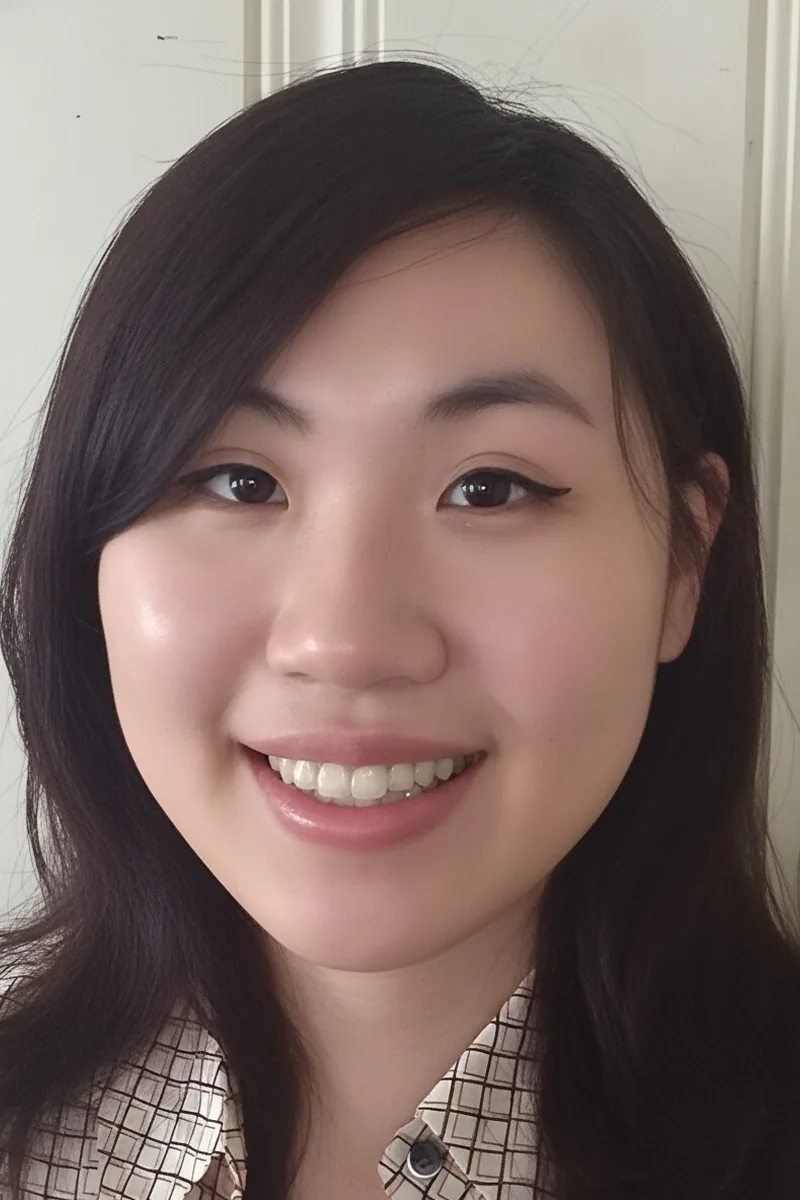
A molecular biology degree from UC Berkeley might seem unrelated to AP Chinese, but Caroline's background teaching Mandarin across four levels — plus her fluency in the language — means she knows how to bridge the gap between conversational Mandarin and the formal, academic register the exam's interpretive reading and listening sections demand. She's particularly effective at coaching students through the exam's interpersonal tasks, where her experience mentoring K-12 students in Oakland translates into patient, structured practice that builds confidence under timed conditions. Rated 5.0 by students.
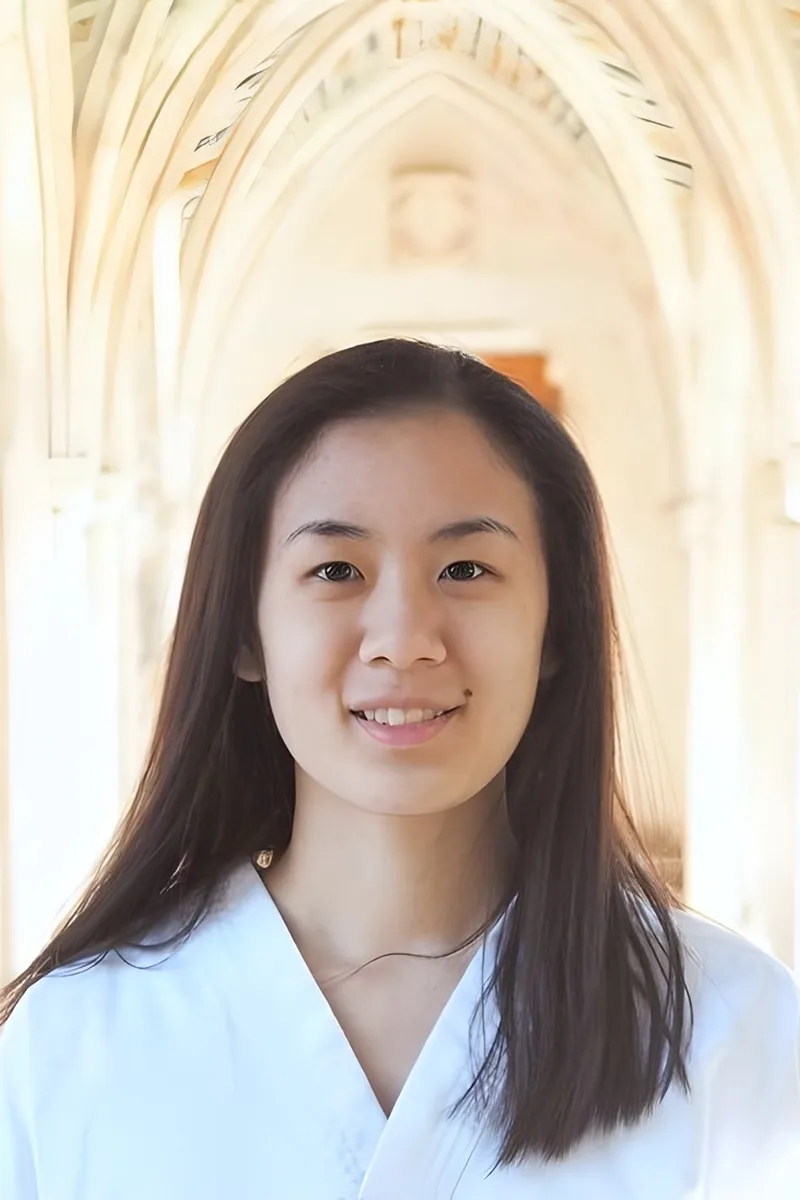
Having scored on the SAT Subject Test in Chinese with Listening, Florence brings firsthand experience with the kind of language proficiency AP Chinese demands — from interpreting spoken passages to crafting written responses using appropriate registers. She knows which cultural comparison prompts tend to trip students up and how to structure presentational writing that earns top marks.
Few AP Chinese tutors can match Chang's combination: he's a native-level Mandarin speaker who has taught the language professionally to Pentagon and State Department employees, university professors, and traditional students alike. He drills the presentational and interpersonal communication tasks the exam requires — story narration, cultural comparison essays, and conversation responses — with attention to the tonal precision and idiomatic phrasing that separate a 4 from a 5. His deep knowledge of Chinese culture also strengthens students' performance on the cultural awareness components.
Eight years of teaching Chinese language and culture across elementary, middle, and high school levels — plus directing a K-12 language enrichment program — makes Amanda one of the rare tutors who understands the full arc of the AP Chinese exam. She tackles the interpersonal and presentational speaking tasks head-on, coaching students to respond with cultural nuance and grammatical precision under timed conditions. Rated 5.0 by students.
Charles speaks both Cantonese and Mandarin and teaches across all four Mandarin Chinese levels, which means he can pinpoint exactly where a student's tonal accuracy or grammatical structure needs tightening before exam day. His strongest contribution to AP Chinese prep is the interpersonal response tasks — he runs rapid-fire conversational drills that build the kind of spontaneous, register-appropriate Mandarin the exam scores highest.
The AP Chinese exam's cultural comparison essays reward students who can draw on genuine cross-cultural experience — and as a Mandarin Chinese speaker studying at the University of Minnesota, Amy lives that dual perspective daily. She also teaches across multiple Mandarin levels, so she can identify gaps in a student's formal written register or listening comprehension and target those specific weaknesses before exam day.
With an economics degree and fluency across four levels of Mandarin Chinese, Alexander brings a practical, content-rich angle to AP Chinese prep — particularly the interpretive listening passages, where students need to process real-world topics like trade, policy, and social trends discussed in rapid, formal Mandarin. He also tackles the exam's cultural comparison essays by drawing on his cross-cultural academic background to teach students how to move beyond surface-level observations and anchor their responses in specific, substantive examples.
A literature degree paired with fluency in both Mandarin and Cantonese gives Bronwen an unusual edge on the AP Chinese exam's interpretive reading section, where students encounter texts that demand literary analysis skills — not just language ability. She teaches across all four Mandarin levels and scored 1530 on the SAT, reflecting the kind of close-reading discipline she brings to coaching students through the exam's densest written passages. Rated 5.0 by students.
Beyond typical classroom exposure, Cynthia pursued Chinese seriously enough to earn a university minor in the language, which means she's comfortable with the reading comprehension, listening, and cultural knowledge components the AP exam tests. She walks students through strategies for the interpersonal and presentational speaking tasks, where scoring well depends on fluid responses and appropriate use of idiomatic expressions.
Scoring well on AP Chinese Language and Culture means navigating presentational writing, interpersonal speaking prompts, and cultural comparison essays — all in Mandarin. Alex is fluent in Mandarin Chinese and understands the tonal pitfalls and character-recognition challenges that trip up American students. He connects language drills to real cultural contexts so the exam's thematic units feel less like abstract categories and more like actual conversations.
The AP Chinese Language and Culture exam tests more than vocabulary — it demands cultural literacy, formal register switching, and the ability to compare Chinese and American perspectives in real time. Ya grew up in Taiwan and earned her master's in Foreign Language Education (Chinese) at NYU, so she teaches students to navigate the interpersonal and presentational speaking tasks with native-level cultural nuance. She also drills the specific reading and listening strategies that trip up heritage and non-heritage speakers alike.
Having tutored the SAT Subject Test in Chinese with Listening and spent time working in Hong Kong, Asta understands both the linguistic and cultural dimensions the AP Chinese exam tests. She digs into the presentational writing and interpersonal speaking tasks that trip up even heritage speakers, breaking down how to structure responses that earn top marks on the rubric.
Fluent in Mandarin and experienced with the AP Chinese exam format, JF tackles the presentational writing and interpersonal speaking components that trip up even heritage speakers. He digs into the cultural comparison prompts specifically, showing students how to structure responses that hit every rubric criterion.
Testimonials
Because the right AP Chinese Language and Culture tutor makes all the difference.
Average Session Rating – Based on 3.4M Learner Ratings
Nearby AP Chinese Language and Culture Tutors
Other San Francisco Tutors
Related Languages Tutors in San Francisco
Frequently Asked Questions
The AP Chinese Language and Culture exam tests proficiency across five key areas: listening, reading, writing, speaking, and cultural knowledge. The exam includes multiple-choice sections for listening and reading comprehension, a free-response writing section, and a speaking component where you'll participate in conversations and deliver presentations. Success requires not just language skills but also understanding Chinese cultural contexts, which makes the exam comprehensive and challenging.
Score improvement depends on your starting level and how consistently you work with a tutor, but students typically see meaningful gains within 8-12 weeks of focused preparation. Many students improve by 2-3 score points on the AP scale (1-5), particularly when tutoring targets their specific weak areas—whether that's tonal accuracy in speaking, reading comprehension speed, or cultural context questions. The key is identifying exactly where you're losing points and practicing strategically rather than studying broadly.
The speaking section intimidates many students because it requires real-time conversation and presentation skills with limited preparation time—there's no room to pause and think. The reading section moves quickly and requires understanding nuanced cultural references, not just vocabulary. Additionally, students often struggle with the writing task because it demands formal, structured responses in Chinese while maintaining cultural appropriateness. Tutors can help you build confidence in each section through targeted practice and feedback on your specific pronunciation, grammar, and cultural knowledge gaps.
Your first session typically involves a diagnostic assessment to identify your current proficiency level and pinpoint which sections need the most work—listening, reading, writing, or speaking. From there, a tutor creates a customized study plan that focuses on your weak areas while reinforcing your strengths. Expect regular practice with authentic exam materials, timed practice tests, and detailed feedback on your responses, especially for the speaking and writing sections where nuance matters.
Most students benefit from 3-6 months of consistent preparation, though this varies based on your starting level and how much time you can dedicate weekly. If you're already fluent or near-fluent in Mandarin, you might need just 8-10 weeks to master exam-specific strategies and cultural content. A tutor can help you create a realistic timeline based on your current abilities and target score, breaking the preparation into manageable milestones so you're not cramming close to test day.
The speaking section requires practicing both conversation and presentation formats under timed conditions—something that's difficult to do alone. A tutor can conduct mock conversations, provide immediate feedback on your pronunciation and tonal accuracy, and help you develop strategies for thinking on your feet. Regular practice with native-level speakers or tutors who model natural speech patterns significantly improves your confidence and fluency, which directly translates to better performance on test day.
Cultural knowledge is woven throughout the exam—reading passages reference historical events, social customs, and contemporary issues in Chinese-speaking regions, and the speaking/writing sections often ask you to discuss cultural topics. You can't score well by focusing only on grammar and vocabulary; understanding Chinese culture, current events, and social contexts is essential. A tutor can help you build this knowledge systematically while connecting it to language skills, so you're prepared for culture-heavy questions across all sections.
Look for tutors with native or near-native fluency in Mandarin Chinese, proven experience teaching AP Chinese specifically, and familiarity with the current exam format and scoring rubrics. Ideally, they should have experience helping students improve their speaking and writing scores, since those sections require specialized feedback. Varsity Tutors connects you with expert tutors for students in San Francisco who meet these standards and can tailor their approach to your learning style and goals.
Let’s find your perfect tutor
Answer a few quick questions. We’ll recommend the right plan and match you with a top 5% tutor.