Award-Winning College Chemistry Tutors
serving San Francisco, CA
College Chemistry
Tutors in San Francisco
Private 1-on-1 tutoring, weekly live classes for academic support, test prep & enrichment, practice tests and diagnostics, and more to elevate grades and test scores.
Based on 3.4M Learner Ratings
UniversitiesSchools & Universities
DeliveredHours Delivered
ProficiencyGrowth in Proficiency
Who needs tutoring?
No obligation. Takes ~1 minute.
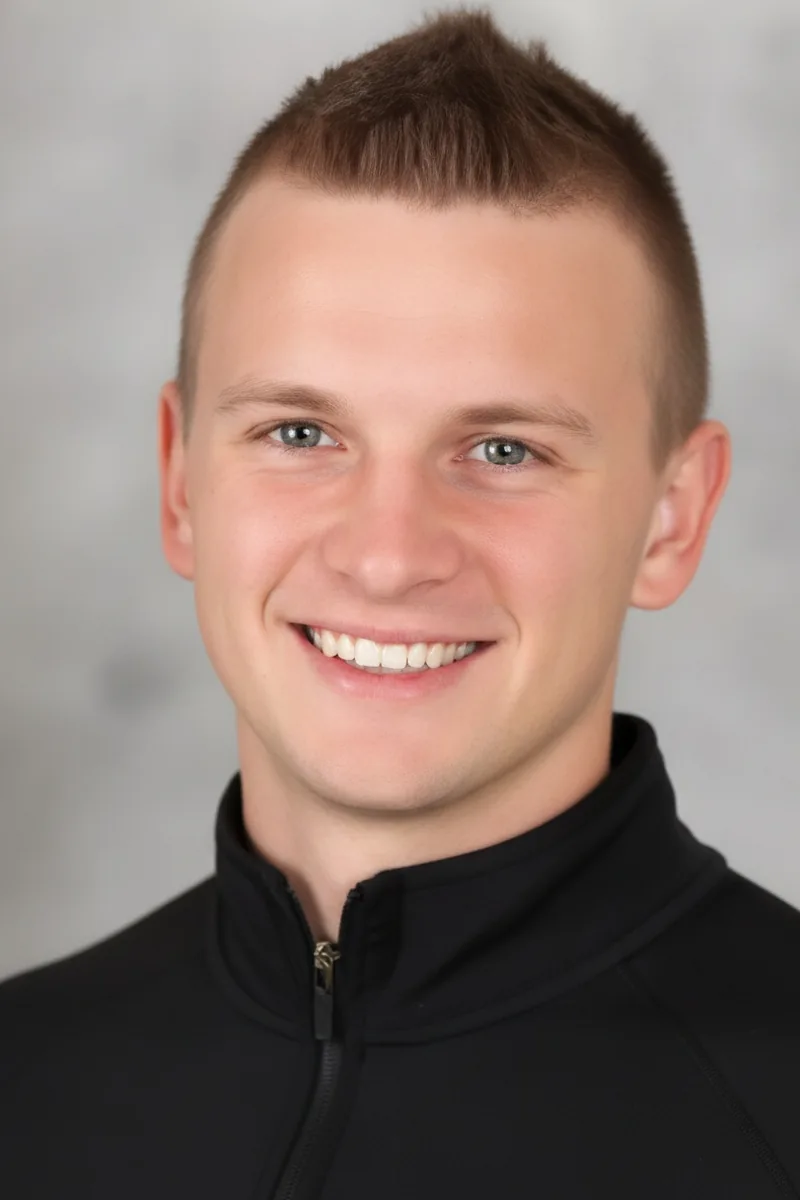
Pre-med bio-psychology coursework at UCSB means Aaron has pushed through college chemistry the same way his students are — as a high-stakes prerequisite where every gap in stoichiometry or equilibrium shows up again in upper-division science courses. He talks through problems conversationally, pressing students to explain the reasoning back to him, which exposes shaky understanding far faster than just re-solving practice sets. Holds a 5.0 rating.
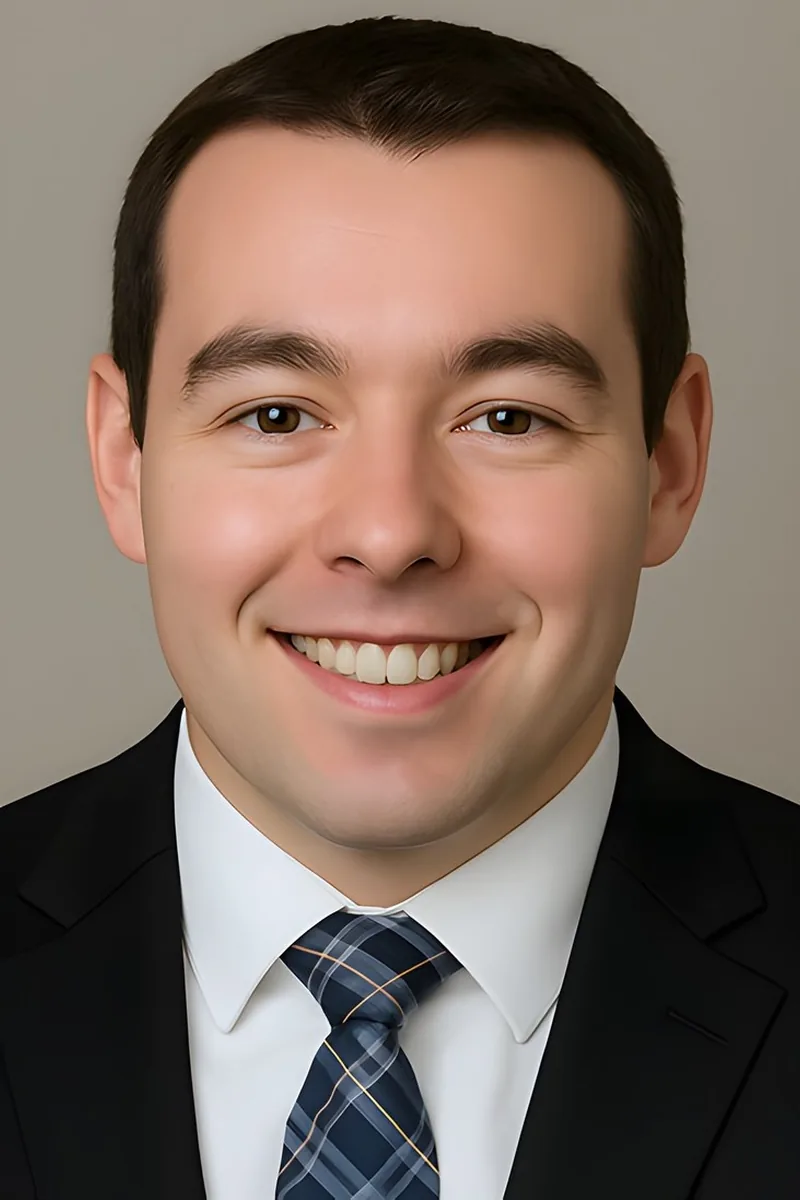
Medical school demands a deep command of general chemistry — equilibrium, thermodynamics, acid-base systems, electrochemistry — and Timothy tackles all of it daily as a current M.D. student. He breaks down complex reaction mechanisms and quantitative problem-solving in ways that connect lecture material to how chemistry actually behaves in biological systems. Rated 4.9 by students.
UCLA's psychobiology curriculum forced Shant through the full gen chem gauntlet — bonding, thermodynamics, reaction kinetics — as groundwork for the upper-level biochemistry and neuroscience courses that followed, so he knows exactly which early concepts trip students up later. He teaches college chemistry by linking abstract topics like electron configuration and molecular geometry back to the biological systems where they become tangible. Rated 5.0 by students.
Balancing redox equations, working through thermodynamics problems, or untangling acid-base equilibria — Nicole tackles college chemistry with the rigor she built preparing for medical school and earning cum laude honors at UCLA. Her public health minor also means she can connect abstract chemical concepts to real-world applications in pharmacology and environmental science.
Between a biology degree at Loyola Marymount and clinical oncology research at UCLA, John has put gen chem concepts like molecular interactions, reaction energetics, and solution chemistry to work in settings where getting the science wrong isn't an option. He tackles problem sets by connecting the abstract — electron configurations, periodic trends, equilibrium expressions — to the biological and clinical scenarios where they actually show up, which tends to make the material stick for pre-med and life science students grinding through the course.
Thermodynamics, reaction kinetics, and molecular orbital theory all demand comfort with both abstract models and rigorous math. Mitch's engineering training gave him years of practice applying these exact concepts to real systems, so he can explain why an enthalpy diagram looks the way it does — not just how to read one.
Organic mechanisms, equilibrium constants, electrochemistry — college chemistry demands a level of problem-solving that pure memorization can't sustain. Whitney developed that analytical muscle through her neuroscience degree at Pomona, where she applied chemical principles to biological systems daily. She unpacks reaction logic step by step so students can approach unfamiliar problems with confidence.
Biology majors often hit college chemistry expecting memorization and instead getting slammed by the quantitative rigor of thermochemistry, equilibrium constants, and gas law derivations — Nicholas went through that exact transition and knows where the conceptual gaps hide. His 33 ACT and deep science background mean he can break down a Hess's law problem or a buffer calculation by connecting the math back to what's physically happening at the molecular level.
Following the premed track alongside an electrical engineering BS/MS at Columbia, Zhenrui has taken college chemistry from both angles — the pre-health side where acid-base equilibria and solution chemistry dominate, and the engineering side where thermodynamics and electrochemistry get quantitatively rigorous. That dual exposure means he can spot whether a student is stuck on the conceptual model or the math underneath it, and tackle the right one. His 36 ACT reflects the kind of cross-disciplinary precision he brings to problem-solving.
General chemistry at the college level demands comfort with both quantitative problem-solving and conceptual reasoning — balancing redox equations one moment, then explaining molecular orbital theory the next. Siavash's molecular biology research at Cal State Northridge keeps him actively working with chemical principles, and he brings that applied perspective to topics like thermodynamics, equilibrium, and kinetics.
General chemistry at the college level demands comfort with both conceptual reasoning and quantitative problem-solving — balancing redox equations one day, calculating equilibrium constants the next. Jack's integrative biology program at Berkeley requires extensive chemistry coursework, so he approaches topics like thermochemistry, molecular orbital theory, and acid-base equilibria as tools he actively uses, not abstract exercises.
Thermodynamics, equilibrium constants, and molecular orbital theory all click faster when you can visualize what's happening at the atomic level — and Justin's neuroscience and physiology training gave him deep fluency in exactly that kind of molecular thinking. He tackles college chemistry by connecting abstract equations to the physical behavior they describe, whether it's a redox half-reaction or a phase diagram.
Tackling college-level chemistry means grappling with quantum mechanical models, thermodynamic calculations, and reaction mechanisms that go well beyond what high school covers. As a Chemistry major at Occidental, Chandler is working through these same concepts in his own coursework and can explain tricky ideas — like hybridization or Gibbs free energy — in straightforward terms. Rated 4.5 by students.
Organic mechanisms, equilibrium calculations, and thermochemistry all demand a different kind of thinking than high school chemistry prepared most students for. Pooja's science training at UC Irvine — where chemistry overlapped heavily with her biology major — means she can connect abstract concepts like Gibbs free energy or reaction kinetics to concrete biological examples that make them easier to internalize.
What draws Kellie to chemistry is the way it rewards curiosity — a single concept like electron configuration can unlock why certain reactions happen, why acids behave the way they do, and why some molecules are polar while others aren't. She teaches college chemistry by chasing those connections, spending time on the reasoning behind topics like stoichiometry and chemical bonding so the problem-solving becomes intuitive rather than formulaic.
I'm an affable chemistry-loving person whose joy come from delivering knowledge :D
Pursuing medical school after a public health science degree means Mark has been through the gen chem gauntlet with a clear stake in the outcome — he knows which concepts, like solution chemistry, acid-base reactions, and thermodynamic principles, actually resurface in upper-level coursework and entrance exams. He tackles problems by slowing down at the exact step where the logic gets fuzzy, rebuilding clarity before moving forward. Holds a 5.0 rating from students.
Teaching across biology, physics, and chemistry at both the high school and college level gives Tito an unusual vantage point on gen chem — he can spot when a student's confusion about, say, electron configurations or intermolecular forces is really a gap carried over from physics or math rather than the chemistry itself. That cross-disciplinary instinct lets him target the actual breakdown instead of re-explaining content a student technically already knows. Rated 4.8 by students.
Organic reaction mechanisms, equilibrium calculations, and thermodynamic principles demand a different kind of thinking than general chemistry — more pattern recognition, less plug-and-chug. Fady earned his biological sciences degree working through these same courses and knows exactly where the conceptual jumps trip students up. He walks through electron-pushing mechanisms and multi-step problems with enough repetition that the logic becomes second nature.
General chemistry at the college level moves fast, and topics like equilibrium constants, acid-base titrations, and redox reactions can pile up before students realize they've lost the thread. Caroline tackled these courses at UC Berkeley as part of her molecular biology track and understands exactly where the conceptual gaps tend to form. She unpacks each problem type systematically so the underlying logic clicks rather than just the math.
Studying pre-biology at UC Santa Barbara means Alan has taken college chemistry alongside the same pre-med and life science students he now tutors — so he knows exactly where topics like solution stoichiometry, molecular polarity, and acid-base reactions become stumbling blocks when the pace picks up mid-quarter. He tackles problem sets by slowing down at the conceptual step most students rush past, then connecting the chemistry back to the biological systems where it reappears. Rated 4.7 by students.
Quantum numbers, molecular orbital theory, thermodynamic cycles — college chemistry demands comfort with abstract models and the math behind them. Sarah's dual degree in Physics and Mathematics means she can explain why an orbital has a particular shape or walk through a Hess's Law calculation with equal confidence.
Studying chemistry at Harvard while preparing for Columbia Medical School means James has taken college chemistry far past the introductory level — he knows which early concepts like electron configurations, VSEPR theory, and reaction stoichiometry quietly become load-bearing walls for everything from organic mechanisms to biochemical pathways. He teaches gen chem by flagging those high-stakes fundamentals early, so students aren't blindsided when later courses assume fluency. Rated 4.9 by students.
Biochemistry and cell biology coursework at the undergraduate level, followed by Duke medical school, means Tammy has run the full gauntlet of college chemistry — from gen chem fundamentals like electron configurations and VSEPR theory through the organic and biochemical applications that make those foundations matter. She teaches the early material with an eye toward what's coming next, so students aren't just surviving gen chem but actually building fluency they'll use in later courses. Rated 5.0 by students.
General chemistry at the college level lives or dies on whether you actually understand what's happening at the molecular level — equilibrium shifts, thermodynamic spontaneity, orbital hybridization — or just memorize formulas. Mosab's health sciences graduate work means he uses these concepts constantly and can connect them to real biochemical applications. Rated 5.0 by students.
Computer science at Cornell Engineering required Ravnoor to grind through the same rigorous gen chem sequence that gates so many STEM majors — and his 5.0 rating suggests he retained more than enough to teach it. He tackles calculation-dense topics like stoichiometry and gas laws by decomposing them the way a programmer would: isolate the variables, track the units, and debug each step before moving forward.
Working in a Yale research lab with tools like CRISPR-Cas9 means Matthew encounters gen chem principles — reaction kinetics, molecular interactions, buffer systems — in live experimental contexts, which sharpens how he explains them back at the introductory level. His biochemistry and molecular biology coursework built fluency with the bridge between general chemistry and its applications, so he can show students exactly why mastering something like equilibrium or thermochemistry pays off two courses down the road. Holds a 5.0 rating.
Leading weekly peer mentor sessions for General Chemistry at WashU means Sarah doesn't just know college chemistry — she's actively teaching it, walking small groups through problem sets on equilibria, stoichiometry, and solution chemistry every week. That hands-on repetition sharpens her ability to spot exactly where a concept falls apart for each student and rebuild understanding from that point. Rated 5.0 by students.
Pursuing a dual degree in biostatistics and public health at Brown, Joyce has worked through college chemistry with the quantitative rigor that comes from living in both the biology and statistics sides of STEM — so she's comfortable with the molarity calculations, reaction stoichiometry, and equilibrium expressions that overwhelm students who expected a purely conceptual course. She tackles problems by clarifying the chemical logic first, then showing how the math follows naturally from it.
Engineering coursework at Harvard means Christopher regularly uses chemistry concepts like thermodynamics, equilibrium, and reaction kinetics in applied settings. He teaches college chemistry by connecting abstract ideas — say, Gibbs free energy or electrochemical cells — to tangible problems, making the material easier to internalize before exams.
Pre-med coursework at Duke forced Camille through the full gen chem gauntlet — stoichiometry, equilibrium, acid-base chemistry — while simultaneously juggling a humanities major, so she knows what it's like to learn dense quantitative material without the luxury of focusing on nothing else. That experience makes her especially effective with students who aren't pure STEM majors but still need to master college chemistry for their degree track. Rated 5.0 by students.
Studying chemistry at MIT means Max has tackled the same problem sets, lab reports, and conceptual leaps that trip up college chemistry students — quantum mechanical models, thermodynamic cycles, molecular orbital theory. He approaches each session by identifying the specific concept a student is stuck on and building understanding from the ground up, not just drilling practice problems. His 5.0 rating speaks to how well that method works at the college level.
Going from a Penn undergrad to medical school means Jessica sat through college chemistry twice — once as a prerequisite and again when biochemistry and pharmacology demanded she actually internalize concepts like reaction energetics, acid-base equilibria, and molecular interactions at a deeper level. That second pass gave her a clear sense of which gen chem topics students need to truly own versus merely survive, and she teaches accordingly. Rated 4.8 by students.
Tackling college chemistry topics like thermodynamics, kinetics, and electrochemistry is second nature for Greg, whose chemical engineering major at Vanderbilt requires him to apply these concepts in advanced contexts every semester. He breaks down intimidating derivations and multi-step problems by connecting them to the underlying physical intuition rather than treating each formula as something to memorize.
Testimonials
Because the right College Chemistry tutor makes all the difference.
Average Session Rating – Based on 3.4M Learner Ratings
Nearby College Chemistry Tutors
Other San Francisco Tutors
Related Science Tutors in San Francisco
Frequently Asked Questions
College chemistry usually covers atomic structure, bonding, stoichiometry, thermodynamics, kinetics, equilibrium, acid-base chemistry, and redox reactions. Many courses also include lab work that reinforces theoretical concepts through hands-on experiments. The specific topics and depth depend on your course level (general, organic, or physical chemistry) and your major's requirements.
Balancing equations requires understanding both the symbolic representation of chemistry and the conservation of mass principle—it's easy to get lost in the mechanics without grasping the underlying logic. Many students treat it as pure memorization rather than recognizing the systematic approach. Working with a tutor helps you develop a reliable method and see equations as a way to communicate what's actually happening at the molecular level, making the process less frustrating and more intuitive.
Yes. Tutors can help you understand the scientific method, design experiments, interpret data, and write lab reports. They can also clarify the theory behind lab procedures so you understand what's happening during experiments, not just follow steps. This deeper understanding makes lab work more meaningful and helps you connect hands-on observations to the concepts you're learning in lecture.
Chemistry tutors use multiple strategies to make abstract ideas concrete—drawing Lewis structures, using molecular models, creating energy diagrams, and relating concepts to real-world examples (like why salt dissolves in water). When you can visualize what's happening at the atomic and molecular level, concepts like bonding, polarity, and reaction mechanisms become much less abstract and easier to remember.
These skills require both understanding the logic (why you multiply or divide by certain ratios) and consistent practice with different problem types. Tutors help you develop a systematic approach—setting up dimensional analysis correctly, identifying what you're solving for, and checking your work—rather than memorizing formulas. Once you see the pattern, these problems become predictable and manageable.
Your first session is about assessment and connection. A tutor will ask about your current coursework, identify specific challenges (whether it's thermodynamics, lab reports, or exam prep), and understand your learning style. You'll work through a problem or concept together to establish a baseline and create a personalized plan for moving forward.
Yes. Varsity Tutors connects San Francisco students with chemistry experts who understand college-level coursework and can provide personalized 1-on-1 instruction tailored to your specific course and challenges. Whether you're in general chemistry, organic chemistry, or a specialized course, tutors can work with your syllabus and help you succeed.
Understanding chemistry means seeing the connections between concepts—how atomic structure explains bonding, how bonding explains molecular properties, and how those properties predict reactions. Tutors help you build these conceptual bridges instead of treating each topic as isolated facts. When you understand the 'why,' formulas become tools that make sense rather than things to memorize, and you'll retain information much longer.
Let’s find your perfect tutor
Answer a few quick questions. We’ll recommend the right plan and match you with a top 5% tutor.