Award-Winning Executive Functioning Tutors
serving Sarasota, FL
Award-Winning
Executive Functioning
Tutors in Sarasota
Private 1-on-1 tutoring, weekly live classes for academic support, test prep & enrichment, practice tests and diagnostics, and more to elevate grades and test scores.
Based on 3.4M Learner Ratings
UniversitiesSchools & Universities
DeliveredHours Delivered
ProficiencyGrowth in Proficiency
Who needs tutoring?
No obligation. Takes ~1 minute.
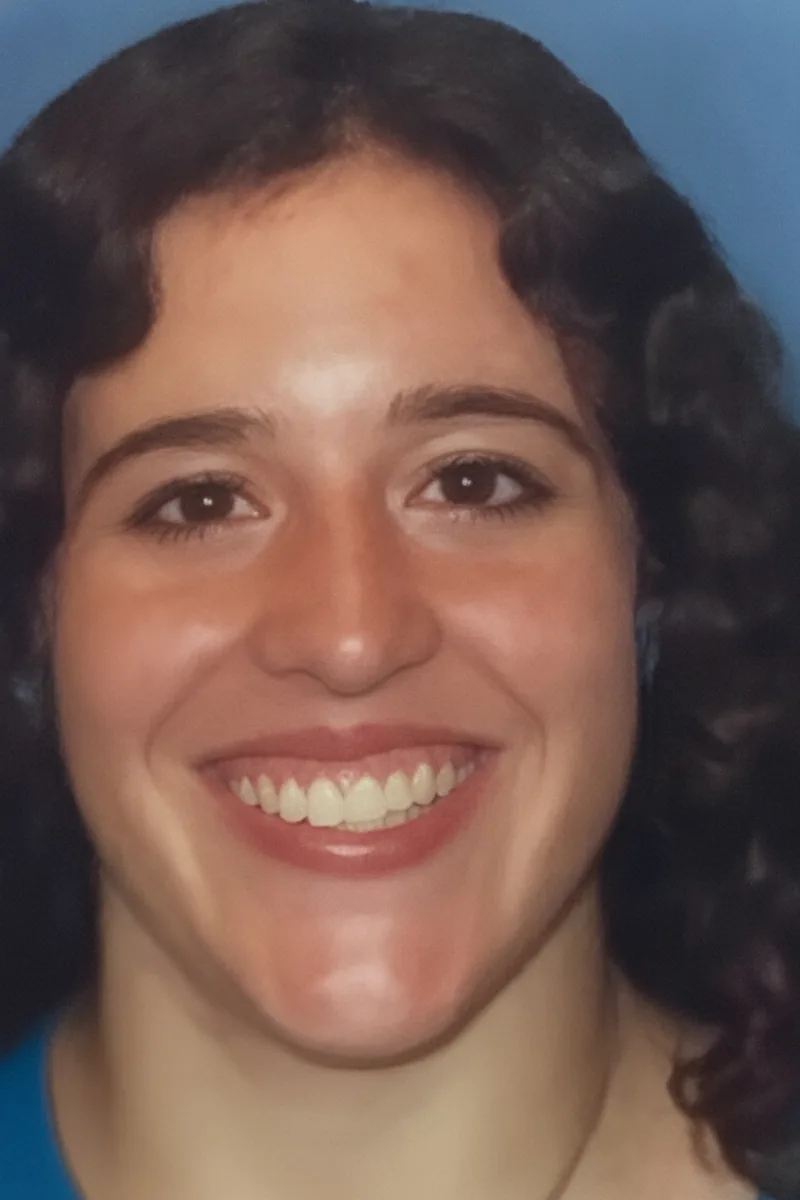
Planning, prioritizing, and managing time across multiple commitments is something Sydny had to master while juggling three undergraduate majors and medical school preparation. She breaks executive functioning into specific, practicable skills — task initiation, deadline mapping, and self-monitoring — so students build routines that work independently of a tutor's reminders.

Planning a multi-step assignment, managing time across subjects, breaking a big project into smaller pieces — these are skills that don't come naturally to every student. Heather's clinical psychology training gives her a framework for teaching organizational strategies that actually stick, and she tailors each system to how a student's brain already works rather than forcing a one-size-fits-all planner approach.
Planning, time management, task initiation, emotional regulation — executive functioning deficits show up differently in every student, and Mati's doctoral training in learning disabilities means she can pinpoint which skills are lagging and why. She builds individualized systems like visual schedules, chunked assignments, and self-monitoring checklists that students actually use because they're designed around how each person's brain works, not a generic planner template.
Five years working specifically with students with learning differences taught Sydney where the real sticking points are — the student who knows what the assignment says but can't figure out where to start, or the one who chronically underestimates how long a reading response will take. She ties executive functioning strategies like task breakdown and self-monitoring directly to the English and Spanish coursework she also tutors, so students practice these skills on actual assignments rather than in isolation. Rated 4.9 by clients.
Jennifer's M.Ed. in Curriculum and Instruction trained her to design structured learning sequences — a skill she now applies to teaching students how to plan multi-step projects, estimate time for assignments, and organize materials across classes. Her experience spanning elementary through college-level work means she calibrates these systems to each student's actual academic demands, building routines around real homework and deadlines rather than abstract exercises. Rated 5.0 by clients.
Planning a multi-step assignment, managing time across subjects, keeping materials organized — these are skills most schools expect but rarely teach explicitly. Charles's counseling psychology training gives him concrete strategies for building these executive functioning habits, from using visual task breakdowns to teaching students how to self-monitor their own focus and prioritize effectively.
Planning a multi-step project or breaking a semester's worth of material into a weekly study schedule requires the same structured thinking Andrew used throughout his engineering and MBA programs. He teaches students concrete systems for prioritizing tasks, managing time, and organizing materials so that deadlines stop feeling like emergencies. Rated 4.8 by students and families.
Planning, prioritizing, managing time, shifting between tasks — these are the invisible skills that school demands but rarely teaches outright. Elise breaks executive functioning into concrete, practicable habits: using checklists to start assignments, setting timers to maintain focus, and building routines for organizing materials. Her special education training means she understands the neurological side of these challenges, not just the behavioral one.
I hold a Master's degree from the University of Pennsylvania in developmental psychology (with a focus on cognition) and a B.A. from Swarthmore College in theatre and English. I enjoy working with students who are looking to improve their executive function skills as a part of their overall goals for tutoring because I believe in a whole-self approach to time management and skill building. I also thoroughly enjoy tutoring in English literature, high school and college writing, organizational skills, and standardized testing. I've spent 15 years teaching high school English, public speaking, and written expression at elite independent schools, while moonlighting as a public speaking coach. My professional experience includes providing speechwriting and coaching for a now-US Senator during his first congressional campaign. Prior to becoming a teacher, I worked as a director for multiple professional theaters, and my passions for English and Theatre converge in a deep love of Shakespeare. I love to talk about literature and dissect its craft in writing, and I believe everyone can write strong essays with the right coaching and framework.
Jamie's Master's in Special Education gave her direct training in breaking executive functioning into teachable skills — things like planning multi-step assignments, managing time with visual schedules, and self-monitoring progress without constant prompting. She builds these strategies into real schoolwork so students practice organization and task initiation where it actually matters, not in isolation.
Candice's Fulbright teaching experience in Taiwan and her years as a classroom aide and afterschool mentor gave her constant practice recognizing when a student's real obstacle isn't the content but the inability to start, sequence, or sustain a task independently. She weaves executive functioning strategies — like breaking a writing assignment into discrete stages or building a nightly homework launch routine — directly into the English and literacy work she already does with students. That integrated approach means kids practice planning and self-monitoring on real schoolwork, not hypothetical scenarios.
Kenneth's cognitive neuroscience degree means he understands the brain science behind why some students struggle to initiate tasks, regulate attention, or hold a plan in working memory — and that understanding shapes how he teaches these skills rather than just assigning them. He connects executive functioning strategies like sequencing and self-monitoring directly to the academic work students bring in, whether that's structuring a college essay or mapping out a study plan for chemistry.
I am persuasive and capable of developing rapport and trust, as well as experienced in influencing the attitudes and ideas of others.
Tutoring across 46 subjects — from elementary math to organic chemistry to college essays — means Adel constantly sees which organizational habits transfer across disciplines and which ones students are missing. His biochemistry training at Georgia Tech required coordinating lab work, problem sets, and writing simultaneously, so he teaches students concrete strategies for prioritizing tasks, estimating how long assignments actually take, and building weekly workflows that prevent last-minute scrambles. Rated 5.0 by clients.
Law school is essentially a crash course in executive functioning — Yilin's Juris Doctor required managing simultaneous case briefs, seminar deadlines, and long-term research projects with zero hand-holding. She applies that same structured thinking to teach students how to prioritize competing assignments, catch procrastination patterns before they spiral, and build study workflows that hold up across subjects like math, science, and writing. Rated 5.0 by clients.
Medical school demands serious executive functioning — juggling anatomy, biochemistry, and clinical rotations means Kaitlyn has battle-tested systems for time management, task prioritization, and breaking large projects into manageable steps. She teaches students how to build their own planning routines, from using calendars effectively to chunking study sessions so material actually sticks. Rated 4.8 by students and families.
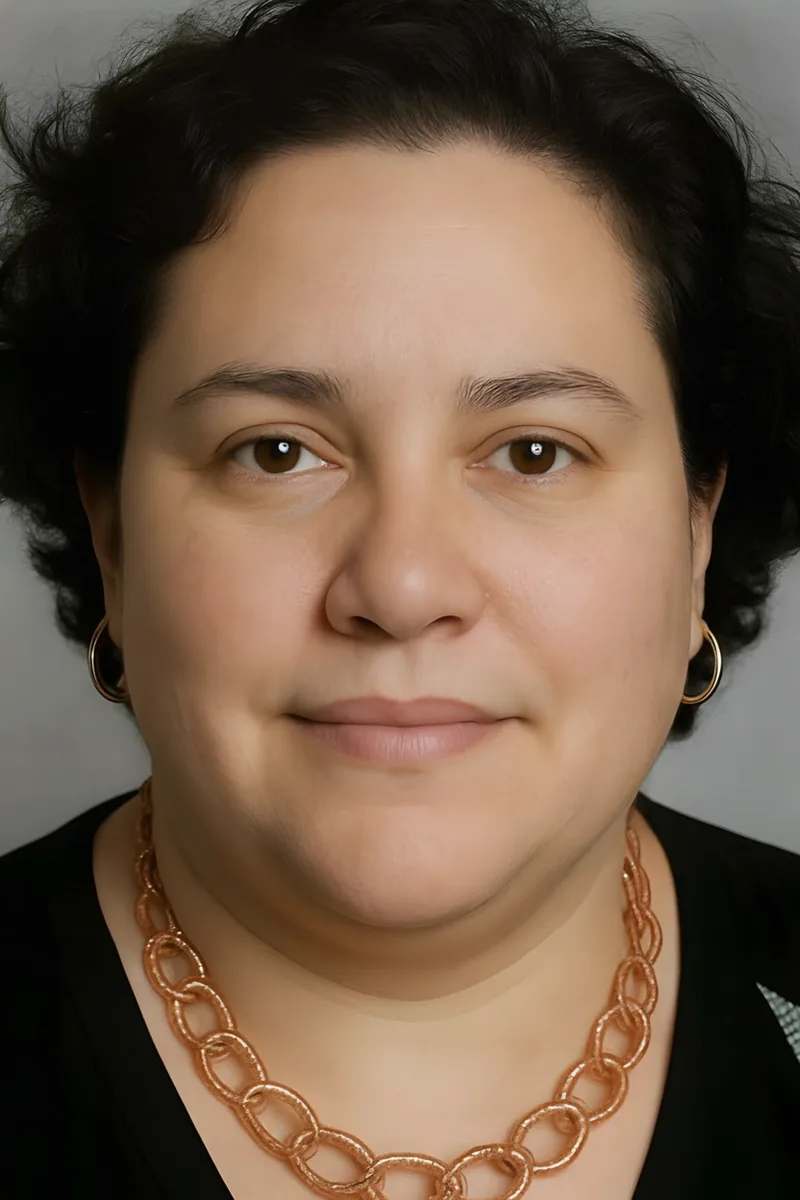
Planning, prioritizing, and self-monitoring don't come naturally to every student — they're skills that can be explicitly taught. Cristiana breaks executive functioning into concrete habits: using checklists to initiate tasks, time-blocking to manage sustained attention, and post-session reflections to build self-awareness about what strategies are working. Her own experience managing a demanding dual-major course load gives her practical techniques to share, not just theory.
Rosie's graduate work in healthcare and her undergraduate finance training both demanded juggling complex, multi-step processes under tight deadlines — skills she now unpacks for students who struggle with planning, time management, and task initiation. She teaches across a wide range of subjects, from math to essay writing, which means she can embed executive functioning strategies directly into the academic work a student is already doing rather than treating them as separate lessons. That cross-subject perspective lets her spot where organizational breakdowns are actually happening and build practical routines around those specific friction points.
Running a natural sciences department at a bilingual elementary school in Ecuador meant Joy wasn't just teaching content — she was building systems for planning, prioritization, and task completion across two languages and multiple grade levels. She applies that same structured approach to executive functioning skills like time management, organization, and breaking long-term assignments into manageable steps.
A PhD in philosophy trains you to hold complex arguments in your head, sequence multi-part proofs, and manage long-term research without external scaffolding — Christine now unpacks those same cognitive skills for students who struggle with planning, task initiation, and self-monitoring. Her breadth across math, writing, and business subjects means she can embed executive functioning strategies directly into whatever assignment a student is actually stuck on, whether it's a geometry problem set or a college essay draft.
Breaking large assignments into sequenced steps, building weekly planning routines, managing deadlines across multiple classes — Manuel tackles the organizational side of academics that often goes untaught. His structured approach to executive functioning gives students concrete systems they actually use, not just advice to "stay organized." Rated 5.0 by students.
Balancing a double major in psychology and biology while preparing for medical school forced Karim to build real systems for task prioritization, time blocking, and breaking long-term projects into manageable steps. He teaches those same strategies — planning backwards from deadlines, organizing materials, and self-monitoring progress — so students can manage their own workloads independently.
All students can learn, however, not all students learn the same way. The key to learning and the most important part of any teachers job is helping students understand how they learn best. That is what I do well.
Breaking a semester's worth of assignments into weekly action plans, prioritizing tasks by deadline weight, and building consistent study routines — these are the executive functioning skills Luis teaches through hands-on practice rather than abstract advice. His experience mentoring students across math, science, and business means he adapts organizational strategies to whatever coursework a student is actually juggling.
Allison's Master's in Education from George Washington University centered on instructional design — figuring out why information doesn't stick and restructuring the process so it does, which is essentially what executive functioning coaching requires. She applies that design thinking to help a student reverse-engineer a stalled essay or a missed deadline, identifying whether the breakdown was in task initiation, time estimation, or material organization, then building a repeatable system around it. Her broad teaching range across writing, math, and test prep means those systems get tested against real coursework, not hypothetical scenarios.
I've helped several hundred students in a wide variety of subjects, from executive functioning to computer science to standardized testing. I also help students with general support in math and English. Most of my students are around 9-17, but I work well with students who are older and a little younger as well. I also work very well with students who have specific obstacles or requirements, such as neurodiversity support or schedules that change a lot. Most of my background is in computer science, from my college major to my experience hands-on over the past 10 years. Regardless of the subject, I believe every student's needs are unique and every student is able to achieve great things with the right preparation and support. My number one goal is to provide that whenever I can, both to the student and to their parents. I communicate with parents outside of sessions a lot to establish their expectations, better understand students, and recommend ways they can directly support their children in their journey as well.
Jennifer's teaching spans everything from elementary math to college essays to business courses, which means she's constantly adapting how she structures sessions for students at very different developmental stages — a skill that translates directly into coaching executive functioning. She zeroes in on the specific habits a student is missing, whether that's learning to estimate how long a reading assignment will actually take or building a consistent workflow for managing multiple classes at once. Her background in study skills and organization gives her concrete strategies rather than vague advice about "trying harder."
Managing art projects from concept to finished piece — juggling sketches, revisions, material prep, and critique deadlines — forced Laura to develop the exact planning and sequencing skills that executive functioning coaching targets. She teaches students to build visual workflows and concrete routines for breaking down assignments, initiating tasks, and tracking deadlines across subjects, drawing on the same project-management instincts that drive her studio practice. Rated 4.9 by clients.
Graduate training in school counseling means Katherine spends her days learning exactly how students get stuck — not on content, but on the invisible skills like task initiation, planning, and self-regulation that determine whether homework actually gets done. She connects those counseling frameworks to the real academic work students bring in, whether it's a stalled college essay or a psychology reading they keep putting off. Her background across subjects like writing, human development, and AP psychology gives her concrete material to anchor organizational strategies to.
Planning a multi-step essay, breaking a semester-long project into weekly milestones, keeping track of deadlines across six classes — these are executive functioning challenges Gabby addresses directly. Her five-plus years as a tutor and writing coach have centered on building concrete systems for organization, time management, and task prioritization that students can actually maintain on their own.
Hello! My name is Sam Bicking. I am an alumni and student at The University of Pennsylvania studying Pre-health sciences before entering medical school. I have been tutoring for several years with students with disabilities (and amazing students without disabilities).
Planning, prioritizing, starting tasks, managing time — executive functioning skills don't come naturally to every student, and they're rarely taught explicitly in school. Hannah's Special Education program at Purdue trained her in scaffolding these skills through structured routines, visual organizers, and self-regulation strategies. She builds systems that students internalize gradually rather than depend on forever.
Claire teaches concrete systems — color-coded planners, task-chunking methods, priority matrices — rather than vague advice about "staying organized." Her background across a wide range of academic subjects means she can tailor these executive functioning strategies to whatever coursework a student is actually struggling to manage, from essay deadlines to exam prep schedules.
Over two decades working with students on IEPs and 504 plans taught Dolmecia exactly where the hidden breakdowns happen — the kid who understands the math but can't start the problem set, or the one whose binder is a black hole of lost worksheets. Her special education certification and finance training give her both the behavioral framework and the structured, systems-oriented mindset to build concrete routines around task initiation, material tracking, and assignment planning tied to a student's actual schoolwork.
I currently work for an afterschool enrichment program (Best Brains) tutoring elementary English and math, and I have 4+ years of experience as a private ESL tutor for both children and adults. I am working toward my Masters of Science in Secondary English Education and ESL at the University of Wisconsin- Madison. I graduated from the University of Oregon with a Bachelor of Arts in Comparative World Literature and Japanese, and from the University of Wisconsin-Madison with a Master of Arts in Japanese Language and Literature. I began tutoring while I was in high school, assisting with algebra homework. In college, I volunteered as a kindergarten reading assistant through a program called Start Making a Reader Today. I later volunteered while in graduate school at a local high school tutoring students in beginner Japanese. I have also been employed by the University of Wisconsin as a Teaching Assistant, and taught in Religious Studies and East Asian Studies. In all cases, it has been a pleasure watching students progress in their academics and to see them grow as young scholars. I especially enjoy teaching language arts because of the feeling of connection that language can bring. My favorite part of teaching is seeing the smiling face of someone the moment that they finally "get" something they've been struggling with and watching their confidence boost. In my free time, I host a small book club, pen pal with friends around the world, and try my hand at new recipes.
As a dedicated tutor with over 5 years of experience, I hold a Bachelor's degree in Psychology and Sociology from Tulane University, which informs my approach to understanding student needs. I specialize in subjects such as Algebra, Psychology, and American History, and I am passionate about fostering a supportive learning environment where students can thrive. My teaching philosophy centers on building strong relationships with my students, using tailored strategies that cater to their unique learning styles. I find great joy in helping students develop their executive functioning skills and confidence, enabling them to achieve academic success. Outside of tutoring, I enjoy reading and exploring new educational resources, which keeps my methods fresh and engaging.
As a dedicated tutor with a Master's degree in Forensic Psychology from George Washington University and a Bachelor's in Psychology with a Minor in Special Education from James Madison University, I am passionate about fostering a supportive learning environment for my students. With over 2 years of experience in special education, I utilize a personalized approach that focuses on each student's unique strengths and challenges. My teaching philosophy centers on creating engaging and interactive lessons that promote critical thinking and confidence. I am motivated by the opportunity to help students achieve their academic goals and develop a love for learning. I have a passion for the language arts and love reading and writing while also valuing math and science. In my free time, I enjoy playing and watching sports, traveling, and spending time with family and friends.
Planning, prioritizing, managing time, and shifting between tasks — these executive functioning skills underpin academic success but rarely get taught explicitly. Derek tackles them as teachable skills, building concrete systems like task checklists, color-coded planners, and structured routines that students internalize over time. His doctorate focused on how curriculum design shapes learning behavior, which gives him a research-grounded toolkit for strengthening these cognitive habits.
Testimonials
Because the right Executive Functioning tutor makes all the difference.
Average Session Rating – Based on 3.4M Learner Ratings
Nearby Executive Functioning Tutors
Other Sarasota Tutors
Frequently Asked Questions
Executive functioning refers to the mental processes that help us plan, organize, manage time, and complete tasks—skills essential for academic success and daily life. Students with strong executive functioning can break down assignments into steps, meet deadlines, and stay organized. Many students struggle with these skills, and personalized tutoring can help identify specific challenges and build strategies tailored to how each student learns best.
Students often struggle with time management, procrastination, organization, planning multi-step projects, and maintaining focus on long-term goals. Others find it difficult to shift between tasks, prioritize assignments, or break large projects into manageable steps. These challenges can affect grades and confidence, even when a student understands the material. Personalized instruction helps students develop concrete systems and habits that work for their individual learning style.
In a classroom setting with a 12.9:1 student-teacher ratio, teachers have limited time to address individual organizational and planning needs. Personalized 1-on-1 instruction allows tutors to assess each student's specific challenges, teach customized strategies, and practice real-world applications using the student's actual assignments and deadlines. This targeted approach helps students build sustainable habits rather than generic study tips.
During the initial session, a tutor will assess your student's current organizational systems, identify specific pain points (like managing multiple deadlines or starting assignments), and understand their learning style and goals. Together, you'll discuss what's working and what isn't, then begin developing a personalized action plan. The tutor may introduce initial strategies while gathering information about your student's classes and workload to tailor future sessions.
Executive functioning support is valuable across all grade levels, but students often need it most during transitions—moving to middle school, high school, or college—when organizational demands increase significantly. Middle and high school students managing multiple classes and long-term projects frequently benefit from personalized strategies. Even younger students can develop strong foundational habits that prevent problems later, while high school students preparing for college gain critical independence skills.
Progress shows up in concrete ways: improved grades, meeting deadlines consistently, reduced stress around assignments, and better organization of materials and time. You might notice your student starting work earlier, breaking projects into steps independently, or managing their own schedule with less reminding. Tutors track progress through completed assignments, organizational systems implemented, and feedback from students about their confidence and independence.
Absolutely. Executive functioning skills directly support success in every subject. For example, a tutor might help a student develop a system for organizing math homework, breaking multi-step problems into manageable parts, or planning time for essay writing across multiple days. By combining executive functioning strategies with subject-specific instruction, students can tackle challenging material more effectively and build confidence across their coursework.
Varsity Tutors connects you with expert tutors who specialize in executive functioning and understand the needs of students in Sarasota schools. Simply tell us about your student's specific challenges—whether it's time management, organization, planning, or focus—and we'll match them with a tutor who can develop a personalized strategy. Your first session is a chance to explore what's working and what needs support, with no long-term commitment required.
Let’s find your perfect tutor
Answer a few quick questions. We’ll recommend the right plan and match you with a top 5% tutor.