Award-Winning Executive Functioning Tutors
serving North Port, FL
Executive Functioning
Tutors in North Port
Private 1-on-1 tutoring, weekly live classes for academic support, test prep & enrichment, practice tests and diagnostics, and more to elevate grades and test scores.
Based on 3.4M Learner Ratings
UniversitiesSchools & Universities
DeliveredHours Delivered
ProficiencyGrowth in Proficiency
Who needs tutoring?
No obligation. Takes ~1 minute.
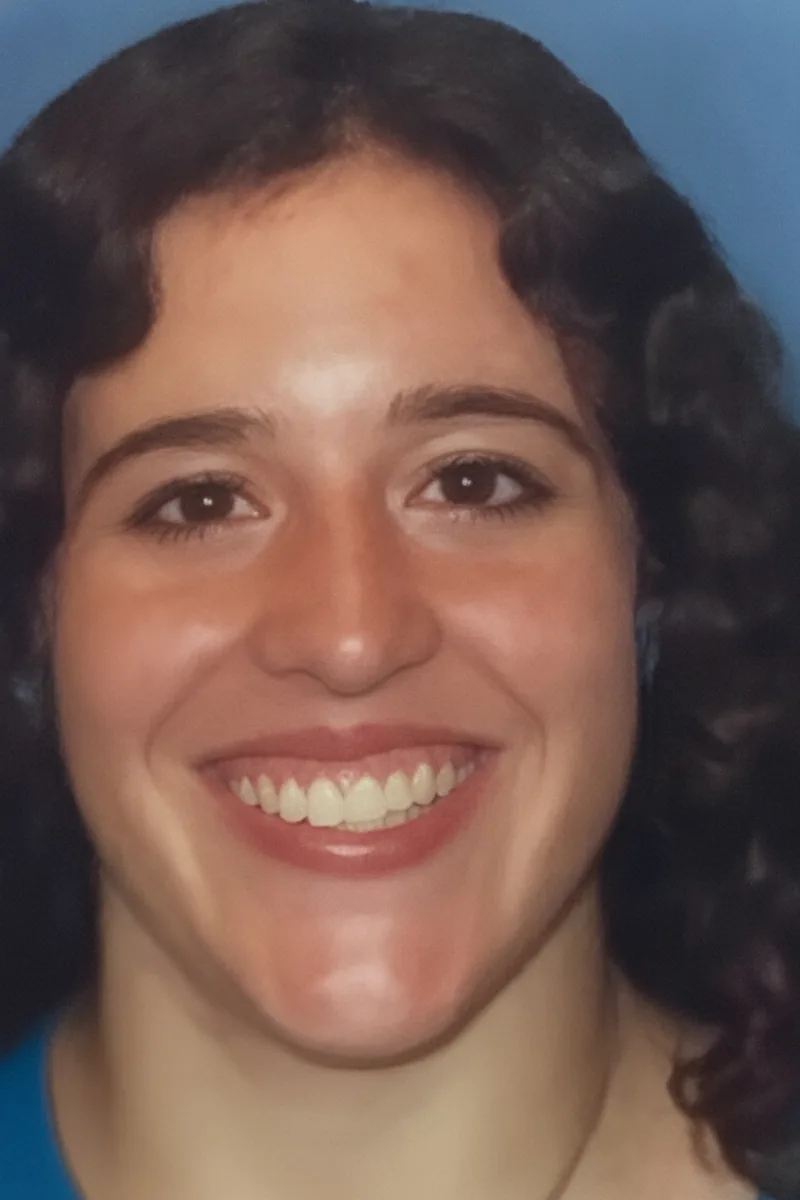
Medical school demands serious executive functioning — juggling anatomy, biochemistry, and clinical rotations means Kaitlyn has battle-tested systems for time management, task prioritization, and breaking large projects into manageable steps. She teaches students how to build their own planning routines, from using calendars effectively to chunking study sessions so material actually sticks. Rated 4.8 by students and families.
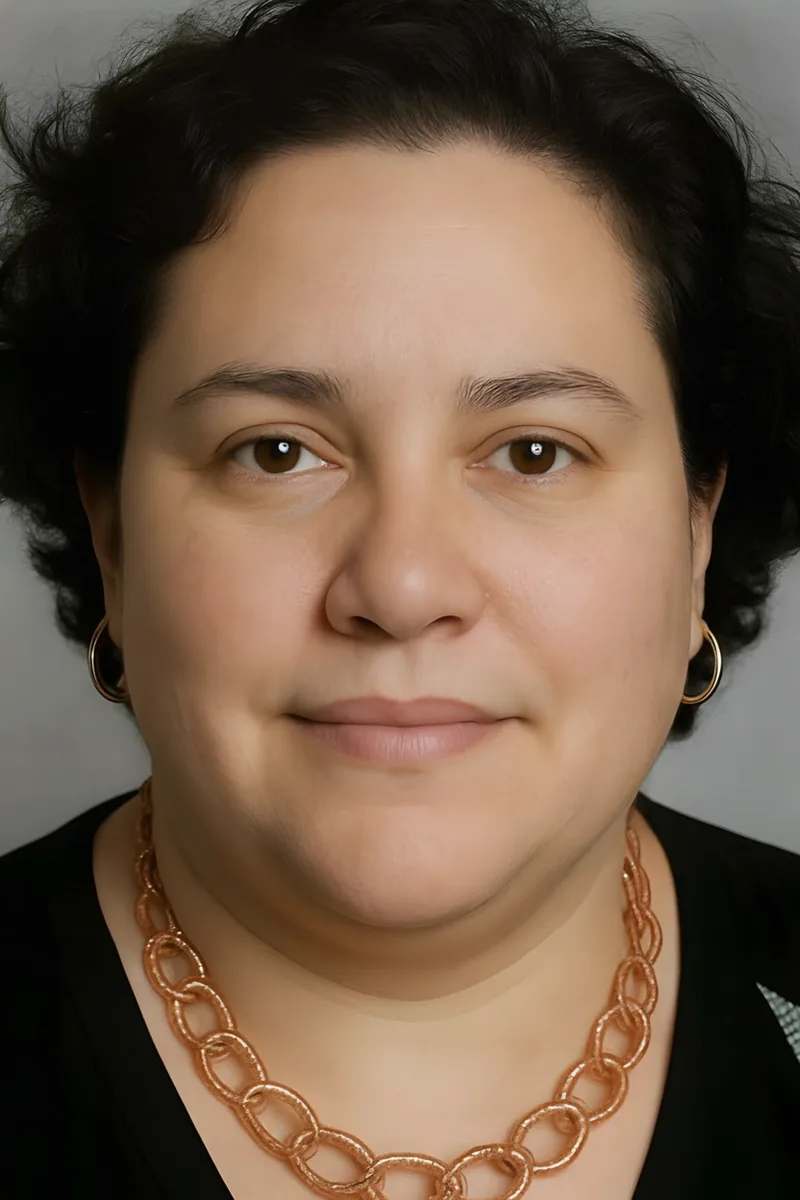
All students can learn, however, not all students learn the same way. The key to learning and the most important part of any teachers job is helping students understand how they learn best. That is what I do well.
Over two decades working with students on IEPs and 504 plans taught Dolmecia exactly where the hidden breakdowns happen — the kid who understands the math but can't start the problem set, or the one whose binder is a black hole of lost worksheets. Her special education certification and finance training give her both the behavioral framework and the structured, systems-oriented mindset to build concrete routines around task initiation, material tracking, and assignment planning tied to a student's actual schoolwork.
The best part of tutoring is promoting students' long-term success through mastery of reading, writing, math, study skills, organization, and critical thinking. In particular, I enjoy helping students build test-taking strategies and core skills for the ACT, SAT, and other admissions tests. I also support pre-K and K-12 students learning math and ELA. Before joining Varsity, I tutored in a Reading and Writing Lab for university students with learning disabilities where I earned a College Reading and Learning Association (CRLA) certification. Since joining Varsity, I have completed continuing education through the Lastinger Center for Learning. I graduated from the University of Arizona in 2021 with a BA in Cultural Anthropology. In addition to tutoring, I have worked as an instructional aide for an art program, an applied anthropology researcher, and a nonprofit program coordinator. Out of all these experiences, I enjoy tutoring the most. I look forward to working with you!
Running a natural sciences department at a bilingual elementary school in Ecuador meant Joy wasn't just teaching content — she was building systems for planning, prioritization, and task completion across two languages and multiple grade levels. She applies that same structured approach to executive functioning skills like time management, organization, and breaking long-term assignments into manageable steps.
I've helped several hundred students in a wide variety of subjects, from executive functioning to computer science to standardized testing. I also help students with general support in math and English. Most of my students are around 9-17, but I work well with students who are older and a little younger as well. I also work very well with students who have specific obstacles or requirements, such as neurodiversity support or schedules that change a lot. Most of my background is in computer science, from my college major to my experience hands-on over the past 10 years. Regardless of the subject, I believe every student's needs are unique and every student is able to achieve great things with the right preparation and support. My number one goal is to provide that whenever I can, both to the student and to their parents. I communicate with parents outside of sessions a lot to establish their expectations, better understand students, and recommend ways they can directly support their children in their journey as well.
Tutoring across 46 subjects — from elementary math to organic chemistry to college essays — means Adel constantly sees which organizational habits transfer across disciplines and which ones students are missing. His biochemistry training at Georgia Tech required coordinating lab work, problem sets, and writing simultaneously, so he teaches students concrete strategies for prioritizing tasks, estimating how long assignments actually take, and building weekly workflows that prevent last-minute scrambles. Rated 5.0 by clients.
Managing art projects from concept to finished piece — juggling sketches, revisions, material prep, and critique deadlines — forced Laura to develop the exact planning and sequencing skills that executive functioning coaching targets. She teaches students to build visual workflows and concrete routines for breaking down assignments, initiating tasks, and tracking deadlines across subjects, drawing on the same project-management instincts that drive her studio practice. Rated 4.9 by clients.
I have over 20 years of experience in the education field and specialize in ELA for all grade levels including AP/Honors, college, ESL/ELL, special education and test prep. I also enjoy additional subject areas: assisting students with college applications and essay writing/editing, general homework in all subjects, executive functioning and preparing students for entrance exams (private school, ISEE, TEAS, or ELA section of the PSAT/SAT), college applications including essays and college or scholarship interviews. I hold a BA, M.Ed. degrees, certifications in teaching, Academic Coaching, and Tutoring. In addition, I have extensive training on working with students on IEP's or other educational plans. I focus on building skills through customized sessions. Thank you for viewing my profile, I look forward to working with your student!
I am persuasive and capable of developing rapport and trust, as well as experienced in influencing the attitudes and ideas of others.
As a dedicated tutor with over 5 years of experience, I hold a Bachelor's degree in Psychology and Sociology from Tulane University, which informs my approach to understanding student needs. I specialize in subjects such as Algebra, Psychology, and American History, and I am passionate about fostering a supportive learning environment where students can thrive. My teaching philosophy centers on building strong relationships with my students, using tailored strategies that cater to their unique learning styles. I find great joy in helping students develop their executive functioning skills and confidence, enabling them to achieve academic success. Outside of tutoring, I enjoy reading and exploring new educational resources, which keeps my methods fresh and engaging.
A PhD in philosophy trains you to hold complex arguments in your head, sequence multi-part proofs, and manage long-term research without external scaffolding — Christine now unpacks those same cognitive skills for students who struggle with planning, task initiation, and self-monitoring. Her breadth across math, writing, and business subjects means she can embed executive functioning strategies directly into whatever assignment a student is actually stuck on, whether it's a geometry problem set or a college essay draft.
Ten years ago, I started as an elementary substitute while attending Hanover College. As my interests in the education field changed and progressed, my philosophy stayed the same; education is something that can happen anywhere, not just in the traditional classroom. I went on to gain a Master's in School Librarianship & Facilitated Learning from Indiana University-Indianapolis. During this time I had started actually teaching, first with library sciences, elementary technology, elementary science, and tutoring. Over the past six years, I have tutored; homework help, organization, special education, exam reteaching, and mentoring for students from 3rd grade through adults taking professional licensing exams (ie. PRAXIS). While things have changed, my passion is still finding what a student needs for their best learning possible, and adapting content to work with them. My philosophy is simply that I think everyone can learn, sometimes we just have to look at the education differently.
Planning, prioritizing, managing time, and shifting between tasks — these executive functioning skills underpin academic success but rarely get taught explicitly. Derek tackles them as teachable skills, building concrete systems like task checklists, color-coded planners, and structured routines that students internalize over time. His doctorate focused on how curriculum design shapes learning behavior, which gives him a research-grounded toolkit for strengthening these cognitive habits.
Planning, time management, task initiation, emotional regulation — executive functioning deficits show up differently in every student, and Mati's doctoral training in learning disabilities means she can pinpoint which skills are lagging and why. She builds individualized systems like visual schedules, chunked assignments, and self-monitoring checklists that students actually use because they're designed around how each person's brain works, not a generic planner template.
Testimonials
Because the right Executive Functioning tutor makes all the difference.
Average Session Rating – Based on 3.4M Learner Ratings
Nearby Executive Functioning Tutors
Other North Port Tutors
Related Learning Differences Tutors in North Port
Frequently Asked Questions
Varsity Tutors matches North Port students with expert Executive Functioning tutors for 1-on-1 instruction. We pair each student with a tutor based on their specific needs, learning style, and goals.
Whether you need homework help, exam prep, or want to get ahead, our Executive Functioning tutors are ready to help.
Common challenges include gaps from earlier material, difficulty with specific concepts, and trouble applying learning to new problems. These issues can snowball quickly in Executive Functioning.
A tutor identifies where you're stuck, fills in gaps, and provides targeted practice. The 1-on-1 format means you get help exactly where you need it.
Tutors work with your student's actual coursework—homework assignments, class notes, and upcoming tests. This keeps tutoring directly relevant to what's happening in the classroom.
When you share information about your student's school and curriculum, we can match you with a tutor who has relevant experience.
All tutors complete background checks, credential verification, and teaching evaluation. Many of our Executive Functioning tutors hold advanced degrees or have years of teaching experience.
You can review tutor profiles to find someone with the right background for your student's level and needs.
Many students see improved grades within a few weeks, along with better understanding of Executive Functioning concepts and more confidence tackling challenging material.
Tutors track progress and adjust their approach to ensure continued improvement.
Most students benefit from 1-2 sessions per week. More frequent sessions help if your student is significantly behind or has an important exam coming up.
Your tutor can recommend a schedule based on your student's specific situation and goals.
Tutoring is purchased in packages of hours, with rates varying by tutor experience. Varsity Tutors offers several options to fit different budgets and needs.
You can discuss pricing during your consultation to find what works best.
Your tutor will assess where your student is, discuss goals, and start working on priority areas. Most students bring current homework or upcoming test material to focus on.
By the end, you'll have a clear sense of how the tutor can help and a plan for moving forward.
Let’s find your perfect tutor
Answer a few quick questions. We’ll recommend the right plan and match you with a top 5% tutor.