Award-Winning Biochemistry Tutors
serving Tampa, FL
Biochemistry
Tutors in Tampa
Private 1-on-1 tutoring, weekly live classes for academic support, test prep & enrichment, practice tests and diagnostics, and more to elevate grades and test scores.
Based on 3.4M Learner Ratings
UniversitiesSchools & Universities
DeliveredHours Delivered
ProficiencyGrowth in Proficiency
Who needs tutoring?
No obligation. Takes ~1 minute.
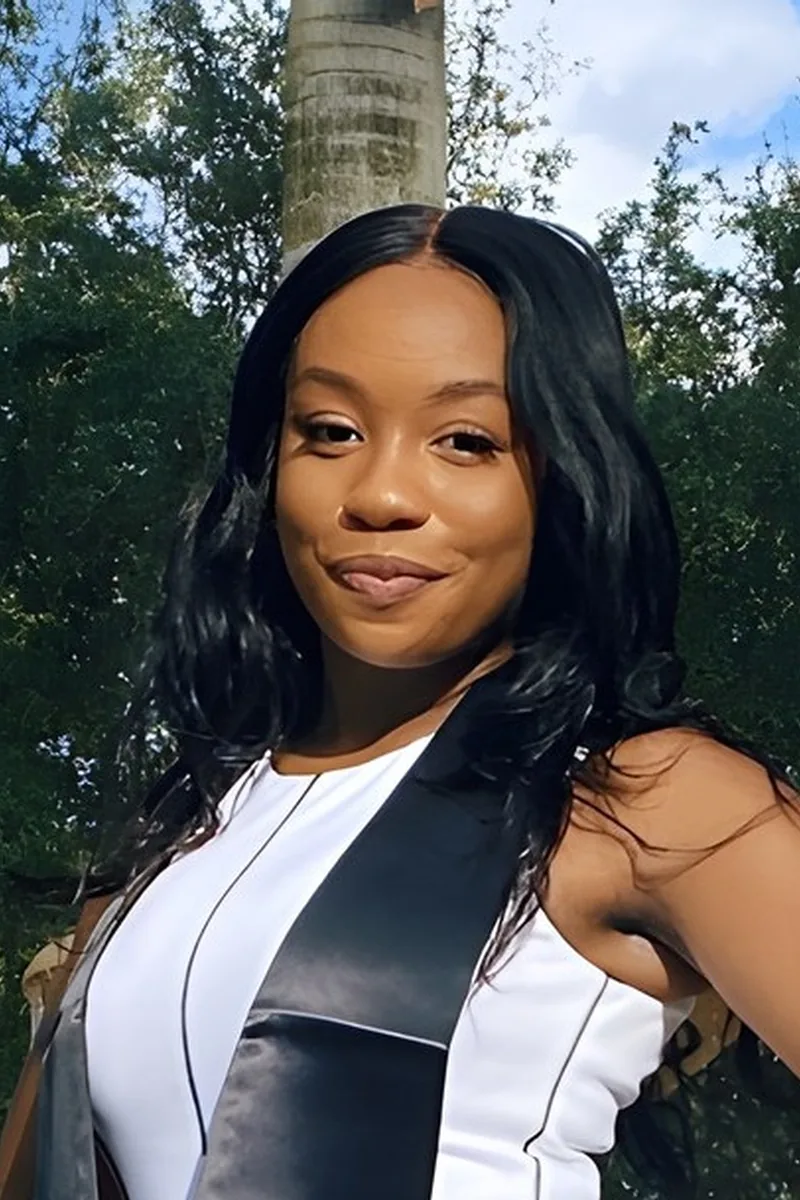
Northwestern's neuroscience program required Amira to internalize biochemistry from the pre-med side — amino acid properties, metabolic pathway regulation, and the molecular signaling that bridges chemistry and biology. She breaks down dense topics like enzyme kinetics and oxidative metabolism by linking each mechanism back to the physiological system it serves, turning abstract reaction chains into something students can reason through rather than memorize.
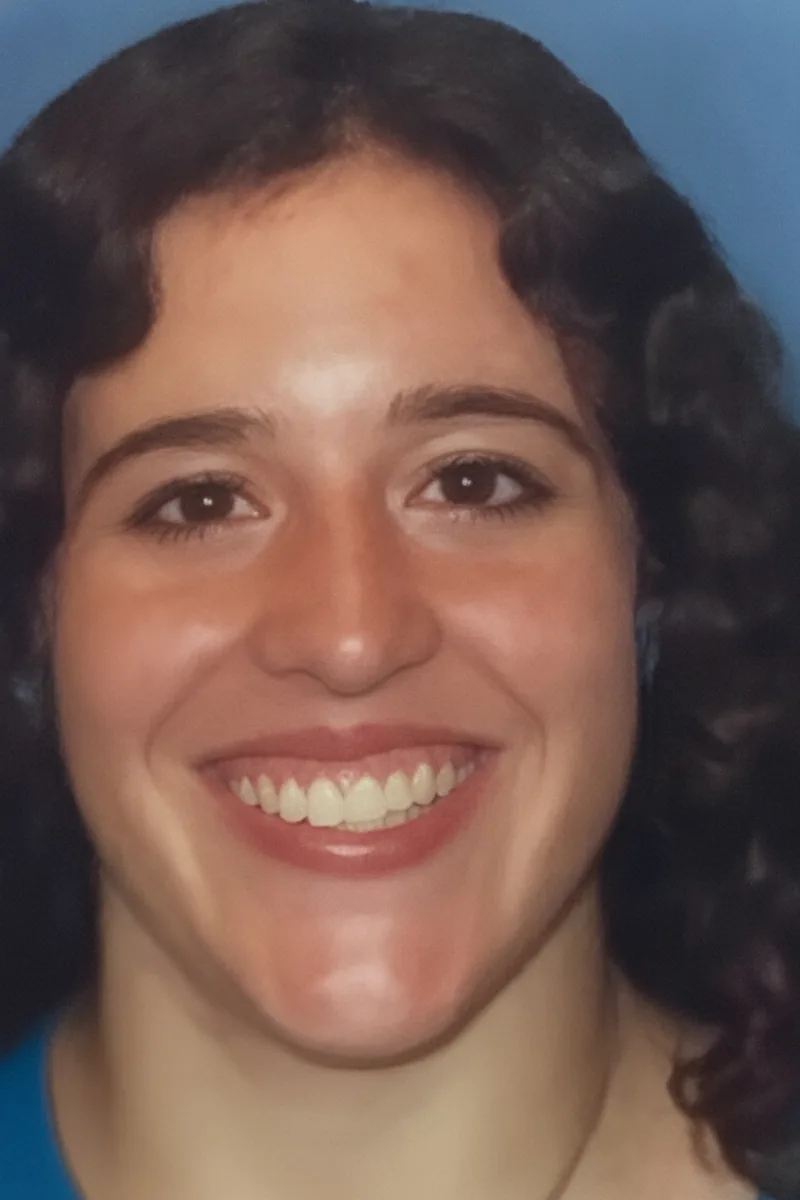
Enzyme kinetics, metabolic pathways, and amino acid chemistry all converge in biochemistry, and keeping them straight requires more than flashcards. Kaitlyn tackles these topics daily in medical school, so she teaches Michaelis-Menten plots, glycolysis intermediates, and protein structure with the kind of fluency that comes from constant use rather than distant memory.
Enzyme kinetics, metabolic pathways, protein structure — biochemistry sits at the intersection of everything Milagros studied and now practices. She earned her chemistry degree with a biology minor at Smith College and currently conducts research at MIT, giving her the kind of firsthand fluency with topics like Michaelis-Menten analysis and amino acid chemistry that turns abstract diagrams into something students can actually reason through.
Sidra's biology degree gave her a strong grounding in the molecular side of life sciences — lipid metabolism, nucleic acid structure, signal transduction — and she pairs that with enough chemistry depth to teach the reaction logic behind each process. She walks through topics like amino acid classification or membrane transport by tying each detail back to its biological role, which makes the volume of material far more manageable.
Enzyme kinetics, metabolic pathways, protein structure — biochemistry is where biology and chemistry finally collide, and it can overwhelm students who try to memorize every detail in isolation. Felix earned his bachelor's in Biochemistry and Molecular Biology before completing medical school, so he teaches these concepts as an interconnected story rather than a disconnected list. That dual perspective means he knows which molecular details matter clinically and which ones anchor an exam.
As an undergraduate teaching assistant for biochemistry at UF, Rangish spends his weeks unpacking enzyme kinetics, metabolic pathways, and protein structure for students who are seeing these topics for the first time. That TA role means he knows exactly where students get stuck — Michaelis-Menten derivations, amino acid properties, lipid metabolism — and how to make each concept click. He's rated 4.9 across his tutoring subjects.
Metabolic pathways like glycolysis, the citric acid cycle, and oxidative phosphorylation aren't just textbook diagrams for Kevin — they're material he uses daily in medical school at UCF. He unpacks enzyme regulation and molecular energetics by connecting each reaction to a physiological outcome, which makes the dense detail far easier to retain.
Enzyme kinetics, metabolic pathways, protein structure — biochemistry asks students to think across the boundary of chemistry and biology simultaneously. Harrison's lab research in nanotechnology required exactly that kind of cross-disciplinary fluency, and he teaches each pathway and mechanism by anchoring it in the underlying chemical logic rather than expecting brute-force memorization.
Enzyme kinetics, metabolic pathways, amino acid structures — biochemistry sits at the intersection of biology and chemistry, and students who treat it as pure memorization tend to hit a wall fast. Alec earned his degree through a pre-med track with a chemistry minor at the University of Miami, so he unpacks mechanisms like glycolysis and the citric acid cycle by connecting each reaction's purpose to the larger energy story of the cell.
Enzyme kinetics, metabolic pathways, and protein structure are where chemistry and biology collide, and biochemistry exams test whether students truly understand that intersection. Michelle walks through reaction mechanisms and thermodynamic principles using specific pathways — glycolysis, the citric acid cycle, amino acid metabolism — so the logic behind each step is clear, not just the names.
Amino acid structures, metabolic pathways, enzyme mechanisms — biochemistry demands both memorization and deep conceptual understanding of why molecules behave the way they do. Susie is actively studying this material for the MCAT's biological and chemical foundations sections, which means she knows exactly which details matter most and which mnemonics actually stick.
Nicholas's PhD work in genetics means he's spent years tracing how gene expression translates into protein function — the kind of molecular-level thinking that makes topics like enzyme catalysis and metabolic pathway regulation click. His chemistry minor and ecology training add breadth, so he can teach the thermodynamic logic behind biosynthetic reactions while connecting them to the larger biological systems they support. Rated 4.8 by students.
I am passionate about tutoring because I have been in your shoes before. I understand commonly confused topics and can help guide you through the right strategy to excel in your subjects. I have extensive experience working with individuals aged 6 through 40. I received my education from the University of Florida in Gainesville, FL. I double majored in nutritional sciences and microbiology and received my BS. I received my medical degree MD from the University of Florida as well. I am currently a pathology resident and would be happy to guide you on the path of medicine if you have questions. I tutor practically every science and math topic, from chemistry, biology, and biochemistry, to algebra, geometry, and calculus. I also love teaching test prep such as SAT, GRE, and MCAT. I believe the best way to tutor is to guide with effective questions and relevant explanations. You are going to be taking the test or exam by yourself on test day, and I will make sure you have the tools and the mindset to excel.
Recent MCAT preparation gave Eric a sharp, up-to-date command of the biochemistry topics that trip students up most: enzyme kinetics, metabolic pathway regulation, and the interplay between protein structure and function. His graduate work in chemistry provides the molecular-level intuition that makes memorizing pathways feel less like brute force and more like following a logical story.
Enzyme kinetics, metabolic pathways, protein folding — Connor digs into biochemistry with the depth his biomedical sciences master's from Loyola Chicago demanded. He connects molecular-level details to physiological outcomes, so a student learning about Michaelis-Menten kinetics also understands what it means when a drug is a competitive inhibitor in a clinical context.
Medical school required Thomas to internalize biochemistry at a level most undergrads never reach — enzyme kinetics, metabolic regulation, amino acid chemistry, and the signaling cascades that tie them together. He breaks down dense pathways like glycolysis and the citric acid cycle into logical sequences so students can reason through problems instead of relying on rote memorization. Rated 5.0 by students.
Preparing for medical school at UT Houston while finishing a chemistry degree at Rice means Asad has been living in biochemistry from both sides — the rigorous organic and physical chemistry foundations and the biological systems they plug into. He's especially sharp on the MCAT-relevant intersections, like how enzyme mechanisms tie back to organic reaction logic or how metabolic pathway regulation connects to thermodynamic principles. Rated 4.7 by students.
This is Gabriel's home turf. His Bachelor of Science in Biochemistry from Texas A&M means he spent years immersed in enzyme kinetics, metabolic pathways, protein structure, and molecular interactions — and he can explain the difference between competitive and noncompetitive inhibition as clearly as he can walk through the citric acid cycle. Students get someone who genuinely enjoys the subject and knows where the exam traps hide.
Enzyme kinetics, metabolic pathways, protein structure — biochemistry asks students to think across chemistry and biology simultaneously, which is exactly what Saniya's neuroscience and chemistry training prepared her for. She unpacks complex topics like Michaelis-Menten kinetics or amino acid properties by linking molecular behavior to biological function, making dense material more intuitive. Her continued coursework in physiology and histology keeps these connections sharp.
Enzyme kinetics, metabolic pathways, amino acid chemistry — biochemistry asks students to think like both a biologist and a chemist simultaneously. Ivan's background spanning cognitive science and the biological sciences, plus his MCAT teaching experience, means he can unpack reaction mechanisms and protein structure in ways that connect molecular detail to bigger physiological stories.
Genome editing at Rice and computational neuroscience at Hopkins meant Emmanuel had to internalize biochemistry at the molecular level — from CRISPR-associated enzyme mechanisms to the metabolic pathways fueling neural tissue. That hands-on lab fluency lets him teach topics like protein structure and nucleotide chemistry by grounding each concept in the experimental context where it actually matters. Holds a 5.0 rating.
A chemistry degree from Rhodes College plus hands-on clinical internships — including work at Methodist Transplant Institute — means Eric has encountered biochemistry from both the bench and the bedside. He tackles topics like amino acid structure and metabolic regulation by walking through the underlying organic chemistry step by step, so reaction pathways read as logical progressions rather than disconnected diagrams.
Studying biochemistry at Penn as part of a pre-health track, Shayan lives in the world of enzyme kinetics, metabolic pathways, and protein structure daily. He breaks down dense topics like the citric acid cycle or amino acid chemistry using visual analogies and step-by-step logic that make the connections between reactions stick long after the session ends.
Enzyme kinetics, metabolic pathways, and protein structure sit right at the intersection of Aimee's two degrees — chemical engineering and biosystems engineering. She unpacks topics like Michaelis-Menten kinetics and amino acid chemistry by tying them to the biomedical research context she works in at Georgia Tech, making dense material feel purposeful.
Managing an immunology lab means Matthew doesn't just teach enzyme kinetics, protein structure, or metabolic pathways from a textbook — he uses them daily in his breast cancer research at Columbia. He walks through topics like signal transduction, amino acid chemistry, and lipid metabolism with the kind of specificity that turns confusing diagrams into logical sequences students can actually reason through.
Testimonials
Because the right Biochemistry tutor makes all the difference.
Average Session Rating – Based on 3.4M Learner Ratings
Practice Biochemistry
Free practice tests, flashcards, and AI tutoring for Biochemistry
Nearby Biochemistry Tutors
Other Tampa Tutors
Related Science Tutors in Tampa
Frequently Asked Questions
Biochemistry tutors help students master key topics including enzyme kinetics and catalysis, protein structure and function, metabolic pathways (glycolysis, citric acid cycle, oxidative phosphorylation), nucleic acid chemistry, and cellular signaling. Tutors also work with students on connecting these concepts to real-world applications—like how enzyme inhibitors work in pharmaceutical development or how metabolic disorders affect human health. This bridges the gap between memorizing structures and truly understanding how biochemical processes work at the molecular level.
Yes. Tutors help students develop strong experimental design skills, understand the scientific method as it applies to biochemistry research, and interpret lab results accurately. Whether you're learning protein purification techniques, conducting enzyme assays, or analyzing chromatography data, tutors can explain the theory behind each procedure and help you understand what your results mean. This preparation strengthens both your lab performance and your ability to think like a scientist—critical skills for success in biochemistry courses and beyond.
Rather than rote memorization, expert tutors help you understand the 'why' behind biochemical structures and their functions. For example, instead of just memorizing an amino acid structure, you'll learn how its R-group properties determine its role in protein folding and function. Tutors use visualization techniques, molecular models, and real-world examples to help concepts stick. This approach not only makes biochemistry more meaningful—it also makes it easier to retain and apply knowledge on exams and in future coursework.
Biochemical equations can feel overwhelming, but tutors break them down systematically. They teach you to identify what's happening at each step—electron transfers, bond formations, energy changes—rather than just balancing numbers. Tutors work through metabolic pathways with you, showing how ATP production is calculated in cellular respiration or how redox reactions drive energy storage. With guided practice and targeted feedback, you'll develop confidence in both balancing equations and understanding the chemistry driving biochemical reactions.
Visualization is key to biochemistry mastery, and tutors use multiple strategies to help. They explain molecular geometry and bonding using 3D models, diagrams, and interactive tools. For complex concepts like enzyme-substrate binding or protein conformational changes, tutors use analogies and step-by-step visual explanations to make them concrete. Building this mental imagery helps you predict how molecules behave, understand reaction mechanisms, and solve problems that require spatial reasoning—all essential skills for biochemistry success.
Varsity Tutors connects you with expert biochemistry tutors who understand the specific curriculum and challenges Tampa-area students face. When you get matched with a tutor, you can review their background, subject expertise, and teaching approach to ensure a great fit. With an average student-teacher ratio of 16.6:1 in Hillsborough County schools, personalized 1-on-1 biochemistry instruction provides the focused attention many students need to move from confusion to confidence in this challenging subject.
Not at all. Biochemistry difficulty is common, and tutors specialize in helping students recover lost ground. Whether you're behind due to conceptual gaps, weak foundational chemistry skills, or simply feeling overwhelmed, tutors can identify exactly where things went wrong and rebuild your understanding strategically. Many students experience significant improvement once they work with someone who can explain concepts in a way that clicks for them personally. Personalized 1-on-1 instruction allows tutors to address your specific struggles and learning style, making catch-up possible even in a challenging subject like biochemistry.
Let’s find your perfect tutor
Answer a few quick questions. We’ll recommend the right plan and match you with a top 5% tutor.