Award-Winning Biochemistry Tutors
serving Cape Coral, FL
Biochemistry
Tutors in Cape Coral
Private 1-on-1 tutoring, weekly live classes for academic support, test prep & enrichment, practice tests and diagnostics, and more to elevate grades and test scores.
Based on 3.4M Learner Ratings
UniversitiesSchools & Universities
DeliveredHours Delivered
ProficiencyGrowth in Proficiency
Who needs tutoring?
No obligation. Takes ~1 minute.
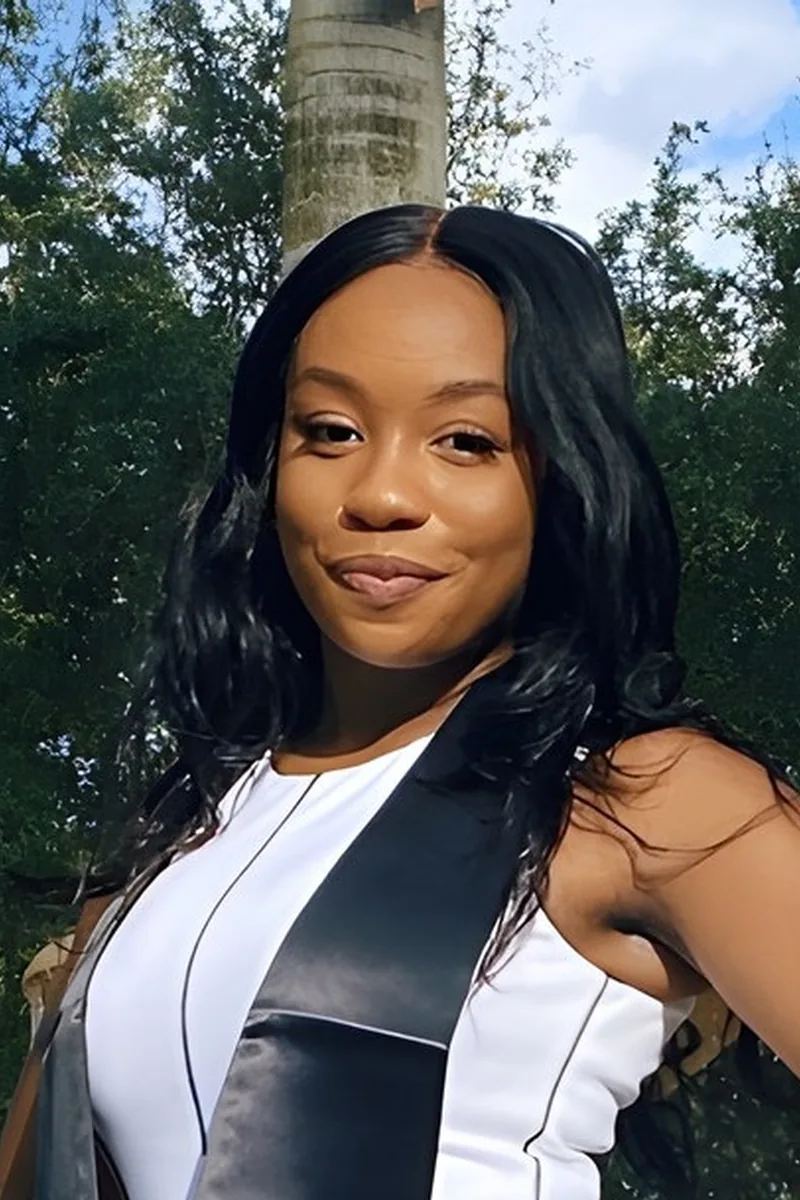
Northwestern's neuroscience program required Amira to internalize biochemistry from the pre-med side — amino acid properties, metabolic pathway regulation, and the molecular signaling that bridges chemistry and biology. She breaks down dense topics like enzyme kinetics and oxidative metabolism by linking each mechanism back to the physiological system it serves, turning abstract reaction chains into something students can reason through rather than memorize.
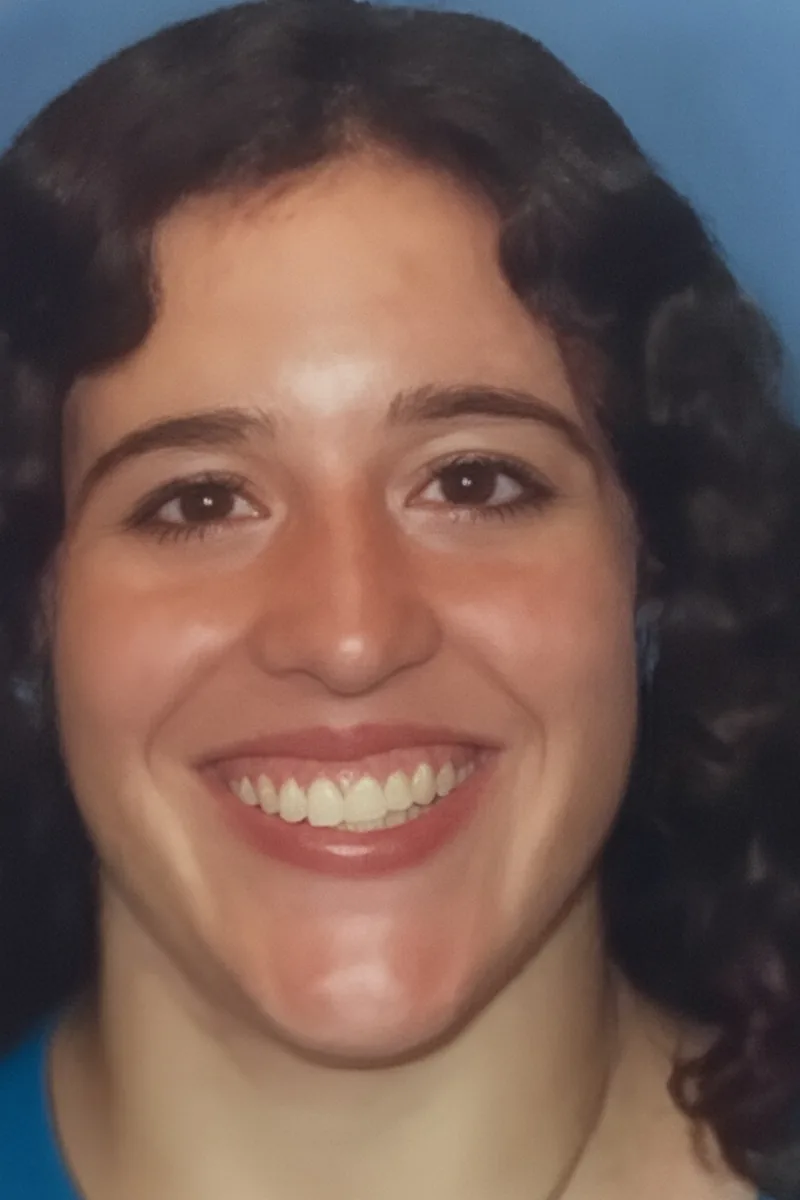
Enzyme kinetics, metabolic pathways, and amino acid chemistry all converge in biochemistry, and keeping them straight requires more than flashcards. Kaitlyn tackles these topics daily in medical school, so she teaches Michaelis-Menten plots, glycolysis intermediates, and protein structure with the kind of fluency that comes from constant use rather than distant memory.
Enzyme kinetics, metabolic pathways, protein structure — biochemistry is where biology and chemistry finally collide, and it can overwhelm students who try to memorize every detail in isolation. Felix earned his bachelor's in Biochemistry and Molecular Biology before completing medical school, so he teaches these concepts as an interconnected story rather than a disconnected list. That dual perspective means he knows which molecular details matter clinically and which ones anchor an exam.
Enzyme kinetics, metabolic pathways, protein structure — biochemistry sits at the intersection of everything Milagros studied and now practices. She earned her chemistry degree with a biology minor at Smith College and currently conducts research at MIT, giving her the kind of firsthand fluency with topics like Michaelis-Menten analysis and amino acid chemistry that turns abstract diagrams into something students can actually reason through.
Sidra's biology degree gave her a strong grounding in the molecular side of life sciences — lipid metabolism, nucleic acid structure, signal transduction — and she pairs that with enough chemistry depth to teach the reaction logic behind each process. She walks through topics like amino acid classification or membrane transport by tying each detail back to its biological role, which makes the volume of material far more manageable.
Metabolic pathways like glycolysis, the citric acid cycle, and oxidative phosphorylation aren't just textbook diagrams for Kevin — they're material he uses daily in medical school at UCF. He unpacks enzyme regulation and molecular energetics by connecting each reaction to a physiological outcome, which makes the dense detail far easier to retain.
As an undergraduate teaching assistant for biochemistry at UF, Rangish spends his weeks unpacking enzyme kinetics, metabolic pathways, and protein structure for students who are seeing these topics for the first time. That TA role means he knows exactly where students get stuck — Michaelis-Menten derivations, amino acid properties, lipid metabolism — and how to make each concept click. He's rated 4.9 across his tutoring subjects.
Enzyme kinetics, metabolic pathways, and protein structure are where chemistry and biology collide, and biochemistry exams test whether students truly understand that intersection. Michelle walks through reaction mechanisms and thermodynamic principles using specific pathways — glycolysis, the citric acid cycle, amino acid metabolism — so the logic behind each step is clear, not just the names.
Enzyme kinetics, metabolic pathways, protein structure — biochemistry asks students to think across the boundary of chemistry and biology simultaneously. Harrison's lab research in nanotechnology required exactly that kind of cross-disciplinary fluency, and he teaches each pathway and mechanism by anchoring it in the underlying chemical logic rather than expecting brute-force memorization.
Enzyme kinetics, metabolic pathways, amino acid structures — biochemistry sits at the intersection of biology and chemistry, and students who treat it as pure memorization tend to hit a wall fast. Alec earned his degree through a pre-med track with a chemistry minor at the University of Miami, so he unpacks mechanisms like glycolysis and the citric acid cycle by connecting each reaction's purpose to the larger energy story of the cell.
Amino acid structures, metabolic pathways, enzyme mechanisms — biochemistry demands both memorization and deep conceptual understanding of why molecules behave the way they do. Susie is actively studying this material for the MCAT's biological and chemical foundations sections, which means she knows exactly which details matter most and which mnemonics actually stick.
Nicholas's PhD work in genetics means he's spent years tracing how gene expression translates into protein function — the kind of molecular-level thinking that makes topics like enzyme catalysis and metabolic pathway regulation click. His chemistry minor and ecology training add breadth, so he can teach the thermodynamic logic behind biosynthetic reactions while connecting them to the larger biological systems they support. Rated 4.8 by students.
I am passionate about tutoring because I have been in your shoes before. I understand commonly confused topics and can help guide you through the right strategy to excel in your subjects. I have extensive experience working with individuals aged 6 through 40. I received my education from the University of Florida in Gainesville, FL. I double majored in nutritional sciences and microbiology and received my BS. I received my medical degree MD from the University of Florida as well. I am currently an attending pathologist and would be happy to guide you on the path of medicine if you have questions. I tutor practically every science and math topic, from chemistry, biology, and biochemistry, to algebra, geometry, and calculus. I also love teaching test prep such as SAT, GRE, and the MCAT. I believe the best way to tutor is to guide with effective questions and relevant explanations. You are going to be taking the test or exam on test day, and I will make sure you have all the tools needed!
Having served as an undergraduate teaching assistant for introductory biochemistry at Cornell, Josef knows exactly which concepts — cofactor roles, enzyme regulation, the interplay between metabolic pathways — trip students up for the first time. He teaches by showing how biochemistry synthesizes organic chemistry, cell biology, and thermodynamics into a single coherent story, so each pathway feels like a logical extension rather than a separate thing to memorize. Rated 5.0 by students.
Dental students live in biochemistry — enzyme kinetics, metabolic pathways, amino acid structures — and Josh is right in the middle of that curriculum at Penn. He unpacks topics like glycolysis and protein folding by tying each reaction to a biological consequence, which turns a wall of chemical structures into a story that's far easier to retain.
Studying biochemistry at Penn as part of a pre-health track, Shayan lives in the world of enzyme kinetics, metabolic pathways, and protein structure daily. He breaks down dense topics like the citric acid cycle or amino acid chemistry using visual analogies and step-by-step logic that make the connections between reactions stick long after the session ends.
Enzyme kinetics, metabolic pathways, protein structure, nucleic acid chemistry — biochemistry demands that students hold molecular detail and big-picture logic in their heads simultaneously. Sugi graduated summa cum laude with a biochemistry degree from Rice and now applies that knowledge daily in medical school at Baylor. She teaches each pathway as a narrative with clear inputs, outputs, and regulatory checkpoints rather than a list to memorize.
Managing an immunology lab means Matthew doesn't just teach enzyme kinetics, protein structure, or metabolic pathways from a textbook — he uses them daily in his breast cancer research at Columbia. He walks through topics like signal transduction, amino acid chemistry, and lipid metabolism with the kind of specificity that turns confusing diagrams into logical sequences students can actually reason through.
Matt's graduate work in human nutrition required him to trace every major metabolic pathway from the molecular level up — how macronutrients get broken down, shuttled through the citric acid cycle, and ultimately converted to usable energy. That nutritional biochemistry lens means he teaches topics like lipid metabolism and amino acid catabolism with a constant eye on physiological context, making reaction sequences feel purposeful rather than arbitrary. Holds a 5.0 rating.
Physical chemistry PhD work at UC Berkeley means Jacob spent years quantifying the thermodynamic and kinetic principles that govern every biochemical process — from enzyme catalysis rates to the free energy changes driving metabolic pathways forward. He teaches biochemistry by unpacking the physical chemistry underneath it, so concepts like Michaelis-Menten kinetics or the energetics of oxidative phosphorylation feel like derivable logic rather than formulas to memorize. Rated 4.9 by students.
Teaching organic chemistry recitation at the University of Kentucky while simultaneously navigating medical school gives Jason an unusually current grasp of biochemistry — he's actively working through the same metabolic regulation, amino acid structures, and enzyme mechanisms his students encounter. His biology degree and MCAT preparation anchor the molecular details, while his med school training shows him how those details play out in living systems. Rated 5.0 by students.
Having worked in biochemical laboratories alongside his dual bachelor's degrees — including one in biochemistry — and his architecture studies at Columbia, Andrew brings a rare structural intuition to topics like protein folding and macromolecular assembly. He teaches metabolic pathways by building them up from their organic chemistry foundations, so students see each reaction as a logical next step rather than an isolated arrow on a diagram. Rated 4.9 by students.
Medical school with a focus on infectious diseases means Grant thinks about biochemistry in terms of host-pathogen interactions — how bacteria hijack metabolic machinery, why certain enzyme targets make effective drug sites, and what happens to energy metabolism during sepsis. His biochemistry degree and MD training let him teach topics like amino acid pathways and enzyme inhibition by connecting each mechanism to the microbiology that brings it to life.
Studying cognitive science on a pre-med track at Rice means Natalie lives in the overlap between biology and chemistry every semester — enzyme kinetics, metabolic pathways, and protein structure are part of her daily coursework. She unpacks biochemistry by anchoring molecular details to the bigger biological question they answer, which makes dense material like the citric acid cycle far more digestible.
Amino acid structures, enzyme kinetics, metabolic pathways — biochemistry demands that students hold molecular details and big-picture logic in their heads at the same time. Paul's biology honors work at Brown required exactly this kind of thinking, and he walks students through reaction mechanisms and pathway regulation with a clarity that makes the material stick.
Testimonials
Because the right Biochemistry tutor makes all the difference.
Average Session Rating – Based on 3.4M Learner Ratings
Practice Biochemistry
Free practice tests, flashcards, and AI tutoring for Biochemistry
Nearby Biochemistry Tutors
Other Cape Coral Tutors
Related Science Tutors in Cape Coral
Frequently Asked Questions
Biochemistry combines abstract molecular concepts with complex problem-solving, making it challenging for many students. The biggest hurdles are visualizing how molecules interact at the atomic level, mastering metabolic pathways like glycolysis and the citric acid cycle, and understanding enzyme kinetics and regulation. Many students also struggle with the math involved—balancing equations, unit conversions, and calculating reaction rates—while simultaneously grasping the biological significance behind these processes.
Personalized 1-on-1 instruction allows tutors to break down complex pathways and mechanisms at your pace, using visual models and real-world examples to make abstract concepts concrete. A tutor can identify whether you're struggling with the chemistry fundamentals, the biological context, or the problem-solving approach—and adjust accordingly. They can also help you develop effective study strategies for retaining metabolic pathways and practicing the types of problems that appear on exams.
Your first session is about understanding where you are and where you need to go. The tutor will likely review your current coursework, discuss specific topics causing confusion, and assess whether your challenges are conceptual or technical. You'll leave with a clearer sense of your strengths and a personalized plan for tackling the material—whether that's mastering protein structure, enzyme function, or metabolic calculations.
Yes. Tutors can help you understand the theory behind lab experiments before you conduct them, explain what you're observing during procedures, and help you interpret results afterward. They can also guide you through lab report writing, help you connect experimental observations to biochemical principles, and prepare you for practical exams that test your lab skills and scientific reasoning.
Not at all—and that's a common misconception that leads to poor performance. While you do need to know key pathways and structures, success in Biochemistry comes from understanding *why* reactions occur, *how* enzymes regulate pathways, and *what* happens when processes go wrong. Tutors help you move beyond memorization to develop deeper conceptual understanding, which makes the material stick longer and helps you tackle unfamiliar problems on exams.
Cape Coral has 35 schools serving nearly 26,000 students, and many offer strong science programs with Biochemistry or AP Biology courses that touch on biochemical concepts. Varsity Tutors connects you with expert tutors who understand the local curriculum and can supplement your classroom instruction with personalized support tailored to your school's specific expectations and pacing.
Tutors can help you identify high-yield topics, practice problem-solving under timed conditions, review past exams to spot patterns, and strengthen weak areas before test day. They'll also teach you strategies for tackling different question types—from mechanism questions to data interpretation—and help you manage test anxiety by building genuine confidence in your understanding of the material.
Varsity Tutors connects you with expert tutors who specialize in Biochemistry and understand the needs of students in your area. Simply tell us about your current coursework, specific challenges, and availability, and we'll match you with a tutor who fits your learning style and schedule. Your first session is an opportunity to see if it's a good fit before committing to ongoing support.
Let’s find your perfect tutor
Answer a few quick questions. We’ll recommend the right plan and match you with a top 5% tutor.