Award-Winning AP Spanish Literature and Culture Tutors
serving Peoria, IL
AP Spanish Literature and Culture
Tutors in Peoria
Private 1-on-1 tutoring, weekly live classes for academic support, test prep & enrichment, practice tests and diagnostics, and more to elevate grades and test scores.
Based on 3.4M Learner Ratings
UniversitiesSchools & Universities
DeliveredHours Delivered
ProficiencyGrowth in Proficiency
Who needs tutoring?
No obligation. Takes ~1 minute.
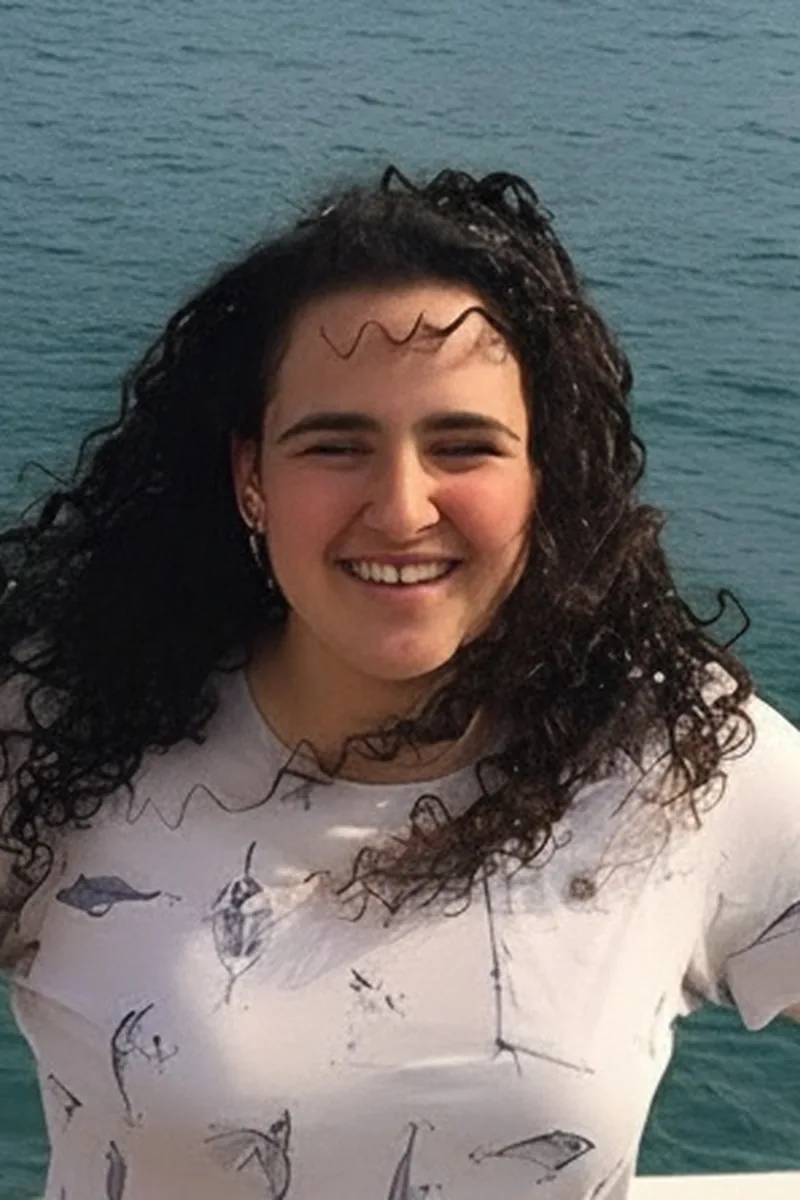
Iris's University of Chicago training in History and Philosophy of Science taught her to trace how ideas move across cultures and time periods — a skill that translates directly to the AP exam's thematic units, where students must connect a Borges story or a Sor Juana poem to broader cultural movements like "las sociedades en contacto" or "el tiempo y el espacio." Her anthropology background adds a layer most Spanish lit tutors lack: she reads texts for the cultural systems embedded in them, which strengthens the kind of contextualized argumentation the free-response essays demand.
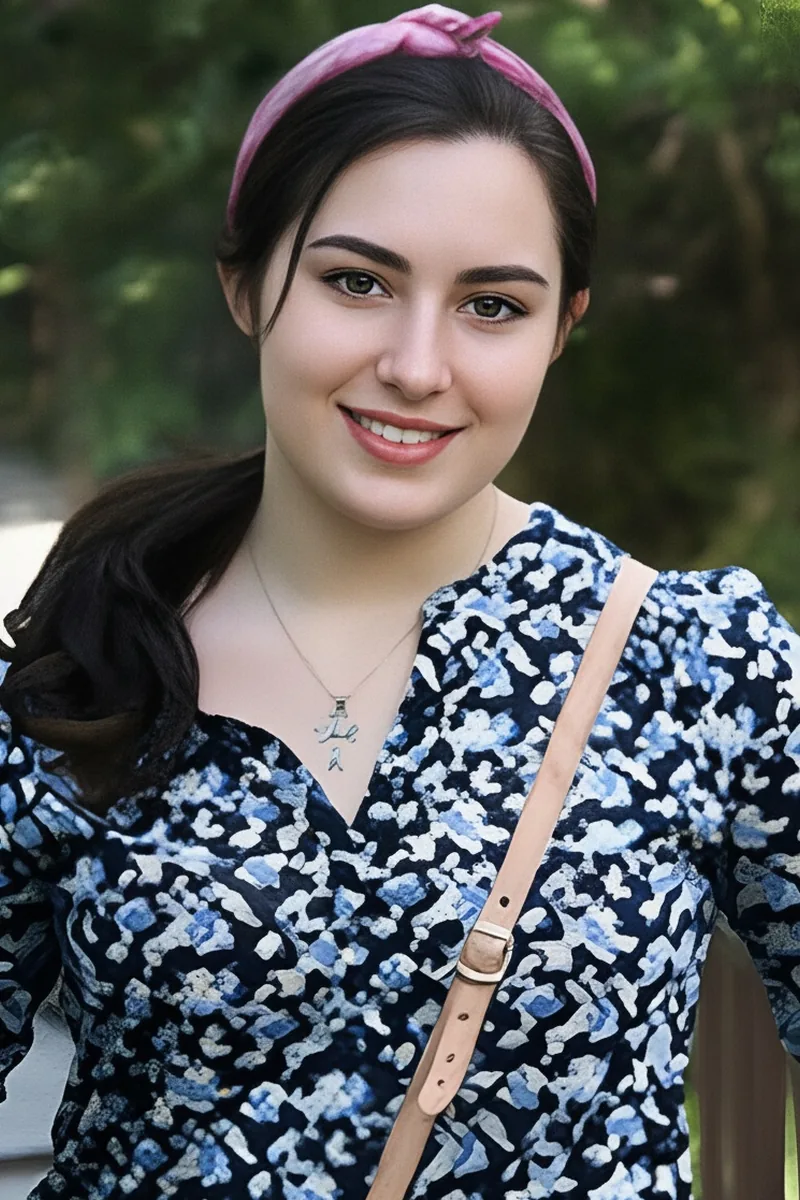
Studying four languages — including Armenian, which she's currently acquiring — gives Araxie a firsthand understanding of how grammar, idiom, and cultural context interact in ways that matter for close reading of AP reading list texts in Spanish. Her Linguistics major at the University of Chicago sharpens that instinct: she can teach students to notice how a poet's syntax or verb mood carries meaning, then build that observation into a structured analytical essay entirely in Spanish.
A PhD in Spanish & Portuguese means Casey has spent years inside the texts that define this exam — from medieval romances and Sor Juana's baroque poetry to García Márquez's magical realism and Borges's labyrinths. She teaches students to build the kind of close-reading arguments in Spanish that earn top scores on the literary analysis free-response questions. Rated 5.0 by students.
Pre-health biology majors with Hispanic Studies minors don't always land on this page — but Jaina's coursework in Spanish literature and culture, combined with the analytical rigor of her science training, gives her a structured approach to breaking down texts on the AP reading list and building essay arguments in Spanish. She's strongest as a fit for students who need help organizing their ideas under timed conditions, applying the same methodical thinking she uses in lab work to thesis construction and textual evidence. Rated 5.0 by students.
Analytical chemistry and Spanish literature sound worlds apart, but Hannahlore's 35 ACT and 5.0 rating reflect the same precise, evidence-driven thinking that timed AP literary essays demand — identifying a pattern in a text and building a structured argument around it, much like interpreting data in a lab. For students who already have strong Spanish language skills and need coaching on the mechanics of constructing a thesis, selecting textual evidence, and writing a coherent analytical essay under time pressure, her systematic approach translates effectively to the free-response format.
Robert's psychology degree gives him a specific angle on AP reading list texts — he's trained to analyze motivation, identity, and emotional conflict, which surface constantly in works by authors like Borges, Quiroga, and Burgos. His Spanish coursework across multiple levels (through AP) means he can conduct that analysis in Spanish, and his 4.9 rating suggests the approach clicks for students tackling timed interpretive essays.
Between his CLEP Spanish preparation, SAT Spanish with Listening work, and a Political Science degree that demands close reading of argumentative texts, Manuel has built the exact skill set AP Spanish Literature rewards: analyzing how authors construct meaning and defending an interpretation under timed conditions. He teaches students to treat essay prompts as arguments to win — identifying a thesis in the text's formal and thematic choices, then marshaling evidence efficiently in Spanish. Rated 5.0 by students.
Reading García Márquez or Sor Juana Inés de la Cruz in the original Spanish demands more than translation — it requires understanding the cultural and historical contexts that shaped each work. Caio pairs deep Spanish fluency with his Rice sociology and history training, so he can unpack literary movements like el Boom or colonial-era poetry in terms of the social forces behind them. Rated 5.0 by students.
Elliot's training is in neuroscience and cognitive science, not Spanish literature — so this is a peripheral subject for him. That said, his PhD-level analytical skills and experience teaching writing and essay construction mean he can coach students on the structural mechanics of timed literary essays: building a thesis, organizing textual evidence, and arguing a point clearly under pressure.
Learning Spanish from scratch starting in second grade and continuing through a medical Spanish interpreting internship at Rice, Sanjay knows exactly where non-native speakers stumble when reading dense literary texts — the archaic syntax in a Cervantes passage or the layered metaphor in a Darío poem. That outsider-turned-fluent trajectory gives him a toolbox of strategies for breaking down AP reading list works into manageable pieces, especially for students who feel intimidated writing timed analytical essays entirely in Spanish. His biochemistry and molecular biology degree from Rice also means he's no stranger to rigorous close reading across disciplines.
AP Spanish Literature and Culture asks students to analyze works from Cervantes to García Márquez in the target language — a challenge that demands both literary skill and genuine fluency. Philip is a fluent Spanish speaker who has also tutored the language at Carnegie Mellon for over a year, so he can unpack themes like "las sociedades en contacto" and rhetorical devices without defaulting to English. He teaches students to write analytical commentary in Spanish that earns top marks on the free-response sections.
A cellular and molecular biology major might seem like an unlikely fit for this exam, but Isaac's 35 ACT and his coursework in AP Spanish give him the analytical reading skills and structured argumentation that the free-response essays demand — thesis construction, evidence selection, and writing under time pressure. For students who already have strong Spanish fluency and need someone to sharpen the mechanics of timed literary analysis, his science-trained precision translates surprisingly well.
Fully fluent in Spanish and studying at the University of Chicago, Emerson brings genuine literary analysis skills to AP Spanish Literature and Culture — from unpacking the magical realism in García Márquez to dissecting the poetry of Sor Juana Inés de la Cruz. He teaches students to write the kind of analytical essays the AP exam rewards, connecting themes across literary periods in clear, well-structured Spanish prose.
Growing up schooled in Mexico means Alfonso didn't just learn Spanish — he absorbed the literary and cultural traditions that underpin the AP reading list, from colonial-era texts to modern Latin American prose. His years of formal Spanish-language education give him native-level reading and writing fluency that sharpens how he teaches students to construct analytical essays entirely in Spanish, grounding arguments in the cultural contexts he experienced firsthand.
Studying psychology alongside Spanish through AP-level coursework gives Marissa a particular angle on the reading list's most character-driven texts — she's sharp at teaching students how to articulate a character's internal conflict or a poet's emotional logic in timed analytical essays written entirely in Spanish. Her 35 ACT reflects the kind of disciplined, evidence-based reasoning she brings to constructing thesis statements and weaving in textual support under exam pressure.
Literary analysis is literary analysis whether it's in English or Spanish — and Stephen's English degree trained him to dissect how authors use structure, tone, and figurative language to build meaning, skills that transfer directly to unpacking AP reading list texts like Borges or Cervantes. His coursework across four levels of Spanish plus AP Spanish Literature and Culture means he can conduct that analysis in the target language, connecting his close-reading instincts to the essay construction the exam demands.
Courtney earned her Master's in Hispanic and Latin American Languages alongside a BA in Spanish and Iberian Studies — meaning the literary periods, genres, and cultural movements on the AP reading list aren't exam prep material for her, they're the core of her academic training. She teaches students to build analytical essays in Spanish that connect a text's formal choices to the broader tradition it belongs to, whether that's tracing magical realism's roots in a passage or identifying how a Golden Age sonnet's structure reinforces its argument.
Before college, Heather's high school Spanish teacher trusted her enough to refer another student to her for one-on-one tutoring — the kind of endorsement that speaks to genuine command of the language beyond classroom basics. Her psychology training adds a useful angle for AP Literature essays where character motivation and identity themes drive the analysis, and she brings patient, structured coaching to students who get overwhelmed by timed writing in Spanish. Rated 5.0 by students.
Testimonials
Because the right AP Spanish Literature and Culture tutor makes all the difference.
Average Session Rating – Based on 3.4M Learner Ratings
Nearby AP Spanish Literature and Culture Tutors
Other Peoria Tutors
Related Languages Tutors in Peoria
Frequently Asked Questions
Varsity Tutors matches Peoria students with expert AP Spanish Literature and Culture tutors for 1-on-1 instruction. We pair each student with a tutor based on their specific needs, learning style, and goals.
Whether you need homework help, exam prep, or want to get ahead, our AP Spanish Literature and Culture tutors are ready to help.
Common challenges include gaps from earlier material, difficulty with specific concepts, and trouble applying learning to new problems. These issues can snowball quickly in AP Spanish Literature and Culture.
A tutor identifies where you're stuck, fills in gaps, and provides targeted practice. The 1-on-1 format means you get help exactly where you need it.
Tutors work with your student's actual coursework—homework assignments, class notes, and upcoming tests. This keeps tutoring directly relevant to what's happening in the classroom.
When you share information about your student's school and curriculum, we can match you with a tutor who has relevant experience.
All tutors complete background checks, credential verification, and teaching evaluation. Many of our AP Spanish Literature and Culture tutors hold advanced degrees or have years of teaching experience.
You can review tutor profiles to find someone with the right background for your student's level and needs.
Many students see improved grades within a few weeks, along with better understanding of AP Spanish Literature and Culture concepts and more confidence tackling challenging material.
Tutors track progress and adjust their approach to ensure continued improvement.
Most students benefit from 1-2 sessions per week. More frequent sessions help if your student is significantly behind or has an important exam coming up.
Your tutor can recommend a schedule based on your student's specific situation and goals.
Tutoring is purchased in packages of hours, with rates varying by tutor experience. Varsity Tutors offers several options to fit different budgets and needs.
You can discuss pricing during your consultation to find what works best.
Your tutor will assess where your student is, discuss goals, and start working on priority areas. Most students bring current homework or upcoming test material to focus on.
By the end, you'll have a clear sense of how the tutor can help and a plan for moving forward.
Let’s find your perfect tutor
Answer a few quick questions. We’ll recommend the right plan and match you with a top 5% tutor.