Award-Winning Microbiology Tutors
serving Baltimore, MD
Microbiology
Tutors in Baltimore
Private 1-on-1 tutoring, weekly live classes for academic support, test prep & enrichment, practice tests and diagnostics, and more to elevate grades and test scores.
Based on 3.4M Learner Ratings
UniversitiesSchools & Universities
DeliveredHours Delivered
ProficiencyGrowth in Proficiency
Who needs tutoring?
No obligation. Takes ~1 minute.
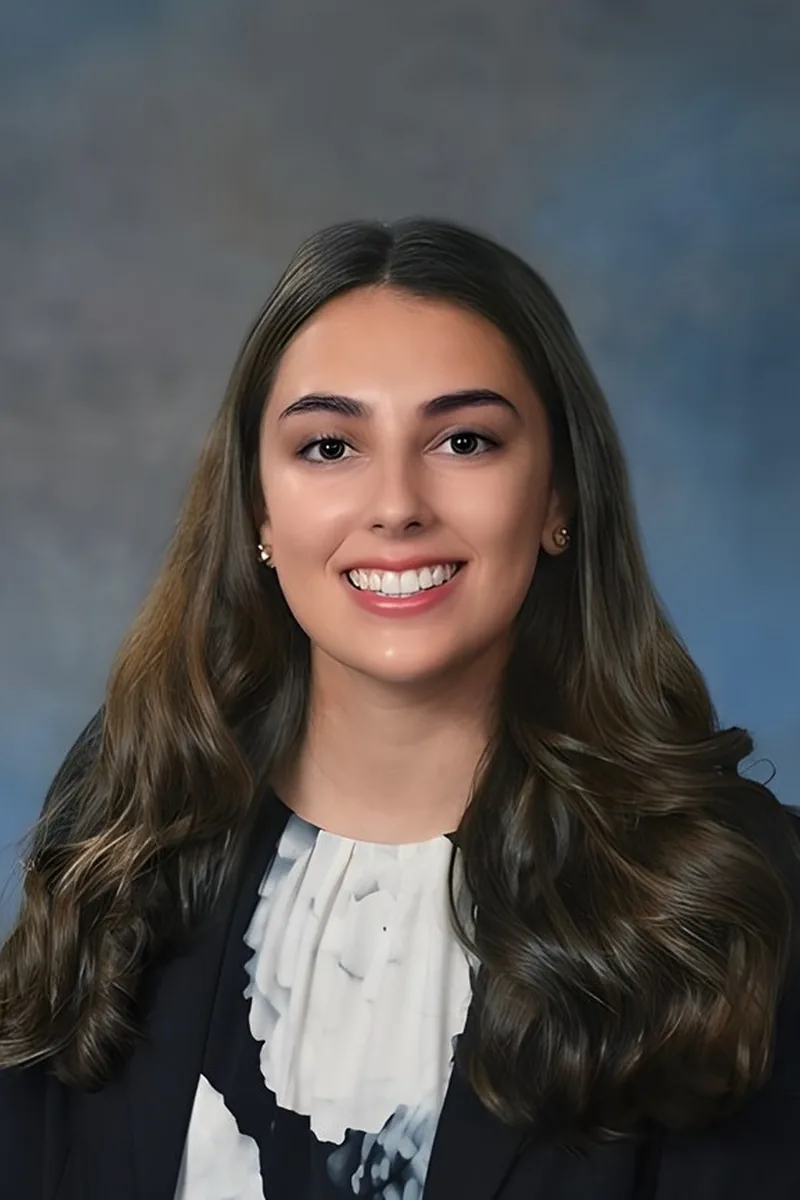
Medical school gave Amanda a front-row seat to microbiology that matters — bacterial pathogenesis, viral replication cycles, immune evasion strategies, and antimicrobial resistance. She teaches microbiology by organizing organisms around the mechanisms that make them dangerous or clinically important, which turns a subject that can feel like pure memorization into a set of logical patterns. Students preparing for exams or applying to health professions get a tutor who knows exactly how this material shows up later.
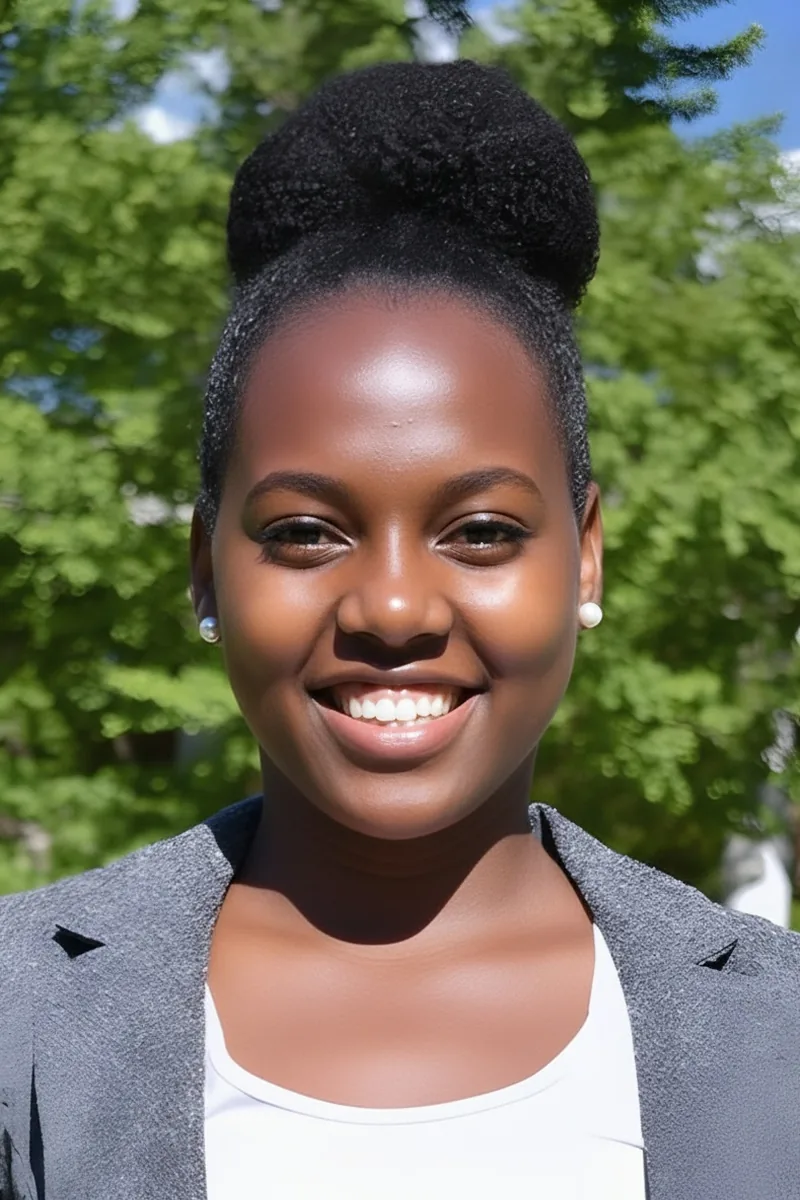
Studying chemistry at Vanderbilt gave Elsa a strong molecular-level lens for understanding microbial processes — from bacterial cell structure and metabolic pathways to mechanisms of antibiotic resistance. She approaches microbiology by connecting cellular machinery to the chemical reactions driving it, which makes topics like gram staining or viral replication cycles easier to retain.
Gram staining, metabolic pathways in prokaryotes, viral replication cycles — microbiology requires holding a lot of interconnected detail in your head at once. Amelia's chemistry and biology training gives her a molecular-level fluency that lets her unpack topics like bacterial genetics or host-pathogen interactions without oversimplifying the underlying biochemistry.
Michelle's PhD thesis centered on bacterial infections, so microbiology isn't a textbook subject for her — it's the system she lived in for years. She digs into topics like biofilm formation, antimicrobial resistance mechanisms, and host-pathogen dynamics with the kind of specificity that comes from designing experiments around those exact processes.
As a fourth-year medical student at Thomas Jefferson University, Anshel has spent years immersed in bacterial pathogenesis, antimicrobial mechanisms, and the clinical consequences of infections that microbiology courses describe in the abstract. He connects concepts like gram staining, virulence factors, and antibiotic resistance to the patient scenarios that make them memorable. That clinical lens turns dense microbiology material into something students can actually reason through on exams.
A Harvard-trained biologist with classroom teaching experience, Elizabeth digs into microbial structure, metabolism, and pathogenesis with genuine enthusiasm for the subject. She's particularly strong at connecting micro-level processes — bacterial gene regulation, viral replication cycles — to the bigger biological picture. Her science teaching background means she can unpack dense material without losing the thread.
Emily studied molecular, cellular, and developmental biology at Yale and then earned her MPH in epidemiology, giving her a dual lens on microbiology — she knows the bench science of bacterial genetics and viral replication cycles, and she understands how those organisms behave in populations. She digs into topics like gram staining, metabolic pathways, and host-pathogen interactions with the detail a college-level course demands.
Neuroscience training at the undergraduate level means Jhonatan spent significant time with the microbial world — understanding how pathogens cross the blood-brain barrier, how CNS infections progress, and how the gut microbiome communicates with neural tissue. He teaches microbial physiology and host interactions by anchoring them to these neuroimmune connections, giving students a narrative thread through what can otherwise feel like an overwhelming catalog of organisms. Rated 5.0 by students.
Monika's doctoral thesis was in microbiology, so she teaches bacterial physiology, metabolic pathways, and host-pathogen interactions from firsthand research experience. She unpacks dense topics like quorum sensing and biofilm formation by connecting them to the experimental techniques she actually used at the bench.
An environmental biology degree means Andrew spent real time studying how microbial communities shape ecosystems — from soil bacteria driving decomposition to waterborne microorganisms cycling nutrients through aquatic systems. That ecological grounding lets him teach concepts like microbial metabolism and population dynamics by connecting them to the environmental processes students can actually visualize, rather than treating them as isolated textbook definitions.
Rebecca tutored microbiology throughout her time at Cornell while completing her biological sciences degree, so she knows exactly where students get lost — distinguishing bacterial metabolic pathways, interpreting Gram stain results, or connecting virulence factors to clinical outcomes. She teaches the subject by building a logical framework around microbial structure and function, which makes memorizing hundreds of organisms far more manageable.
Medical school at Jefferson means Jamie is learning microbiology the way clinicians actually use it — identifying pathogens, understanding infection mechanisms, and connecting antimicrobial treatments to the specific vulnerabilities of each organism. That clinical lens, built on top of pre-med coursework in biology, biochemistry, and physiology, lets her trace a concept like bacterial virulence from the molecular machinery driving it all the way to the patient outcome it produces.
Testimonials
Because the right Microbiology tutor makes all the difference.
Average Session Rating – Based on 3.4M Learner Ratings
Other Baltimore Tutors
Related Science Tutors in Baltimore
Frequently Asked Questions
Tutors connect with students across all major microbiology topics, including bacterial structure and function, viral replication, microbial genetics, immunology, pathogenic mechanisms, and laboratory techniques. Whether you're working through cell culture methods, gram staining procedures, or understanding antibiotic resistance at the molecular level, personalized instruction helps you master both the concepts and the hands-on skills that make microbiology challenging.
Yes. Beyond classroom content, tutors help students develop scientific reasoning and lab competency—understanding why experiments are designed certain ways, how to interpret results, and how to troubleshoot when procedures don't go as planned. This bridges the gap between theory and practice, which is essential in microbiology where hands-on technique directly impacts your success in courses and future lab-based careers.
Microbiology requires visualizing processes happening at scales you can't see—from bacterial flagella movement to viral infection cycles. Tutors use diagrams, animations, and real-world examples to make these abstract concepts tangible, helping you build mental models that stick. This visual understanding is crucial for both exams and developing genuine scientific intuition about how microorganisms work.
Students often struggle with balancing biochemical equations, converting between different units of measurement (especially when dealing with concentrations and dilutions), and distinguishing between similar organisms or mechanisms. Many also find it difficult to move beyond memorization to truly understand how microbial processes connect to disease, immunity, and real-world applications—which is where personalized tutoring makes the biggest difference.
Your first session focuses on understanding your specific challenges—whether that's struggling with a particular unit, preparing for an exam, or building foundational concepts. Tutors assess your current understanding, identify knowledge gaps, and create a personalized plan tailored to your learning style and goals. This foundation ensures every subsequent session builds directly on what you need most.
Yes. Varsity Tutors connects students across Baltimore's school districts with expert tutors who understand the microbiology curriculum whether you're in a public school, charter, or private institution. Tutors adapt to your specific course requirements and teaching style, so you get support that matches exactly what your school expects.
Tutors help you move beyond cramming by building deep understanding of core concepts weeks before your exam. They teach you how to apply knowledge to new scenarios, practice scientific reasoning under test conditions, and identify your weak spots early. This approach—combining content mastery with test-taking strategy—leads to stronger performance on everything from unit exams to AP Biology and college-level microbiology courses.
Start by telling Varsity Tutors about your specific microbiology challenges, your course level, and your goals. You'll be matched with a tutor who has expertise in the topics you need and experience working with students at your level. From there, you can schedule sessions that fit your schedule and start building the understanding that transforms your performance.
Let’s find your perfect tutor
Answer a few quick questions. We’ll recommend the right plan and match you with a top 5% tutor.