Award-Winning AP Latin Tutors
serving Grand Rapids, MI
AP Latin
Tutors in Grand Rapids
Private 1-on-1 tutoring, weekly live classes for academic support, test prep & enrichment, practice tests and diagnostics, and more to elevate grades and test scores.
Based on 3.4M Learner Ratings
UniversitiesSchools & Universities
DeliveredHours Delivered
ProficiencyGrowth in Proficiency
Who needs tutoring?
No obligation. Takes ~1 minute.

Rebecca is a Classics major who reads Vergil and Caesar daily as part of her undergraduate coursework — the exact texts the AP Latin exam tests. That immersion, combined with her applied psychology training, means she understands both the Latin on the page and how to adjust her explanations when a student's grasp of something like indirect discourse or scansion isn't solidifying. Rated 5.0 by students.
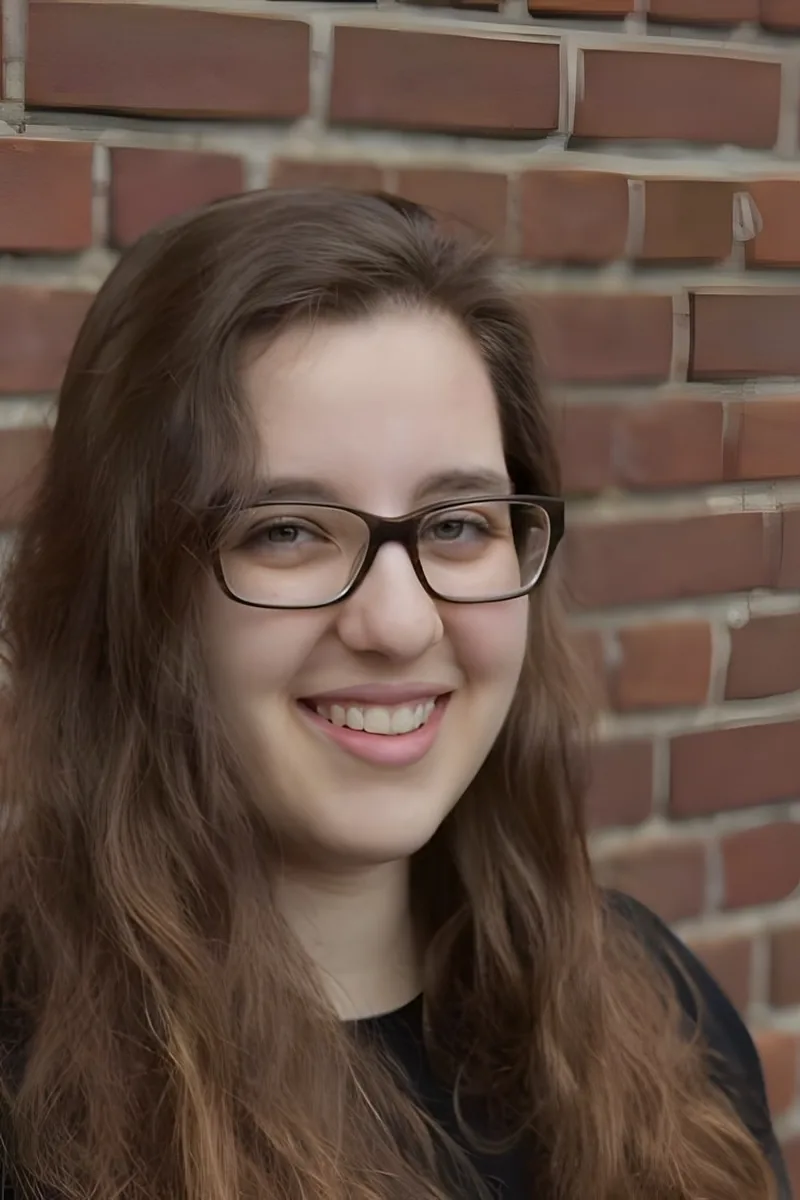
A Reed College Classics degree means Marilyn didn't just study Latin — she lived in the language alongside Ancient Greek, building the kind of cross-linguistic intuition that makes tricky AP constructions like fear clauses and conditions contrary to fact easier to explain from multiple angles. She's especially sharp on Vergil's poetry, where understanding meter and word order simultaneously is half the battle for students tackling sight-reading passages under exam pressure. Rated 4.8 by students.
Katherine's psychology major gives her an unusual angle on the AP Latin essays — when students need to analyze how Vergil manipulates emotion or how Caesar constructs persuasive narratives, understanding human motivation becomes a genuine asset. She's studied Latin and brings that foundation to translation work, though her real strength is coaching the free-response section where rhetorical analysis and clear argumentative writing determine the score.
Wyatt's Classics degree means he didn't just dabble in Latin — he built his entire undergraduate education around the ancient world, reading the same Vergil and Caesar passages that dominate the AP exam as part of his daily coursework. That deep textual familiarity pays off when students need to quickly identify how an ablative absolute or a fear clause functions in a real passage rather than a textbook exercise. Rated 5.0 by students.
Having studied Latin through the advanced level and across multiple classical languages, Jamie uses a comprehensible input approach that treats Vergil and Caesar not as decoding exercises but as stories — building the kind of reading fluency that lets students handle sight passages and literary analysis questions without freezing up. A master's in Special Education also means Jamie knows how to adapt when a student's usual approach to grammar or translation isn't clicking.
While Latin isn't John's primary teaching area, his English and drama training sharpens the close-reading and rhetorical analysis skills that AP Latin's essay and free-response sections demand — particularly when students need to discuss how Vergil or Caesar construct persuasive or dramatic moments in their texts. His experience with literature and writing gives him a practical angle on the interpretive side of the exam.
Earning the National Latin Exam Gold Award all four years of high school — culminating in AP Latin — means Hanna has translated her way through the Aeneid and De Bello Gallico line by line. She teaches students to parse Vergil's complex syntax and Caesar's deceptively simple prose by building real comfort with subjunctive constructions, indirect discourse, and scansion rather than relying on glossary lookups. Rated 5.0 by students.
As a Classics major at Carleton who aspires to teach high school Latin, Emma spends her days immersed in the same texts AP students face — Vergil's Aeneid and Caesar's De Bello Gallico — and she brings that daily familiarity to tutoring sessions where students need to move fluidly between translation, scansion, and literary analysis. Her 34 ACT reflects sharp reading and reasoning skills, and her coursework in Ancient Greek gives her a comparative lens on Latin grammar that clarifies tricky constructions like result clauses and conditions contrary to fact.
Latin at the AP level is essentially a translation and literary analysis exam — students need to sight-read Vergil and Caesar with speed and then write intelligent commentary on style and context. Emma's Latin studies run through Level 4 and AP, and she unpacks complex syntactic structures like ablative absolutes and indirect discourse by connecting them to the narrative choices authors are making. That blend of grammar precision and literary enthusiasm is exactly what the AP exam demands.
Four levels of Latin study give June deep familiarity with the grammar, syntax, and literary analysis the AP exam demands — from scanning dactylic hexameter in Vergil to unpacking Caesar's rhetorical strategies in De Bello Gallico. Her linguistics interest at Brown adds an extra dimension, connecting Latin constructions to broader patterns in how languages work.
I am confident in both my quantitative and verbal skills, I consider my primary strength to lie in standardized test-taking, the process of which I profoundly enjoy, strange as it is to say.
Studying Classical Studies at Columbia means Sean reads Latin not as a classroom exercise but as the living backbone of his degree — translating the same Vergil and Caesar passages that drive the AP exam while simultaneously studying the historical and philosophical contexts that make those texts click. That dual lens is especially useful for the free-response essays, where connecting a grammatical choice to an author's larger purpose separates strong answers from surface-level ones.
Testimonials
Because the right AP Latin tutor makes all the difference.
Average Session Rating – Based on 3.4M Learner Ratings
Practice AP Latin
Free practice tests, flashcards, and AI tutoring for AP Latin
Other Grand Rapids Tutors
Related Languages Tutors in Grand Rapids
Frequently Asked Questions
AP Latin focuses on reading and translating Latin texts, primarily selections from Virgil's Aeneid and Caesar's Gallic Wars. The course emphasizes understanding Latin grammar, syntax, and vocabulary in context, as well as analyzing the historical and cultural significance of these classical works. The AP exam tests your ability to translate unseen passages, answer comprehension questions, and demonstrate deep knowledge of the required texts.
Many students struggle with the volume of vocabulary and complex grammatical structures required for fluency in reading Latin. Translating unseen passages under time pressure is particularly challenging, as it requires both quick recognition of forms and careful attention to syntax. Additionally, balancing literal translation accuracy with understanding the author's meaning and literary devices takes significant practice and guidance.
Personalized 1-on-1 instruction allows tutors to focus on your specific weak areas—whether that's mastering particular verb tenses, building vocabulary retention, or developing translation strategies. Expert tutors can work through practice passages with you, teach time-management techniques for the exam, and provide targeted feedback on your translations. This individualized approach helps you build confidence and develop the reading fluency needed to succeed on test day.
Score improvement depends on your starting point and commitment to practice, but students who work consistently with tutors typically see meaningful gains—often 1-2 score points on the 1-5 scale. The key is identifying gaps early (weak verb forms, vocabulary gaps, translation speed) and addressing them systematically. Regular practice with feedback and strategic test-taking approaches help students move from uncertain to confident test-takers.
Your first session focuses on assessment and goal-setting. A tutor will evaluate your current Latin reading level, identify which grammatical concepts or vocabulary areas need the most work, and understand your timeline before the AP exam. Together, you'll create a personalized study plan that addresses your priorities—whether that's building translation speed, mastering specific texts, or developing test-taking strategies.
Practice tests are essential for AP Latin success because they help you build reading stamina, practice time management, and get comfortable with the exam format. Taking full-length practice exams under timed conditions reveals which passage types or grammatical structures slow you down, allowing you to focus your study efforts. Tutors can review your practice test results with you, identify patterns in errors, and adjust your preparation strategy accordingly.
Effective AP Latin translation combines speed with accuracy. Key strategies include scanning for verb forms first (to identify the sentence structure), recognizing common grammatical patterns, and using context clues when you encounter unfamiliar vocabulary. Rather than translating word-for-word, focus on understanding the author's meaning and expressing it clearly in English. Expert tutors can teach you these strategies and help you practice them until they become automatic.
Ideally, AP Latin preparation begins at the start of the school year, giving you the full academic year to build vocabulary, master grammar, and develop translation fluency. However, even students who start tutoring in the spring can make significant progress with focused, intensive work. The timeline depends on your current level and goals—a tutor can assess where you are and recommend a realistic study schedule to help you feel prepared by exam day in May.
Let’s find your perfect tutor
Answer a few quick questions. We’ll recommend the right plan and match you with a top 5% tutor.