Award-Winning AP Spanish Language & Culture Tutors
serving Grand Rapids, MI
AP Spanish Language & Culture
Tutors in Grand Rapids
Private 1-on-1 tutoring, weekly live classes for academic support, test prep & enrichment, practice tests and diagnostics, and more to elevate grades and test scores.
Based on 3.4M Learner Ratings
UniversitiesSchools & Universities
DeliveredHours Delivered
ProficiencyGrowth in Proficiency
Who needs tutoring?
No obligation. Takes ~1 minute.
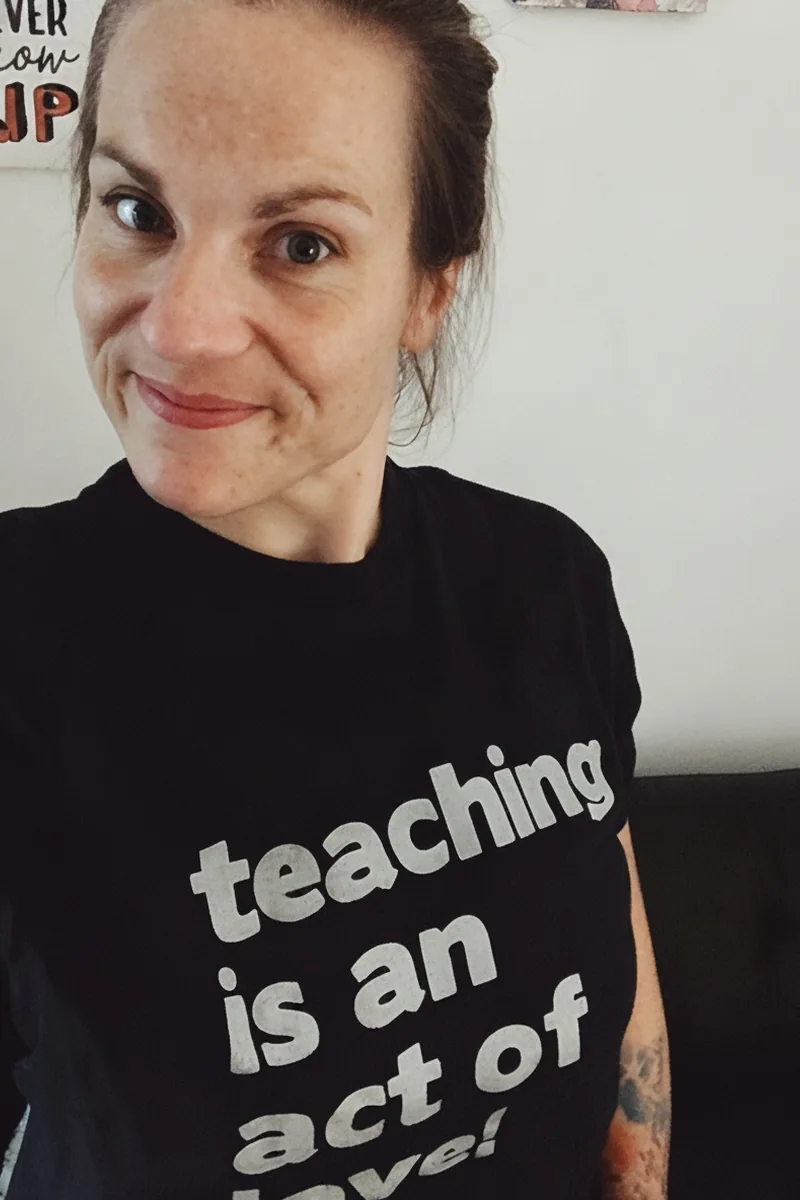
Nicole's linguistics degree means she understands how languages work as systems — the morphology, syntax, and pragmatics underneath Spanish that most tutors teach purely by repetition. She applies that structural knowledge to the AP exam's trickiest moments, like shifting between informal and formal register mid-task or decoding rapid authentic audio in the interpretive listening section. Her Italian heritage and fluency in multiple Romance languages sharpen her ear for the cognate traps and dialectal variations the exam loves to test.

Rebekah's Geology-Biology degree from Brown isn't an obvious path to AP Spanish — but she teaches Spanish across all four levels plus conversational and both SAT Spanish Subject Tests, which signals genuine command of the language well beyond casual fluency. She tackles the exam's interpersonal speaking and interpretive listening sections by training students to process Spanish at natural speed, building the kind of real-time comprehension that no amount of grammar drilling alone can produce. Rated 5.0 by students.
Having studied Spanish as part of his undergraduate degree and continuing to teach it from introductory levels through AP alongside conversational practice, Adam knows exactly where students plateau — and it's usually the jump from classroom grammar to the timed, register-aware writing the AP exam actually scores. His history background also sharpens the cultural comparison task, where connecting Spanish-speaking communities' practices to broader historical context turns a generic response into a compelling one.
The AP Spanish Language & Culture exam demands more than vocabulary — it requires constructing persuasive arguments in Spanish and interpreting authentic audio sources on the fly. Isabelle's multilingual background and experience as a private language tutor abroad give her practical fluency in coaching students through the interpersonal speaking tasks and cultural comparison essays that determine exam scores.
Richard earned the highest scores on the AP Spanish exam with listening after double-majoring in Spanish at Emory and studying in Spain. He tackles the presentational writing and interpersonal speaking tasks by drilling the idiomatic expressions, subjunctive constructions, and cultural references that push students from competent into the 4–5 scoring range.
A cognitive sciences degree with a minor in Spanish means Adam approaches the language analytically — he treats subjunctive triggers and register shifts as pattern-recognition problems, which clicks for students who struggle with the "just memorize it" approach to grammar. His 34 ACT confirms strong reading and reasoning skills that translate directly into coaching the AP exam's interpretive reading and audio tasks, where extracting meaning from authentic Spanish sources under time pressure is half the battle.
This isn't Katie's core subject — her degrees are in biomedical and biological engineering from Cornell, and her teaching load leans heavily toward STEM, history, and English. That said, her engineering training built the kind of systematic, pattern-based thinking that can help break down Spanish grammar structures and exam strategies for students who need a more analytical approach to language learning.
Corey trained as a total immersion instructor through the Ann Arbor Language Partnership and taught communicative Spanish in public schools for two years before moving to Nicaragua, where he used Spanish daily in professional and community settings. That real-world fluency shows up in how he prepares students for AP Spanish Language — tackling interpersonal speaking prompts, persuasive essays, and audio-source synthesis with the kind of cultural nuance the exam rewards. His background in cognitive science also informs how he teaches listening comprehension strategies that actually stick.
Tackling AP Spanish Language & Culture means producing polished interpersonal and presentational writing under timed conditions. Lillian breaks down the persuasive essay and email reply tasks by drilling subjunctive triggers, transition phrases, and the cultural comparison framework the rubric specifically rewards.
Between engineering coursework at Cornell and watching Russian news to stay sharp in her third language, Daria keeps her Spanish active by treating it as another system to master — grammar patterns, listening comprehension, and cultural context all get the same analytical rigor. She teaches both Spanish 1 and Spanish 2 alongside AP prep, so she knows exactly which foundational gaps trip students up on the exam's interpretive and presentational tasks. Rated 5.0 by students.
Grant teaches Spanish across every level from 1 through 4 plus conversational and AP, which means he can quickly diagnose whether a student is struggling with foundational grammar — subjunctive triggers, preterite vs. imperfect — or with the higher-level task of producing formal register under timed conditions. His economics background also gives him a structured, analytical approach to the exam's persuasive essay, where organizing source material into a coherent argument matters as much as the Spanish itself. Rated 5.0 by students.
Pursuing a language citation in Spanish at Harvard while studying African American Studies, Gabriela tackles the AP exam's cultural comparison task with a cross-cultural analytical instinct baked into her daily coursework. She teaches Spanish from level 1 through 4 and conversational Spanish, so she can zero in on whether a student needs to shore up subjunctive mechanics or sharpen their ability to construct a timed persuasive essay in formal register. Rated 5.0 by students.
Earning a strong score on AP Spanish Language & Culture means toggling between interpersonal conversation, presentational writing, and audio-source synthesis — often in the same exam sitting. Sarah's Spanish major and her background in international education give her native-level command of the language and a clear method for tackling the cultural comparison essay, which is where most students lose points.
Success on the AP Spanish Language & Culture exam depends on toggling fluently between interpretive, interpersonal, and presentational communication — often within a single task. Margaret tackles each mode separately, drilling persuasive email writing one session and audio-source synthesis the next, so students build confidence across the full exam format. Her own deep engagement with Spanish literature and conversation gives her the cultural fluency this exam specifically rewards.
Testimonials
Because the right AP Spanish Language & Culture tutor makes all the difference.
Average Session Rating – Based on 3.4M Learner Ratings
Other Grand Rapids Tutors
Related Languages Tutors in Grand Rapids
Frequently Asked Questions
The AP Spanish Language & Culture exam tests your ability to read, write, listen to, and speak Spanish at an advanced level. The exam includes five sections: multiple-choice reading comprehension, multiple-choice listening comprehension, free-response writing (email reply and essay), and free-response speaking (conversation and cultural presentation). Success requires not just language skills but also deep familiarity with Spanish-speaking cultures, which tutors can help you develop throughout your preparation.
Score improvement depends on your starting level and how consistently you prepare. Students who work with tutors typically see gains of 1-3 points on the 1-5 scale, with the biggest improvements coming from focused work on weaker sections—like speaking skills or essay writing—where personalized feedback makes the most difference. The key is identifying your specific gaps early and addressing them through targeted practice and expert guidance.
The speaking section is challenging because it requires real-time language production without the time to edit or revise—you're being evaluated on fluency, pronunciation, and cultural awareness simultaneously. Many students haven't had consistent practice speaking Spanish aloud, especially in structured formats like the conversation and cultural presentation tasks. Tutors can simulate these speaking scenarios, provide immediate feedback on your delivery, and help you build the confidence to perform under pressure.
AP Spanish essays are graded on organization, vocabulary range, grammar accuracy, and cultural understanding—not just fluency. Working with a tutor lets you write practice essays, receive detailed feedback on specific weaknesses, and learn to structure arguments more effectively in Spanish. Tutors can also help you expand your vocabulary in specific cultural and thematic areas, which strengthens both your writing and your ability to discuss culture authentically.
Practice tests are most valuable when you treat them like the real exam—take them under timed conditions, then analyze your mistakes carefully to identify patterns in what you're missing. A tutor can help you interpret your results, determine whether your struggles are vocabulary-based, grammar-based, or comprehension-based, and create a targeted study plan to address those specific areas. Taking multiple practice tests throughout your preparation helps you track progress and build test-taking stamina.
Cultural knowledge is essential—it's woven throughout the exam in reading passages, listening materials, and especially the cultural presentation speaking task. You're expected to discuss authentic cultural products, practices, and perspectives from Spanish-speaking communities, not just demonstrate language skills. Tutors can guide you through the cultural themes tested by the College Board and help you develop meaningful insights that demonstrate genuine cultural understanding.
Most students benefit from 3-6 months of focused preparation, though this varies based on your current Spanish proficiency level. If you're already in an AP Spanish class, consistent tutoring throughout the year helps reinforce classroom learning and address gaps as they emerge. Tutors can help you create a realistic study timeline that balances all five exam sections and ensures you're practicing consistently rather than cramming close to test day.
Varsity Tutors connects you with expert Spanish tutors in the Grand Rapids area who specialize in AP exam preparation. You can share your specific goals—whether you're focusing on speaking skills, essay writing, or overall exam strategy—and get matched with a tutor whose expertise aligns with your needs. Tutors work with you on a flexible schedule to prepare for the exam at your own pace.
Let’s find your perfect tutor
Answer a few quick questions. We’ll recommend the right plan and match you with a top 5% tutor.