Award-Winning Organic Chemistry Tutors
serving Springfield, MO
Organic Chemistry
Tutors in Springfield
Private 1-on-1 tutoring, weekly live classes for academic support, test prep & enrichment, practice tests and diagnostics, and more to elevate grades and test scores.
Based on 3.4M Learner Ratings
UniversitiesSchools & Universities
DeliveredHours Delivered
ProficiencyGrowth in Proficiency
Who needs tutoring?
No obligation. Takes ~1 minute.
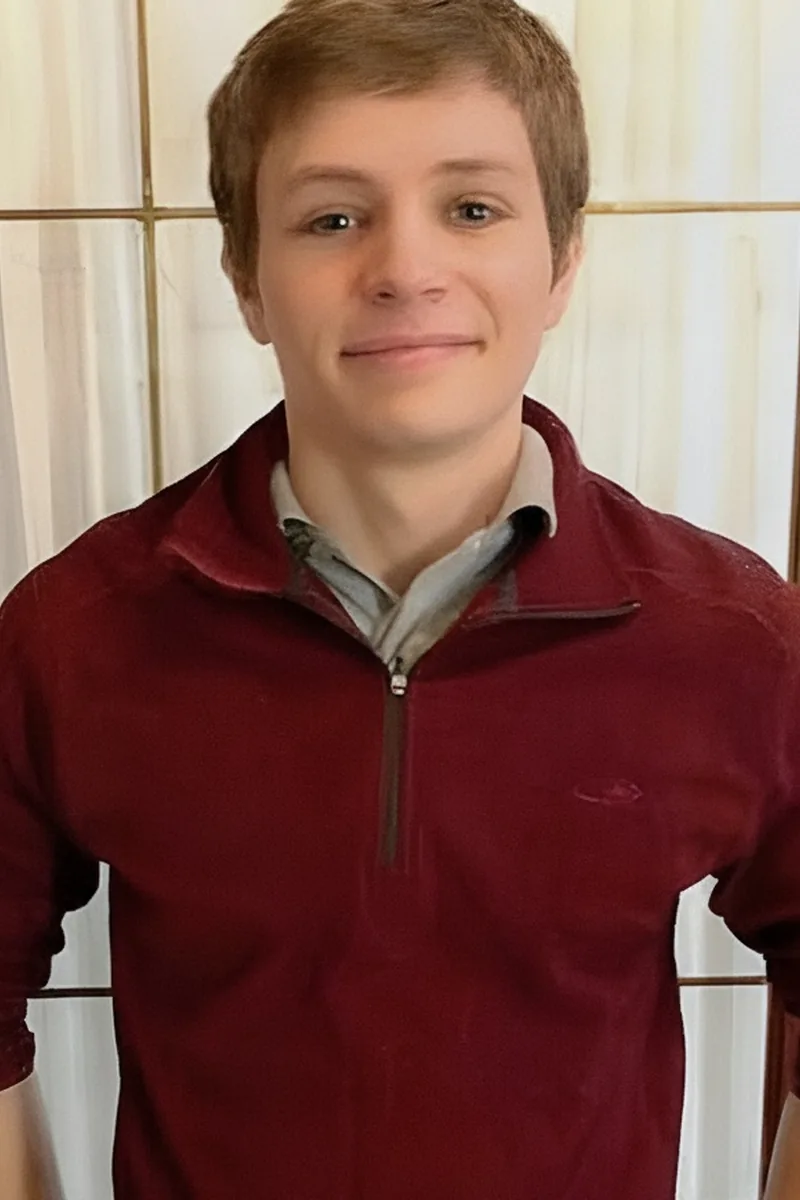
Reaction mechanisms become manageable once a student can track electron movement with confidence, and that's exactly where Jacob starts — arrow-pushing fundamentals before diving into substitution, elimination, and carbonyl chemistry. His biochemistry focus at Missouri State meant he spent serious time with organic transformations that show up in metabolic pathways, giving him a practical lens most tutors lack.

I am excited to help anyone who might need it!
Reaction mechanisms are the language of organic chemistry, and Austin learned to speak it fluently through his chemical engineering coursework, where understanding molecular behavior at the functional-group level was essential. He teaches students to recognize nucleophiles, electrophiles, and leaving groups as characters in a story rather than arrows to memorize. That pattern-recognition approach turns synthesis problems from intimidating puzzles into logical sequences.
Reaction mechanisms are the backbone of organic chemistry, and learning to predict products means recognizing electron-density patterns, not memorizing hundreds of individual reactions. Alec's approach — honed through years of TA work in Cornell's chemistry department — emphasizes arrow-pushing logic and functional group reactivity so that substitution, elimination, and addition reactions start to feel like variations on a theme rather than separate things to memorize.
Four years of tutoring organic chemistry at Yale — while simultaneously doing pre-med coursework — gave Marcus a sharp sense of where students get stuck, particularly with carbonyl reactivity and multi-step synthesis planning. His current research at the Hospital for Special Surgery keeps him actively applying these concepts, so he teaches functional group transformations as interconnected tools rather than an isolated reaction catalog.
Reaction mechanisms click once you stop memorizing arrow-pushing patterns and start understanding why electrons move the way they do — nucleophilicity, sterics, leaving group stability. Mitchell's neuroscience degree required extensive organic chemistry coursework, and he breaks down everything from substitution and elimination reactions to carbonyl chemistry by connecting each mechanism to the electronic principles driving it.
Reaction mechanisms in organic chemistry reward the same kind of systematic thinking that drives engineering design: track the electrons, identify the functional groups, and predict what happens next. Lee teaches students to read mechanisms as stories with cause and effect — nucleophile attacks electrophile, leaving group departs — instead of memorizing hundreds of individual reactions. His biomedical background adds context for why specific organic reactions matter in drug design and biochemistry.
Reaction mechanisms are the language of organic chemistry, and Casey reads them fluently after years of bioengineering coursework that demanded constant fluency in electron-pushing, stereochemistry, and functional group transformations. She teaches students to recognize patterns across reaction types — why nucleophilic additions behave the way they do, how leaving groups dictate substitution vs. elimination — so each new chapter feels like a variation on something familiar rather than a fresh nightmare.
Reaction mechanisms are the backbone of organic chemistry, and Enoch teaches them by building a visual logic: tracking electron movement, recognizing nucleophile-electrophile patterns, and predicting products from functional group behavior. His biomedical science background means he also connects orgo to real biochemical contexts — amino acid chemistry, drug metabolism, lipid structures — which makes the material stick for premed students especially.
Having taught General Chemistry, Organic Chemistry, and GOB courses for health professions repeatedly at the college level, Jeremy approaches reaction mechanisms as skills to be practiced — not facts to be memorized. His PhD in Chemistry from Yale means he can trace arrow-pushing, stereochemical analysis, and multi-step synthesis all the way down to first principles, then rebuild them at whatever level a student needs. He holds a 4.6 rating.
Reaction mechanisms are the backbone of organic chemistry, and most exam mistakes trace back to shaky arrow-pushing fundamentals. Abhinav teaches students to classify reactions by nucleophile-electrophile interactions first, then layer on stereochemistry and regiochemistry — an approach that turns a seemingly infinite number of reactions into a manageable set of patterns.
I'm a current medical student at VCU School of Medicine, and a graduate of Johns Hopkins University. I received my Bachelor of Science in Molecular and Cellular Biology. I've had the pleasure of tutoring a diverse range of students for 5 years; while I tutor a broad set of subjects, I'm most passionate about biology, psychology, and chemistry. I'm a big proponent of ensuring understanding over memorization and teaching concepts that last for years to come (particularly for other students interested in medicine!) In my free time, I love to write poetry, edit essays, and gush about game writing with friends.
Decades of running an organic chemistry research lab and teaching it at the college level mean Wyatt has explained arrow-pushing mechanisms, retrosynthetic analysis, and spectroscopy interpretation thousands of times — and learned exactly where students get stuck on each one. His PhD in the subject gives him the depth to trace a tricky multi-step synthesis back to the underlying electronic principles, then rebuild it at whatever pace clicks. Rated 4.9 by students.
Jeff's molecular biology degree meant spending serious time with organic chemistry — not just passing it, but applying it to understand enzyme active sites, metabolic intermediates, and drug interactions at the molecular level. That applied perspective makes him especially effective at teaching synthesis strategy and functional group transformations, because he can ground abstract mechanisms in real biochemical context. Rated 5.0 by students.
Reaction mechanisms are the language of organic chemistry, and learning to read them — arrow pushing, stereochemistry, regiochemistry — requires a different kind of thinking than most science courses demand. Kevin studied organic chemistry as part of his biomedical engineering curriculum, where understanding molecular behavior was essential rather than optional. He walks students through each mechanism type until the logic behind substitution, elimination, and addition reactions becomes second nature.
Testimonials
Because the right Organic Chemistry tutor makes all the difference.
Average Session Rating – Based on 3.4M Learner Ratings
Practice Organic Chemistry
Free practice tests, flashcards, and AI tutoring for Organic Chemistry
Nearby Organic Chemistry Tutors
Other Springfield Tutors
Related Science Tutors in Springfield
Frequently Asked Questions
Varsity Tutors matches Springfield students with expert Organic Chemistry tutors for 1-on-1 instruction. We pair each student with a tutor based on their specific needs, learning style, and goals.
Whether you need homework help, exam prep, or want to get ahead, our Organic Chemistry tutors are ready to help.
Common challenges include gaps from earlier material, difficulty with specific concepts, and trouble applying learning to new problems. These issues can snowball quickly in Organic Chemistry.
A tutor identifies where you're stuck, fills in gaps, and provides targeted practice. The 1-on-1 format means you get help exactly where you need it.
Tutors work with your student's actual coursework—homework assignments, class notes, and upcoming tests. This keeps tutoring directly relevant to what's happening in the classroom.
When you share information about your student's school and curriculum, we can match you with a tutor who has relevant experience.
All tutors complete background checks, credential verification, and teaching evaluation. Many of our Organic Chemistry tutors hold advanced degrees or have years of teaching experience.
You can review tutor profiles to find someone with the right background for your student's level and needs.
Many students see improved grades within a few weeks, along with better understanding of Organic Chemistry concepts and more confidence tackling challenging material.
Tutors track progress and adjust their approach to ensure continued improvement.
Most students benefit from 1-2 sessions per week. More frequent sessions help if your student is significantly behind or has an important exam coming up.
Your tutor can recommend a schedule based on your student's specific situation and goals.
Tutoring is purchased in packages of hours, with rates varying by tutor experience. Varsity Tutors offers several options to fit different budgets and needs.
You can discuss pricing during your consultation to find what works best.
Your tutor will assess where your student is, discuss goals, and start working on priority areas. Most students bring current homework or upcoming test material to focus on.
By the end, you'll have a clear sense of how the tutor can help and a plan for moving forward.
Let’s find your perfect tutor
Answer a few quick questions. We’ll recommend the right plan and match you with a top 5% tutor.