Award-Winning SAT Tutors
serving Jersey City, NJ
SAT
Tutors in Jersey City
Private 1-on-1 tutoring, weekly live classes for academic support, test prep & enrichment, practice tests and diagnostics, and more to elevate grades and test scores.
Based on 3.4M Learner Ratings
UniversitiesSchools & Universities
DeliveredHours Delivered
ProficiencyGrowth in Proficiency
Who will be getting tutoring?
No obligation. Takes ~1 minute.

Most SAT gains come from learning to read like the test wants you to — finding the one answer choice that's directly supported by the text, not the one that sounds smart. Ruby's background in literature and history through her College of Letters degree built exactly that skill, and her 1540 SAT score shows she knows how to apply it under timed conditions. She also covers the math sections, connecting algebra and data analysis concepts to the word-problem formats the SAT actually uses.
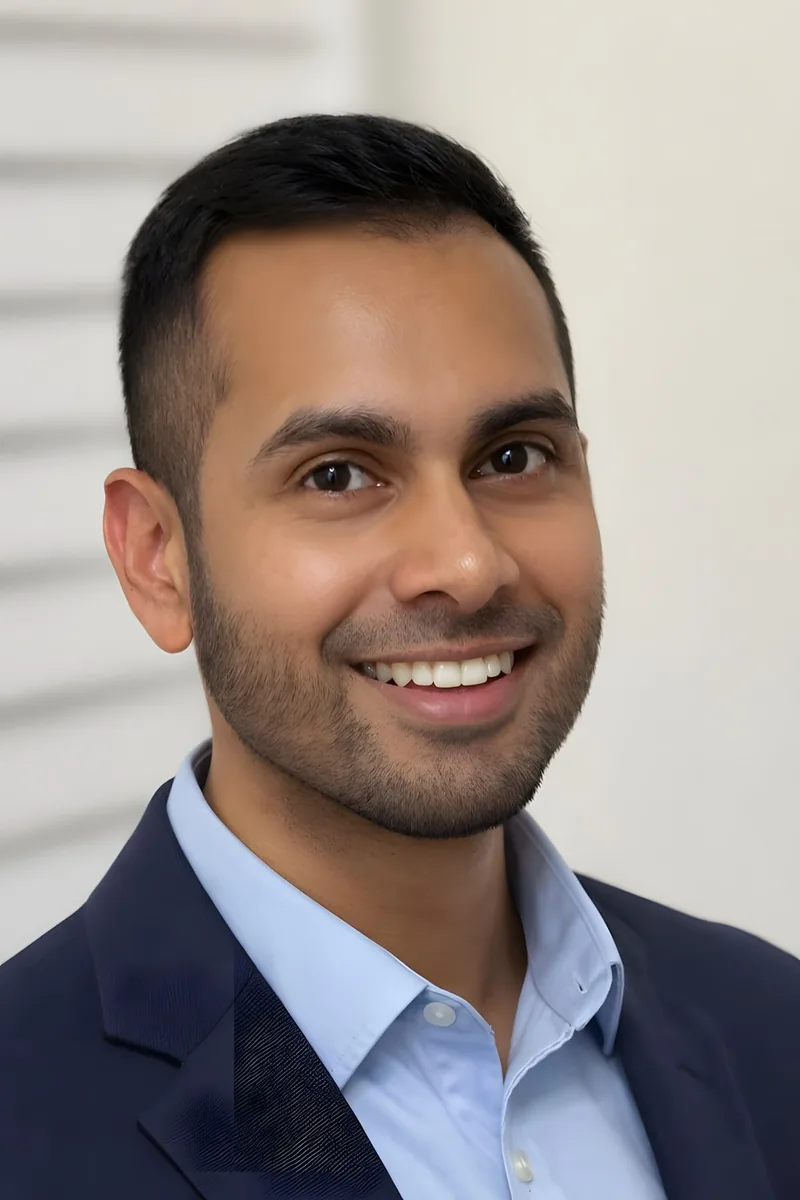
Hello! My name is Mihir, and I'm a passionate and experienced math tutor with a strong academic foundation. I hold a B.S. in Mathematics from Carnegie Mellon University, where I concentrated in Discrete Mathematics and Logic and earned a Minor in Computer Science. I also completed my M.S. in Computer Science at the University of Illinois at Urbana-Champaign. My background equips me with both deep mathematical knowledge and a problem-solving mindset that I bring into every tutoring session. I specialize in tutoring Math at the middle and high school levels. In the past, I've taught SAT Math, AP Calculus, AP Chemistry, and Algebra 1 and 2, among other subjects. My teaching approach focuses on building intuition and a sense of methodical problem-solving so that students can avoid memorization and cramming. I believe that this is the best way for students to be assured of their own skills and have confidence in tackling problems on their own.
I am a patient and passionate tutor with the belief that any student can succeed in reaching their full potential with the right tools, guidance, and practice. As an admitted medical school student, I have a strong biology/chemistry and test prep foundation.
Working daily at Rutgers' writing center — especially with international students navigating academic English — gave Noreen a detailed sense of the grammar rules, sentence logic, and passage structures that the SAT's Reading and Writing sections test repeatedly. She scored a 1470 on the SAT herself and uses her English major's training in close reading to teach students how to spot rhetorical traps and eliminate wrong answers by structure rather than instinct. Her psychology minor also helps when it comes to building realistic study plans and managing test-day nerves.
Scoring a 1420 on the SAT himself, Anurag knows the test's structure inside and out — from pacing strategies on the Reading section to avoiding common traps in Evidence-Based Writing questions. His computer science background gives him a particularly systematic approach to the Math section, where he breaks down multi-step word problems into logical sequences. Rated 4.7 by students, he covers both sections with equal depth.
I am currently pursuing a dual degree in Computer Science and Data Science through the Honors College at Rutgers University. With years of hands-on experience tutoring students in math, coding, science, and test prep, I bring a passionate, adaptable approach to teaching that meets each student exactly where they are. I've worked with students of all ages, from teaching over 40 kids how to swim to mentoring peers in advanced coding and math concepts. My tutoring journey began with helping classmates grasp difficult concepts in calculus and computer science, and it grew into a love for making complex ideas feel intuitive and engaging. Whether breaking down multivariable calculus, guiding students through their first lines of code, or preparing them for standardized exams like the SAT, I focus on building confidence and curiosity alongside academic skill. I tutor a wide range of subjects, including Pre-Algebra through Calculus III, Linear Algebra, High School Biology, Python, Java, R, and SAT Math and Reading. My favorite subjects to tutor are math and programming, because they offer students a toolkit to solve real-world problems, build cool projects, and think creatively about how the world works. My teaching philosophy centers on empowerment and active learning. I believe students succeed when they feel safe to ask questions, explore solutions, and connect learning to their interests. I prioritize understanding over memorization, and I tailor every session to the student's pace, goals, and learning style. Outside of academics, I'm a gym enthusiast training for my first powerlifting competition, a software developer building real-world applications, and a multi-time hackathon winner. I bring that same energy and drive into every tutoring session, aiming not just to teach, but to inspire.
Rachel's dual background in biology and history means she's equally comfortable with the data-heavy graphs in SAT Math and the dense argumentative passages in Evidence-Based Reading — two areas where students often struggle to connect what they've read to the right answer choice. She scored a 1580 on the SAT and uses that experience to teach specific timing strategies and elimination techniques across all sections.
Most SAT prep splits neatly into a 'math person' or a 'reading person' — Akarsh covers both sides with genuine depth, drawing on a molecular biology background that required constant data analysis alongside dense scientific reading. He scored a 1560 on the SAT and uses that experience to teach specific pacing and elimination strategies across all sections. His science training is especially useful for the data-heavy passages and graph interpretation questions that catch many students off guard.
Most SAT prep splits neatly into "math tutor" or "verbal tutor" — Min covers both sides with genuine depth, holding a master's in electrical engineering and a 1580 composite score alongside serious chops in writing and literature. He uses that engineering precision to teach students how to set up equations from word problems quickly on the Math section, then shifts to structural reading strategies for evidence-based passage questions. Rated 5.0 by students.
Carnegie Mellon's engineering program demands the same blend of quantitative precision and dense technical reading that the SAT tests across both sections — and Raaga graduated with dual degrees in Chemical and Biomedical Engineering plus a 1550 composite score. She teaches students to spot the algebraic shortcuts buried in the Math section's word problems and applies an analytical, structure-first method to the Reading and Writing passages that turns ambiguous answer choices into clear eliminations.
Peace scored a 1570 on the SAT and brings particular depth to the Reading and Writing sections, where her English degree and graduate-level training in close textual analysis translate into concrete strategies for evidence-based questions and rhetorical purpose items. She teaches students to read passages as arguments — tracking claims, concessions, and shifts in tone — rather than scanning for keywords, which is the habit that costs most test-takers points on the verbal side.
Krishna's 1580 SAT score came from a biochemistry student's habit of treating every section like a lab protocol — systematic, step-by-step, no wasted moves. He applies that same precision to coaching the math section's data analysis and algebra problems while also drilling the evidence-based reading strategies that most science-minded students tend to neglect. Rated 4.6 by students, he builds a balanced approach that keeps both halves of the score moving up together.
Scoring a 1540 on the SAT while balancing a demanding 7-year medical program at TCNJ, Roshan knows how to study strategically — and he teaches that same efficiency to the students he works with. He breaks the exam into its component skills, from evidence-based reading questions to no-calculator math traps, and builds targeted practice plans around each student's weak spots. Rated 5.0 by students.
Neuroscience training builds a specific kind of reading habit — pulling claims apart, weighing evidence, spotting logical gaps — and Belinda applies that directly to the SAT's evidence-based reading and data interpretation questions. She scored a 1570 on the SAT herself and uses that familiarity to teach students how to manage pacing across both the verbal and math sections. Rated 5.0 by students.
Studying computer science at Penn means Bryan lives in the kind of precise, logical problem-solving that dominates the SAT Math section — from algebraic modeling to data analysis and systems of equations. But his broad tutoring range across literature, grammar, and essay writing means he doesn't disappear on the verbal side either, coaching students through evidence-based reading and Writing & Language patterns with the same structured thinking. He scored a 1530 on the SAT himself and holds a 5.0 rating.
As a pre-med neuroscience student and General Chemistry TA at Pitt, Ronit knows what it takes to perform under academic pressure — and he channels that into a structured, section-by-section SAT game plan built around his own 1570 score. He teaches students to spot the recurring grammar patterns in Writing and Language, read for argument structure rather than surface detail, and avoid the algebraic missteps that cost easy points on the Math section. Rated 5.0 by students.
Most SAT prep treats math and verbal as two separate worlds, but Aarav — a computer science student at Purdue who scored a 1590 — approaches the entire exam as a logic problem, teaching students to spot the underlying structure in both algebraic reasoning and evidence-based reading questions. His coding background makes him especially effective at drilling the systematic elimination and pattern-matching strategies that shave time off the math section. He also covers the reading and writing side, where his AP coursework in humanities keeps his verbal strategies sharp.
Four years of volunteering as an SAT tutor during undergrad gave Renee a deep familiarity with how the test actually works — from the evidence-based reading passages to the no-calculator math traps that trip up even strong students. Her 1530 composite score backs up that experience. She breaks the Reading section down by question type (command of evidence, words in context, data interpretation) so students stop second-guessing themselves and start recognizing patterns.
Six years of test prep work — including stints at major prep companies and nonprofit education programs abroad — gave Scott a granular sense of where SAT points are actually lost, from misread evidence-based question stems to algebraic setup errors on the no-calculator section. He scored a 1580 himself and uses that experience to teach students the specific pacing and elimination habits that close the gap between a good score and a great one. His PhD-track background in cultural anthropology also sharpens his coaching on the dense social science and history passages that appear throughout the Reading section.
Psychology majors learn to read dense, argument-driven studies and pull out exactly what matters — which is essentially what the SAT's Evidence-Based Reading section demands on every passage. Marissa pairs that analytical training with a 1540 SAT score and strong Spanish and math coverage, so she can coach the full exam without bouncing between narrow specialties. She's particularly effective at teaching students to decode the Writing and Language section's grammar traps, where her background in both English and foreign language structure gives her a clear framework for each rule.
Samuel scored a 1550 on the SAT and then turned around and taught his own SAT prep class in high school, breaking down pacing strategies and question patterns for his peers. That combination of a near-perfect score and real teaching reps — especially on the math side, where his Caltech applied math background kicks in — means he knows both the content and the test itself inside out.
Most SAT prep splits neatly into a 'math person' or a 'verbal person' — Jared covers both sides with genuine depth, drawing on a biomedical engineering degree, a math minor, and years of technical writing through his PhD program at Lehigh. He teaches the Math section's algebra and data-analysis problems as engineering puzzles with repeatable solution paths, then applies that same structured logic to breaking down evidence-based reading questions. He scored a 1450 on the SAT himself and holds a 4.6 rating from students.
What separates a 1500 from a 1580 on the SAT often comes down to time management and knowing which traps the test-makers set in the math and reading sections — something Rishik learned firsthand earning his 1580. His computer science training sharpened the kind of systematic, logical thinking that makes the SAT Math section's multi-step problems and data analysis questions feel routine. He also teaches students a pattern-based approach to the Reading section, identifying answer structures that repeat across passages.
Studying acting in New York City gave Marc an unexpected SAT advantage — he reads passages the way he breaks down scripts, tracking how authors build arguments and shift tone across evidence-based reading questions. His 1550 SAT score backs up an approach that treats the entire exam as a performance to prepare for, with specific timing routines and section-by-section game plans tailored to each student's scoring patterns.
Most SAT points are lost not from lack of knowledge but from mismanaging time and falling for predictable trap answers — two problems Rahul tackles head-on with a structured, section-by-section game plan built from his own 1490 score. His finance coursework at Babson sharpened the quantitative reasoning and data interpretation skills that map directly onto the SAT Math section, while his broad tutoring across reading, grammar, and essay writing keeps the verbal side covered too.
Pranav scored a 1580 on the SAT and approaches test prep by breaking each section into repeatable strategies — identifying trap answers in Evidence-Based Reading, tightening grammar logic on Writing passages, and recognizing which math problems deserve algebra versus back-solving. As a Johns Hopkins biomedical engineering student, he brings the kind of analytical precision that turns careless mistakes into easy points. His recent experience with the test means he knows exactly what today's SAT looks like, not a version from ten years ago.
Sean's physics and math training at UT Dallas means the SAT Math section plays to his strongest instincts — he teaches students to recognize the underlying structure of algebra and data-analysis problems rather than relying on calculator shortcuts, and his 1560 SAT score shows that approach pays off. On the verbal side, he applies the same logical reasoning he uses in physics: breaking passages and grammar questions into cause-and-effect chains that make the correct answer feel inevitable.
Psychology coursework at the University of Chicago — heavy on research design, statistical reasoning, and dense academic reading — turns out to be surprisingly direct preparation for the SAT, where data interpretation and evidence-based passage questions dominate. River scored a 1570 and uses that same analytical framework to teach students how to trace an author's argument through paired passages and spot the grammar rules the Writing section recycles. The combination of verbal and quantitative fluency means students get full-test strategy from a single tutor.
Film production taught Isaiah how to construct an argument visually — a skill that translates surprisingly well to the SAT's Evidence-Based Reading questions, where identifying how an author builds a case is half the battle. His 1590 SAT score means he knows the test inside out, from the grammar logic of the Writing and Language section to the algebraic reasoning that drives the trickiest math problems. Rated 4.8 by students, he brings a creative, pattern-oriented approach to an exam most people treat as purely mechanical.
Shalin's bioinformatics work at NYU means he lives in data — a habit that pays off on the SAT Math section, where interpreting tables, scatterplots, and multi-step algebra under time pressure is half the battle. He scored a 1560 on the SAT and uses that experience to teach students how to spot the reasoning shortcuts built into each question type across both the math and verbal sections.
Students who need equal footing on both halves of the SAT get a natural fit with Andrew — his biology degree built the data interpretation and analytical reading skills tested on the verbal side, while his 1440 SAT score and strong math background mean he can walk through algebra, problem-solving, and no-calculator strategies with real fluency. He also knows how to coach the pacing and section-switching stamina the test demands, drawing on his own recent experience sitting for high-stakes standardized exams. Rated 4.9 by students.
Three years editing papers at the Yale College Writing Center — on everything from Turkish prison reform to hemoglobin studies — gave Lucy an unusually fast read on how arguments are built, which is exactly what the SAT's Evidence-Based Reading section rewards. She pairs that verbal instinct with a 1580 SAT score and teaches students to spot the grammar and rhetoric patterns that repeat across every Writing and Language passage. Rated 5.0 by students.
Scoring a 1490 on the SAT herself, Irene knows the test inside and out — from pacing strategies on the Reading section's evidence-based paired questions to avoiding common traps in the Writing section's grammar and rhetoric passages. She spent her own prep process dissecting practice tests methodically, and she brings that same structured, section-by-section breakdown to every student she works with.
Studying both biology and Hispanic studies at Boston College means Teresa constantly switches between analytical reasoning and close textual reading — exactly the mental gear-shifting the SAT demands across its math and evidence-based verbal sections. She scored a 1580 on the exam and uses that experience to teach specific strategies for high-value question types like command-of-evidence pairs and multi-step algebra problems. Rated 4.8 by students.
Scoring a 1550 on the SAT while attending a high school with limited prep resources forced Samica to reverse-engineer the test on her own — figuring out exactly how the College Board designs wrong answer choices and what makes evidence-based reading questions predictable. Now a Wharton junior, she breaks down each section's timing strategies and question patterns so students know what to expect before test day. Past students she's coached have gone on to NYU, Michigan, and Georgetown.
Neuroscience coursework trains you to read dense, data-heavy material and extract what matters — exactly the skill that separates strong SAT readers from students who understand passages but pick the wrong evidence pair. Margaret applies that same analytical precision to the Math section, where her 1550 SAT score reflects deep comfort with the algebra and data interpretation questions that dominate the test. Rated 5.0 by students.
Having navigated the SAT, GRE, and MCAT himself, Andrew knows how standardized tests recycle the same reasoning patterns across sections — and he teaches students to spot those patterns quickly. His 1510 SAT score came from a disciplined, habit-based approach to prep that he now tailors for each student, particularly around pacing on the math section and identifying evidence traps in the reading passages.
What separates a 1400 from a 1530 on the SAT often comes down to discipline in the final third of each section — knowing when to slow down on a tricky algebra setup or when a reading answer choice is almost right but not supported by the text. Matt earned a 1530 and draws on his finance and economics training to teach the data-analysis and word-problem portions of the Math section with particular clarity. His broad background in writing and literature also means he can coach the verbal side in the same session, building a cohesive test-day strategy from start to finish.
A 1570 SAT scorer, Grace breaks the test into repeatable strategies — identifying evidence-based reading traps, tightening grammar around parallel structure and modifier placement, and building number sense for the no-calculator section. Her background directing an after-school academic program at the middle school level means she knows how to read a student's frustration and adjust on the fly, not just re-explain the same way louder. She treats each practice test as diagnostic data, zeroing in on the specific question types costing the most points.
Three English degrees from Brown gave Alex deep fluency with the kind of close reading and rhetorical analysis that the SAT's Evidence-Based Reading and Writing sections demand — identifying how authors structure arguments, parsing vocabulary in context, and spotting the grammar rules buried in each question. He scored a 1540 on the SAT and approaches prep by teaching students to read passages like a literature student: looking for purpose and structure first, then matching evidence to answers.
Testimonials
Because the right SAT tutor makes all the difference.
Average Session Rating – Based on 3.4M Learner Ratings
Practice SAT
Free practice tests, flashcards, and AI tutoring for SAT
Nearby SAT Tutors
Other Jersey City Tutors
Related Test Prep Tutors in Jersey City
Frequently Asked Questions
Varsity Tutors matches Jersey City students with expert SAT tutors for 1-on-1 instruction. We pair each student with a tutor based on their specific needs, learning style, and goals.
Whether you need homework help, exam prep, or want to get ahead, our SAT tutors are ready to help.
Common challenges include gaps from earlier material, difficulty with specific concepts, and trouble applying learning to new problems. These issues can snowball quickly in SAT.
A tutor identifies where you're stuck, fills in gaps, and provides targeted practice. The 1-on-1 format means you get help exactly where you need it.
Tutors work with your student's actual coursework—homework assignments, class notes, and upcoming tests. This keeps tutoring directly relevant to what's happening in the classroom.
When you share information about your student's school and curriculum, we can match you with a tutor who has relevant experience.
All tutors complete background checks, credential verification, and teaching evaluation. Many of our SAT tutors hold advanced degrees or have years of teaching experience.
You can review tutor profiles to find someone with the right background for your student's level and needs.
Many students see improved grades within a few weeks, along with better understanding of SAT concepts and more confidence tackling challenging material.
Tutors track progress and adjust their approach to ensure continued improvement.
Most students benefit from 1-2 sessions per week. More frequent sessions help if your student is significantly behind or has an important exam coming up.
Your tutor can recommend a schedule based on your student's specific situation and goals.
Tutoring is purchased in packages of hours, with rates varying by tutor experience. Varsity Tutors offers several options to fit different budgets and needs.
You can discuss pricing during your consultation to find what works best.
Your tutor will assess where your student is, discuss goals, and start working on priority areas. Most students bring current homework or upcoming test material to focus on.
By the end, you'll have a clear sense of how the tutor can help and a plan for moving forward.
Let’s find your perfect tutor
Answer a few quick questions. We’ll recommend the right plan and match you with a top 5% tutor.