Award-Winning Microbiology Tutors
serving Allentown, PA
Microbiology
Tutors in Allentown
Private 1-on-1 tutoring, weekly live classes for academic support, test prep & enrichment, practice tests and diagnostics, and more to elevate grades and test scores.
Based on 3.4M Learner Ratings
UniversitiesSchools & Universities
DeliveredHours Delivered
ProficiencyGrowth in Proficiency
Who needs tutoring?
No obligation. Takes ~1 minute.
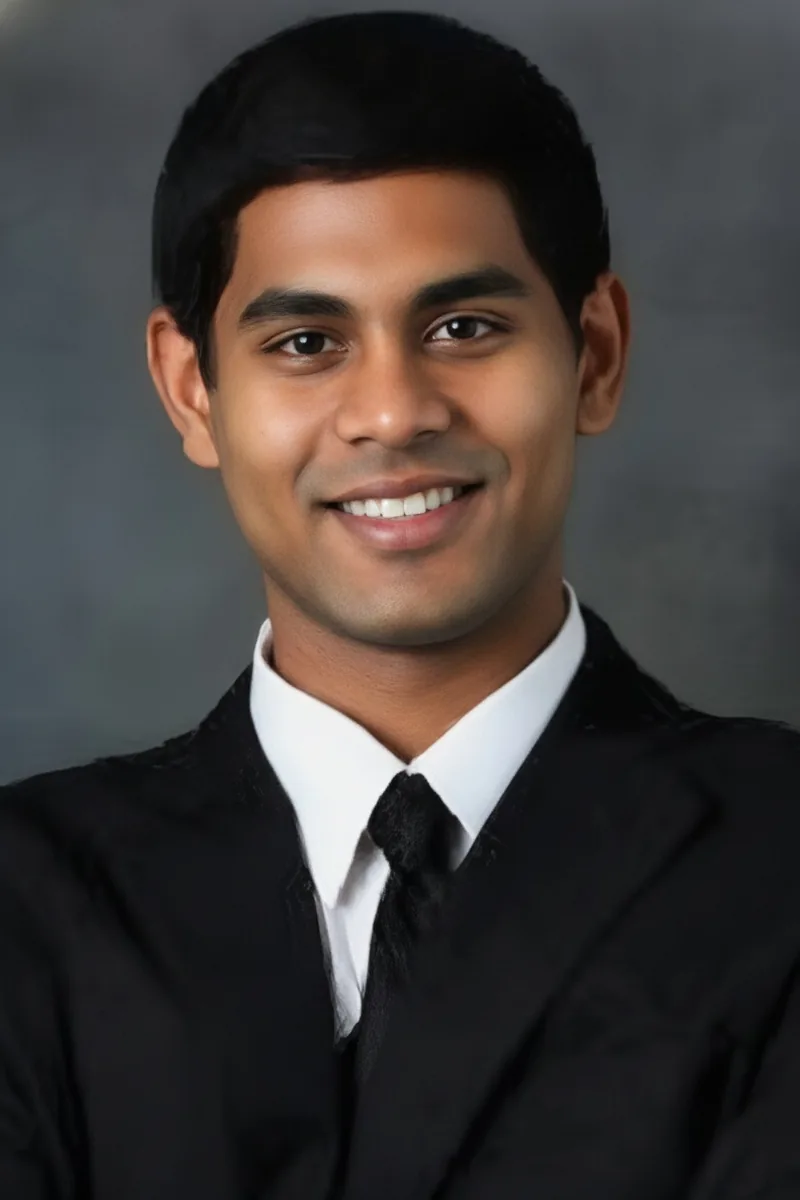
Studying microbiology in preparation for medical school gave Nishad a detailed command of bacterial physiology, viral replication cycles, and immune response pathways. He teaches students to connect structure to function — understanding why Gram-negative bacteria resist certain antibiotics, for instance, by tracing the architecture of their outer membrane.
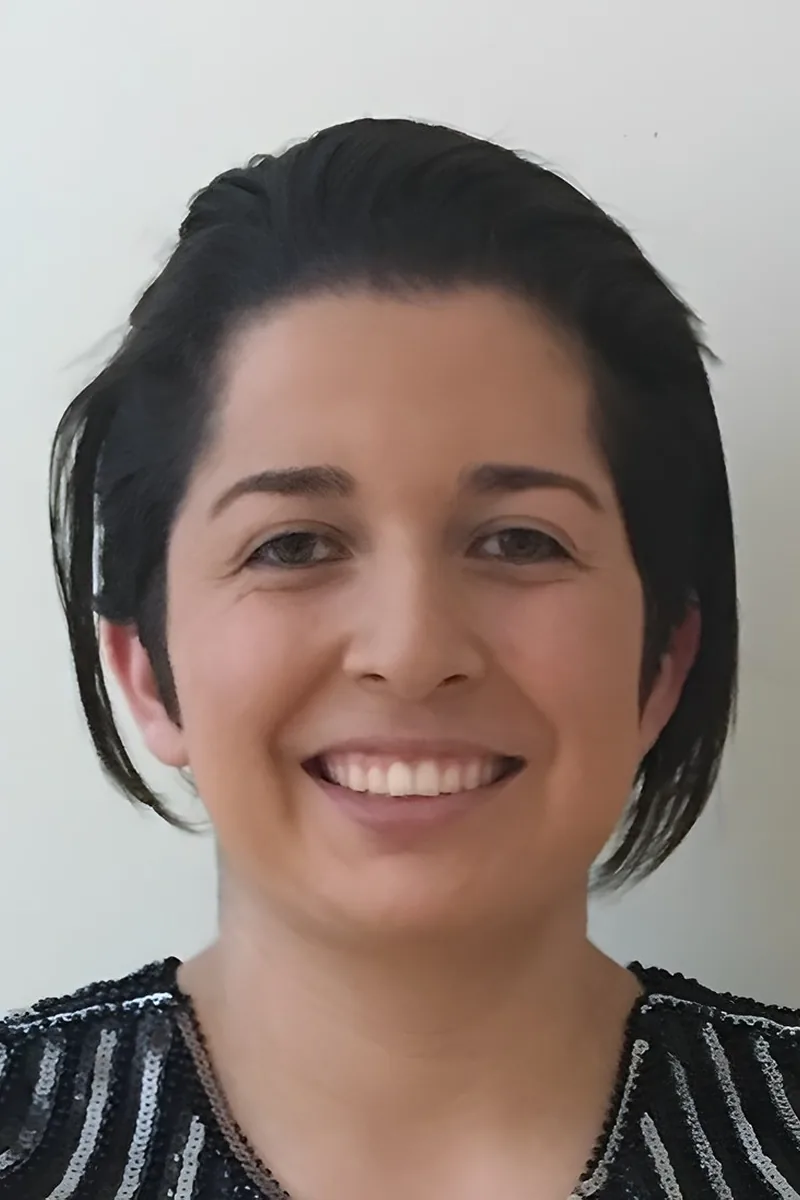
Studying microbiology at the college level means juggling bacterial classification, metabolic pathways, virulence factors, and immune response mechanisms all at once. Kristin earned her biology degree at the University of Chicago and now applies microbiology daily in her nursing graduate program at Penn, where pathogen behavior and infection control are part of clinical reality rather than just textbook diagrams.
Medical school demands a granular understanding of pathogens — bacterial cell wall differences, viral replication cycles, antibiotic resistance mechanisms. Daniel earned his M.D. and brings that clinical lens to microbiology, connecting each organism's structure and behavior to the disease processes students are expected to know for exams.
Medical school gave Amanda a front-row seat to microbiology that matters — bacterial pathogenesis, viral replication cycles, immune evasion strategies, and antimicrobial resistance. She teaches microbiology by organizing organisms around the mechanisms that make them dangerous or clinically important, which turns a subject that can feel like pure memorization into a set of logical patterns. Students preparing for exams or applying to health professions get a tutor who knows exactly how this material shows up later.
Bacterial morphology, Gram staining techniques, viral replication cycles — microbiology throws a lot of vocabulary at students before asking them to think critically about pathogenesis and immune response. Ade's biology degree gives him the foundation to break down these interconnected systems and show how individual microorganisms actually behave in clinical and environmental contexts.
Medical school at Penn's Perelman School of Medicine gave Daniel hands-on exposure to microbiology that goes well beyond a standard textbook — from bacterial virulence factors to antibiotic resistance mechanisms to the clinical presentations they produce. He connects microbial physiology to real infectious disease scenarios, which makes distinguishing gram-positive from gram-negative organisms or understanding viral replication cycles far more intuitive.
As a biology major at Boston College, Andrew's coursework in cell biology and lab science gave him hands-on experience with the microbial world — bacterial structure, growth dynamics, and the metabolic differences that determine how organisms thrive in different environments. His parallel study of chemistry strengthens how he explains topics like cell membrane function and nutrient uptake at the molecular level, turning dense material into something students can actually reason through. Rated 5.0 by students.
A Stanford-trained biologist, Abhinav digs into microbiology topics like bacterial cell structure, metabolic pathways, and host-pathogen interactions with the detail they demand. He connects concepts across scales — linking molecular mechanisms like quorum sensing to broader outcomes like biofilm formation — so students see microbiology as a story rather than a catalog of organisms.
As a fourth-year medical student at Thomas Jefferson University, Anshel has spent years immersed in bacterial pathogenesis, antimicrobial mechanisms, and the clinical consequences of infections that microbiology courses describe in the abstract. He connects concepts like gram staining, virulence factors, and antibiotic resistance to the patient scenarios that make them memorable. That clinical lens turns dense microbiology material into something students can actually reason through on exams.
Medical school at Drexel meant Prateek had to master the clinically relevant microbiology — knowing which organisms cause what, how they evade the immune system, and why specific antibiotics work against specific bugs. His neuroscience background from Johns Hopkins adds depth when explaining topics like CNS infections and how pathogens interact with neural and immune tissue, turning what feels like rote memorization of bacterial families into a set of logical, mechanism-driven stories.
Studying microbiology in a pre-med biology program means Danielle learned bacterial genetics, viral replication cycles, and host-pathogen interactions in the context of real clinical scenarios. She's especially sharp on the details that trip students up — gram stain classifications, metabolic pathways in different organisms, and the logic behind antibiotic mechanisms. Her biology degree from Tufts gives her the molecular foundation to explain why microbes behave the way they do.
Keeping gram-positive vs. gram-negative bacteria straight is one thing; understanding how their structural differences drive antibiotic resistance is another level entirely. Pallavi's biology master's and neurobiology training gave her extensive lab and coursework exposure to microbial systems, and she walks students through bacterial genetics, metabolism, and pathogenesis with that mechanistic depth.
Rachel earned her biology degree and then spent years in clinical nursing environments where microbiology isn't theoretical — it's the difference between catching an infection early and missing it entirely. She teaches bacterial classification, viral replication cycles, and antimicrobial resistance by connecting textbook concepts to the clinical scenarios where they matter most.
Studying for PA school means Jennifer lives in the world of infectious disease and host-pathogen interactions — the exact material that trips students up in microbiology courses. Her biological sciences degree covered the cell biology, physiology, and chemistry that lets her explain bacterial virulence mechanisms and immune responses at the molecular level, not just as vocabulary lists. She also teaches anatomy and physiology alongside microbiology, so she naturally connects microbial processes to what's actually happening in the human body.
Georgetown's pre-med track gave Rachel serious exposure to the microbial world — from understanding how pathogens exploit host immune defenses to tracing the molecular mechanisms behind antibiotic resistance. Her parallel training in immunology and cell biology means she can unpack topics like bacterial virulence factors and microbial genetics by connecting them to the immune cascades and cellular processes that give those details clinical weight.
Working in a pediatric ICU means Megan deals with infectious agents and immune responses in real time, not just on paper. She brings that clinical lens to microbiology tutoring, unpacking bacterial morphology, gram staining, viral replication cycles, and antimicrobial resistance with examples drawn from actual patient care. Her nursing science background makes pathogen-host interactions feel concrete rather than abstract.
Bacterial classification, viral replication cycles, and immunological responses can blur together fast in a microbiology course. Taylor's veterinary training immersed her in infectious disease — identifying pathogens, understanding antibiotic resistance mechanisms, and interpreting culture results — which means she teaches microbiology as interconnected clinical reasoning rather than isolated vocabulary lists.
Bacterial genetics, viral replication, and antimicrobial resistance all sit at the intersection of microbiology and the molecular biochemistry Sam studies at Drexel. That crossover means Sam can unpack how a pathogen actually hijacks cellular machinery at the molecular level, turning what often feels like rote memorization of organisms into a coherent story about biological mechanisms.
Dental school puts microbiology front and center — oral pathogens, biofilm formation on tooth surfaces, and the antimicrobial strategies used to combat them are part of Taylor's daily coursework. That clinical immersion, paired with a health sciences foundation in cell biology and immunology, means she can walk students through concepts like bacterial colonization and pathogen life cycles using concrete examples that make the material stick.
As a biology TA who also teaches AP Biology, AP Chemistry, and anatomy & physiology, Alexander regularly works at the intersection where microbiology lives — cell structure, metabolic pathways, and the chemical interactions that govern how microorganisms function. That cross-disciplinary fluency means he can explain something like bacterial membrane transport by pulling in the organic chemistry behind it, or connect microbial pathogenesis to the immune responses students study in A&P. Rated 5.0 by students.
Haley's day job in a public health laboratory gives her hands-on experience with the bacterial cultures, staining techniques, and antimicrobial susceptibility testing that microbiology courses cover in theory. She brings real bench context to topics like gram-negative vs. gram-positive classification, metabolic pathways, and pathogenesis — turning textbook organisms into something tangible. Rated 5.0 by students.
Neuroscience at Brown doesn't let you skip the micro — Owen's coursework in biology and chemistry built a working understanding of how microorganisms operate at the cellular level, from membrane transport to metabolic regulation. He brings that mechanistic thinking to topics like bacterial growth curves and immune evasion, breaking down each process into the molecular steps that actually explain it.
Environmental science and public policy might seem distant from microbiology, but Ethan's coursework in biology, chemistry, and ecology covered the microbial ecology and nutrient cycling that underpin environmental systems — how soil bacteria drive nitrogen fixation, how waterborne pathogens behave in different conditions, and why microbial communities matter for public health policy. That environmental angle gives him a unique way of explaining concepts like bacterial metabolism and population dynamics, grounding abstract processes in real-world ecological contexts. Holds a 5.0 rating.
Neuroscience training at the undergraduate level means Jhonatan spent significant time with the microbial world — understanding how pathogens cross the blood-brain barrier, how CNS infections progress, and how the gut microbiome communicates with neural tissue. He teaches microbial physiology and host interactions by anchoring them to these neuroimmune connections, giving students a narrative thread through what can otherwise feel like an overwhelming catalog of organisms. Rated 5.0 by students.
Micheal's biotechnology degree and his work at Massachusetts General Hospital mean microbiology isn't theoretical for him — it's the daily reality of understanding bacterial pathogenesis, culture techniques, and antimicrobial resistance. He unpacks dense topics like metabolic pathways and microbial genetics by tying them to clinical scenarios students can visualize.
Between bacterial genetics, metabolic pathways, and immune evasion strategies, microbiology covers an enormous range of material in a single semester. Emily's current research position at UTHealth keeps her immersed in lab techniques and microbial concepts daily, so she explains topics like Gram staining, virulence factors, and antibiotic resistance with the fluency of someone who actually uses this knowledge at the bench.
Understanding microbiology means getting comfortable with organisms you can't see — bacterial cell structure, viral replication cycles, and the metabolic pathways that keep microbes alive. Varuna's graduate work in biomedical engineering at Tufts involved the biological mechanisms that underpin infection and immunity, giving her a practical lens for teaching concepts like gram staining, antibiotic resistance, and microbial genetics.
Studying microbiology in a medical context means Amir doesn't just know bacterial classifications and viral replication cycles — he understands how they matter clinically. He teaches concepts like gram staining, pathogen virulence factors, and antibiotic mechanisms by connecting each one to real scenarios, using visual aids that turn dense material into something students can actually retain.
Gram stains, bacterial metabolic pathways, and viral replication cycles all require a kind of systematic memorization that falls apart without conceptual scaffolding. Anni's graduate work in biomedical sciences at UMDNJ gave her direct experience with microbial concepts, and she teaches them by linking each organism's structure to its clinical significance.
Understanding microbiology means more than memorizing bacterial classifications — it requires seeing how metabolic pathways, genetic regulation, and environmental pressures shape microbial behavior. Alec studied genetics, genomics, and development at Cornell and taught biology content in both lecture and small-group settings, giving him a knack for making concepts like quorum sensing or virulence factor regulation feel intuitive rather than overwhelming.
Medical school builds microbiology into nearly every clinical rotation — Robin's training means she's traced how specific pathogens cause disease, how immune responses escalate, and why certain antibiotics target one organism but not another. That clinical context turns dense material like Gram classifications and virulence mechanisms into something students can reason through, because each organism connects to a real disease process. Rated 5.0 by students.
Josef's life sciences research at Cornell gave him hands-on familiarity with microbial systems, from bacterial cell structure and gram staining to pathogenic mechanisms and antibiotic resistance. He teaches microbiology by linking each organism's biology to its clinical or ecological significance, which makes classification and virulence factors far easier to retain.
Testimonials
Because the right Microbiology tutor makes all the difference.
Average Session Rating – Based on 3.4M Learner Ratings
Other Allentown Tutors
Related Science Tutors in Allentown
Frequently Asked Questions
Microbiology requires understanding both microscopic structures you can't see with the naked eye and complex metabolic processes happening simultaneously. Many students struggle with visualizing bacterial cell structures, grasping the logic behind staining techniques, and connecting lab observations to theoretical concepts like pathogenesis or antibiotic resistance. Personalized 1-on-1 instruction helps break down these abstract ideas into concrete, understandable pieces.
Lab work is where microbiology becomes real, but it also introduces new challenges—interpreting culture plates, understanding why experiments succeed or fail, and connecting procedures to underlying principles. Tutors can help you understand the scientific reasoning behind each step, troubleshoot unexpected results, and prepare for lab reports that demonstrate both technical skill and conceptual understanding. This bridges the gap between following procedures and truly understanding what's happening at the microbial level.
While microbiology does involve learning many organisms and structures, memorization without understanding will limit your success. The real skill is recognizing patterns—how bacterial morphology relates to function, why certain antibiotics target specific cell components, or how environmental conditions affect microbial growth. Personalized tutoring focuses on building conceptual frameworks so you understand the 'why' behind the facts, making both learning and retention more effective.
Your first session is about understanding where you are and where you need to go. A tutor will likely assess your current grasp of foundational concepts, identify specific topics causing confusion, and learn about your learning style. They'll then create a personalized plan targeting your biggest challenges—whether that's understanding metabolic pathways, mastering microscopy techniques, or preparing for exams. This personalized approach ensures every session builds on your actual needs.
Microbiology courses vary widely depending on whether you're in a general biology program, pre-health track, or microbiology major—and Allentown's 8 school districts may emphasize different topics. Expert tutors understand these variations and can tailor instruction to match your specific curriculum, textbook, and instructor's expectations. They'll focus on the concepts your course emphasizes while building the foundational understanding that transfers across different approaches to the subject.
Visualization is crucial in microbiology since you're studying organisms and processes invisible to the naked eye. Tutors use multiple strategies—drawing cell structures, working through animations, creating concept maps of metabolic pathways, and connecting 2D diagrams to 3D reality. Building strong mental models of bacterial structures, viral replication, or immune responses makes it easier to understand and predict how microorganisms behave in different conditions.
Effective exam prep goes beyond reviewing notes—it involves practicing application of concepts to new scenarios, working through past exams or practice problems, and identifying gaps in understanding before test day. Tutors help you develop strategies for tackling different question types, from identifying unknown organisms to explaining why certain treatments work. Regular practice with feedback builds both confidence and the problem-solving skills that appear on exams.
Varsity Tutors matches you with expert tutors who have strong backgrounds in microbiology and experience teaching students in your situation. You can share details about your course, current challenges, and learning preferences, and we'll connect you with someone who's a great fit. The process is straightforward and personalized—you'll work with a tutor whose expertise aligns with your specific microbiology needs.
Let’s find your perfect tutor
Answer a few quick questions. We’ll recommend the right plan and match you with a top 5% tutor.