Award-Winning AP Chinese Language and Culture Tutors
serving Philadelphia, PA
AP Chinese Language and Culture
Tutors in Philadelphia
Private 1-on-1 tutoring, weekly live classes for academic support, test prep & enrichment, practice tests and diagnostics, and more to elevate grades and test scores.
Based on 3.4M Learner Ratings
UniversitiesSchools & Universities
DeliveredHours Delivered
ProficiencyGrowth in Proficiency
Who needs tutoring?
No obligation. Takes ~1 minute.

Few AP Chinese tutors can match Chang's combination: he's a native-level Mandarin speaker who has taught the language professionally to Pentagon and State Department employees, university professors, and traditional students alike. He drills the presentational and interpersonal communication tasks the exam requires — story narration, cultural comparison essays, and conversation responses — with attention to the tonal precision and idiomatic phrasing that separate a 4 from a 5. His deep knowledge of Chinese culture also strengthens students' performance on the cultural awareness components.
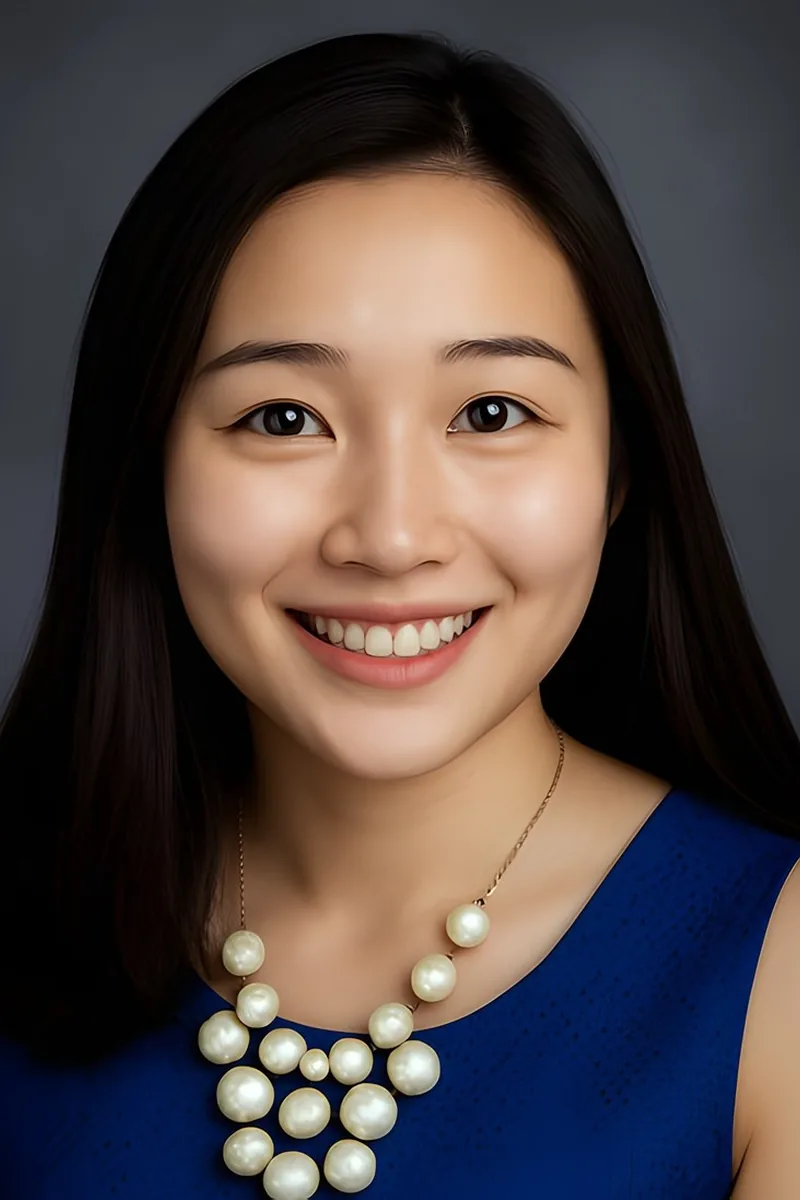
The AP Chinese Language and Culture exam tests more than vocabulary — it demands cultural literacy, formal writing conventions, and the ability to switch between interpersonal and presentational communication on the spot. May is a native speaker who has taught Mandarin at multiple levels and understands how to bridge the gap between conversational fluency and the precise, structured responses the exam rewards.
With dual degrees in Chinese Studies — both a bachelor's and a master's — Ting brings academic depth to the interpretive reading passages on the AP Chinese exam, where students encounter literary and historical texts that go beyond conversational Mandarin. She teaches across five levels of Mandarin Chinese, so she can pinpoint exactly where a student's grammar or character recognition is falling short and address it before exam day. Rated 5.0 by students.
Paul is one of those rare tutors who operates at an advanced level in both Mandarin Chinese and a second foreign language, giving him unusual insight into how tonal languages, character-based writing systems, and cultural frameworks interact on the AP exam. He zeroes in on the interpersonal and presentational communication tasks, coaching students through the real-time speaking and writing prompts that carry the most weight.
Charles speaks both Cantonese and Mandarin and teaches across all four Mandarin Chinese levels, which means he can pinpoint exactly where a student's tonal accuracy or grammatical structure needs tightening before exam day. His strongest contribution to AP Chinese prep is the interpersonal response tasks — he runs rapid-fire conversational drills that build the kind of spontaneous, register-appropriate Mandarin the exam scores highest.
Melody teaches Mandarin Chinese and is currently studying at Columbia, where her coursework in AP Chinese Language and Culture aligns closely with the exam's cultural comparison prompts — the section where students need to articulate specific, nuanced differences between Chinese and American practices rather than recite generalities. Her 4.9 rating from students speaks to her ability to break down both the interpretive listening tasks and the presentational speaking prompts, where tonal clarity and organized delivery under timed pressure make the difference.
Studying economics at Penn while teaching Mandarin Chinese across multiple levels, Mandy brings a practical, structured approach to AP Chinese prep — especially the cultural comparison essays, where her firsthand experience navigating both Chinese and American academic environments gives students concrete material to draw from. She's rated 5.0 by students and zeroes in on the interpretive reading and listening sections, training students to decode formal written Mandarin that goes well beyond conversational fluency.
As a fluent Mandarin speaker studying at Columbia, Zhenyi knows firsthand what it takes to operate at a high level in both English and Chinese — and the AP Chinese exam tests exactly that kind of bilingual agility. She digs into the exam's interpersonal and presentational communication tasks, coaching students on formal register, cultural comparisons, and the idiomatic phrasing that separates a 4 from a 5. Her native fluency means she can catch tonal and grammatical subtleties that non-native instructors often miss.
Growing up as a native Mandarin speaker and now studying computer science at Georgia Tech, Caleb brings an analytical mindset to the AP Chinese exam's listening comprehension section — breaking down how to process rapid formal Mandarin by isolating key structural cues rather than trying to translate every word. He's especially useful for students who speak conversational Mandarin at home but struggle with the exam's academic register and the presentational speaking prompts that demand organized, formal delivery under time pressure.
The AP Chinese Language and Culture exam tests more than vocabulary — it requires students to compare cultural practices, narrate stories in real time, and write structured responses under pressure. Yiyu, educated in Beijing before earning her M.S. in Education, unpacks the cultural knowledge embedded in each task type and drills the specific speaking and writing patterns that earn top scores.
Having tutored the SAT Subject Test in Chinese with Listening and spent time working in Hong Kong, Asta understands both the linguistic and cultural dimensions the AP Chinese exam tests. She digs into the presentational writing and interpersonal speaking tasks that trip up even heritage speakers, breaking down how to structure responses that earn top marks on the rubric.
Scoring well on the AP Chinese exam means toggling between reading comprehension, cultural knowledge, and spontaneous speaking — all in one test. Nicole is fluent in both Mandarin and Cantonese and teaches students to navigate the interpersonal and presentational communication tasks the exam demands. She puts particular emphasis on the cultural comparison essay, where strong structure makes all the difference.
Ten years teaching Mandarin in public schools — from absolute beginners through AP — means Paulkey has watched hundreds of students hit the same walls on the AP Chinese exam, especially the interpersonal response tasks where students freeze up trying to produce spontaneous, culturally appropriate Mandarin in real time. He pairs that classroom experience with a computer science background that makes his prep unusually structured: timed drills, systematic vocabulary review, and targeted practice on the listening comprehension passages that reward quick processing over perfect translation.
Testimonials
Because the right AP Chinese Language and Culture tutor makes all the difference.
Average Session Rating – Based on 3.4M Learner Ratings
Nearby AP Chinese Language and Culture Tutors
Other Philadelphia Tutors
Related Languages Tutors in Philadelphia
Frequently Asked Questions
AP Chinese Language and Culture focuses on developing proficiency across six themes: Global Challenges, Science and Technology, Contemporary Life, Personal and Public Identities, Families and Communities, and Beauty and Aesthetics. The exam tests your ability to understand and produce Chinese in real-world contexts through reading, writing, listening, and speaking. You'll engage with authentic materials like news articles, social media, and videos to build both language skills and cultural understanding.
The exam has two sections: Section I (95 minutes) includes multiple-choice questions for reading and listening comprehension, and Section II (110 minutes) includes free-response tasks like email writing, presentational speaking, and conversational speaking. The speaking portions require you to respond to prompts and engage in simulated conversations, so pacing and clear pronunciation are essential. Understanding each section's timing and format beforehand helps you manage test anxiety and perform confidently.
Reaching professional-level Chinese proficiency generally requires 2,200+ hours of study according to FSI (Foreign Service Institute) estimates, though AP Chinese proficiency is a more achievable intermediate goal. Most students who start AP Chinese have already completed 2-3 years of high school Chinese study. With focused tutoring and consistent practice, students typically need 6-12 months of preparation to strengthen weak areas and master test-specific strategies before exam day.
Students often struggle with tonal accuracy in speaking sections, reading comprehension of complex written passages, and managing time across all four language skills. The conversational speaking portion can trigger test anxiety since it requires real-time responses without preparation time. Additionally, balancing character recognition, grammar structures, and cultural nuances simultaneously can feel overwhelming. Personalized tutoring helps you identify which areas need the most attention and build confidence through targeted practice.
Score improvement depends on your starting level and how consistently you practice, but students typically see meaningful gains—often 1-2 points on the 5-point AP scale—after 3-4 months of focused preparation with expert guidance. The biggest improvements usually come from mastering test-taking strategies, reducing careless errors on reading/listening sections, and building fluency in speaking tasks. Working with a tutor who understands the specific rubrics and scoring criteria helps you target high-impact areas rather than studying everything equally.
Look for tutors who are native or near-native Chinese speakers with deep knowledge of Mandarin grammar, cultural contexts, and AP exam requirements. Ideally, they should have experience teaching the AP Chinese curriculum and familiarity with the exam's speaking and writing rubrics. Varsity Tutors connects you with expert tutors in Philadelphia who understand both the language and the test format, ensuring you get instruction tailored to AP-level expectations rather than general Chinese conversation.
A strong study plan combines daily vocabulary and grammar review with weekly practice on full exam sections and timed speaking tasks. Start by taking a diagnostic practice test to identify weak areas—whether that's reading speed, listening comprehension, or speaking fluency—then allocate study time accordingly. Include authentic materials like Chinese news sites and podcasts to build real-world comprehension, and schedule regular speaking practice to reduce anxiety before the exam. A tutor can help you create a personalized timeline and hold you accountable to your goals.
Philadelphia's diverse student population and 91 school districts offer various AP Chinese programs, though resources vary by school. Many students benefit from supplementing their school instruction with personalized tutoring to address individual gaps and master test-specific strategies. Varsity Tutors connects students in Philadelphia with expert tutors who provide flexible, one-on-one instruction tailored to your pace and learning style, helping you maximize your preparation regardless of your school's resources.
Let’s find your perfect tutor
Answer a few quick questions. We’ll recommend the right plan and match you with a top 5% tutor.