Award-Winning Microbiology Tutors
serving Memphis, TN
Microbiology
Tutors in Memphis
Private 1-on-1 tutoring, weekly live classes for academic support, test prep & enrichment, practice tests and diagnostics, and more to elevate grades and test scores.
Based on 3.4M Learner Ratings
UniversitiesSchools & Universities
DeliveredHours Delivered
ProficiencyGrowth in Proficiency
Who needs tutoring?
No obligation. Takes ~1 minute.

Dental school demanded a deep understanding of oral microbiology — bacterial biofilms, pathogenic mechanisms, and immune responses at the cellular level. Jackson brings that clinical lens to microbiology tutoring, connecting topics like gram staining, microbial metabolism, and virulence factors to real diagnostic scenarios students can visualize.
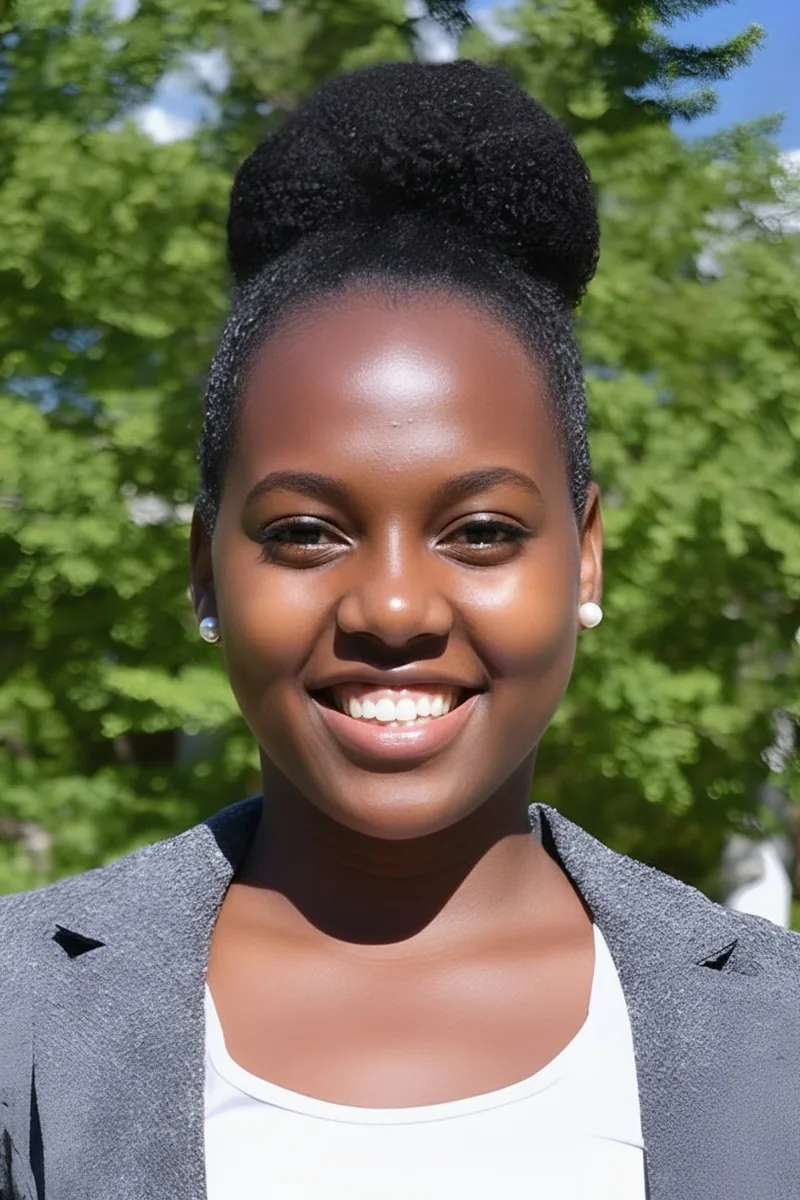
Studying chemistry at Vanderbilt gave Elsa a strong molecular-level lens for understanding microbial processes — from bacterial cell structure and metabolic pathways to mechanisms of antibiotic resistance. She approaches microbiology by connecting cellular machinery to the chemical reactions driving it, which makes topics like gram staining or viral replication cycles easier to retain.
Graduate research in molecular pathology and immunology at Vanderbilt meant Kathleen spent years investigating how microorganisms trigger disease at the cellular and molecular level — from pathogen recognition by immune cells to the signaling cascades that determine whether an infection is cleared or spreads. She teaches microbiology by linking each organism's virulence strategies back to the host immune responses she studied firsthand, turning what often feels like a taxonomy exercise into a coherent story about molecular warfare.
From bacterial cell structure to viral replication cycles, microbiology demands that students keep an enormous number of tiny details organized in their heads. Nicole earned her biology degree at Baylor, where she led dissections and ran a branch of MedLife — experiences that grounded her understanding of microbial concepts in hands-on lab work rather than pure memorization.
Understanding microbiology means getting comfortable with organisms you can't see — bacterial cell structure, viral replication cycles, and the metabolic pathways that keep microbes alive. Varuna's graduate work in biomedical engineering at Tufts involved the biological mechanisms that underpin infection and immunity, giving her a practical lens for teaching concepts like gram staining, antibiotic resistance, and microbial genetics.
Studying microbiology at the college level means juggling bacterial classification, metabolic pathways, virulence factors, and immune response mechanisms all at once. Kristin earned her biology degree at the University of Chicago and now applies microbiology daily in her nursing graduate program at Penn, where pathogen behavior and infection control are part of clinical reality rather than just textbook diagrams.
Bacterial classification, viral replication cycles, and host-pathogen interactions are central to both microbiology coursework and clinical medicine. As a medical student at UMKC, Evelyn encounters these concepts in a clinical context every week, which means she can explain the difference between gram-positive and gram-negative organisms — or how antibiotic resistance develops — with real diagnostic scenarios in mind.
Rashida's PhD in Cellular and Molecular Biology means she teaches microbiology from the inside out — starting at the level of gene regulation, membrane transport, and molecular signaling before zooming out to how microorganisms behave in populations. Her doctoral research and experience leading discussions in cell biology and Mendelian genetics give her a particular knack for explaining how bacteria acquire and express resistance genes, or how horizontal gene transfer reshapes microbial communities. Rated 5.0 by students.
Monika's doctoral thesis was in microbiology, so she teaches bacterial physiology, metabolic pathways, and host-pathogen interactions from firsthand research experience. She unpacks dense topics like quorum sensing and biofilm formation by connecting them to the experimental techniques she actually used at the bench.
Studying microbiology in preparation for medical school gave Nishad a detailed command of bacterial physiology, viral replication cycles, and immune response pathways. He teaches students to connect structure to function — understanding why Gram-negative bacteria resist certain antibiotics, for instance, by tracing the architecture of their outer membrane.
Richard's PhD research at Northwestern is in microbiology, which means he's not teaching this subject from a textbook — he's living it. He digs into topics like bacterial pathogenesis, microbial genetics, and host-immune interactions with the kind of detail that comes from years at the bench. Students preparing for exams or struggling with lab reports get someone who can connect microscopic mechanisms to the bigger public health picture.
Medical school at Penn's Perelman School of Medicine gave Daniel hands-on exposure to microbiology that goes well beyond a standard textbook — from bacterial virulence factors to antibiotic resistance mechanisms to the clinical presentations they produce. He connects microbial physiology to real infectious disease scenarios, which makes distinguishing gram-positive from gram-negative organisms or understanding viral replication cycles far more intuitive.
Haley's day job in a public health laboratory gives her hands-on experience with the bacterial cultures, staining techniques, and antimicrobial susceptibility testing that microbiology courses cover in theory. She brings real bench context to topics like gram-negative vs. gram-positive classification, metabolic pathways, and pathogenesis — turning textbook organisms into something tangible. Rated 5.0 by students.
From bacterial gene regulation to viral replication strategies, microbiology demands comfort with both molecular detail and big-picture ecology. Zachary's graduate work in molecular biology gave him hands-on familiarity with the techniques and concepts — Gram staining, quorum sensing, antibiotic resistance mechanisms — that form the backbone of most microbiology courses.
A Stanford Human Biology degree with a concentration in bioinformatics gave Matthew a computational angle on microbiology — he thinks about microbial populations in terms of gene expression data, genomic analysis, and the quantitative patterns underlying concepts like antibiotic resistance and pathogen evolution. That top-down, systems-level perspective is especially useful for students who struggle to see how individual topics like bacterial metabolism or viral replication fit into the bigger biological picture. Rated 4.9 by students.
Neuroscience training at the undergraduate level means Jhonatan spent significant time with the microbial world — understanding how pathogens cross the blood-brain barrier, how CNS infections progress, and how the gut microbiome communicates with neural tissue. He teaches microbial physiology and host interactions by anchoring them to these neuroimmune connections, giving students a narrative thread through what can otherwise feel like an overwhelming catalog of organisms. Rated 5.0 by students.
Testimonials
Because the right Microbiology tutor makes all the difference.
Average Session Rating – Based on 3.4M Learner Ratings
Nearby Microbiology Tutors
Other Memphis Tutors
Related Science Tutors in Memphis
Frequently Asked Questions
Microbiology students often struggle with visualizing microscopic organisms and cellular processes that can't be seen with the naked eye. Many also find it challenging to connect theoretical concepts—like bacterial reproduction or immune responses—to real-world applications in medicine, food safety, and environmental science. Additionally, students may feel overwhelmed by the volume of terminology and the need to understand both the "how" and "why" behind microbial behavior, rather than simply memorizing facts.
Tutors help students develop strong scientific reasoning skills and understand the purpose behind each lab procedure, not just the steps to follow. They can clarify how to interpret results, troubleshoot experimental issues, and connect lab observations to course concepts. This deeper understanding makes lab reports more meaningful and prepares students to think critically about data—skills that are essential for success in Microbiology and future science courses.
Understanding concepts is far more valuable than memorization alone. While Microbiology does involve learning terminology and structures, the real power comes from understanding how microorganisms function, interact with their environment, and affect human health. Tutors help you build conceptual frameworks—like how antibiotic resistance develops or why certain bacteria thrive in specific conditions—so you can apply knowledge to new situations rather than just recalling isolated facts.
During an initial session, a tutor will assess your current understanding of key Microbiology concepts, identify specific areas where you're struggling (whether it's bacterial classification, metabolic pathways, or lab interpretation), and learn about your learning style. From there, they'll develop a personalized plan focused on your goals—whether that's improving exam performance, mastering lab skills, or building confidence in the subject. This foundation ensures every session is tailored to your needs.
Tutors use diagrams, models, animations, and real-world examples to make microscopic processes tangible and easier to understand. For example, they might walk you through bacterial cell structure visually, explain how antibiotics target specific cellular components, or use analogies to clarify how the immune system recognizes pathogens. This multi-sensory approach helps bridge the gap between abstract concepts and concrete understanding.
Varsity Tutors connects you with tutors who have strong backgrounds in Microbiology and experience helping students master the subject. When you get matched with a tutor, you can discuss their expertise in specific areas—whether that's general Microbiology, medical microbiology, or environmental microbiology—to ensure the best fit for your needs. The personalized matching process means you'll work with someone who understands both the content and how to teach it effectively.
Tutors support students across the full Microbiology curriculum, including bacterial structure and function, microbial genetics, metabolism, growth and reproduction, pathogenesis and virulence, immune responses to infection, and practical applications in medicine, food safety, and biotechnology. Whether you're in a high school AP Microbiology course, a college introductory course, or a more advanced program, tutors can tailor their approach to your specific curriculum and learning goals.
Beyond content mastery, tutoring helps you develop critical scientific thinking—learning to ask "why" questions, design logical experiments, interpret data objectively, and form evidence-based conclusions. These skills are essential for success in Microbiology and transfer directly to other science courses and real-world problem-solving. Tutors guide you through the scientific method and help you think like a microbiologist, not just memorize what microbiologists have discovered.
Let’s find your perfect tutor
Answer a few quick questions. We’ll recommend the right plan and match you with a top 5% tutor.