Award-Winning Biochemistry Tutors
serving Nashville, TN
Biochemistry
Tutors in Nashville
Private 1-on-1 tutoring, weekly live classes for academic support, test prep & enrichment, practice tests and diagnostics, and more to elevate grades and test scores.
Based on 3.4M Learner Ratings
UniversitiesSchools & Universities
DeliveredHours Delivered
ProficiencyGrowth in Proficiency
Who needs tutoring?
No obligation. Takes ~1 minute.
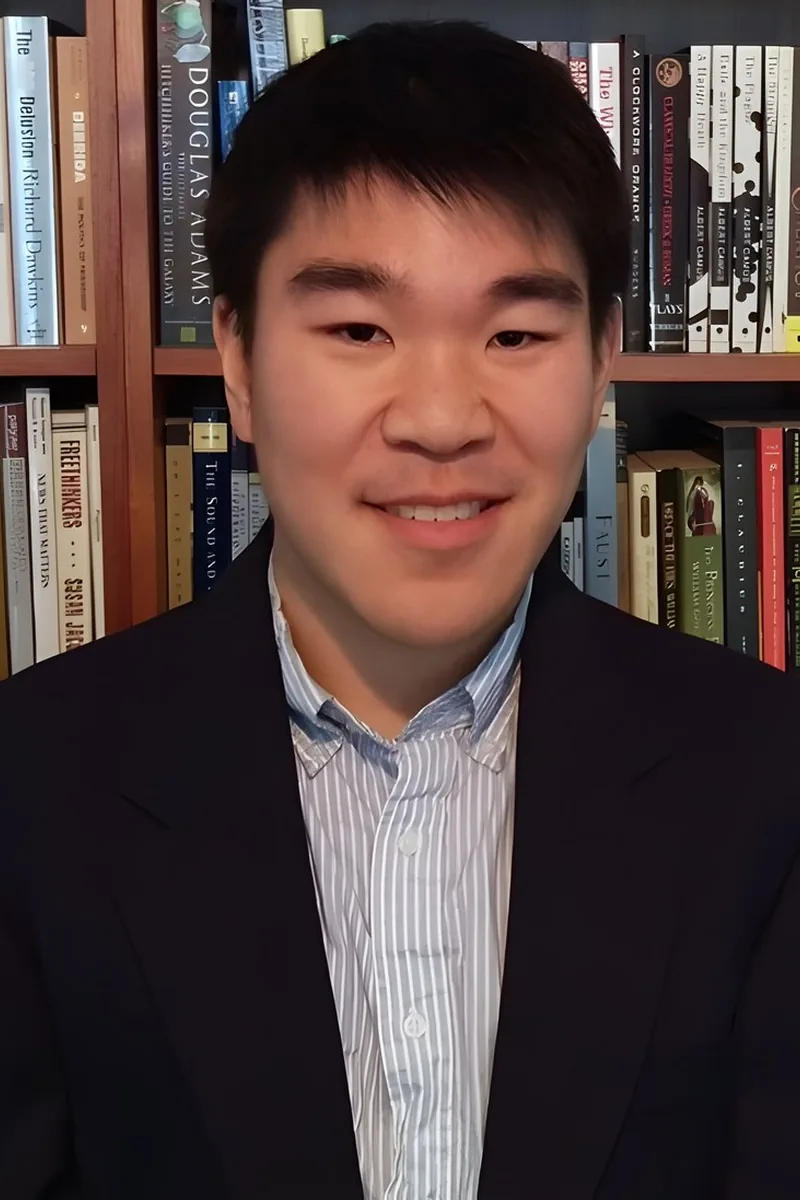
Few tutors can teach biochemistry from the perspective of someone who lived it at the graduate level. Dennis holds a Masters in Chemical and Physical Biology from Vanderbilt and an undergraduate degree in Biochemistry, so topics like enzyme kinetics, metabolic regulation, and protein structure are second nature. He walks through reaction mechanisms and pathway logic in a way that builds real understanding rather than rote memorization.

Enzyme kinetics, metabolic pathways, protein folding — biochemistry sits at the intersection of everything Karen has studied across her biology degree and medical PhD. She unpacks reaction mechanisms and molecular interactions by tying them to physiological contexts, which makes memorizing pathways like glycolysis or the citric acid cycle far more intuitive.
A chemistry degree from Rhodes College plus hands-on clinical internships — including work at Methodist Transplant Institute — means Eric has encountered biochemistry from both the bench and the bedside. He tackles topics like amino acid structure and metabolic regulation by walking through the underlying organic chemistry step by step, so reaction pathways read as logical progressions rather than disconnected diagrams.
Enzyme kinetics, metabolic pathways, and protein structure all demand a kind of thinking that sits right at the intersection of biology and chemistry — exactly where Jhonatan's neuroscience training lives. He unpacks topics like Michaelis-Menten kinetics and amino acid chemistry by connecting molecular details to the larger biological question of why a cell needs this reaction in the first place. Rated 5.0 by students.
As a biochemistry major at Stony Brook who also serves as a chemistry peer tutor and head teaching assistant for college biology, Natalie lives in the overlap between organic chemistry and cellular function that defines this subject. She breaks down topics like enzyme mechanisms and metabolic pathway logic by building from the reaction chemistry first, then layering in the biological context — so students can reason through an unfamiliar pathway instead of memorizing every intermediate. Rated 4.9 by students.
Enzyme kinetics, amino acid structures, metabolic pathways — Biochemistry demands that students hold molecular details and big-picture biological function in their heads simultaneously. Ibi is actively studying these topics in her premedical post-bac program, so she explains concepts like Michaelis-Menten curves and lipid metabolism with the fluency of someone who just worked through them herself. That recency makes a real difference when a student is stuck at 11 p.m. before an exam.
Thomas holds both a biochemistry and molecular biology degree and a master's in biology, which means he's worked through the full gauntlet — from amino acid properties and enzyme mechanisms to the regulatory networks controlling gene expression. That dual-layer training lets him teach something like oxidative phosphorylation by building it up from the organic chemistry of electron carriers before zooming out to the cellular energy budget. Rated 4.8 by students.
Enzyme kinetics, metabolic pathways, protein structure — biochemistry asks students to think about molecules as dynamic systems, not static diagrams. Tina's engineering background at Cornell and her pre-med preparation mean she can unpack topics like Michaelis-Menten kinetics or amino acid chemistry with both quantitative rigor and biological context.
Studying cognitive science on a pre-med track at Rice means Natalie lives in the overlap between biology and chemistry every semester — enzyme kinetics, metabolic pathways, and protein structure are part of her daily coursework. She unpacks biochemistry by anchoring molecular details to the bigger biological question they answer, which makes dense material like the citric acid cycle far more digestible.
Preparing for medical school at UT Houston while finishing a chemistry degree at Rice means Asad has been living in biochemistry from both sides — the rigorous organic and physical chemistry foundations and the biological systems they plug into. He's especially sharp on the MCAT-relevant intersections, like how enzyme mechanisms tie back to organic reaction logic or how metabolic pathway regulation connects to thermodynamic principles. Rated 4.7 by students.
Enzyme kinetics, metabolic pathways, protein structure — biochemistry demands that students think simultaneously about chemistry and biology, which is exactly how Nathaniel trained. His degree in biochemistry and his MCAT preparation mean he can walk through everything from Michaelis-Menten plots to amino acid properties with the depth a college-level course requires.
Enzyme kinetics, metabolic pathways, protein structure — biochemistry demands that students hold chemistry and biology in their heads simultaneously, which is exactly what medical school trains you to do daily. Jamie is currently at Sidney Kimmel Medical College and brings firsthand fluency with topics like Michaelis-Menten kinetics, amino acid chemistry, and the regulation of glycolysis and the citric acid cycle. He breaks down dense pathway diagrams into step-by-step logic that actually makes sense.
Physical chemistry PhD work at UC Berkeley means Jacob spent years quantifying the thermodynamic and kinetic principles that govern every biochemical process — from enzyme catalysis rates to the free energy changes driving metabolic pathways forward. He teaches biochemistry by unpacking the physical chemistry underneath it, so concepts like Michaelis-Menten kinetics or the energetics of oxidative phosphorylation feel like derivable logic rather than formulas to memorize. Rated 4.9 by students.
Having worked in biochemical laboratories alongside his dual bachelor's degrees — including one in biochemistry — and his architecture studies at Columbia, Andrew brings a rare structural intuition to topics like protein folding and macromolecular assembly. He teaches metabolic pathways by building them up from their organic chemistry foundations, so students see each reaction as a logical next step rather than an isolated arrow on a diagram. Rated 4.9 by students.
Genome editing at Rice and computational neuroscience at Hopkins meant Emmanuel had to internalize biochemistry at the molecular level — from CRISPR-associated enzyme mechanisms to the metabolic pathways fueling neural tissue. That hands-on lab fluency lets him teach topics like protein structure and nucleotide chemistry by grounding each concept in the experimental context where it actually matters. Holds a 5.0 rating.
Testimonials
Because the right Biochemistry tutor makes all the difference.
Average Session Rating – Based on 3.4M Learner Ratings
Practice Biochemistry
Free practice tests, flashcards, and AI tutoring for Biochemistry
Nearby Biochemistry Tutors
Other Nashville Tutors
Related Science Tutors in Nashville
Frequently Asked Questions
Biochemistry tutoring covers the structure and function of biological molecules (proteins, lipids, carbohydrates, nucleic acids), enzyme kinetics, metabolic pathways, cellular respiration, photosynthesis, and gene expression. Tutors also help students understand how these molecular-level processes connect to real-world applications in medicine, nutrition, and disease—making abstract concepts tangible and relevant to your coursework.
Biochemistry involves visualizing molecules, reaction mechanisms, and cellular processes that aren't visible to the naked eye. Tutors use molecular models, diagrams, animations, and step-by-step explanations to break down complex structures like protein folding or metabolic cycles into understandable pieces. This visual and conceptual scaffolding helps you build mental models that make problem-solving and exams much more manageable.
Understanding is absolutely more important—and more useful. While biochemistry has many facts to learn, tutors focus on helping you grasp the underlying principles and mechanisms so you can apply knowledge to new problems rather than simply recall information. When you understand why a reaction occurs or how an enzyme works, you can confidently answer exam questions and connect concepts across different topics.
Students often struggle with balancing complex chemical equations, converting between different units and scales, understanding enzyme kinetics and regulation, and connecting molecular concepts to cellular and organismal function. Many also find it challenging to visualize three-dimensional molecular structures or to see how seemingly isolated pathways (like glycolysis or the citric acid cycle) fit into the bigger picture of metabolism. Tutors help bridge these gaps through targeted explanations and practice.
Yes. Tutors can help you understand the theory behind lab experiments, prepare for lab reports, troubleshoot unexpected results, and strengthen your scientific reasoning skills. Whether you're learning chromatography, spectrophotometry, enzyme assays, or protein purification, a tutor can clarify the underlying chemistry and help you connect lab observations to the concepts you're studying in lecture.
Varsity Tutors connects you with expert tutors for students in Nashville who have strong backgrounds in biochemistry and experience explaining complex concepts clearly. When you get matched with a tutor, you can discuss your specific challenges—whether that's enzyme kinetics, metabolic pathways, or exam preparation—so your personalized instruction targets exactly what you need.
Your first session is typically a chance to discuss your current level, specific challenges, and goals—whether you're preparing for an exam, struggling with a particular unit, or aiming to deepen your understanding of the course. The tutor will assess your knowledge and learning style, then create a personalized plan to address your needs and build confidence in biochemistry.
Personalized 1-on-1 instruction allows tutors to identify exactly where you're losing points—whether it's conceptual misunderstandings, careless errors on problem sets, or exam strategy—and address those gaps directly. With targeted practice, clearer explanations of difficult topics, and strategies for approaching complex problems, students typically see measurable improvements in homework, quizzes, and exam performance.
Let’s find your perfect tutor
Answer a few quick questions. We’ll recommend the right plan and match you with a top 5% tutor.