Award-Winning AP Chinese Language and Culture Tutors
serving Dallas, TX
AP Chinese Language and Culture
Tutors in Dallas
Private 1-on-1 tutoring, weekly live classes for academic support, test prep & enrichment, practice tests and diagnostics, and more to elevate grades and test scores.
Based on 3.4M Learner Ratings
UniversitiesSchools & Universities
DeliveredHours Delivered
ProficiencyGrowth in Proficiency
Who needs tutoring?
No obligation. Takes ~1 minute.
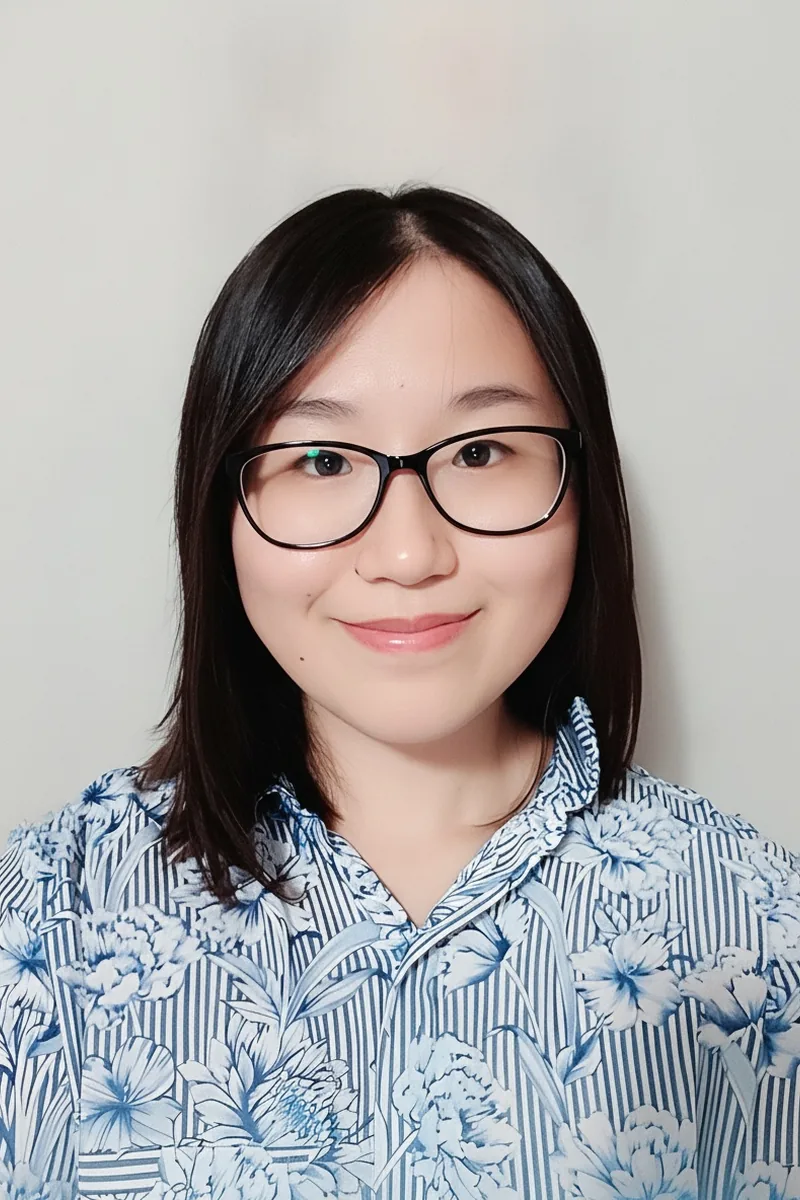
Patricia's favorite subjects to tutor include beginner's and intermediate Chinese, and she brings that same enthusiasm to AP-level prep — particularly the listening comprehension and reading sections where students need to parse formal written Mandarin beyond everyday conversation. She also teaches across multiple Mandarin levels, so she can quickly identify which foundational gaps in grammar or vocabulary are holding a student back on timed exam tasks.
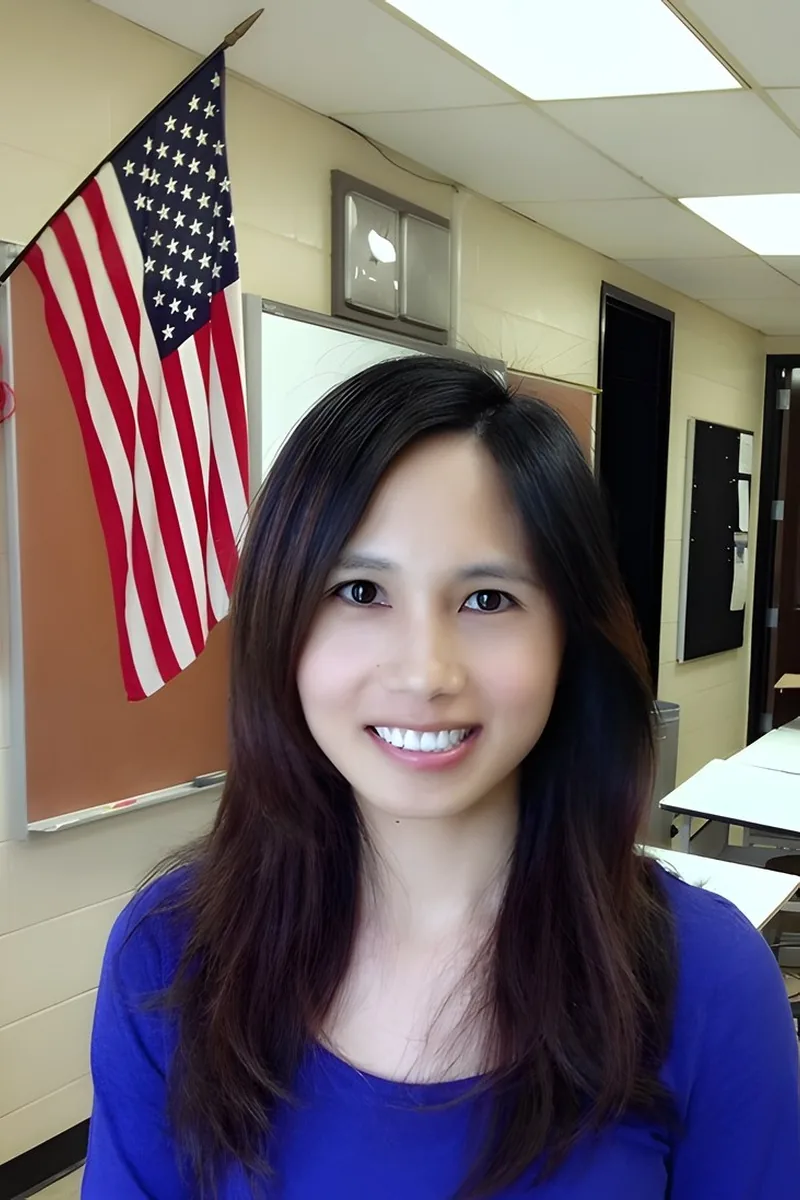
Eight years of teaching Chinese language and culture across elementary, middle, and high school levels — plus directing a K-12 language enrichment program — makes Amanda one of the rare tutors who understands the full arc of the AP Chinese exam. She tackles the interpersonal and presentational speaking tasks head-on, coaching students to respond with cultural nuance and grammatical precision under timed conditions. Rated 5.0 by students.
The AP Chinese exam tests far more than vocabulary recall — it demands cultural knowledge, formal register in writing, and the ability to compare Chinese and American perspectives in presentational speaking. Daniel, who has studied Mandarin through advanced levels, breaks down each exam section so students know exactly what the graders are looking for in their responses.
I'm Jay! I'm currently going to college at the University of Texas at Austin. I am majoring in fine arts and I am also in the pre-medical program. Even though I'm not done with college, I have already published papers in the field of epigenetics since my freshmen year of college. Even though I consider myself to have an expertise in languages, I decided to teach areas in the field of natural sciences because those are the subjects that I am most passionate about.
Growing up as a native Mandarin speaker and now studying computer science at Georgia Tech, Caleb brings an analytical mindset to the AP Chinese exam's listening comprehension section — breaking down how to process rapid formal Mandarin by isolating key structural cues rather than trying to translate every word. He's especially useful for students who speak conversational Mandarin at home but struggle with the exam's academic register and the presentational speaking prompts that demand organized, formal delivery under time pressure.
The AP Chinese exam's cultural comparison essays reward students who can draw on genuine cross-cultural experience — and as a Mandarin Chinese speaker studying at the University of Minnesota, Amy lives that dual perspective daily. She also teaches across multiple Mandarin levels, so she can identify gaps in a student's formal written register or listening comprehension and target those specific weaknesses before exam day.
Jason is a Mandarin speaker who understands both the linguistic and cultural dimensions the AP Chinese exam tests — from formal vs. informal register in presentational writing to the cultural comparisons required in the free-response section. He walks students through listening comprehension strategies and character recognition alongside the cultural knowledge that earns top scores.
Paul is one of those rare tutors who operates at an advanced level in both Mandarin Chinese and a second foreign language, giving him unusual insight into how tonal languages, character-based writing systems, and cultural frameworks interact on the AP exam. He zeroes in on the interpersonal and presentational communication tasks, coaching students through the real-time speaking and writing prompts that carry the most weight.
With dual degrees in Chinese Studies — both a bachelor's and a master's — Ting brings academic depth to the interpretive reading passages on the AP Chinese exam, where students encounter literary and historical texts that go beyond conversational Mandarin. She teaches across five levels of Mandarin Chinese, so she can pinpoint exactly where a student's grammar or character recognition is falling short and address it before exam day. Rated 5.0 by students.
With an economics degree and fluency across four levels of Mandarin Chinese, Alexander brings a practical, content-rich angle to AP Chinese prep — particularly the interpretive listening passages, where students need to process real-world topics like trade, policy, and social trends discussed in rapid, formal Mandarin. He also tackles the exam's cultural comparison essays by drawing on his cross-cultural academic background to teach students how to move beyond surface-level observations and anchor their responses in specific, substantive examples.
The AP Chinese Language and Culture exam tests far more than vocabulary — it demands cultural fluency, the ability to compare perspectives, and comfort producing spoken and written Mandarin under timed pressure. Hannah holds a master's degree in Chinese Studies and is fully fluent in reading, writing, and spoken Mandarin, so she can prepare students for every section of the exam with real cultural context behind each response.
The cultural comparison essay on the AP Chinese Language and Culture exam trips up even strong speakers because it requires analytical writing, not just language proficiency. Julie's philosophy training at Princeton sharpens exactly that skill — breaking down a prompt, organizing a clear argument, and supporting it with specific cultural knowledge. She brings that structured thinking to every section of the exam.
Because Karen teaches both traditional and simplified characters — and has tutored business Chinese alongside academic prep — her AP Chinese students get comfortable with the full range of written forms and registers the exam throws at them, from formal presentational writing to the interpretive reading passages that mix literary and contemporary styles. As a native Mandarin speaker with direct experience preparing students for the AP level, she zeroes in on the tonal precision and grammatical control that separate a 4 from a 5.
Jess studies public policy and peace, war, and defense at UNC Chapel Hill — a program steeped in the kind of geopolitical and diplomatic context that gives AP Chinese cultural comparison essays real substance instead of generic observations. She speaks Mandarin conversationally and teaches it across multiple levels, so she can coach students on bridging the gap between everyday spoken Chinese and the formal presentational writing register the exam actually scores.
Fifteen years growing up in Taiwan gave James native-level Mandarin and the kind of deep cultural intuition that's hard to teach from a textbook — especially useful for the AP exam's interpersonal speaking prompts, where natural tone, register, and cultural awareness separate top scores. He also tutors across five levels of Mandarin, so he can quickly pinpoint whether a student's struggle is grammatical, vocabulary-based, or rooted in unfamiliarity with formal written Chinese. Rated 5.0 by students.
Eileen scored well enough on the SAT Subject Test in Chinese with Listening to understand both the language mechanics and the test strategy behind AP Chinese. She tackles the interpersonal and presentational communication tasks by drilling real conversational patterns and teaching students how to structure spoken and written responses under timed conditions.
Testimonials
Because the right AP Chinese Language and Culture tutor makes all the difference.
Average Session Rating – Based on 3.4M Learner Ratings
Nearby AP Chinese Language and Culture Tutors
Other Dallas Tutors
Related Languages Tutors in Dallas
Frequently Asked Questions
The AP Chinese Language and Culture exam tests proficiency across five key areas: interpersonal communication (conversations and written exchanges), interpretive communication (reading and listening comprehension), and presentational communication (speaking and writing). The exam focuses on real-world language use at the Advanced level of the ACTFL proficiency scale, including cultural knowledge about Chinese-speaking communities. Students need strong skills in all four language domains—listening, reading, speaking, and writing—plus cultural awareness to perform well.
AP Chinese requires mastery of thousands of characters, complex grammar patterns, and cultural nuances that can't be crammed quickly—it typically demands 600+ hours of study to reach professional proficiency. Unlike content-based AP exams, Chinese tests your ability to perform across all four language skills simultaneously, and the speaking and writing sections require real-time production under pressure. Many students underestimate the cultural component, which makes up a significant portion of the exam and requires ongoing engagement with authentic materials.
Varsity Tutors connects you with expert tutors who can target your specific weak areas—whether that's tonal accuracy in speaking, recognizing characters under time pressure, or understanding cultural contexts in reading passages. Tutors can provide intensive practice on the exam's unique format (including the conversation and cultural presentation sections), help you develop efficient study strategies for character recognition, and build confidence through realistic practice tests. Personalized 1-on-1 instruction is especially valuable for AP Chinese because you get immediate feedback on pronunciation and writing that's difficult to self-assess.
The speaking section—particularly the conversation and cultural presentation tasks—trips up many students because it requires real-time language production with limited preparation time and no ability to revise. Students must think quickly, maintain natural pacing, and demonstrate cultural awareness while speaking, all while managing test anxiety. The reading comprehension section is also demanding due to the volume of characters and the need to understand nuance in authentic texts, but speaking anxiety tends to be the biggest confidence barrier for test day.
Score improvement depends on your starting level and how consistently you study, but students who work with tutors typically see meaningful gains within 8-12 weeks of focused preparation. If you're starting from a 3 or 4, reaching a 5 is achievable with targeted practice on weak sections and consistent review of characters and grammar. Tutors can help you identify exactly which sections are holding you back—whether it's listening speed, character recognition, or speaking fluency—so your study time is spent efficiently rather than broadly reviewing material you already know.
Your first session typically includes an assessment of your current proficiency level across all four language skills, a conversation about your target score and timeline, and identification of your biggest challenges (speaking anxiety, character recognition speed, cultural knowledge gaps, etc.). The tutor will likely discuss your study habits, review any practice test scores you have, and create a personalized study plan that prioritizes the areas where you'll gain the most points. You'll leave with clear next steps and a sense of what focused preparation looks like.
Most students benefit from starting preparation 3-4 months before the exam, with tutoring sessions 1-2 times per week combined with 5-7 hours of self-study weekly (character review, listening practice, speaking drills, and reading authentic materials). The exact timeline depends on your current level—students already at intermediate proficiency need less time than beginners. Consistency matters more than intensity; regular, focused practice with a tutor is more effective than cramming, especially for a language exam where retention and fluency are critical.
Look for tutors who have native or near-native fluency in Mandarin Chinese, experience teaching the AP curriculum specifically, and ideally a track record of helping students improve their scores. It's valuable if they understand both the language proficiency standards and the exam format—including the specific rubrics for the speaking and writing sections. Tutors should also be able to teach cultural context, not just grammar and vocabulary, since that's a significant part of what the AP exam tests.
Let’s find your perfect tutor
Answer a few quick questions. We’ll recommend the right plan and match you with a top 5% tutor.