Award-Winning College Physics Tutors
serving Spokane, WA
College Physics
Tutors in Spokane
Private 1-on-1 tutoring, weekly live classes for academic support, test prep & enrichment, practice tests and diagnostics, and more to elevate grades and test scores.
Based on 3.4M Learner Ratings
UniversitiesSchools & Universities
DeliveredHours Delivered
ProficiencyGrowth in Proficiency
Who needs tutoring?
No obligation. Takes ~1 minute.
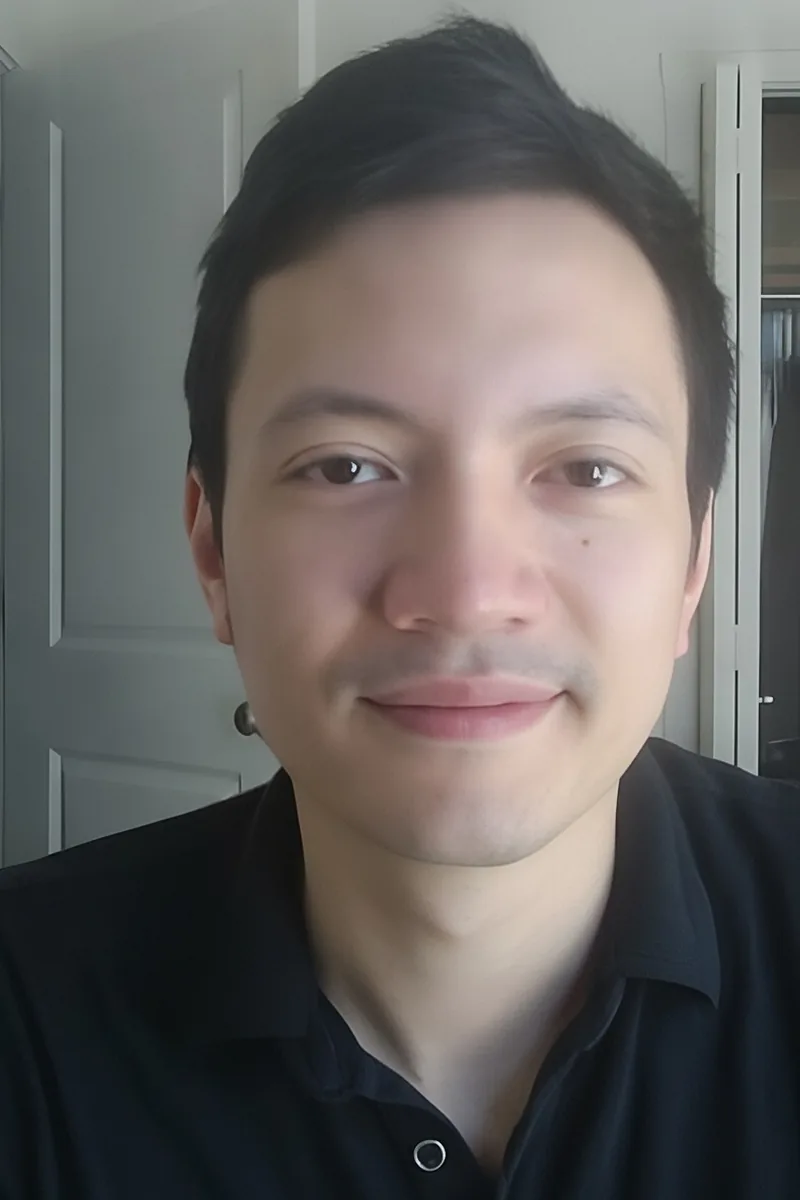
Mechanics is where Cory lights up — it's the moment students first have to fuse physical intuition with real mathematical reasoning, and his physics degree means he can walk through that transition from both sides. He takes a conversational approach, tying concepts like torque or conservation of momentum to situations students have actually encountered, so the equations feel like descriptions of something real rather than symbols to manipulate. Rated 4.9 by students.
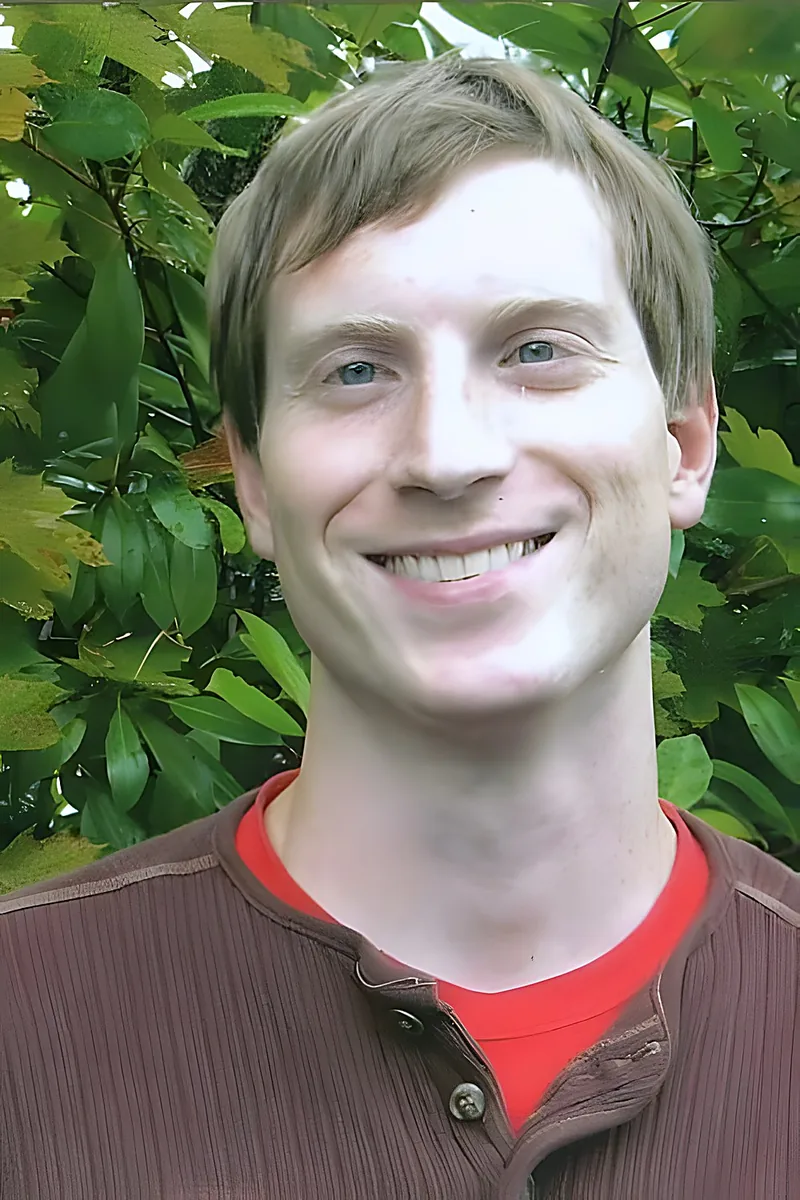
I am a Masters student in Physics at the University of Washington and have over 10 years of teaching and tutoring experience. Most recently, I worked as a teacher at the Yellow Wood Academy, a private high school that offers students a specialized one-on-one classroom environment. At YWA, I taught all high school science classes (including AP, Computer Programming, and Environmental Science) and all levels of high school math. In addition to my teaching and tutoring duties, I designed individualized lesson plans, curricula, homework assignments, and tests. Subjects I have successfully tutored Physics: all levels Chemistry: all levels high school, plus P-Chem, O-Chem Biology: all levels high school Math: all levels high school, plus Differential Equations, Statistics, some Group Theory. Standardized test preparation (incl. SAT, ACT, GRE, MCAT) Need help in another area? Just ask! While math and science are the subjects I am most passionate about, I am well-versed in many academic areas, and I may be able to help you.
When college physics courses hit circuits, capacitors, and electromagnetic induction, Daniel's electrical engineering training at Stevens kicks in — these aren't abstract textbook topics for him but the foundation of everything he's built and designed. He breaks intimidating multi-concept problems into smaller, logical steps, stripping away the fear factor that keeps students from seeing the physics clearly. His experience running calculus review sessions for 200+ students at a time means he's unusually good at finding the explanation that actually clicks.
Biomedical engineering at Duke means Eric solves physics problems daily — modeling forces on prosthetic joints, analyzing fluid flow through artificial vessels, calculating electrical signals in biosensors — so the mechanics and electromagnetism in a college physics course map directly onto work he's already doing. He breaks multi-step problems into their physical components first, making sure the reasoning is solid before any math hits the page. Holds a 5.0 rating.
A physics degree means Nima didn't just pass college physics — he built his entire undergraduate education on top of it, from classical mechanics through electromagnetism and modern physics. He breaks down multi-step problems by teaching students to identify the governing principle first, then translate it into math, which is where a 1580 SAT and deep comfort with calculus-based reasoning pay off.
A computer science degree from UCLA means Michael spent semesters deep in the physics that underpins simulation and graphics — kinematics, force modeling, energy systems — and his 1560 SAT confirms the quantitative chops to handle calculus-based problem solving. He teaches students to treat each physics problem like debugging code: isolate what you know, identify the governing principle, then execute step by step until the answer falls out.
A bio-organic chemistry degree means Alex spent semesters in calculus-based physics courses where thermodynamics, electromagnetism, and mechanics weren't electives — they were prerequisites for understanding molecular behavior. That chemistry-physics overlap gives him a knack for unpacking energy conservation and electric potential in ways that click for students who think in terms of atoms and reactions rather than pulleys and ramps.
Three years of tutoring introductory physics while completing dual bachelor's degrees in physics and mathematics gave Justin a detailed map of exactly where students lose the thread — the jump from one-dimensional kinematics to rotational analogs, the shift from intuitive force reasoning to formal energy methods. His PhD in Computational Mathematics at the University of Chicago deepened that foundation, adding fluency with the differential equations and vector calculus that make the leap from algebra-based to calculus-based physics so steep. Rated 5.0 by students.
Building things that actually work — which is what mechanical engineering is — means Vania spent her degree applying Newton's laws to real structures, calculating heat transfer through materials, and analyzing fluid flow, not as textbook exercises but as design requirements. That hands-on engineering intuition shows up when she breaks down free-body diagrams or walks through energy conservation problems, because she's solved versions of them that had to hold up in the physical world. Her 1590 SAT underscores the quantitative precision she brings to calculus-based problem solving.
Engineering physics at Cornell means Daniel is taking the most mathematically demanding version of every physics course — mechanics, E&M, waves, thermo — and building the intuition to move fluidly between physical reasoning and formal derivation. He's particularly strong at teaching students how to set up problems from scratch, translating a word problem into a free-body diagram or energy equation before any numbers appear. Rated 5.0 by students.
Engineering coursework at Cornell means Abby is actively grinding through the same calculus-based physics — mechanics, wave motion, electromagnetism — that her students are tackling, which keeps her explanations grounded in the specific problem styles and pitfalls that show up on current exams. She breaks down multi-step problems by isolating the physical principle first, then translating it into the math, so students stop guessing which equation to use. Holds a 5.0 rating.
Biomedical engineering at Yale means Ellie applies physics daily — from fluid dynamics in circulatory models to electromagnetic principles in medical imaging. She breaks down topics like torque, wave optics, and circuit analysis by connecting them to real systems she encounters in her coursework and research. Rated 5.0 by students.
Three science-focused bachelor's degrees — including biology — meant Garrett sat through the full calculus-based physics sequence and kept coming back to it in physiology and physical chemistry, where concepts like fluid dynamics, pressure gradients, and energy transfer show up again and again. That repeated exposure across disciplines gives him an intuitive feel for when to apply conservation of energy versus momentum, or how to reason through a thermodynamics problem without getting lost in the formalism. His 1530 SAT speaks to the quantitative sharpness he brings to each session.
Studying applied mathematics at Caltech means Samuel encounters physics constantly — from classical mechanics and energy conservation to electromagnetism and wave behavior. He breaks down the math behind physical systems so that equations like Maxwell's or Newton's second law feel like tools rather than obstacles.
Studying applied physics at Cornell means Ritesh isn't just teaching college physics concepts — he's actively using them in coursework and research. He digs into the areas that trip up most introductory students, like applying Newton's laws to rotational systems, working through Gauss's law problems, or connecting energy conservation to real circuits. His 4.6 rating speaks to his ability to make those connections click.
Testimonials
Because the right College Physics tutor makes all the difference.
Average Session Rating – Based on 3.4M Learner Ratings
Other Spokane Tutors
Related Science Tutors in Spokane
Frequently Asked Questions
Varsity Tutors matches Spokane students with expert College Physics tutors for 1-on-1 instruction. We pair each student with a tutor based on their specific needs, learning style, and goals.
Whether you need homework help, exam prep, or want to get ahead, our College Physics tutors are ready to help.
Common challenges include gaps from earlier material, difficulty with specific concepts, and trouble applying learning to new problems. These issues can snowball quickly in College Physics.
A tutor identifies where you're stuck, fills in gaps, and provides targeted practice. The 1-on-1 format means you get help exactly where you need it.
Tutors work with your student's actual coursework—homework assignments, class notes, and upcoming tests. This keeps tutoring directly relevant to what's happening in the classroom.
When you share information about your student's school and curriculum, we can match you with a tutor who has relevant experience.
All tutors complete background checks, credential verification, and teaching evaluation. Many of our College Physics tutors hold advanced degrees or have years of teaching experience.
You can review tutor profiles to find someone with the right background for your student's level and needs.
Many students see improved grades within a few weeks, along with better understanding of College Physics concepts and more confidence tackling challenging material.
Tutors track progress and adjust their approach to ensure continued improvement.
Most students benefit from 1-2 sessions per week. More frequent sessions help if your student is significantly behind or has an important exam coming up.
Your tutor can recommend a schedule based on your student's specific situation and goals.
Tutoring is purchased in packages of hours, with rates varying by tutor experience. Varsity Tutors offers several options to fit different budgets and needs.
You can discuss pricing during your consultation to find what works best.
Your tutor will assess where your student is, discuss goals, and start working on priority areas. Most students bring current homework or upcoming test material to focus on.
By the end, you'll have a clear sense of how the tutor can help and a plan for moving forward.
Let’s find your perfect tutor
Answer a few quick questions. We’ll recommend the right plan and match you with a top 5% tutor.