Award-Winning SAT Tutors
serving Gilbert, AZ
SAT
Tutors in Gilbert
Private 1-on-1 tutoring, weekly live classes for academic support, test prep & enrichment, practice tests and diagnostics, and more to elevate grades and test scores.
Based on 3.4M Learner Ratings
UniversitiesSchools & Universities
DeliveredHours Delivered
ProficiencyGrowth in Proficiency
Who will be getting tutoring?
No obligation. Takes ~1 minute.
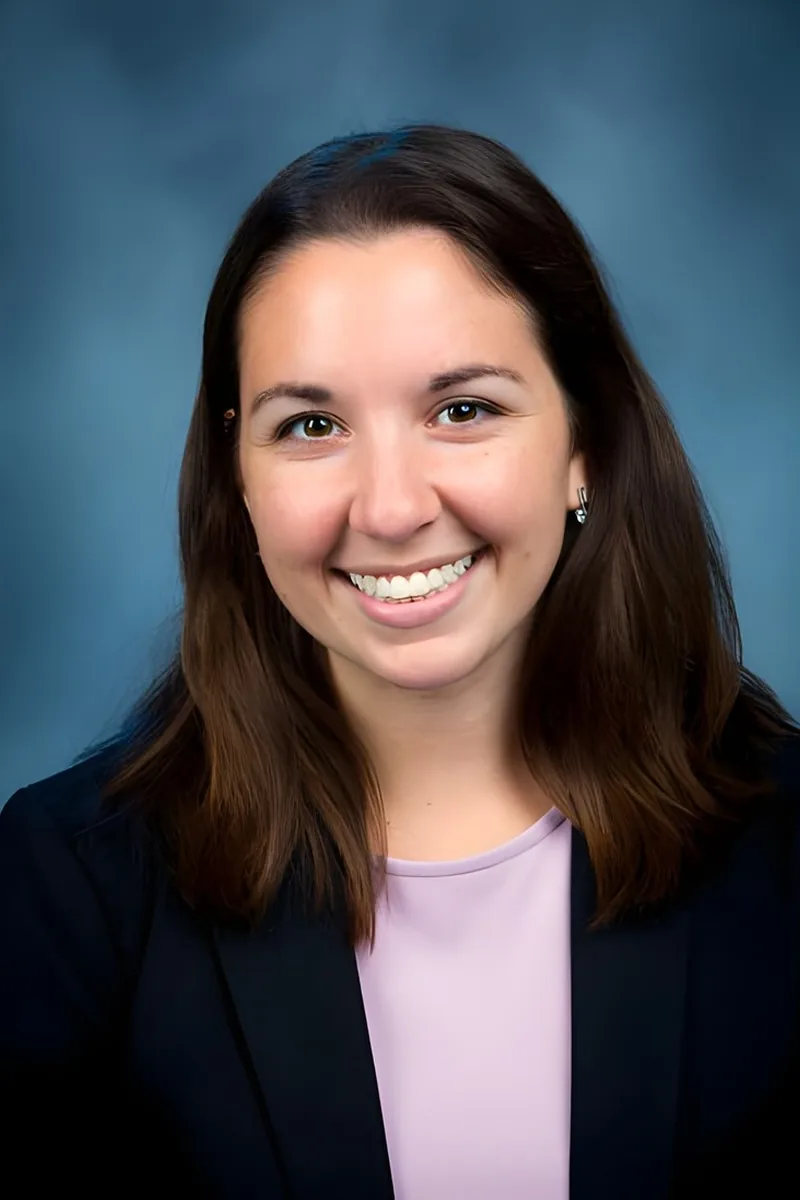
Bridget scored a 1460 on the SAT and has been coaching students through the exam while simultaneously teaching high school math and social studies — two subjects that map directly onto the test's core sections. Her education background at TCU, paired with a math minor, means she can break down both the Evidence-Based Reading passages and the no-calculator algebra problems with equal confidence. Rated 4.7 by students, she builds targeted prep plans around the specific question types that trip each student up.
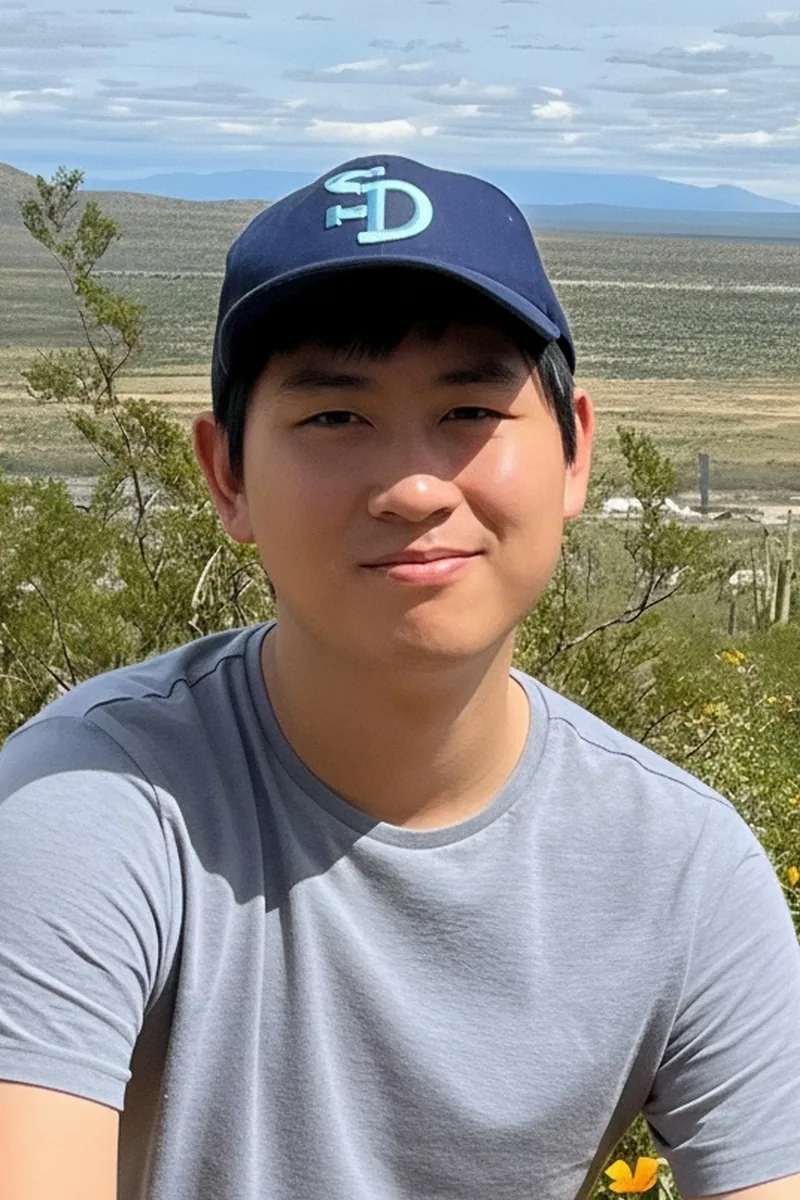
Computer science trained Lintton to think in systems — and the SAT rewards exactly that kind of structured reasoning, from identifying patterns in algebra-heavy math questions to parsing the logical flow of evidence-based reading passages. His 1440 SAT score and CS background at the graduate level mean he approaches test strategy like debugging code: isolate the problem, test solutions methodically, and eliminate what doesn't work. Rated 5.0 by students.
Scoring a 1480 on the SAT gave Ben a clear map of how the test works — from the evidence-based reading passages that reward strategic elimination to the no-calculator math section where algebraic fluency matters most. His background in English and humanities means he's especially strong on the Reading and Writing sections, where he teaches students to identify the rhetorical patterns the College Board recycles across exams. Rated 4.7 by students, he brings the same analytical rigor to test strategy that earned him valedictorian honors.
Medical school demands the same skill the SAT rewards — extracting the right answer from dense, unfamiliar material under serious time pressure. Alex, who scored a 1590, teaches students to treat the Reading section like a data problem: find the claim, locate the evidence, eliminate what doesn't match. His chemical engineering training at Washington and Lee also means the math section's algebra and data analysis questions are territory he can break down cold.
I am a graduate student at Arizona State University studying Human and Social Dimensions of Science and Technology, and am passionate about the value of education at all levels. Previously I worked at the US Department of Energy on energy technology in Washington, DC. I have enjoyed setting up roots in Phoenix over the past few years, and am excited about sharing my knowledge and passion for learning with others in the area.I have a knack for explaining complicated ideas to people in simple terms, enjoy deepening people's understandings of issues, and value education highly. All of these characteristics make me an ideal tutor for Varsity Tutors, and I look forward to the opportunity to share my academic experiences and skills with tutees. In addition, I can give an expert's perspective on a wide range of topics including political science, public policy, various topics in science and technology, as well as an academic success-oriented mindset.
Chemical engineering coursework at ASU Barrett means Alex lives in the kind of algebraic reasoning and data interpretation that dominates the SAT Math section — and his 1560 composite shows he can execute on the verbal side just as effectively. He teaches students to spot the recurring grammar patterns in Writing & Language and to build a timing strategy that prevents the rushing mistakes most scores are lost to. Rated 5.0 by students.
Lindsay's biology and math double background at the University of Arizona means she can coach both sides of the SAT without switching gears — moving from algebraic reasoning and data interpretation on the Math section to passage analysis and evidence-based questions on the Reading and Writing side. She scored a 1480 on the SAT herself and uses that experience to teach students specific pacing and elimination strategies rather than generic test advice. Rated 4.9 by students.
What sets Ajay apart for SAT prep is the combination of electrical engineering training and genuine strength in English — he teaches across both sides of the exam without switching gears, from algebraic reasoning and data interpretation in the Math section to passage structure and grammar logic in Reading and Writing. His 1590 SAT score means he's mastered the specific timing and elimination strategies that separate a good score from a great one.
What separates a 1500 from a 1580 on the SAT often comes down to discipline in the last 20 minutes of each section — knowing which questions to double-check and which traps to sidestep under pressure. Jake scored a 1580 and now teaches the specific pacing and elimination strategies that work across both the math and verbal sides of the exam. His marketing degree also gives him an unusual read on the Writing and Language section, where persuasive structure and rhetorical choices mirror what he studied at the university level.
Having tutored across sciences, math, history, and English — and scored a 1550 on the SAT herself — Amanda covers the full exam without needing to hand off sections to another tutor. Her anthropology and biology training built the kind of close-reading and data-interpretation habits that translate directly to evidence-based passage questions and the math section's graph-heavy problem sets. Rated 4.9 by students.
Math research involving Markov chains and combinatorial optimization at Smith College means Emily thinks in exactly the structured, pattern-driven way the SAT rewards — especially on the no-calculator algebra and data analysis questions where setting up the problem correctly matters more than raw computation. Her 1550 SAT score backs that up, and her breadth across reading, essay editing, and grammar means she coaches the verbal sections with the same precision. Rated 5.0 by students.
Elizabeth's master's work in Chinese politics required the kind of dense, argument-heavy reading that mirrors exactly what students face in SAT evidence-based passages — parsing complex claims, weighing competing interpretations, and identifying how authors support their positions. She scored a 1500 on the SAT herself and uses that experience to teach concrete strategies for pacing, eliminating trap answers, and translating word problems into solvable equations on the math side. Holds a 5.0 rating from students.
Most SAT score jumps come from fixing a handful of repeatable mistakes — misreading quadratic word problems, rushing through no-calculator algebra, or second-guessing evidence-pair questions. Yurok's dual physics and math training at Emory means he can diagnose exactly where those errors originate and teach the underlying reasoning, not just test tricks. He scored a 1570 and holds a 4.9 rating from students.
Yale trained Annelisa to read like a critic and argue like a journalist — skills that map directly onto the SAT's evidence-based reading and writing sections, where identifying an author's purpose and supporting claims with textual evidence decides most questions. She scored a 1570 on the SAT herself and uses that experience to teach students the specific pacing and elimination techniques that close the gap between understanding a passage and actually picking the right answer.
Scoring a 1550 on the SAT means Anita knows exactly where points are won and lost across both the Evidence-Based Reading and Math sections. As someone training to become a teacher through ASU's secondary education program, she breaks down test strategies with the clarity of an educator — not just someone who happened to score well. Rated 5.0 by students, she tailors prep around the specific question types that trip each student up most.
Hi! I'm a STEM, SAT/ACT, and language tutor with over a decade of teaching and tutoring experience. I have tutored students in every grade level in K-12 and first and second year college students. I mainly teach Math, Science, Physics, Hindi, English, French, ACT (35 score), and SAT (1560 score), and other subjects upon request.
Philosophy taught Galen how to pick apart an argument's structure — a skill that maps directly onto the SAT's evidence-based reading questions, where identifying how an author builds a claim is half the battle. He applies that same precision to the Writing and Language section, teaching students to spot grammar and rhetoric patterns rather than relying on what "sounds right." He scored a 1480 on the SAT and holds a 5.0 tutoring rating.
I am Arizona born and raised, my education includes an NYC law school degree with an undergraduate BS degree from University of Miami. In college I majored in Health Sciences with minors in Psychology and Public Health while in law school I leaned into corporate law and finance. Between law school and college I've pretty much covered every topic under the sun! In my spare time, I enjoy reading (especially mystery novels), pretending I'm a chef, and meditating.
Creative writing training sharpens exactly the skills the SAT's Reading and Writing sections demand — recognizing how authors structure arguments, why specific word choices matter, and what makes one piece of evidence stronger than another. Steven scored a 1530 on the SAT and uses his deep familiarity with language and rhetoric to teach students how to spot the grammar patterns and passage-level traps that cost the most points. His Flinn Scholarship background at ASU's Honors College reflects the kind of rigorous analytical reading that translates directly to test-day performance.
As a math major and calculus TA at the University of Arizona, Scott brings genuine fluency to the SAT Math section — he teaches students to spot the algebraic shortcuts and data-analysis patterns that save critical minutes on test day. His 1520 SAT score reflects broad command of the verbal side too, where he applies the same structured thinking from his English tutoring and essay-writing background to break down evidence-based reading questions and grammar traps.
Physics and math majors tend to see the SAT differently — Sam treats the math section as applied problem-solving rather than test trickery, and his analytical reading habits carry over to breaking down evidence-based passages with the same logical rigor. He scored a 1510 on the SAT himself and knows where the exam rewards careful reasoning over speed. Rated 5.0 by students.
Three years as a primary instructor at a Kumon Math and Reading Center gave Megan a clear picture of where foundational gaps show up under pressure — exactly the kind that cost students easy points on SAT Math and Evidence-Based Reading. She scored a 1540 on the SAT herself and uses that experience to teach pacing and pattern recognition across both sections, especially on algebra-heavy questions and vocabulary-in-context traps.
Gordon's SAT prep breaks each section into repeatable strategies — identifying trap answers in Evidence-Based Reading, applying algebra shortcuts in the no-calculator section, and structuring grammar fixes around a handful of recurring rules. His experience through Teach for America and mentoring ASU undergrads means he's adapted these techniques for students at every starting level. He covers all three sections with equal depth, building a study plan around each student's weakest question types.
The best part of tutoring is promoting students' long-term success through mastery of reading, writing, math, study skills, organization, and critical thinking. In particular, I enjoy helping students build test-taking strategies and core skills for the ACT, SAT, and other admissions tests. I also support pre-K and K-12 students learning math and ELA. Before joining Varsity, I tutored in a Reading and Writing Lab for university students with learning disabilities where I earned a College Reading and Learning Association (CRLA) certification. Since joining Varsity, I have completed continuing education through the Lastinger Center for Learning. I graduated from the University of Arizona in 2021 with a BA in Cultural Anthropology. In addition to tutoring, I have worked as an instructional aide for an art program, an applied anthropology researcher, and a nonprofit program coordinator. Out of all these experiences, I enjoy tutoring the most. I look forward to working with you!
What separates a good SAT score from a great one is often the math section's trickiest question types — the ones that look like word problems but are really testing algebraic translation and data reasoning. Leah's math degree means she can teach students to spot those patterns quickly, and her 1520 SAT score shows she applies that same precision across the Reading and Writing sections too. She covers both halves of the exam without switching gears, building a unified strategy around careful reading and efficient problem-solving.
Aerospace engineering at Georgia Tech means Naveen lives in the quantitative reasoning and problem-solving that dominate the SAT Math section — from algebraic modeling to data analysis under time pressure. He scored a 1570 on the SAT and uses that experience to teach specific pacing tricks and pattern-recognition shortcuts for both the math and verbal sides of the exam.
Kristi scored a 1460 on the SAT and brings a cross-disciplinary edge — she tutors everything from calculus to literature to essay editing, which means she can tackle both the Math and Evidence-Based Reading & Writing sections without switching gears. She's particularly strong at teaching students how to dissect passage-based questions and eliminate trap answers using context clues. Rated 5.0 by students.
Chemical engineering coursework means Adrian lives in the algebra, data analysis, and problem-solving that dominate the SAT Math section — he teaches students to spot which formula a question is actually testing before they start calculating. On the verbal side, he draws on his essay editing and literature background to break down evidence-based reading pairs and grammar rules systematically. His 1450 SAT score backs up an approach built on pattern recognition across both sections.
Having recently navigated the SAT herself and scored a 1490, Michelle knows exactly where the exam tries to trip students up — the deceptively simple algebra questions, the evidence-pair traps in Reading, the grammar rules disguised as style choices in Writing. Her history degree sharpened the close-reading and argument-analysis skills that make the verbal sections click, while her quantitative reasoning chops keep the math side covered. Rated 5.0 by students.
A 1490 SAT scorer with a biology degree from ASU, River breaks the test into learnable systems — from evidence-based reading passages to the data interpretation and algebra problems that dominate the math sections. The science background is a quiet advantage on the SAT, where graph-reading and experimental reasoning questions trip up students who only drill pure math. Rated 4.8 by students.
What sets Alexis apart in SAT prep is a coaching mentality — she treats score improvement like athletic training, where learning the underlying concepts, drilling smart techniques, and structured repetition compound over time. Her 1470 SAT score and Religion/Arts background give her genuine fluency on both sides of the exam, from algebraic problem-solving to the rhetorical analysis and evidence-based reading questions that trip up students who rely on instinct alone. Rated 5.0 by students.
Having navigated both community college and a four-year university path, Taylor understands the pressure of using SAT scores to open doors — and scored a 1460 by building section-specific routines rather than grinding through generic practice tests. Her English major sharpens the verbal side, where she teaches students to spot grammar patterns and work through evidence-based reading questions efficiently, while her algebra tutoring background keeps the math section covered. Rated 4.9 by students.
An astrophysics degree from the University of Arizona and time spent programming for NASA missions like Cassini and Galileo means Chris brings genuine comfort with the quantitative reasoning and data interpretation that trip students up on the SAT. He scored a 1400 and breaks the exam into manageable patterns — particularly the no-calculator math section and evidence-based reading questions, where knowing how to extract information efficiently makes the biggest difference. His teaching background keeps sessions structured around building real test-day strategy, not just reviewing content.
Jared scored a 1590 on the SAT — just 10 points shy of perfect — and teaches across every section the exam covers, from algebra and data analysis to evidence-based reading and grammar. His Romance Languages background sharpens his approach to the verbal side, where he unpacks passage structure and vocabulary-in-context questions with the same precision a linguist brings to close reading. On the math sections, he draws on his quantitative reasoning and calculus teaching to walk students through the multi-step problems that eat up time under pressure.
Shannon scored a 1450 on the SAT and brings that firsthand experience to breaking down each section's specific demands — from evidence-based reading questions that hinge on a single word choice to the grammar rules the Writing section tests over and over. Her background spanning essay editing, literature, and math means she can coach the full exam rather than just one half. Rated 4.9 by students, she zeroes in on where points are being lost and builds targeted strategies around those gaps.
After earning degrees in history and law before pivoting to tech entrepreneurship, John developed the kind of rigorous analytical reading that the SAT's evidence-based passages demand — picking apart arguments, weighing claims against evidence, and spotting rhetorical moves. He scored a 1490 on the SAT and teaches both sections with an emphasis on translating dense, unfamiliar passages into clear logical structures. Rated 5.0 by students.
Computer science training at Barrett Honors College gave Ken a structured, algorithmic approach to the SAT — he teaches students to recognize problem types on the Math section and apply efficient solving patterns rather than reworking each question from scratch. His 1440 SAT score and broad tutoring range across reading, writing, and math mean he can address all sections of the exam in a single session, adjusting strategy based on where a student is losing the most points.
Mechanical engineering coursework at Arizona State gave Nitesh daily practice in exactly the kind of multi-step quantitative reasoning the SAT Math section demands — translating word problems into equations, manipulating algebraic expressions under time pressure, and interpreting data from tables and graphs. He scored a 1430 on the SAT himself and pairs that firsthand test experience with strong coverage of the Reading and Writing side, drawing on his background in essay editing and literature. Rated 4.9 by students.
A biochemistry degree means William is equally comfortable coaching the math and evidence-based reading sections of the SAT, where scientific graphs and data interpretation regularly appear. He scored a 1400 and built his prep strategy around identifying the specific question patterns the College Board reuses — particularly in the no-calculator math section and the command-of-evidence reading questions. That cross-disciplinary comfort lets him adapt sessions quickly depending on which section a student needs the most work on.
Hritik's biochemistry degree required the same blend of quantitative precision and dense reading comprehension that the SAT demands across both sections — parsing complex passages and solving multi-step algebra problems under time pressure. He scored a 1420 on the SAT himself and uses that experience to teach students how to spot the specific traps in evidence-based reading questions and avoid careless errors on the no-calculator math problems. Rated 4.7 by students.
Testimonials
Because the right SAT tutor makes all the difference.
Average Session Rating – Based on 3.4M Learner Ratings
Practice SAT
Free practice tests, flashcards, and AI tutoring for SAT
Other Gilbert Tutors
Related Test Prep Tutors in Gilbert
Frequently Asked Questions
Varsity Tutors matches Gilbert students with expert SAT tutors for 1-on-1 instruction. We pair each student with a tutor based on their specific needs, learning style, and goals.
Whether you need homework help, exam prep, or want to get ahead, our SAT tutors are ready to help.
Common challenges include gaps from earlier material, difficulty with specific concepts, and trouble applying learning to new problems. These issues can snowball quickly in SAT.
A tutor identifies where you're stuck, fills in gaps, and provides targeted practice. The 1-on-1 format means you get help exactly where you need it.
Tutors work with your student's actual coursework—homework assignments, class notes, and upcoming tests. This keeps tutoring directly relevant to what's happening in the classroom.
When you share information about your student's school and curriculum, we can match you with a tutor who has relevant experience.
All tutors complete background checks, credential verification, and teaching evaluation. Many of our SAT tutors hold advanced degrees or have years of teaching experience.
You can review tutor profiles to find someone with the right background for your student's level and needs.
Many students see improved grades within a few weeks, along with better understanding of SAT concepts and more confidence tackling challenging material.
Tutors track progress and adjust their approach to ensure continued improvement.
Most students benefit from 1-2 sessions per week. More frequent sessions help if your student is significantly behind or has an important exam coming up.
Your tutor can recommend a schedule based on your student's specific situation and goals.
Tutoring is purchased in packages of hours, with rates varying by tutor experience. Varsity Tutors offers several options to fit different budgets and needs.
You can discuss pricing during your consultation to find what works best.
Your tutor will assess where your student is, discuss goals, and start working on priority areas. Most students bring current homework or upcoming test material to focus on.
By the end, you'll have a clear sense of how the tutor can help and a plan for moving forward.
Let’s find your perfect tutor
Answer a few quick questions. We’ll recommend the right plan and match you with a top 5% tutor.