Award-Winning AP Spanish Literature and Culture Tutors
serving Denver, CO
AP Spanish Literature and Culture
Tutors in Denver
Private 1-on-1 tutoring, weekly live classes for academic support, test prep & enrichment, practice tests and diagnostics, and more to elevate grades and test scores.
Based on 3.4M Learner Ratings
UniversitiesSchools & Universities
DeliveredHours Delivered
ProficiencyGrowth in Proficiency
Who needs tutoring?
No obligation. Takes ~1 minute.

Studying Spanish and Education at CU Boulder, Annie is deep in the material that AP Spanish Literature and Culture demands — from analyzing García Márquez's magical realism to unpacking the poetry of Sor Juana Inés de la Cruz. She teaches students how to write the presentational essays and comparative analyses the exam requires, connecting literary themes across time periods and genres. Rated 5.0 by students.
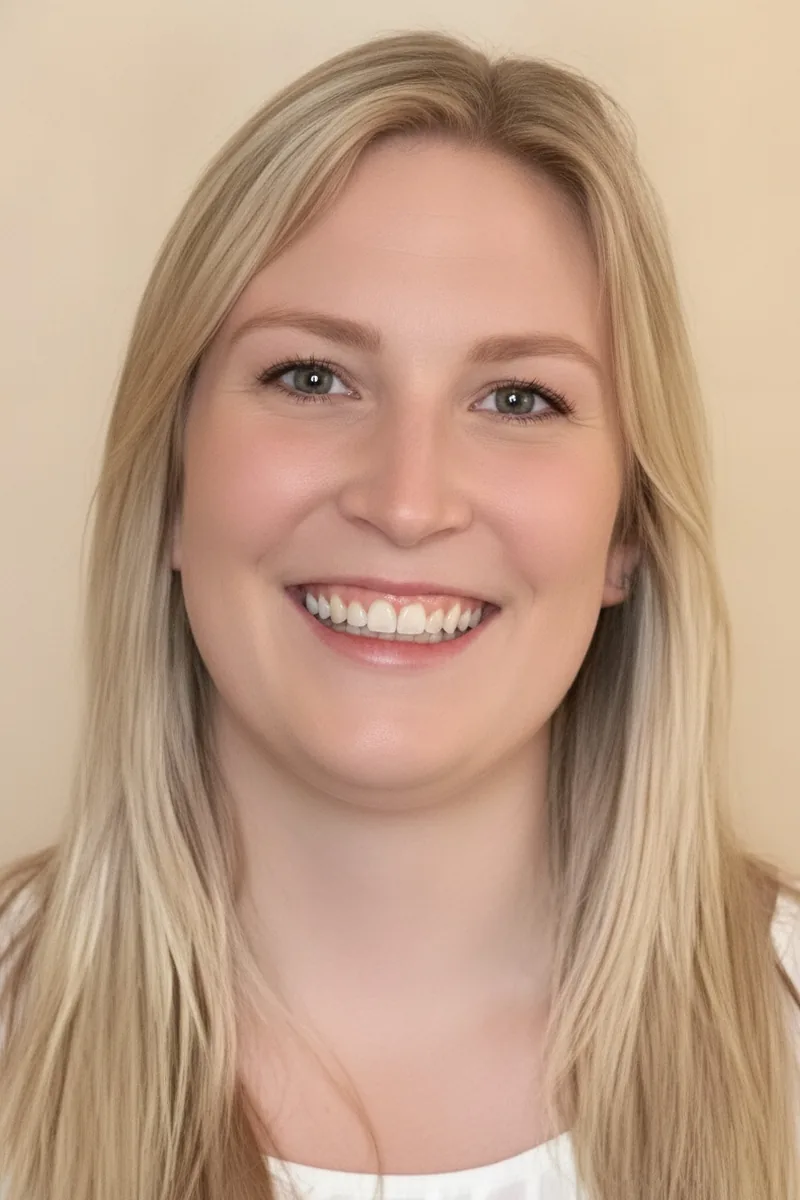
Courtney earned her Master's in Hispanic and Latin American Languages alongside a BA in Spanish and Iberian Studies — meaning the literary periods, genres, and cultural movements on the AP reading list aren't exam prep material for her, they're the core of her academic training. She teaches students to build analytical essays in Spanish that connect a text's formal choices to the broader tradition it belongs to, whether that's tracing magical realism's roots in a passage or identifying how a Golden Age sonnet's structure reinforces its argument.
Born and raised in San Juan, Puerto Rico, Carla is a native Spanish speaker whose theater background gives her a distinctive angle on literary analysis — she teaches students to read dramatic texts like *La casa de Bernarda Alba* and poetry by Sor Juana as living performances, not just words on a page. That instinct for voice, tone, and subtext translates directly to the close-reading and essay skills the AP exam rewards. Rated 5.0 by students.
Medical school and AP Spanish Literature don't obviously connect — but Arianna's behavioral neuroscience degree with a Spanish minor means she spent years reading and writing analytically in Spanish while also studying how people process language and narrative. That combination sharpens how she teaches students to construct timed literary essays, particularly when unpacking character psychology and identity themes in works across the AP reading list. Rated 5.0 by students.
Double-majoring in English and Spanish at Butler — with a history minor and honors program work — meant Darby spent four years reading literature through both linguistic and cultural lenses simultaneously, a habit that translates directly to analyzing AP reading list texts where literary movements cross national and language boundaries. She teaches essay construction in Spanish with a creative writer's attention to how an author's formal choices (imagery, tone, narrative voice) carry argumentative weight in timed free-response writing. Rated 5.0 by students.
Literary analysis is literary analysis whether it's in English or Spanish — and Stephen's English degree trained him to dissect how authors use structure, tone, and figurative language to build meaning, skills that transfer directly to unpacking AP reading list texts like Borges or Cervantes. His coursework across four levels of Spanish plus AP Spanish Literature and Culture means he can conduct that analysis in the target language, connecting his close-reading instincts to the essay construction the exam demands.
Fully fluent in Spanish and studying at the University of Chicago, Emerson brings genuine literary analysis skills to AP Spanish Literature and Culture — from unpacking the magical realism in García Márquez to dissecting the poetry of Sor Juana Inés de la Cruz. He teaches students to write the kind of analytical essays the AP exam rewards, connecting themes across literary periods in clear, well-structured Spanish prose.
Renee's PhD in Spanish and Iberian Studies means she's spent years inside the literary traditions the AP exam tests — not just reading Garcilaso or Unamuno, but producing original scholarship on how these texts function within broader Iberian cultural movements. That academic depth shapes how she teaches students to construct thesis-driven essays in Spanish, moving from close reading of a passage's formal choices to the kind of cultural argumentation that earns top scores on the free-response section.
Studying psychology alongside Spanish through AP-level coursework gives Marissa a particular angle on the reading list's most character-driven texts — she's sharp at teaching students how to articulate a character's internal conflict or a poet's emotional logic in timed analytical essays written entirely in Spanish. Her 35 ACT reflects the kind of disciplined, evidence-based reasoning she brings to constructing thesis statements and weaving in textual support under exam pressure.
Iris's University of Chicago training in History and Philosophy of Science taught her to trace how ideas move across cultures and time periods — a skill that translates directly to the AP exam's thematic units, where students must connect a Borges story or a Sor Juana poem to broader cultural movements like "las sociedades en contacto" or "el tiempo y el espacio." Her anthropology background adds a layer most Spanish lit tutors lack: she reads texts for the cultural systems embedded in them, which strengthens the kind of contextualized argumentation the free-response essays demand.
Having double-majored in Spanish at Washington University, Megan brings deep literary fluency to AP Spanish Literature and Culture — from close reading of García Márquez's magical realism to analyzing the cultural context behind Sor Juana's poetry. She walks students through the essay and presentational speaking rubrics so they know exactly what earns top scores on exam day.
Honestly, AP Spanish Literature and Culture isn't Courtney's deepest specialty — her Spanish minor and SAT Spanish Subject Test tutoring give her solid language skills, but this exam's literary canon demands a level of cultural and analytical depth that goes beyond language proficiency alone. For students who need help with the foundational Spanish reading and writing fluency that supports literary analysis, or who want structured practice organizing timed essays, her 34 ACT and 5.0 rating reflect serious analytical chops she can apply to argument construction and textual evidence work.
Before college, Heather's high school Spanish teacher trusted her enough to refer another student to her for one-on-one tutoring — the kind of endorsement that speaks to genuine command of the language beyond classroom basics. Her psychology training adds a useful angle for AP Literature essays where character motivation and identity themes drive the analysis, and she brings patient, structured coaching to students who get overwhelmed by timed writing in Spanish. Rated 5.0 by students.
Testimonials
Because the right AP Spanish Literature and Culture tutor makes all the difference.
Average Session Rating – Based on 3.4M Learner Ratings
Nearby AP Spanish Literature and Culture Tutors
Other Denver Tutors
Related Languages Tutors in Denver
Frequently Asked Questions
The AP Spanish Literature and Culture exam tests your ability to read, analyze, and discuss Spanish-language literary texts across different time periods and genres. The exam includes multiple-choice questions on reading comprehension, free-response essays analyzing literary passages, and discussion of cultural contexts. You'll engage with poetry, prose, drama, and essays from Spain and Latin America, requiring both language proficiency and literary analysis skills.
Varsity Tutors connects you with expert tutors who specialize in AP Spanish Literature and Culture through a simple matching process based on your specific needs and goals. After your first session, your tutor will assess your current level, identify areas for improvement, and create a personalized study plan tailored to the exam format and your learning style. Most students benefit from consistent weekly sessions leading up to the May exam.
Many students struggle with the depth of literary analysis required—it's not just about understanding Spanish, but interpreting themes, symbolism, and cultural significance across unfamiliar texts. Time management during the exam is another major challenge, especially for the free-response section where you need to write coherent essays in Spanish under pressure. Additionally, students often underestimate the breadth of required reading and the variety of writing styles they'll encounter across different authors and regions.
Score improvement depends on your starting point and how consistently you prepare. Students who work with a tutor for 3-4 months typically see meaningful gains, especially when focusing on weak areas like essay writing or specific literary analysis techniques. Research on personalized instruction shows that 1-on-1 tutoring significantly accelerates learning in language and humanities subjects, but consistent practice between sessions is essential for maximizing results.
Effective strategies include annotating passages as you read to identify key themes and literary devices, managing your time by skimming questions before diving into dense texts, and planning your free-response essays before writing to ensure strong thesis statements and supporting evidence. Many students benefit from practicing with released exam questions to become familiar with question formats and pacing—knowing that you have roughly 8-10 minutes per multiple-choice passage and 40 minutes per essay helps you stay on track. Building confidence through repeated practice reduces test anxiety and improves performance under pressure.
The AP exam doesn't require you to read complete books beforehand—instead, you'll analyze short passages on the test itself. However, familiarity with major Spanish and Latin American authors, literary movements, and cultural contexts strengthens your ability to interpret unfamiliar excerpts quickly. A tutor can help you prioritize which authors and works to study, create efficient reading guides, and develop strategies for analyzing new texts you haven't seen before, which is the real skill the exam tests.
Strong essays require clear thesis statements, specific textual evidence, and sophisticated analysis—not just summary. Working with a tutor helps you practice organizing your thoughts quickly, using appropriate literary terminology in Spanish, and developing arguments that go beyond surface-level observations. Regular feedback on your writing, combined with timed practice essays, builds the fluency and confidence needed to write coherent, analytical essays under exam conditions.
Denver's 9 school districts serve over 116,000 students, many of whom are preparing for AP exams. While school resources vary, personalized 1-on-1 tutoring fills important gaps by providing expert guidance tailored to your specific challenges and timeline. Varsity Tutors connects you with tutors experienced in AP Spanish Literature and Culture who understand the exam's demands and can help you develop a focused study plan alongside your school's preparation.
Let’s find your perfect tutor
Answer a few quick questions. We’ll recommend the right plan and match you with a top 5% tutor.