Award-Winning AP Latin Tutors
serving Bridgeport, CT
AP Latin
Tutors in Bridgeport
Private 1-on-1 tutoring, weekly live classes for academic support, test prep & enrichment, practice tests and diagnostics, and more to elevate grades and test scores.
Based on 3.4M Learner Ratings
UniversitiesSchools & Universities
DeliveredHours Delivered
ProficiencyGrowth in Proficiency
Who needs tutoring?
No obligation. Takes ~1 minute.

Studying at Yale with Latin on his transcript and an SAT score of 1500, Stephen brings sharp reading comprehension instincts to the AP Latin texts — skills that transfer directly to unpacking Caesar's dense periodic sentences and Vergil's hyperbatic word order. His psychology background also gives him an edge when coaching students through the essay prompts, since analyzing an author's intent to persuade or evoke emotion is as much about understanding human motivation as it is about grammar.
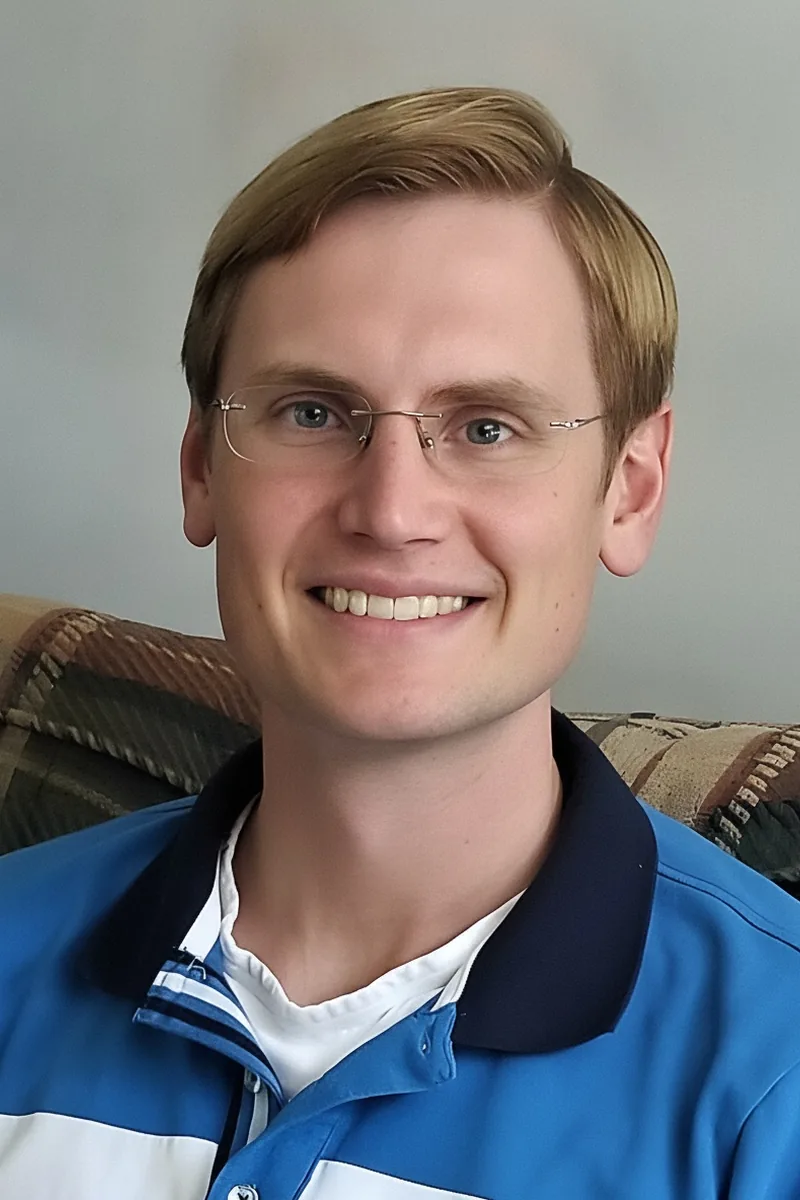
Philosophy trained Daniel to read dense, argumentative texts with precision — a skill that translates directly to unpacking Caesar's rhetorical strategies and Vergil's syntactic inversions on the AP Latin exam. He's studied Latin through four levels, so he's comfortable with the grammar, but his real edge is teaching students how to construct the kind of tightly reasoned free-response essays that earn top marks. Rated 4.9 by students.
Three years of peer tutoring Latin in high school gave Brooke a knack for explaining the grammatical structures that trip students up most — and now, studying engineering at Duke, she brings that same systematic thinking to helping AP students decode Vergil's layered word order and Caesar's winding periodic sentences. She's particularly good at turning intimidating constructions into step-by-step logic, which makes sight-reading passages feel less like a guessing game. Rated 5.0 by students.
I am confident in both my quantitative and verbal skills, I consider my primary strength to lie in standardized test-taking, the process of which I profoundly enjoy, strange as it is to say.
Catherine earned her MA in Latin, which means she's read Caesar and Vergil not just for exams but as the center of her graduate research — the kind of deep textual familiarity that lets her explain why a subjunctive shift matters for meaning, not just how to identify it. She's particularly effective at training students to handle the timed translation passages, where recognizing periodic sentence structure quickly is often the difference between finishing and running out of time. Rated 5.0 by students.
Most AP Latin students hit a wall not with vocabulary but with the grammar — figuring out how a string of ablative absolutes or nested subjunctive clauses actually fits together in a real passage of Caesar. Ben studied classical and medieval Latin and brings an English major's close-reading instincts to translation work, teaching students to track how word order and syntax carry meaning rather than just hunting for dictionary definitions. His 34 ACT and 4.7 rating point to the kind of precise, careful reading the exam rewards.
A Reed College Classics degree means Marilyn didn't just study Latin — she lived in the language alongside Ancient Greek, building the kind of cross-linguistic intuition that makes tricky AP constructions like fear clauses and conditions contrary to fact easier to explain from multiple angles. She's especially sharp on Vergil's poetry, where understanding meter and word order simultaneously is half the battle for students tackling sight-reading passages under exam pressure. Rated 4.8 by students.
Double-majoring in Latin and Ancient Greek means Shawn didn't just translate the AP syllabus texts — he studied them within the full ecosystem of classical languages, which sharpens his ability to explain why a subjunctive shows up in one clause but not another, or how Vergil's word order creates effects that a straight English translation flattens. His 33 ACT and 5.0 tutoring rating back up the reading precision and communication skills he brings to both translation work and the free-response essays.
Reading Vergil's Aeneid and Caesar's Bellum Gallicum at AP speed requires more than vocabulary — it means parsing ablative absolutes, indirect discourse, and fear-of-the-subjunctive moments without losing the thread of the narrative. Alex studied Classics as an undergraduate and reads Latin fluently, so he can walk students through both the grammatical architecture and the literary analysis the AP exam demands.
AP Latin's exam asks students to do more than translate — they need to analyze Vergil's and Caesar's rhetorical strategies, scan dactylic hexameter, and write sight-reading commentary under time pressure. Vivian's Classics minor at Fordham immersed her in exactly these texts and techniques. She breaks down complex grammatical constructions like ablative absolutes and indirect discourse so students build genuine reading speed.
Dennis has studied Latin through the advanced level, but what sets him apart is the analytical precision he brings from his physics research at Princeton — parsing a complex periodic sentence in Vergil isn't so different from breaking down a multi-variable equation, and he teaches students to decompose Latin syntax the same way. He's particularly strong on the grammar-heavy side of the AP exam, walking through indirect discourse and subjunctive constructions with the kind of systematic rigor that makes sight-reading feel less like guesswork.
Having studied Latin through the advanced level and across multiple classical languages, Jamie uses a comprehensible input approach that treats Vergil and Caesar not as decoding exercises but as stories — building the kind of reading fluency that lets students handle sight passages and literary analysis questions without freezing up. A master's in Special Education also means Jamie knows how to adapt when a student's usual approach to grammar or translation isn't clicking.
Earning the National Latin Exam Gold Award all four years of high school — culminating in AP Latin — means Hanna has translated her way through the Aeneid and De Bello Gallico line by line. She teaches students to parse Vergil's complex syntax and Caesar's deceptively simple prose by building real comfort with subjunctive constructions, indirect discourse, and scansion rather than relying on glossary lookups. Rated 5.0 by students.
Testimonials
Because the right AP Latin tutor makes all the difference.
Average Session Rating – Based on 3.4M Learner Ratings
Practice AP Latin
Free practice tests, flashcards, and AI tutoring for AP Latin
Nearby AP Latin Tutors
Other Bridgeport Tutors
Related Languages Tutors in Bridgeport
Frequently Asked Questions
AP Latin focuses on reading and translating Latin texts, primarily works by Virgil (Aeneid) and Caesar (Gallic Wars). The exam tests your ability to translate unseen passages, answer comprehension questions about the required texts, and demonstrate knowledge of Latin grammar, syntax, and Roman culture. Most students spend the year building translation skills and deepening their understanding of these classical works through close reading and analysis.
The AP Latin exam is 3 hours long and consists of two sections: multiple-choice questions (about 40% of your score) and free-response questions including translation and essay components (about 60% of your score). The multiple-choice section tests reading comprehension and grammar knowledge, while the free-response section requires you to translate passages and write essays analyzing the texts. Success depends on both accurate translation skills and the ability to think critically about the literature.
Many students struggle with the volume and complexity of unseen passages—translating accurately under time pressure requires both strong grammar foundations and reading fluency. Another common challenge is balancing literal translation accuracy with understanding the author's meaning and rhetorical intent, which the exam heavily emphasizes. Additionally, students often find it difficult to manage the memorization of required texts while also developing the analytical skills needed for essay questions.
Varsity Tutors connects you with expert tutors who can target your specific weaknesses—whether that's grammar gaps, translation speed, or essay writing skills. A tutor can provide intensive practice with unseen passages, teach you strategic approaches to tackling difficult syntactic structures, and help you develop a study schedule that balances memorization with analytical thinking. Personalized 1-on-1 instruction is particularly valuable in Latin, where individual pacing and focused feedback on translation choices can significantly accelerate your progress.
Score improvement depends on your starting point and how consistently you engage with tutoring and practice. Students who work with a tutor for several months typically see meaningful gains, especially if they combine tutoring with regular practice translating passages and reviewing grammar. The most significant improvements usually come from addressing foundational gaps and developing systematic strategies for tackling unseen texts, rather than last-minute cramming.
Most AP Latin students benefit from consistent study throughout the school year, typically 5-7 hours per week including class time. If you're preparing for the exam in the final months, increasing to 8-10 hours weekly with focused tutoring sessions can help you solidify weak areas and build translation fluency. The key is regular, deliberate practice with passages rather than cramming—spacing out your study helps with retention of grammar rules and vocabulary.
Varsity Tutors matches you with tutors who have deep expertise in AP Latin and understand the specific demands of the exam. When you connect with Varsity Tutors, you can discuss your current level, goals, and scheduling preferences to find a tutor who's the right fit for your learning style. Many tutors serving Bridgeport students offer flexible scheduling to work around your school and extracurricular commitments.
Your first session typically focuses on assessment and planning. The tutor will evaluate your current translation skills, identify grammar gaps, and understand your goals for the exam. Together, you'll create a personalized study plan that addresses your weaknesses and builds on your strengths, so you can make the most of your tutoring time moving forward.
Let’s find your perfect tutor
Answer a few quick questions. We’ll recommend the right plan and match you with a top 5% tutor.