Award-Winning Executive Functioning Tutors
serving Washington, DC
Executive Functioning
Tutors in Washington
Private 1-on-1 tutoring, weekly live classes for academic support, test prep & enrichment, practice tests and diagnostics, and more to elevate grades and test scores.
Based on 3.4M Learner Ratings
UniversitiesSchools & Universities
DeliveredHours Delivered
ProficiencyGrowth in Proficiency
Who needs tutoring?
No obligation. Takes ~1 minute.
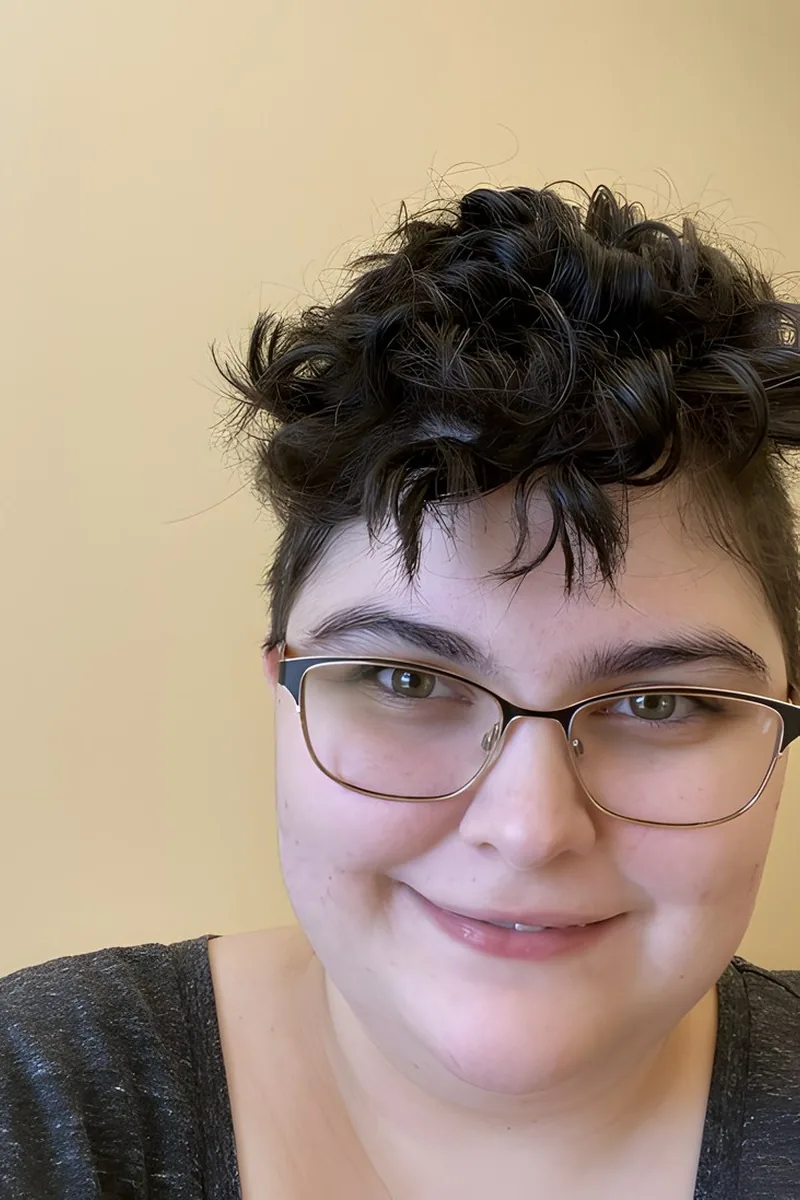
Planning, prioritizing, starting tasks, managing time — executive functioning skills don't come naturally to every student, and they're rarely taught explicitly in school. Hannah's Special Education program at Purdue trained her in scaffolding these skills through structured routines, visual organizers, and self-regulation strategies. She builds systems that students internalize gradually rather than depend on forever.

Claire teaches concrete systems — color-coded planners, task-chunking methods, priority matrices — rather than vague advice about "staying organized." Her background across a wide range of academic subjects means she can tailor these executive functioning strategies to whatever coursework a student is actually struggling to manage, from essay deadlines to exam prep schedules.
Running a natural sciences department at a bilingual elementary school in Ecuador meant Joy wasn't just teaching content — she was building systems for planning, prioritization, and task completion across two languages and multiple grade levels. She applies that same structured approach to executive functioning skills like time management, organization, and breaking long-term assignments into manageable steps.
Breaking large assignments into sequenced steps, building weekly planning routines, managing deadlines across multiple classes — Manuel tackles the organizational side of academics that often goes untaught. His structured approach to executive functioning gives students concrete systems they actually use, not just advice to "stay organized." Rated 5.0 by students.
Allison's Master's in Education from George Washington University centered on instructional design — figuring out why information doesn't stick and restructuring the process so it does, which is essentially what executive functioning coaching requires. She applies that design thinking to help a student reverse-engineer a stalled essay or a missed deadline, identifying whether the breakdown was in task initiation, time estimation, or material organization, then building a repeatable system around it. Her broad teaching range across writing, math, and test prep means those systems get tested against real coursework, not hypothetical scenarios.
I've helped several hundred students in a wide variety of subjects, from executive functioning to computer science to standardized testing. I also help students with general support in math and English. Most of my students are around 9-17, but I work well with students who are older and a little younger as well. I also work very well with students who have specific obstacles or requirements, such as neurodiversity support or schedules that change a lot. Most of my background is in computer science, from my college major to my experience hands-on over the past 10 years. Regardless of the subject, I believe every student's needs are unique and every student is able to achieve great things with the right preparation and support. My number one goal is to provide that whenever I can, both to the student and to their parents. I communicate with parents outside of sessions a lot to establish their expectations, better understand students, and recommend ways they can directly support their children in their journey as well.
Hi, I'm Nur! I specialize in SAT preparation, helping students build strong Reading and Writing and Math skills, master different question types, develop effective test-taking strategies, and feel confident on test day. I create personalized SAT lesson plans based on each student's strengths, areas for improvement, and learning style, breaking down challenging concepts into clear, manageable steps. In addition to SAT preparation, I work with elementary, middle school, and high school students across reading, writing, math, and science. I especially enjoy supporting students with ADHD, executive functioning challenges, and dyslexia by using structured, evidence-based strategies that make learning more accessible and less overwhelming. I also incorporate essential skills such as organization, time management, study habits, and test-taking strategies to help students become more independent learners. My goal is not only to improve grades and test scores, but also to build confidence and
Graduate training in school counseling means Katherine spends her days learning exactly how students get stuck — not on content, but on the invisible skills like task initiation, planning, and self-regulation that determine whether homework actually gets done. She connects those counseling frameworks to the real academic work students bring in, whether it's a stalled college essay or a psychology reading they keep putting off. Her background across subjects like writing, human development, and AP psychology gives her concrete material to anchor organizational strategies to.
I'm working towards my Bachelors/Masters in Chemical Engineering at the Rochester Institute of Technology, with a special interest in math and physics! I believe that visual demonstrations alongside verbal explanations of material work best for strengthening a students ability to conceptualize material. I have experience tutoring both college and high school students, and I am particularly well-equipped to assist with math, physics, and SAT preparation.
I have over 20 years of experience in the education field and specialize in ELA for all grade levels including AP/Honors, college, ESL/ELL, special education and test prep. I also enjoy additional subject areas: assisting students with college applications and essay writing/editing, general homework in all subjects, executive functioning and preparing students for entrance exams (private school, ISEE, TEAS, or ELA section of the PSAT/SAT), college applications including essays and college or scholarship interviews. I hold a BA, M.Ed. degrees, certifications in teaching, Academic Coaching, and Tutoring. In addition, I have extensive training on working with students on IEP's or other educational plans. I focus on building skills through customized sessions. Thank you for viewing my profile, I look forward to working with your student!
Managing art projects from concept to finished piece — juggling sketches, revisions, material prep, and critique deadlines — forced Laura to develop the exact planning and sequencing skills that executive functioning coaching targets. She teaches students to build visual workflows and concrete routines for breaking down assignments, initiating tasks, and tracking deadlines across subjects, drawing on the same project-management instincts that drive her studio practice. Rated 4.9 by clients.
Planning, prioritizing, and self-monitoring don't come naturally to every student — they're skills that can be explicitly taught. Cristiana breaks executive functioning into concrete habits: using checklists to initiate tasks, time-blocking to manage sustained attention, and post-session reflections to build self-awareness about what strategies are working. Her own experience managing a demanding dual-major course load gives her practical techniques to share, not just theory.
Testimonials
Because the right Executive Functioning tutor makes all the difference.
Average Session Rating – Based on 3.4M Learner Ratings
Other Washington Tutors
Related Learning Differences Tutors in Washington
Frequently Asked Questions
Executive functioning refers to the mental processes that help us plan, organize, manage time, focus attention, and control impulses. These skills—which include working memory, cognitive flexibility, and self-control—are foundational for academic success and daily life. Students with strong executive functioning can break down complex assignments, manage their time effectively, and stay organized across multiple subjects and activities.
In Washington's diverse educational landscape with 71 school districts serving over 91,000 students, executive functioning challenges can significantly impact performance. Many students struggle with procrastination, losing track of assignments, or getting overwhelmed by multi-step projects—even when they understand the material. Developing these skills early creates lasting advantages throughout middle school, high school, and beyond.
Students often struggle with several key areas: organization (managing papers, digital files, and assignment lists), time management (underestimating how long tasks take or waiting until the last minute), and working memory (holding multiple pieces of information in mind while solving problems). Many also face difficulty with task initiation—knowing how to start a complex project—and emotional regulation when facing frustration.
In a fast-paced academic environment, these challenges compound quickly. A student might understand algebra concepts but struggle to organize their work on problem sets. Another might have great ideas for an essay but can't structure their thoughts into an outline. Personalized instruction addresses these specific gaps by teaching concrete strategies tailored to how each student learns best.
While classroom teachers focus primarily on content delivery, personalized 1-on-1 instruction in executive functioning targets the specific organizational and planning challenges holding a student back. A tutor can teach practical strategies like breaking projects into smaller steps, creating customized planning systems, and developing routines that work with a student's natural learning style—not against it.
In a typical classroom with an average student-teacher ratio of 11.7:1, teachers have limited time to coach individual students through their planning processes. A tutor works directly with a student to identify exactly where their system breaks down, practice new strategies on real assignments, and build sustainable habits. This personalized approach means strategies actually stick, rather than feeling like generic study tips.
Executive functioning skills develop progressively throughout childhood and adolescence. Students benefit from targeted support as early as elementary school when organization and task management become more important. By middle school, as workload increases and students manage multiple classes, stronger executive functioning becomes crucial for success.
High school students with weak executive functioning often face significant struggles with long-term projects, multiple deadlines, and increased independence. However, it's never too late to develop these skills. Students at any level—whether they're struggling in elementary or preparing for college—can make meaningful improvements with guided practice and personalized strategies that fit their specific needs and challenges.
Students typically see improvements in concrete, observable areas: completing assignments on time, maintaining organized materials, breaking complex projects into manageable steps, and reducing procrastination. Many report feeling less anxious and overwhelmed once they have reliable systems in place. Over time, improved executive functioning often leads to better grades and increased confidence across all subjects.
The timeline varies by student and starting point, but many see noticeable changes within 4-6 weeks of consistent practice with personalized strategies. The key is that these aren't just academic improvements—students develop life skills that transfer beyond school to sports, part-time jobs, and personal projects. These habits become part of how they approach challenges throughout their lives.
Varsity Tutors connects you with qualified tutors who specialize in executive functioning instruction. The process starts with learning about your student's specific challenges—whether that's organization, time management, planning, or emotional regulation around schoolwork. This information helps ensure a strong match with a tutor who has experience addressing those exact issues.
Once matched, your tutor works directly with your student on real assignments and projects, teaching strategies that integrate into their actual academic life. You'll see progress in how they approach homework, manage projects, and handle the demands of their coursework. Getting started is straightforward—reach out to learn more about available tutors and how the process works for students in Washington, DC.
Yes. Executive functioning challenges often co-occur with ADHD, learning disabilities, and other conditions that affect how students process information and manage tasks. A tutor can work within any accommodations a student has in place—such as extended time, modified assignments, or assistive technology—while building stronger executive functioning skills on top of those supports.
The strategies taught through personalized tutoring complement formal accommodations by addressing the underlying organizational and planning difficulties. For example, a student with extended time on tests still benefits from learning how to study effectively and manage test prep. A tutor familiar with executive functioning can provide targeted support that works alongside whatever accommodations or support services a student is already receiving.
Let’s find your perfect tutor
Answer a few quick questions. We’ll recommend the right plan and match you with a top 5% tutor.