Award-Winning Elementary School Reading Tutors
serving Washington, DC
Elementary School Reading
Tutors in Washington
Private 1-on-1 tutoring, weekly live classes for academic support, test prep & enrichment, practice tests and diagnostics, and more to elevate grades and test scores.
Based on 3.4M Learner Ratings
UniversitiesSchools & Universities
DeliveredHours Delivered
ProficiencyGrowth in Proficiency
Who needs tutoring?
No obligation. Takes ~1 minute.
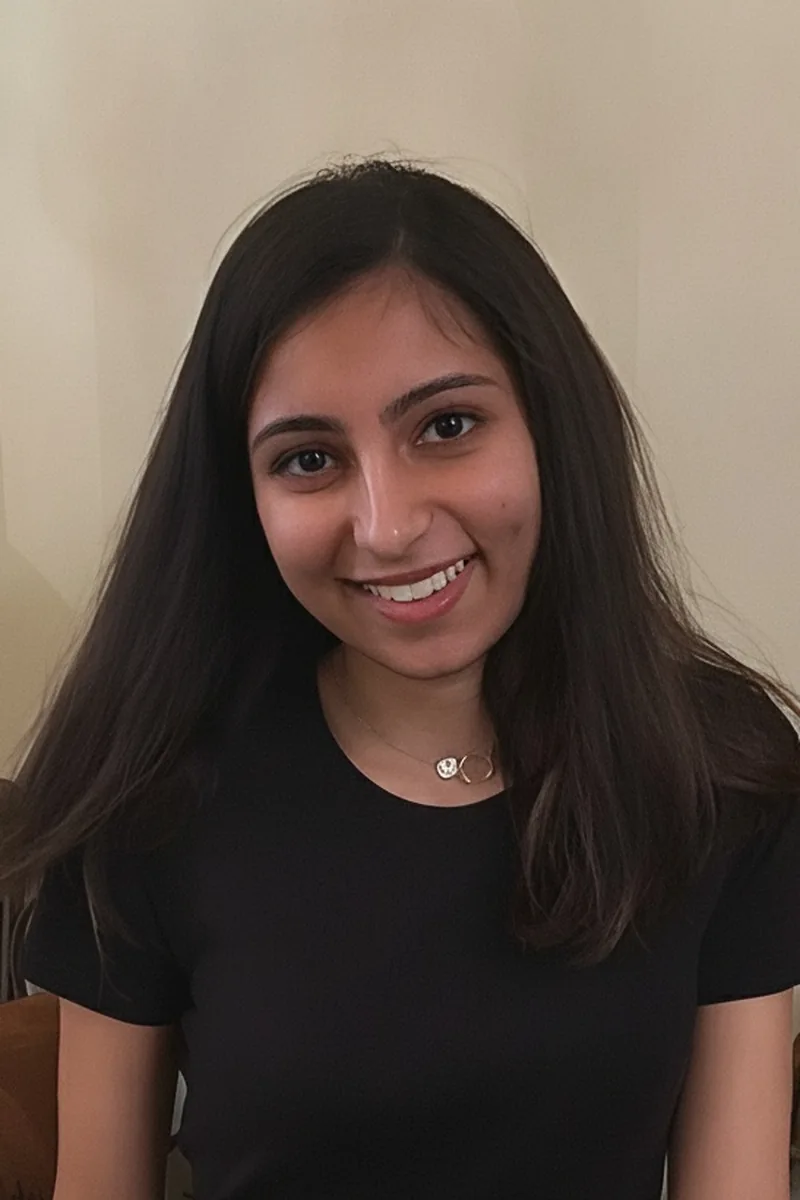
An avid reader herself, Sarina teaches early readers to tackle new texts using strategies like context clues, making predictions, and identifying the main idea of a passage. She pays close attention to fluency and comprehension together, so students aren't just sounding out words — they're understanding and retaining what they read. Rated 5.0 by families she's worked with.

Early reading clicks when a child feels confident, not pressured. Emma builds that confidence by working through phonics patterns, sight words, and simple comprehension questions at a pace that feels like play rather than drill. Her extensive experience with young kids gives her a natural sense of when to push forward and when to slow down.
I am eager to support students in their academic journeys through Varsity Tutors. With a Bachelor's degree in Political Science and History from Columbia University, I specialize in subjects such as AP English Language and Composition, AP US History, AP World History, Research Skills, Math, Reading, Writing, Essay Editing and GRE preparation. My experience includes mentoring students at Gonzaga College High School, tutoring students at Columbia University and coordinating academic programs at Howard University, where I honed my ability to simplify complex concepts into clear, engaging lessons. I believe in a student-centered approach that emphasizes individual needs, goal setting, and active feedback, fostering ownership of the learning process. My passion for teaching stems from a desire to help students build confidence and connect their studies to the real world, making learning both meaningful and enjoyable. I look forward to inspiring a love for knowledge in my students!
Hi! My name is Arya! I am passionate about helping students build a strong foundation in the early stages of learning. I break complex ideas into simple, logical steps and adapt to each student's learning style. Through tutoring peers in science and math, I've seen how patience and encouragement build confidence. My goal is not only to improve academic performance but also to strengthen problem-solving skills, foster independence, and help students develop a genuine love of learning. Whether your student needs extra support, enrichment, or a confidence boost, I am committed to helping them succeed. Book a session with me today, and let's help your student reach their full potential!
For early readers, the difference between frustration and excitement often comes down to finding the right book at the right level. Maya builds phonics, sight-word recognition, and basic comprehension skills through stories that match each child's interests, keeping motivation high. Her experience with differently-abled learners means she adapts pacing and techniques to fit how each student actually processes language.
Early reading skills like phonics, fluency, and basic comprehension set the trajectory for everything that comes after in school. Sugi's cognitive science degree from Rice included extensive study of how the brain acquires language, giving her practical insight into why some students struggle with decoding or retention — and what specific techniques actually move them forward.
Early reading clicks when a child connects phonics and vocabulary to stories they actually care about. Skyler's background spans multiple languages and literatures, giving her a sharp sense of how decoding, fluency, and comprehension build on each other. She makes reading practice feel less like a chore by matching books and passages to each student's interests.
Sabira pairs her genuine enthusiasm for books with patient, structured phonics and fluency practice to build confident young readers. She zeroes in on the specific skill each child needs next — whether that's decoding multisyllable words, building vocabulary through context clues, or retelling a story in sequence — so sessions always feel productive. She holds a 5.0 client rating.
Through her nonprofit work educating families in Ecuador, Vanessa has seen firsthand how foundational early reading skills shape everything that comes after. She builds young readers' confidence by connecting phonics, vocabulary, and comprehension to stories that genuinely interest them — turning reading from a chore into something a child wants to do on their own.
Learning to read confidently at a young age changes everything that comes after — from following a story's plot to sounding out unfamiliar words. Eliza breaks down phonics patterns, sight words, and basic comprehension strategies in ways that keep younger learners engaged and moving forward. Rated 5.0 by students and families.
Reading at the elementary level is about more than decoding words — it's building the habit of asking questions about what's on the page. Sanjana teaches young readers to identify main ideas, make predictions, and connect stories to their own experiences. She keeps sessions interactive so kids stay engaged rather than passively reading aloud.
Early reading clicks when a child connects decoding skills to actual meaning — sounding out a word and then understanding the sentence it lives in. Marc brings warmth and patience to phonics, sight words, and guided reading, adjusting his pace to each student's comfort level. His theater background means read-alouds are genuinely fun, which keeps reluctant readers turning pages.
Learning to read is really learning to decode — blending letter sounds, recognizing sight words, and building the fluency that turns sounding-out into actual comprehension. Naomi pairs phonics instruction with engaging texts matched to each child's level, drawing on her experience teaching literacy skills to young learners across very different classroom settings. She holds a 5.0 client rating.
Early reading clicks when a child connects decoding skills to actual meaning — sounding out words matters, but so does understanding what a sentence is really saying. Clare pairs phonics and sight-word practice with comprehension strategies like predicting, visualizing, and retelling, adjusting the balance depending on where each reader needs the most support.
Years of volunteering in elementary classrooms taught Gloria that reading clicks when kids connect stories to their own curiosity — whether that means predicting what happens next, sounding out tricky vowel combinations, or retelling a chapter in their own words. Her neuroscience background also gives her insight into how young brains process phonics and comprehension differently at each developmental stage. Rated 5.0 by students and families.
Early reading skills — phonics, sight words, fluency, basic comprehension — build on each other in a specific sequence, and a student who's shaky on one step will struggle with the next. Meagen pairs her love of books with structured practice, choosing engaging texts at the right level and asking questions that build a young reader's ability to predict, summarize, and connect with what they're reading.
Testimonials
Because the right Elementary School Reading tutor makes all the difference.
Average Session Rating – Based on 3.4M Learner Ratings
Other Washington Tutors
Related English Tutors in Washington
Frequently Asked Questions
Elementary reading develops in stages: early phonics and decoding (K-1st), fluency and comprehension (2nd-3rd), and analytical reading with inference and prediction (4th-5th). For students in Washington, DC, mastering these foundational skills is essential for success across all subjects. A tutor can assess where your child is in this progression and target instruction to strengthen specific areas like phonemic awareness, sight word recognition, or comprehension strategies.
Reading comprehension improves through active strategies like predicting what happens next, asking questions while reading, making connections to prior knowledge, and summarizing key ideas. Many elementary students struggle when they focus only on decoding words without engaging with meaning. Personalized tutoring helps students learn to slow down, ask themselves questions, and use context clues—building confidence and deeper understanding of texts.
Early intervention is critical—reading difficulties often compound over time if not addressed. Common challenges include slow decoding, trouble remembering sight words, or difficulty following story sequences. Varsity Tutors connects you with tutors who specialize in elementary reading and can diagnose specific gaps, whether they're phonetic, fluency-based, or comprehension-related. With personalized 1-on-1 instruction, students typically show measurable progress within weeks.
Your child's tutor will start by assessing their current reading level through informal activities—reading aloud, answering comprehension questions, and discussing what they enjoy about reading. This helps the tutor understand your child's strengths, challenges, and learning style. From there, they'll create a personalized plan that might focus on phonics, fluency practice, vocabulary building, or comprehension strategies, depending on what your child needs most.
Literary analysis at the elementary level focuses on identifying characters, settings, plot events, and simple themes—not complex academic analysis. Students learn to notice details, predict outcomes, and explain why characters act certain ways. Tutors help students move beyond just retelling stories to asking deeper questions: Why did the character make that choice? How did the setting affect the story? This develops critical thinking skills that build toward more advanced reading in middle school.
One-on-one instruction removes the pressure of classroom pace and peer comparison, allowing students to practice in a safe environment where mistakes are learning opportunities. Tutors celebrate small wins, adjust difficulty to match your child's level, and provide immediate, encouraging feedback. When students experience success and feel supported, they're more willing to tackle harder books and take risks—essential for developing into confident, lifelong readers.
Look for tutors with training in reading instruction, familiarity with phonics and fluency frameworks, and experience working with elementary-age students. Many expert tutors have backgrounds in education, literacy coaching, or specialized reading intervention. When you connect with Varsity Tutors, we match you with tutors who understand DC elementary curricula and can explain their approach to reading instruction in ways that align with your child's school.
Read aloud together daily, ask your child questions about the story, and let them choose books they're interested in—engagement matters more than difficulty level. Create a consistent reading routine, celebrate effort over perfection, and avoid correcting every mistake during shared reading. Your tutor can suggest specific strategies and books matched to your child's level, turning home reading time into a powerful extension of personalized tutoring sessions.
Let’s find your perfect tutor
Answer a few quick questions. We’ll recommend the right plan and match you with a top 5% tutor.