Award-Winning AP English Language and Composition Tutors
serving Washington, DC
AP English Language and Composition
Tutors in Washington
Private 1-on-1 tutoring, weekly live classes for academic support, test prep & enrichment, practice tests and diagnostics, and more to elevate grades and test scores.
Based on 3.4M Learner Ratings
UniversitiesSchools & Universities
DeliveredHours Delivered
ProficiencyGrowth in Proficiency
Who needs tutoring?
No obligation. Takes ~1 minute.

Hi! I'm a recent Yale grad tutoring in English language, literature, and public speaking for middle school and high school. I'm also available to tutor in Spanish and Russian languages. I also completed the IB program in high school so I am happy to advise on the EE, CAS, IA, and exam process for that.
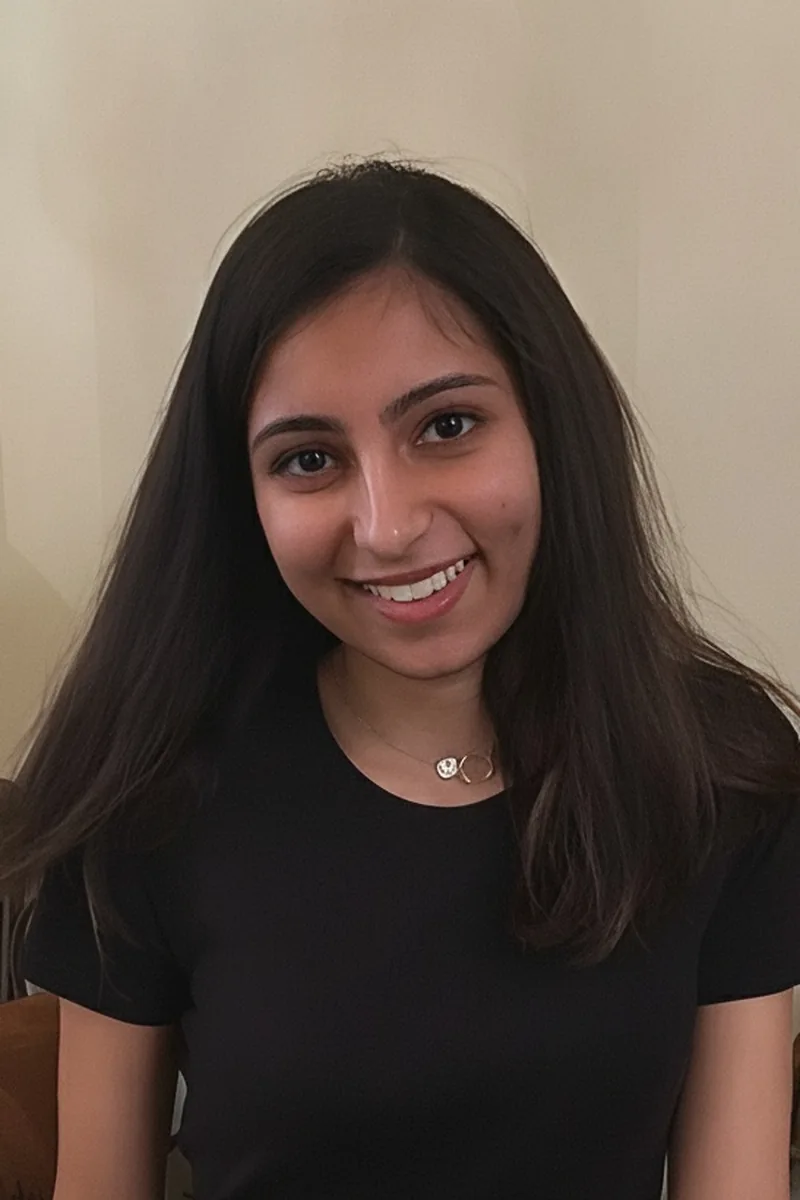
AP English Language is fundamentally about argument — how writers build it, how readers dissect it, and how students replicate it under timed conditions. Sarina's background in competitive Impromptu speaking sharpened her ability to analyze rhetorical strategies like appeals, tone shifts, and structural choices on the fly. She applies that same analytical rigor to synthesis essays, rhetorical analysis prompts, and multiple-choice passage work.
Rhetoric is everywhere, and AP Lang is the class that finally makes students see it — in speeches, editorials, even advertisements. Jack's dual background in theatre and economics means he can unpack both the emotional persuasion of a Kennedy address and the logical structure of an economic policy argument. He zeroes in on building the synthesis and argument essays, where students often struggle to integrate sources without losing their own voice.
Rhetorical analysis is the backbone of AP Lang, and most students underperform not because they can't identify ethos or logos but because they don't know how to explain *why* a rhetorical choice matters in context. Olivia digs into the synthesis and argument essays with equal attention, teaching students to build claims that go beyond restating sources. Her 1560 SAT reflects the same analytical reading and writing skills she brings to AP Lang prep.
AP Lang is ultimately about dissecting how writers persuade — rhetorical strategies, evidence deployment, structural choices. Michelle's neuroscience and literature background at Duke sharpens her eye for argument construction, and she teaches students to write analytical essays that do more than summarize by anchoring every claim in specific textual evidence.
A PhD candidate in Comparative Human Development at the University of Chicago, Gabriel reads nonfiction through an interdisciplinary lens — tracking how authors frame evidence, shift registers, and position themselves relative to competing claims. That training in analyzing how arguments actually function across disciplines translates directly to the AP Lang exam's synthesis and rhetorical analysis essays, where students need to explain an author's strategic choices rather than just paraphrase content. Rated 5.0 by students.
AP English Language is ultimately about rhetoric: understanding how writers persuade and then doing it yourself under a forty-minute clock. David digs into the synthesis, rhetorical analysis, and argument essays individually, teaching students to identify techniques like juxtaposition, appeals to authority, and strategic concession before they ever start writing. His dual English degrees and library science training make him especially sharp on evaluating sources and constructing evidence-driven arguments.
AP Lang is fundamentally about argument — how writers build it, how readers detect it, and how students can do both on exam day. Carla teaches rhetorical analysis by dissecting real speeches and essays, showing students how to identify strategies like appeals to ethos or strategic concession and then write about them with precision. Her 5.0 rating speaks to how well this approach clicks.
AP Lang is ultimately about argument — how writers build it, how readers evaluate it, and how students construct their own on exam day. Ariel unpacks rhetorical strategies like ethos, logos, and kairos in published essays, then applies those same principles when coaching students through synthesis, argument, and rhetorical analysis prompts. Her background in psychology at Brown gives her a sharp eye for how language persuades.
AP English Language is really a course in rhetoric — understanding how writers use structure, diction, and evidence to persuade specific audiences. Michelle's MA in American Studies at Columbia centered on exactly this: analyzing speeches, essays, and cultural texts for their argumentative strategies. She teaches students to write synthesis and rhetorical analysis essays that go beyond summary and actually engage with how a source works.
Rhetoric is the backbone of AP English Language, and Amy teaches students to dissect how authors use appeals, structure, and diction to build persuasive arguments. Her college-level English training means she can model the kind of sophisticated synthesis and argumentation the exam's free-response questions demand. She also tackles the multiple-choice section by showing students how to read like a writer — noticing choices an author made and why.
Rhetorical analysis is where AP Lang lives or dies, and Elijah treats it like a performance — teaching students to hear the moves a writer makes with syntax, diction, and structure before they ever start writing about them. His English degree and MFA in Acting trained him to dissect how language persuades an audience, which translates directly to nailing the synthesis and argument essays under timed conditions.
AP English Language is essentially an argument class, and Jenna spent three years in law school doing nothing but dissecting and constructing arguments. She teaches students to identify rhetorical strategies like appeals, tone shifts, and structural choices in source texts, then deploy those same tools in their own synthesis and persuasive essays.
Rhetoric is everywhere once you learn to see it, and that's exactly what AP English Language asks students to do — dissect how writers use tone, structure, and evidence to persuade. Cynthia's arts background and love of reading give her a sharp eye for the synthesis and argument essays that make or break AP Lang scores. She walks students through real exam prompts, teaching them to construct thesis-driven responses under timed conditions.
Testimonials
Because the right AP English Language and Composition tutor makes all the difference.
Average Session Rating – Based on 3.4M Learner Ratings
Practice AP English Language and Composition
Free practice tests, flashcards, and AI tutoring for AP English Language and Composition
Other Washington Tutors
Related English Tutors in Washington
Frequently Asked Questions
AP English Language and Composition focuses on rhetorical analysis, argument, and synthesis—skills that help you understand how writers persuade audiences. You'll analyze speeches, essays, and other texts to identify rhetorical strategies, study how to construct your own arguments, and learn to synthesize multiple sources into coherent written responses. The course emphasizes close reading and clear writing, preparing you for both the AP exam and college-level communication.
The exam has two sections: a 1-hour multiple-choice section with 52 questions testing your ability to analyze passages, and a 2-hour 15-minute free-response section with three essays (rhetorical analysis, argument, and synthesis). Time management is critical—you'll need to read passages carefully, analyze rhetorical choices quickly, and write three well-developed essays under pressure. Many students find the pacing challenging, which is why practice tests and timed writing practice are essential preparation strategies.
Scores range from 1 to 5, with a 3 considered passing and earning college credit at most institutions. A 4 or 5 demonstrates strong mastery and is typically required for advanced placement or course credit at selective colleges. Your target should depend on your college goals and current skill level—tutors can help you assess where you stand and create a realistic improvement plan based on practice test results.
Students often struggle with identifying and naming rhetorical strategies under time pressure, distinguishing between effective and weak arguments, and organizing synthesis essays that incorporate multiple sources coherently. Many also find the multiple-choice section tricky because questions test nuanced understanding of author's purpose and tone rather than obvious details. Working with a tutor on rhetorical vocabulary, argument structure, and timed essay practice can address these specific weak points.
Personalized 1-on-1 instruction allows a tutor to identify your specific strengths and weaknesses—whether that's recognizing rhetorical devices, constructing arguments, or managing exam timing—and focus practice accordingly. Tutors can provide detailed feedback on your essays, help you develop a study schedule that builds skills progressively, and use practice tests to track improvement. For students in Washington, DC preparing for this demanding exam, having expert guidance on both content and test-taking strategy makes a meaningful difference in score improvement.
Most students benefit from 3-4 months of consistent preparation, though this varies based on your starting point and target score. If you're starting in January for a May exam, aim for 5-8 hours of focused study per week, including reading and analyzing texts, writing timed essays, and taking full-length practice tests. A tutor can help you create a structured study plan that maximizes your preparation time and ensures you're practicing the skills that will have the biggest impact on your score.
Your first session typically involves an assessment to understand your current skills—this might include reviewing a practice essay, discussing which rhetorical strategies you find confusing, or identifying your pacing challenges on the multiple-choice section. The tutor will ask about your target score and timeline, then create a personalized plan focused on your biggest areas for improvement. This foundation helps ensure every future session builds directly toward your AP exam goals.
Practice tests are essential—they help you understand the exam format, build stamina for the full 3+ hour test, and identify which question types and essay prompts challenge you most. Taking full-length, timed practice tests every 2-3 weeks allows you to track score improvement and adjust your study focus accordingly. Expert tutors use practice test results to pinpoint whether you need work on rhetorical analysis skills, argument construction, or simply pacing strategies.
Let’s find your perfect tutor
Answer a few quick questions. We’ll recommend the right plan and match you with a top 5% tutor.