Award-Winning AP English Language and Composition Tutors
serving Chicago, IL
AP English Language and Composition
Tutors in Chicago
Private 1-on-1 tutoring, weekly live classes for academic support, test prep & enrichment, practice tests and diagnostics, and more to elevate grades and test scores.
Based on 3.4M Learner Ratings
UniversitiesSchools & Universities
DeliveredHours Delivered
ProficiencyGrowth in Proficiency
Who needs tutoring?
No obligation. Takes ~1 minute.
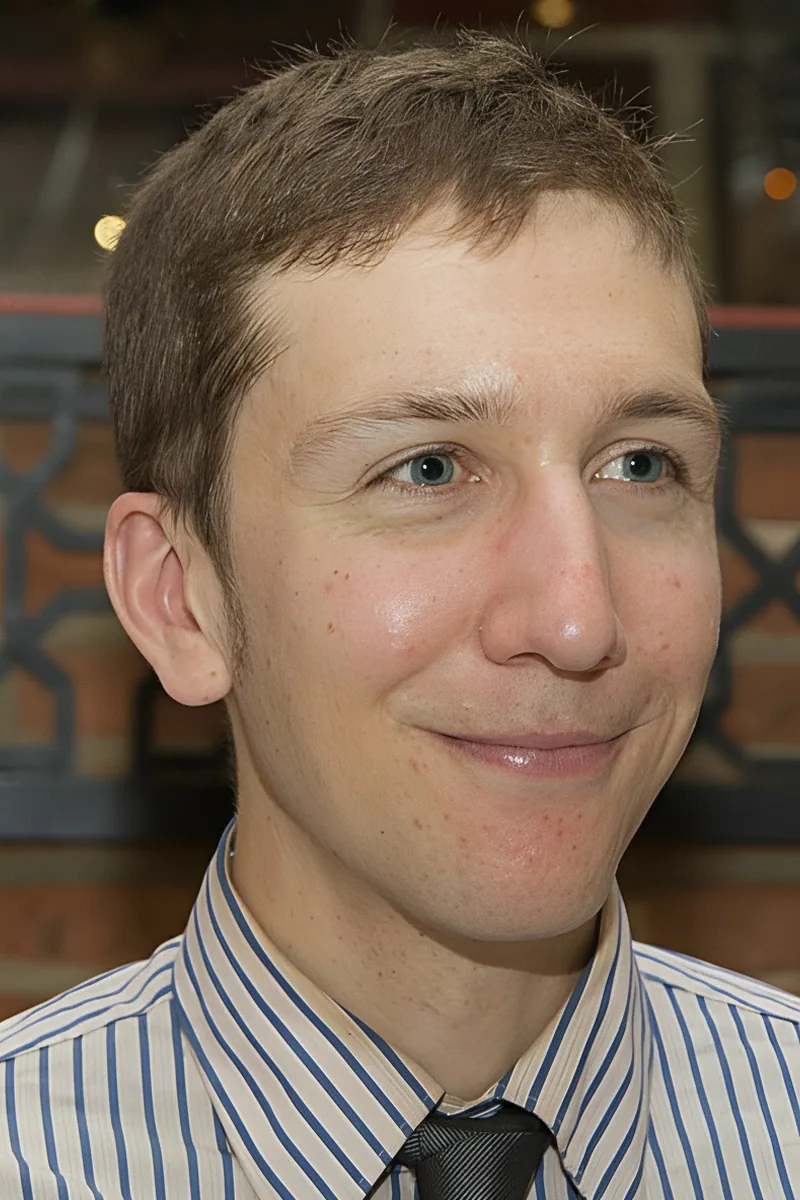
A PhD candidate in Comparative Human Development at the University of Chicago, Gabriel reads nonfiction through an interdisciplinary lens — tracking how authors frame evidence, shift registers, and position themselves relative to competing claims. That training in analyzing how arguments actually function across disciplines translates directly to the AP Lang exam's synthesis and rhetorical analysis essays, where students need to explain an author's strategic choices rather than just paraphrase content. Rated 5.0 by students.

Rhetoric is everywhere, and AP Lang is the class that finally makes students see it — in speeches, editorials, even advertisements. Jack's dual background in theatre and economics means he can unpack both the emotional persuasion of a Kennedy address and the logical structure of an economic policy argument. He zeroes in on building the synthesis and argument essays, where students often struggle to integrate sources without losing their own voice.
Rhetorical analysis is really an argument about arguments — identifying how a writer deploys ethos, logos, and pathos to move an audience. Callie's History and Philosophy of Science background at UChicago means she spends her own coursework dissecting exactly these persuasive structures in complex texts. She applies that same analytical lens to AP Lang prompts, walking students through how to build a thesis that does more than summarize.
AP Lang is Eliza's favorite subject to teach, and it shows — she brings real rhetorical analysis experience from writing for three newspapers, including the AJC and NPR. She digs into how authors deploy ethos, logos, and pathos in specific passages, then coaches students to replicate that same strategic awareness in their own synthesis and argument essays.
AP Lang is fundamentally about argument — how writers construct it, how readers dissect it, and how students can do both under timed pressure. Joseph's international studies background means he's spent years analyzing persuasive texts across political and cultural contexts, and he brings that same close-reading discipline to rhetorical analysis essays and synthesis prompts. He's particularly sharp on teaching students to identify and deploy ethos, logos, and pathos with precision.
Karin McKie, MFA, compiles curriculum and personalizes teaching for a broad spectrum of students. I know there is no better, nor more crucial, calling than helping learners communicate their voices and realize their educational dreams. I specialize in tutoring all standardized tests, including the LSAT, SAT, PSAT, ACT, GRE, HSPT, ISEE, Accuplacer, STAAR, TOEFL/IELTS, ASVAB, all AP/IB English and history classes, and more. I also created and published a simple reading annotation system and related strategies specifically to tackle timed tests, as well as teaching critical reading, comparative literature, public speaking, and theater. As a professional writer and editor, I coach students in persuasive writing for schoolwork, college application and supplemental essays, internship and job applications, and the like. For decades, I've taught and lectured at universities, schools, and with individuals in Chicagoland and the Bay Area, and to online students of all ages around the world. I customize study plans with learners and their advocates to utilize existing abilities and add new techniques to reach personal and scholastic goals. I have a BS in Communications and Theater, and an MFA in Creative Writing. I have completed Continuing Education courses at Stanford, Northwestern and DePaul Universities. I'm a professional features writer and culture critic. I've edited Perspective design journal and Reed literary magazine and have performed memoir essays I've written on Chicago Public Radio. I come from a family of teachers and was fortunate to grow up at the Smithsonian's National Museum of Natural History, where my anthropologist mom was Education Director. Since early childhood, I've been immersed in multicultural and ELL education. I've devoted my personal and professional time to diversity and storytelling, starting at public TV station WETA in my hometown outside Washington, D.C., where I was certified as a trainer with Sesame Street's Preschool Education Project. I've also taught creativity and teambuilding through improvisation to all ages (as well as creating a kids summer camp), reading for the SAG Foundations BookPALS (Performing Artists for Literacy in Schools) program, plus reading and writing skills to at-risk students through the Park District's Kraft Great Kids Program. I've assisted many of my arts marketing clients, including Barrel of Monkeys and Kidworks Touring Theatre, with youth literacy programs at schools and libraries throughout the Windy City.
Rhetorical analysis clicks faster when a student can name exactly what an author is doing and why it works on a reader. Christopher breaks down AP Lang skills like argument structure, synthesis of sources, and strategic use of evidence, bringing the same analytical precision he applies to his Harvard engineering coursework to the craft of persuasive writing.
Todd's social work training at the University of Chicago — where every case study demanded parsing competing narratives and constructing evidence-backed arguments — maps directly onto what AP Lang asks students to do with nonfiction prose. His biology background also means he's comfortable coaching students through the science-heavy source sets that frequently appear in synthesis prompts, where translating data into persuasive claims is half the battle. Rated 5.0 by students.
AP Lang is ultimately an argument exam — every rhetorical analysis, synthesis essay, and multiple-choice passage comes back to identifying how writers build and defend claims. Bianca's legal studies background gives her a sharp eye for dissecting rhetorical strategies like appeals to ethos, strategic concessions, and logical structure. Rated 5.0 by students, she breaks down the AP scoring rubric so students know exactly what earns top marks.
AP Lang is ultimately about dissecting how writers build arguments — identifying rhetorical strategies like appeals to ethos, strategic concessions, and shifts in tone, then articulating that analysis in timed essays. Micah pairs his genuine love of reading with a structured, analytical mindset from his engineering coursework, which turns out to be exactly the combination this exam rewards.
AP Lang asks students to do something most high schoolers haven't practiced: dissect how an argument is built rather than just what it says. Hannahlore teaches students to identify rhetorical moves — shifts in tone, strategic concessions, appeals to credibility — and then deploy those same techniques in their own synthesis and argument essays. Her analytical chemistry training translates surprisingly well here; she approaches a passage the way she'd approach data, looking for structure underneath the surface.
Scoring well on the AP Lang exam means learning to read like a writer — dissecting how authors use rhetorical strategies like juxtaposition, appeals to credibility, and shifts in tone to build an argument. Connor's background as a serious reader and writer gives him a sharp eye for the structural choices that students need to identify in the multiple-choice section and replicate in their own synthesis and argument essays.
AP Lang is ultimately about argument — dissecting how writers use evidence, tone, and structure to persuade, then doing it yourself under timed conditions. Molly's experience editing for newspapers sharpened her ability to evaluate rhetorical choices quickly, and she walks students through synthesis and argument essays with an emphasis on building claims that actually hold up to scrutiny.
I'm a current PhD student in the history department at Georgetown University who is also an experienced instructor with Varsity Tutors. As a recipient of several degrees, the most recent being a BA in history from Hillsdale College and a MA in Russian, East European, and Eurasian Studies from Stanford University, I have long sought to make teaching my profession. Meanwhile, as a volunteer grade school teacher and a tutor with this company, I have many years' experience helping students reach their full potential. I am capable of teaching students in many subjects, including reading, mathematics, test prep, Latin, and especially writing, history, and literature. In practice, I am comfortable adapting to different learning styles and specific student preferences. Outside of my academic and career endeavors, I enjoy cooking, reading, and listening to and making music.
Years of writing, directing, and performing theater in New York City taught Harry how to construct an argument that lands with a live audience — a skill that translates directly to AP Lang's argument and synthesis essays, where every structural choice needs to serve a persuasive purpose. His Northwestern communications training sharpens his approach to nonfiction prose analysis, particularly when it comes to unpacking how authors calibrate tone and audience awareness to make a case.
Rhetorical analysis is the backbone of AP Lang, and it trips students up because they confuse identifying a device with explaining how it functions in context. Stephanie approaches each passage as an argument to dissect — examining how authors deploy ethos, strategic concessions, and syntactic choices to persuade specific audiences. Her experience writing and editing at the college level at Princeton keeps her feedback concrete and actionable.
Rhetorical analysis is the backbone of AP Lang, and David approaches it by teaching students to name exactly what an author is doing — whether that's deploying an anecdote for pathos or structuring a concession-and-rebuttal to disarm opposition. He also digs into the synthesis and argument essays, where students need to marshal sources quickly and write with a clear, deliberate voice.
AP Lang is fundamentally an argumentation course, and Richard's Government major at Harvard means he spends most of his academic life analyzing rhetorical strategies in political speeches, policy briefs, and persuasive essays. He teaches students to dissect how authors deploy ethos, logos, and pathos — then apply that same awareness to their own synthesis and argument essays. That analytical muscle is exactly what earns 7s, 8s, and 9s on the free-response section.
AP Lang is ultimately about argument — how writers build it, how readers detect it, and how students construct their own on exam day. Shreya tackles rhetorical analysis by teaching students to identify specific moves like concession, juxtaposition, and shifts in tone, then translate those observations into thesis-driven essays that earn top scores.
AP Lang is fundamentally about rhetoric — how writers persuade, and how to do it yourself. Chang's philosophy training sharpened his ability to dissect argumentative strategies like appeals to ethos, logical concessions, and strategic counterarguments, and he brings that same analytical precision to teaching students how to write and analyze persuasive prose.
A published novelist with a Penn M.S. in Education and a B.A. in English from the University of Washington, Christian has spent years inside the mechanics of persuasive prose — not just reading it, but constructing it from scratch. That dual perspective sharpens his AP Lang teaching, especially when it comes to the argument essay, where he coaches students to treat their own writing the way an author revises a manuscript: tightening claims, cutting weak evidence, and making every sentence earn its place.
AP Lang's rhetorical analysis essays trip students up when they can identify ethos, logos, and pathos but can't explain how those strategies function within a specific argument. Meghan, who studied English at Cornell and is pursuing a PhD in American Literature at UConn, teaches students to dissect an author's purpose at the sentence level — connecting syntax choices, tone shifts, and structural decisions to a writer's persuasive strategy. Rated 5.0 by students.
AP English Language is ultimately about rhetoric: understanding how writers persuade and then doing it yourself under a forty-minute clock. David digs into the synthesis, rhetorical analysis, and argument essays individually, teaching students to identify techniques like juxtaposition, appeals to authority, and strategic concession before they ever start writing. His dual English degrees and library science training make him especially sharp on evaluating sources and constructing evidence-driven arguments.
Studying linguistics at Yale sharpened William's ability to analyze how language actually functions — why a writer chooses one syntactic structure over another, how tone shifts at the paragraph level, what makes a concession land versus fall flat. That analytical training maps directly onto AP Lang's rhetorical analysis and synthesis essays, where the highest scores go to students who can explain the mechanics behind a writer's persuasive choices. He holds a 5.0 rating and a 1580 SAT, which speaks to his command of both timed writing and close reading under pressure.
Testimonials
Because the right AP English Language and Composition tutor makes all the difference.
Average Session Rating – Based on 3.4M Learner Ratings
Practice AP English Language and Composition
Free practice tests, flashcards, and AI tutoring for AP English Language and Composition
Nearby AP English Language and Composition Tutors
Other Chicago Tutors
Related English Tutors in Chicago
Frequently Asked Questions
AP English Language and Composition focuses on rhetorical analysis, argument, and synthesis—skills that help you understand how writers persuade audiences. The course emphasizes close reading of nonfiction texts, identifying rhetorical strategies, and developing your own persuasive writing. You'll study how tone, diction, syntax, and structure work together to create meaning, then apply these insights to your own essays on the AP exam.
Score improvement depends on your starting point and how consistently you engage with practice, but most students see meaningful gains with focused preparation. Many students improve by 1-3 points on the 1-5 scale when they work with a tutor to identify their specific weaknesses—whether that's analyzing complex arguments, managing timed writing, or understanding rhetorical devices. The key is targeted practice on your weak areas combined with feedback on your actual essays.
Students often struggle with three main areas: distinguishing between rhetorical strategies and analyzing their effect, managing the pacing of timed essays, and developing sophisticated arguments under pressure. Many find the multiple-choice section tricky because questions ask you to identify the author's purpose or effect rather than just find facts. Tutors can help you build a faster analytical process and practice essay writing under timed conditions so you're confident on test day.
The AP exam includes three timed essays: the Rhetorical Analysis Essay (analyzing how an author builds an argument), the Argument Essay (developing your own position on a topic), and the Synthesis Essay (combining multiple sources to support your claim). Each essay is worth about 33% of your free-response score, so mastering all three is essential. A tutor can help you develop a reliable approach for each essay type and practice under realistic time pressure.
Varsity Tutors connects you with expert tutors who assess your current strengths and weaknesses, then create a personalized study plan. Your tutor will work with you on rhetorical analysis skills, essay structure, and timed writing practice—often using released AP exam questions so you're practicing with authentic material. Sessions typically include feedback on your essays, strategy discussions, and targeted drills on the areas where you need the most improvement.
Practice tests are crucial for AP English Language and Composition because they help you get comfortable with pacing, question formats, and the mental stamina needed for the exam. Most students benefit from taking at least 3-4 full practice tests during their preparation, spaced out over several weeks so you have time to address weak areas between attempts. Your tutor can help you analyze your practice test results to identify patterns—like whether you're rushing through essays or struggling with specific rhetorical concepts—so you focus your study time effectively.
Test anxiety often stems from feeling unprepared or uncertain about what to expect. Working with a tutor helps build genuine confidence through repeated practice with real exam questions and timed conditions, which reduces anxiety significantly. Your tutor can also teach you pacing strategies and breathing techniques to stay calm during the exam, and help you develop a pre-exam routine that keeps you focused and ready.
Ideally, you'll work on rhetorical analysis and writing skills throughout the school year in your AP class. If you want additional support, starting tutoring 3-4 months before the exam gives you time to build skills and take multiple practice tests without feeling rushed. If you're starting closer to test day, even 6-8 weeks of focused tutoring can help you improve your essay writing and test-taking strategy significantly.
Let’s find your perfect tutor
Answer a few quick questions. We’ll recommend the right plan and match you with a top 5% tutor.