Award-Winning Microbiology Tutors
serving Rockford, IL
Microbiology
Tutors in Rockford
Private 1-on-1 tutoring, weekly live classes for academic support, test prep & enrichment, practice tests and diagnostics, and more to elevate grades and test scores.
Based on 3.4M Learner Ratings
UniversitiesSchools & Universities
DeliveredHours Delivered
ProficiencyGrowth in Proficiency
Who needs tutoring?
No obligation. Takes ~1 minute.
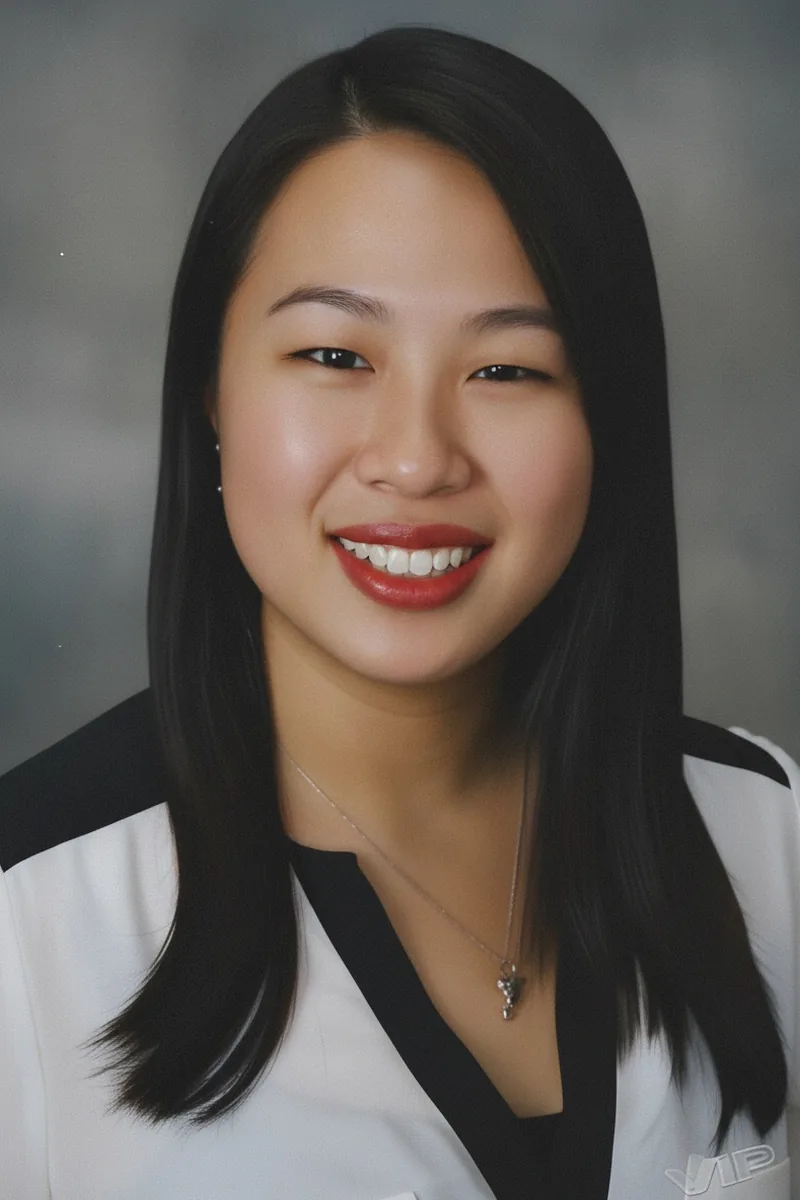
Studying cancer biology at the University of Chicago means Jessica spends time with microbial mechanisms at the cellular and molecular level — bacterial gene regulation, pathogenesis, and immune evasion strategies. She unpacks these dense topics by tying them to specific experimental techniques students encounter in their own coursework.
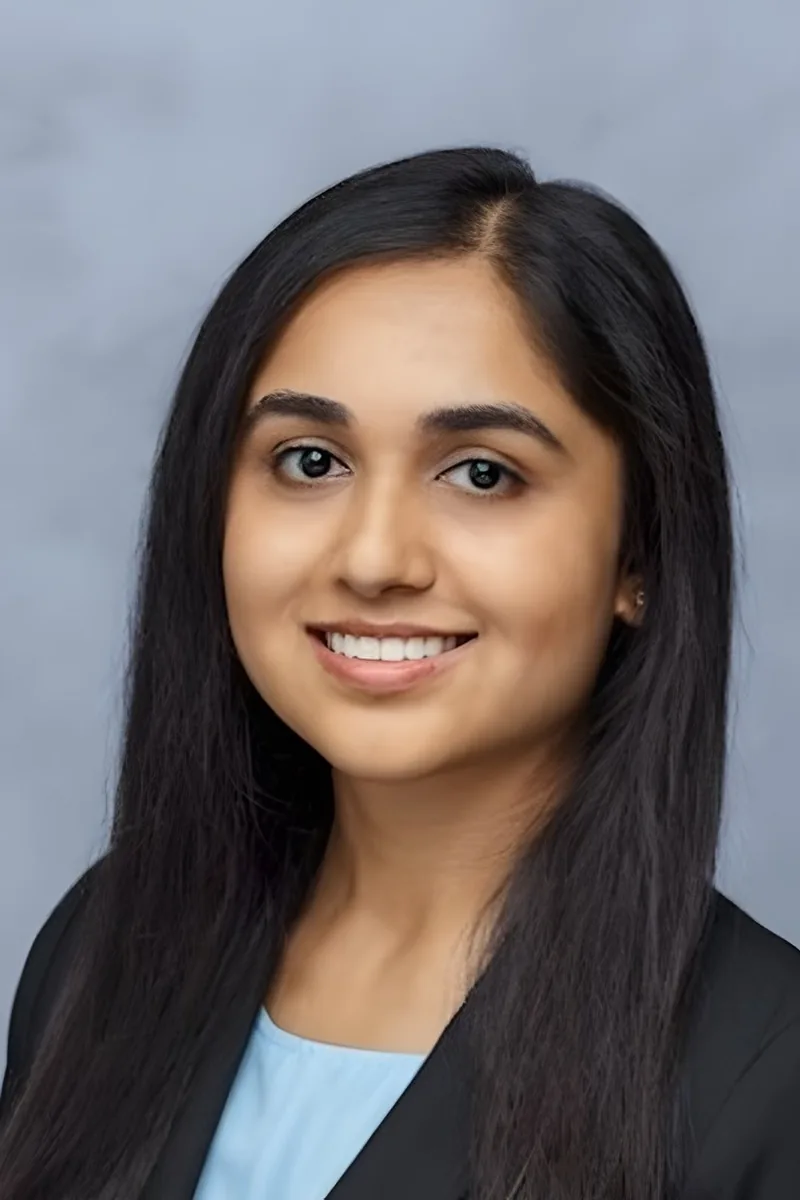
Medical school gave Kruti an unusually practical understanding of microbiology — she learned bacteria, viruses, fungi, and parasites not as abstract taxonomy but as organisms that cause specific diseases through specific mechanisms. She digs into concepts like virulence factors, antibiotic resistance pathways, and immune evasion strategies with the kind of detail that sticks. Students preparing for college-level micro exams or USMLE-style questions get someone who's recently navigated both.
Neuroscience training at the undergraduate level means Jhonatan spent significant time with the microbial world — understanding how pathogens cross the blood-brain barrier, how CNS infections progress, and how the gut microbiome communicates with neural tissue. He teaches microbial physiology and host interactions by anchoring them to these neuroimmune connections, giving students a narrative thread through what can otherwise feel like an overwhelming catalog of organisms. Rated 5.0 by students.
Richard's PhD research at Northwestern is in microbiology, which means he's not teaching this subject from a textbook — he's living it. He digs into topics like bacterial pathogenesis, microbial genetics, and host-immune interactions with the kind of detail that comes from years at the bench. Students preparing for exams or struggling with lab reports get someone who can connect microscopic mechanisms to the bigger public health picture.
Rashida's PhD in Cellular and Molecular Biology means she teaches microbiology from the inside out — starting at the level of gene regulation, membrane transport, and molecular signaling before zooming out to how microorganisms behave in populations. Her doctoral research and experience leading discussions in cell biology and Mendelian genetics give her a particular knack for explaining how bacteria acquire and express resistance genes, or how horizontal gene transfer reshapes microbial communities. Rated 5.0 by students.
Few tutors have a dedicated microbiology credential — Felix earned an Associate in Science specifically in microbiology and taught biology at the university level as a TA. He digs into bacterial morphology, staining techniques, metabolic pathways, and microbial genetics with the kind of detail that lecture halls often gloss over. Whether it's understanding biofilm formation or interpreting antibiotic susceptibility results, he connects lab concepts to the underlying theory.
Laurie studied microbiology as part of her pre-med concentration and knows how to untangle the differences between bacterial structures, viral replication cycles, and immune response pathways. She tackles the subject by linking microscopic processes to clinical scenarios, making dense material like gram staining protocols and metabolic pathways easier to retain.
Studying political science at the University of Chicago while also tutoring across cell biology, molecular biology, and chemistry gave Masooma an unusual cross-disciplinary lens on microbiology — she connects microbial processes like cell membrane function and pathogen classification back to the molecular and chemical principles that explain them. Her 34 ACT and 4.9 rating from students speak to how effectively she breaks down dense material into steps that actually make sense.
Grant's career goal is academic infectious disease medicine, which means microbiology isn't just a subject he teaches — it's the science he's building a career around. He walks through bacterial pathogenesis, immune evasion strategies, and antimicrobial mechanisms with the clinical detail that makes organisms and their behaviors memorable instead of just another list to cram.
Gram staining protocols, bacterial growth curves, pathogenicity mechanisms — microbiology demands that students toggle between memorization-heavy content and quantitative lab skills. Ian's biological sciences training gave him hands-on experience with these topics, and he unpacks microbial concepts by tying structure to function so the vocabulary sticks.
Matthew studied microbiology, immunology, and molecular genetics at the undergraduate level, so he isn't teaching from a textbook summary — he learned this material in depth. He digs into bacterial physiology, viral replication cycles, and host-pathogen interactions by posing clinical and research scenarios that make students reason through mechanisms. Rated 4.9 by students, he's especially strong on connecting molecular-level processes to observable microbial behavior.
Maxine's Master of Engineering in Biotechnology at Northwestern put her deep into microbial systems — from bacterial growth kinetics to cell signaling pathways and lab techniques like gram staining and culture preparation. She unpacks complex topics like microbial metabolism and pathogenesis by tying them back to the underlying chemistry, which makes the material easier to retain.
Gram stains, bacterial growth curves, virulence factors, antimicrobial resistance — microbiology is a subject where details matter and memorization alone won't cut it. Hilary earned her Master's in Biomedical Sciences from Midwestern University, where microbiology was central to her coursework, and she teaches students to connect pathogen characteristics to clinical outcomes so the material actually sticks.
Victoria's Master's in Reproductive Science and Medicine at Northwestern meant serious time with the microbial side of human physiology — understanding how microorganisms colonize reproductive tissues, how infections disrupt fertility, and how the body's immune defenses respond at the cellular level. Her undergraduate biology training at Case Western Reserve built the cell biology and physiology knowledge that lets her unpack topics like bacterial pathogenesis and host-microbe interactions as interconnected processes rather than isolated vocabulary lists.
Zohaib's biology degree from UIC covered the core microbial territory — bacterial structure, pathogen classification, and the metabolic pathways that distinguish one organism from another — and his concurrent MCAT prep in biological foundations keeps that material sharp. He breaks down topics like gram staining rationale and microbial reproduction cycles by tying them back to the underlying cell biology, making the details easier to retain than rote memorization allows.
Studying biological sciences at Marquette, Ellen digs into microbiology daily — bacterial metabolism, gene regulation, host-pathogen interactions, and the lab techniques used to study them. She breaks down complex processes like the lytic cycle or quorum sensing into clear, sequential steps that are easier to retain for exams.
A clinical laboratory science degree means Darby didn't just study microbiology from a textbook — she worked with bacterial cultures, staining techniques, and identification protocols hands-on. She teaches concepts like gram staining classification, microbial metabolism, and pathogen virulence factors by connecting them to the diagnostic lab scenarios where they actually matter.
Understanding the 'why' behind microbial behavior — why certain bacteria thrive in anaerobic environments, why Gram staining differentiates cell wall structures, why specific pathogens evade immune responses — requires the kind of biology-and-chemistry crossover that Ellen built at Oberlin through her bio major and chem minor. She teaches microbiology by connecting molecular-level details like metabolic pathways and membrane composition back to the observable behaviors they produce, so students can reason through unfamiliar organisms instead of relying on rote memorization. Rated 5.0 by students.
From gram staining techniques to bacterial gene regulation, Kevin's molecular biology background gives him a detailed understanding of how microorganisms function at the cellular level. He connects microbial concepts — like quorum sensing or antibiotic resistance mechanisms — back to the underlying molecular machinery, which makes the material easier to retain for exams.
From bacterial cell wall structures to viral replication cycles, Kurt's PA education required him to know microbiology at a clinical depth — which pathogens cause which infections, how antibiotic resistance develops, and why gram staining matters. He teaches the subject by connecting each organism and mechanism to a real-world scenario, so students aren't just memorizing genus names in a vacuum.
Understanding microbiology means more than memorizing bacterial classifications — it requires seeing how metabolic pathways, genetic regulation, and environmental pressures shape microbial behavior. Alec studied genetics, genomics, and development at Cornell and taught biology content in both lecture and small-group settings, giving him a knack for making concepts like quorum sensing or virulence factor regulation feel intuitive rather than overwhelming.
Studying biomedical engineering means Cassandra has spent serious time with microbial physiology, from bacterial cell structure and metabolic pathways to how pathogens interact with host immune systems. She teaches microbiology by linking each organism's characteristics to the mechanisms that make it clinically or industrially relevant, turning dense material into a coherent story.
Studying chemistry at Vanderbilt gave Elsa a strong molecular-level lens for understanding microbial processes — from bacterial cell structure and metabolic pathways to mechanisms of antibiotic resistance. She approaches microbiology by connecting cellular machinery to the chemical reactions driving it, which makes topics like gram staining or viral replication cycles easier to retain.
Gram stains, bacterial metabolic pathways, and viral replication cycles all require a kind of systematic memorization that falls apart without conceptual scaffolding. Anni's graduate work in biomedical sciences at UMDNJ gave her direct experience with microbial concepts, and she teaches them by linking each organism's structure to its clinical significance.
Ryan's master's work in cellular and molecular biology at Stanford, combined with hands-on synthetic biology research at NASA Ames, gave him deep fluency in microbial genetics, metabolic pathways, and laboratory techniques like PCR and gene cloning. He unpacks topics like bacterial pathogenesis and antimicrobial resistance by connecting them to the molecular mechanisms driving each process. Rated 5.0 by students.
As a biology major at Boston College, Andrew's coursework in cell biology and lab science gave him hands-on experience with the microbial world — bacterial structure, growth dynamics, and the metabolic differences that determine how organisms thrive in different environments. His parallel study of chemistry strengthens how he explains topics like cell membrane function and nutrient uptake at the molecular level, turning dense material into something students can actually reason through. Rated 5.0 by students.
I believe every student can make meaningful progress when instruction is tailored to their starting point, goals, and learning style. With more than 15 years of tutoring and teaching experience, including SAT, ACT, MCAT, and medical licensing examinations, along with a background teaching chemistry and physics, I help students strengthen academic skills, improve test-taking strategies, and build confidence. My approach is individualized and results-focused. I identify strengths and knowledge gaps, then create a clear plan targeting content, problem-solving, timing, organization, and study habits. I am patient, encouraging, and experienced working with diverse learning needs, including ADHD, as well as students who struggle with test anxiety, focus, or confidence. I also value clear communication with students and families so everyone understands the student's goals, progress, and next steps.
Medical school at Drexel meant Prateek had to master the clinically relevant microbiology — knowing which organisms cause what, how they evade the immune system, and why specific antibiotics work against specific bugs. His neuroscience background from Johns Hopkins adds depth when explaining topics like CNS infections and how pathogens interact with neural and immune tissue, turning what feels like rote memorization of bacterial families into a set of logical, mechanism-driven stories.
Currently in graduate study with a focus on evolution and bioanthropology, Alex brings real lab-level understanding to microbiology topics like bacterial genetics, microbial ecology, and host-pathogen interactions. He connects microscopic processes to big-picture evolutionary questions, which makes concepts like horizontal gene transfer and antibiotic resistance click for students who struggle with rote memorization.
Environmental science and public policy might seem distant from microbiology, but Ethan's coursework in biology, chemistry, and ecology covered the microbial ecology and nutrient cycling that underpin environmental systems — how soil bacteria drive nitrogen fixation, how waterborne pathogens behave in different conditions, and why microbial communities matter for public health policy. That environmental angle gives him a unique way of explaining concepts like bacterial metabolism and population dynamics, grounding abstract processes in real-world ecological contexts. Holds a 5.0 rating.
Philosophy, Politics and Economics isn't the typical path into microbiology, but Noah's biology coursework gave him enough grounding in cellular processes to break down topics like prokaryotic structure and microbial growth curves for students encountering them for the first time. He takes a methodical, logic-driven approach — the kind his PPE training sharpened — to help untangle classification systems and keep bacterial phyla from blurring together.
An environmental biology degree means Andrew spent real time studying how microbial communities shape ecosystems — from soil bacteria driving decomposition to waterborne microorganisms cycling nutrients through aquatic systems. That ecological grounding lets him teach concepts like microbial metabolism and population dynamics by connecting them to the environmental processes students can actually visualize, rather than treating them as isolated textbook definitions.
Testimonials
Because the right Microbiology tutor makes all the difference.
Average Session Rating – Based on 3.4M Learner Ratings
Nearby Microbiology Tutors
Other Rockford Tutors
Related Science Tutors in Rockford
Frequently Asked Questions
Varsity Tutors matches Rockford students with expert Microbiology tutors for 1-on-1 instruction. We pair each student with a tutor based on their specific needs, learning style, and goals.
Whether you need homework help, exam prep, or want to get ahead, our Microbiology tutors are ready to help.
Common challenges include gaps from earlier material, difficulty with specific concepts, and trouble applying learning to new problems. These issues can snowball quickly in Microbiology.
A tutor identifies where you're stuck, fills in gaps, and provides targeted practice. The 1-on-1 format means you get help exactly where you need it.
Tutors work with your student's actual coursework—homework assignments, class notes, and upcoming tests. This keeps tutoring directly relevant to what's happening in the classroom.
When you share information about your student's school and curriculum, we can match you with a tutor who has relevant experience.
All tutors complete background checks, credential verification, and teaching evaluation. Many of our Microbiology tutors hold advanced degrees or have years of teaching experience.
You can review tutor profiles to find someone with the right background for your student's level and needs.
Many students see improved grades within a few weeks, along with better understanding of Microbiology concepts and more confidence tackling challenging material.
Tutors track progress and adjust their approach to ensure continued improvement.
Most students benefit from 1-2 sessions per week. More frequent sessions help if your student is significantly behind or has an important exam coming up.
Your tutor can recommend a schedule based on your student's specific situation and goals.
Tutoring is purchased in packages of hours, with rates varying by tutor experience. Varsity Tutors offers several options to fit different budgets and needs.
You can discuss pricing during your consultation to find what works best.
Your tutor will assess where your student is, discuss goals, and start working on priority areas. Most students bring current homework or upcoming test material to focus on.
By the end, you'll have a clear sense of how the tutor can help and a plan for moving forward.
Let’s find your perfect tutor
Answer a few quick questions. We’ll recommend the right plan and match you with a top 5% tutor.