Award-Winning SAT Tutors
serving St. Paul, MN
SAT
Tutors in St. Paul
Private 1-on-1 tutoring, weekly live classes for academic support, test prep & enrichment, practice tests and diagnostics, and more to elevate grades and test scores.
Based on 3.4M Learner Ratings
UniversitiesSchools & Universities
DeliveredHours Delivered
ProficiencyGrowth in Proficiency
Who will be getting tutoring?
No obligation. Takes ~1 minute.
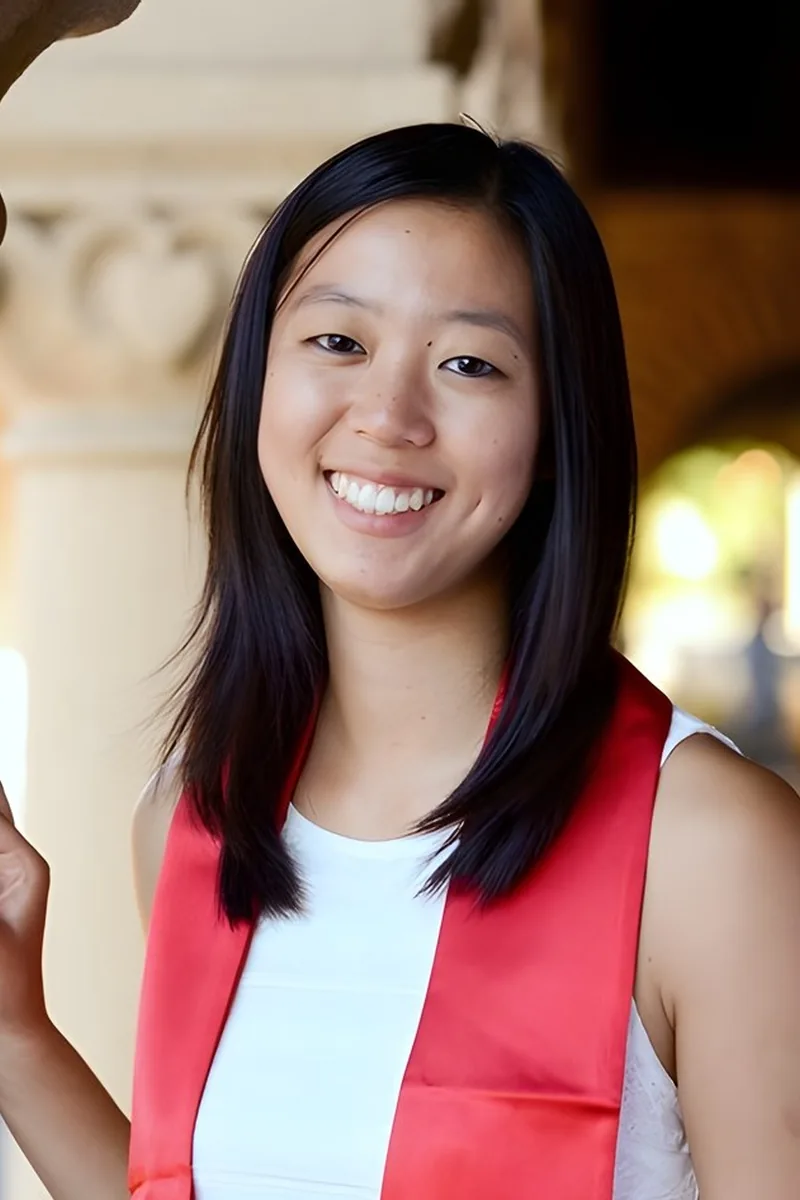
Most students underestimate how much the SAT rewards systematic elimination over raw knowledge — Caroline teaches a repeatable process for each section, drawing on her engineering training to treat every question like a problem with identifiable constraints. Her 1480 SAT score and 35 ACT back up an approach that emphasizes pacing discipline and pattern recognition across both the math and verbal modules.

What separates David's SAT approach is his computer science mindset — he treats the test as a system to decode, teaching students to spot the predictable logic behind both the math section's algebra and data problems and the reading section's evidence-based question structures. He scored a 1570 on the SAT himself and knows exactly where the exam rewards methodical process over intuition. Rated 5.0 by students.
Cognitive science training at Stanford gave David a unique lens on the SAT — he understands how attention, memory, and decision-making break down under timed pressure, and he builds test strategies around those insights. He scored a 1570 and teaches students to recognize the predictable reasoning patterns embedded in both the math and evidence-based reading sections, turning unfamiliar questions into familiar structures.
Most SAT prep treats the math and verbal sections as two separate exams — Vania treats them as one test that rewards the same core skill: reading precisely under pressure. Her mechanical engineering training built the quantitative fluency to crush the algebra and data questions, while her 1590 composite proves she can match that strength on the evidence-based reading and writing side. She teaches students to spot the specific traps the SAT reuses across both sections, turning pattern recognition into points.
Pre-med coursework in genetics and a French double major mean Jaya spends her days toggling between dense scientific reading and close literary analysis — exactly the split the SAT demands across its math-heavy and evidence-based verbal sections. She scored a 1530 on the exam herself and uses that experience to teach pacing strategies and question-type triage, especially for the data interpretation and passage-structure questions where most students leave points on the table.
Physics majors learn to read problems like puzzles — isolating what matters, translating words into equations, and checking whether an answer actually makes sense — which is exactly what the SAT Math section rewards. Ella applies that same structured reasoning to the verbal side too, treating evidence-based reading questions as logic exercises rather than literary interpretation. She scored a 1540 on the SAT herself and holds a 5.0 rating from students.
Public policy coursework at Pomona forced David to do exactly what the SAT rewards — read dense, argument-driven passages quickly and pull out the evidence that actually supports a claim. He pairs that verbal skill with a math minor's comfort on the quantitative side, covering both sections without switching gears. His own 1540 SAT and 5.0 tutoring rating back up the approach.
English and journalism majors read fast and argue precisely — two skills that map directly onto the SAT's Evidence-Based Reading and Writing sections, where Abbey is strongest. Her 1560 SAT score backs up an approach built around passage structure and rhetoric rather than trick-based shortcuts, and she applies that same analytical discipline to the math sections' word-heavy algebra and data problems.
A 1570 SAT scorer with a Child Studies background, George understands how test anxiety and second-guessing erode performance just as much as content gaps do. He teaches specific pacing strategies for the Reading section's evidence-pair questions and breaks down the Writing section's grammar rules into a short checklist students can internalize before test day. Rated 5.0 by students, he builds the kind of calibrated confidence that turns "I think it's B" into "I know it's B."
Veterinary school trains you to read dense scientific passages fast and pull out exactly the data you need — which is essentially what the SAT's Evidence-Based Reading section demands. Marika pairs that analytical reading habit with strong math fundamentals from her biology coursework to cover both sides of the exam, and her 1500 SAT score confirms she knows how the test rewards precision under time pressure. Rated 5.0 by students.
Because he's currently a CS student at the University of Minnesota, Broden knows the SAT's math section from both sides — as someone who scored a 1560 and as someone who now uses algebra, data analysis, and problem-solving daily in his coursework. He teaches the Reading and Writing sections by treating passages like debugging: isolating the logic, identifying where the argument breaks, and eliminating answers that don't hold up to scrutiny. Rated 5.0 by students.
Chemistry majors learn to read dense, data-heavy passages under pressure — a skill Edward transfers directly to the SAT's evidence-based reading questions, where extracting key information from unfamiliar texts is half the battle. His 1580 SAT score and 5.0 tutoring rating back up an approach that covers both the verbal and math sides of the exam, with particular strength in the algebra and data analysis problems that mirror the quantitative reasoning he uses daily in science.
Running a tutoring nonprofit gave Shrey something most SAT tutors don't have — hundreds of hours watching where students actually lose points under real testing conditions. He uses that pattern knowledge to drill the specific math traps and time-management pitfalls that separate a good score from a great one, backing it up with his own 1530 SAT performance. His engineering mindset means every practice session is built around systematic problem-solving, not vague test-day advice.
Classics majors spend their days translating dense Latin prose and parsing grammatical structures down to the clause level — skills Emma applies directly to the SAT's Reading and Writing sections, where identifying how sentences and arguments are built is half the battle. She scored a 1500 on the SAT herself and uses that experience to teach pacing strategies and pattern recognition across both the verbal and math portions of the exam.
Political economy coursework trains you to read dense, argument-driven texts and extract the author's reasoning under pressure — exactly what the SAT's evidence-based reading questions demand. Cleo scored a 1530 on the SAT and applies that same analytical rigor to the Writing and Language section, where she teaches students to spot grammar and rhetoric patterns rather than rely on what "sounds right." Rated 5.0 by students.
What sets Audrey apart for SAT prep is genuine fluency on both sides of the exam — her classics degree built the close-reading and analytical writing skills that dominate the verbal sections, while her coursework in physics and calculus keeps her sharp on the math side. She scored a 1550 on the SAT and uses that experience to teach students how to spot evidence-pair traps and translate word problems into solvable equations under time pressure. Rated 4.9 by students.
What separates a good SAT score from a great one is often not content knowledge but test mechanics — knowing when to skip, how to pace each module, and which answer patterns the College Board relies on. Richard scored a 1490 and teaches students to reverse-engineer both the Math and Evidence-Based Reading sections by identifying the predictable traps baked into each question type. Rated 5.0 by students, he draws on his broad background across math, writing, and history to cover the full exam without switching tutors.
Danny scored a 1450 on the SAT and breaks the exam into manageable patterns — from evidence-based reading questions that hinge on identifying the author's purpose to the no-calculator math section where number properties and algebraic reasoning matter more than speed. His background in education means he doesn't just know the content; he knows how to diagnose where points are being lost and rebuild those specific skills. Rated strategies for pacing, process of elimination, and passage markup are all part of his prep toolkit.
A 1470 SAT score paired with a finance background and CFA Charter means Kelly understands both the math-heavy and evidence-based reading sections from a quantitative and analytical angle. She's currently earning her Master's in education from the University of Minnesota, so she doesn't just know the content — she knows how to teach pacing strategies, process-of-elimination techniques, and how to decode those tricky "best evidence" question pairs. Rated 4.9 by students.
Scoring a 1450 on the SAT herself, Abirami knows the specific pacing traps and question patterns that separate a good score from a great one — particularly on the math section, where her computer science background makes data analysis and algebra problems second nature. She breaks down each section's timing strategy individually, teaching students how to triage questions so they never burn five minutes on a problem worth the same as a thirty-second one.
Alexander's aerospace engineering training at the University of Minnesota built exactly the kind of systematic problem-solving that pays off on SAT Math — translating word problems into equations, interpreting data tables, and working through multi-step algebra under time pressure. He scored a 1450 on the SAT himself and also covers the verbal side, drawing on his writing and grammar teaching experience to break down evidence-based reading questions and sentence structure rules. Holds a 5.0 rating from students.
Scoring a 1480 on the SAT gave Parsan firsthand insight into the pacing strategies and question patterns that separate a good score from a great one — particularly on the Evidence-Based Reading section, where eliminating trap answers quickly makes all the difference. His computer science background also sharpens his approach to SAT Math, where he breaks down word problems into logical steps rather than relying on formula memorization. Rated 4.7 by students.
Scoring a 1440 on the SAT gave Ami firsthand insight into the pacing and strategy decisions that separate a good score from a great one — particularly on the evidence-based reading questions where wrong answers are designed to look tempting. Her genetics background sharpens the analytical reasoning she brings to the math section's data interpretation and word problems, and her love of reading and writing means she can coach the verbal side with equal confidence.
I am no longer needed.
Keith's political science and history coursework at Williams built exactly the kind of dense, argument-heavy reading that mirrors SAT Evidence-Based Reading passages — he teaches students to trace an author's claim through supporting evidence and spot the distractor answers designed to punish skimming. His 1560 SAT score backs up a full-test approach that extends to the math and Writing & Language sections, where he emphasizes the repeatable grammar rules and algebraic setups that appear on every administration.
MIT's math program builds exactly the kind of quantitative reasoning the SAT Math section demands — from algebraic manipulation to data analysis under time pressure — and Enrico pairs that with a 1570 SAT score of his own. He teaches students to recognize the underlying structure of each problem type so they can work efficiently rather than re-deriving every solution from scratch. His 5.0 tutoring rating and experience across subjects from pre-algebra through linear algebra mean he can meet gaps in foundational skills without losing sight of test-day strategy.
Georgetown's math program trained Peter to think in precise, logical steps — exactly the skill that turns the SAT Math section's multi-step word problems and data analysis questions into straightforward solves. His 1580 SAT score and years of tutoring both math and writing mean he covers the full exam without switching gears, connecting algebraic reasoning on one section to evidence-based reading strategy on the next. Rated 5.0 by students.
A 1560 SAT scorer with a Master's in Education from Harvard, Mimi brings a structured yet creative approach to test prep — particularly the evidence-based reading passages, where her art history and literary analysis background makes dissecting complex texts second nature. She teaches students to identify argument structure and eliminate trap answers systematically across both the reading and writing sections.
Having just gone through the SAT herself — scoring a 1580 — Sreya knows exactly which question types feel deceptively easy and where students actually hemorrhage points under time pressure. Her chemistry and computer science training at Michigan built the kind of systematic, pattern-driven thinking she now applies to the Math section's data analysis and algebra problems, while her IB background keeps her sharp on evidence-based reading strategy. Rated 5.0 by students.
Second-year medical school at Baylor means Michelle lives in the world of high-stakes, timed exams — and she applies that same strategic discipline to SAT prep, where she scored a 1570. Her biochemistry training at Rice sharpens the data-interpretation and graph-reading questions on the Math section, while her science-heavy reading background translates into efficient passage analysis on the Evidence-Based Reading side.
A 1400 SAT and a communication background give Logan a dual advantage: he knows the test's structure cold and can clearly articulate the reasoning behind every answer choice. His approach to the Reading and Writing sections leans heavily on argument analysis — identifying claims, evaluating evidence, and spotting the rhetorical moves that the College Board loves to test. Rated 5.0 by students, he also brings strong math fundamentals from his 36 ACT composite to shore up the quantitative side.
Dennis's physics research at Princeton — modeling turbulent plasmas and cosmic ray acceleration — required exactly the kind of precise quantitative reasoning and data interpretation that dominates the SAT Math section. He scored a 1530 on the SAT himself and pairs that firsthand experience with a methodical, science-trained approach to the Reading section, where he teaches students to treat passages like data sets and extract evidence systematically.
Studying both psychology and linguistics at the University of Chicago gave Sherry an unusual double lens for the SAT — the linguistics side sharpens her teaching of grammar rules, sentence structure, and rhetoric on the Writing & Language section, while the psychology side informs how she coaches students through test-day pacing and anxiety management. She scored a perfect 1600 and uses that familiarity with every section to pinpoint exactly where a student's points are slipping, whether it's evidence-based reading pairs or no-calculator algebra. Rated 5.0 by students.
After working as a test prep tutor and admissions consultant in Hong Kong, Asta developed a full-picture approach to the SAT — she knows not just how to raise scores but how those scores fit into a broader college application strategy for students targeting U.S. universities. Her 1530 SAT and University of Chicago political science training sharpen her coaching on the Reading section especially, where she teaches students to trace an author's argument before touching the answer choices. Rated 5.0 by students.
Phillips Exeter's Harkness method trained Violet to pull apart complex problems collaboratively — a habit she now applies to SAT prep, where she teaches students specific tricks for pacing the math sections and spotting grammar patterns in Writing and Language. Her math degree from Brown and 1550 SAT score mean she's equally comfortable drilling no-calculator algebra strategies and coaching students through evidence-based reading questions. Rated 4.5 by students.
Testimonials
Because the right SAT tutor makes all the difference.
Average Session Rating – Based on 3.4M Learner Ratings
Practice SAT
Free practice tests, flashcards, and AI tutoring for SAT
Nearby SAT Tutors
Other St. Paul Tutors
Related Test Prep Tutors in St. Paul
Frequently Asked Questions
Varsity Tutors matches St. Paul students with expert SAT tutors for 1-on-1 instruction. We pair each student with a tutor based on their specific needs, learning style, and goals.
Whether you need homework help, exam prep, or want to get ahead, our SAT tutors are ready to help.
Common challenges include gaps from earlier material, difficulty with specific concepts, and trouble applying learning to new problems. These issues can snowball quickly in SAT.
A tutor identifies where you're stuck, fills in gaps, and provides targeted practice. The 1-on-1 format means you get help exactly where you need it.
Tutors work with your student's actual coursework—homework assignments, class notes, and upcoming tests. This keeps tutoring directly relevant to what's happening in the classroom.
When you share information about your student's school and curriculum, we can match you with a tutor who has relevant experience.
All tutors complete background checks, credential verification, and teaching evaluation. Many of our SAT tutors hold advanced degrees or have years of teaching experience.
You can review tutor profiles to find someone with the right background for your student's level and needs.
Many students see improved grades within a few weeks, along with better understanding of SAT concepts and more confidence tackling challenging material.
Tutors track progress and adjust their approach to ensure continued improvement.
Most students benefit from 1-2 sessions per week. More frequent sessions help if your student is significantly behind or has an important exam coming up.
Your tutor can recommend a schedule based on your student's specific situation and goals.
Tutoring is purchased in packages of hours, with rates varying by tutor experience. Varsity Tutors offers several options to fit different budgets and needs.
You can discuss pricing during your consultation to find what works best.
Your tutor will assess where your student is, discuss goals, and start working on priority areas. Most students bring current homework or upcoming test material to focus on.
By the end, you'll have a clear sense of how the tutor can help and a plan for moving forward.
Let’s find your perfect tutor
Answer a few quick questions. We’ll recommend the right plan and match you with a top 5% tutor.