Award-Winning Special Education Tutors
serving St. Louis, MO
Special Education
Tutors in St. Louis
Private 1-on-1 tutoring, weekly live classes for academic support, test prep & enrichment, practice tests and diagnostics, and more to elevate grades and test scores.
Based on 3.4M Learner Ratings
UniversitiesSchools & Universities
DeliveredHours Delivered
ProficiencyGrowth in Proficiency
Who needs tutoring?
No obligation. Takes ~1 minute.
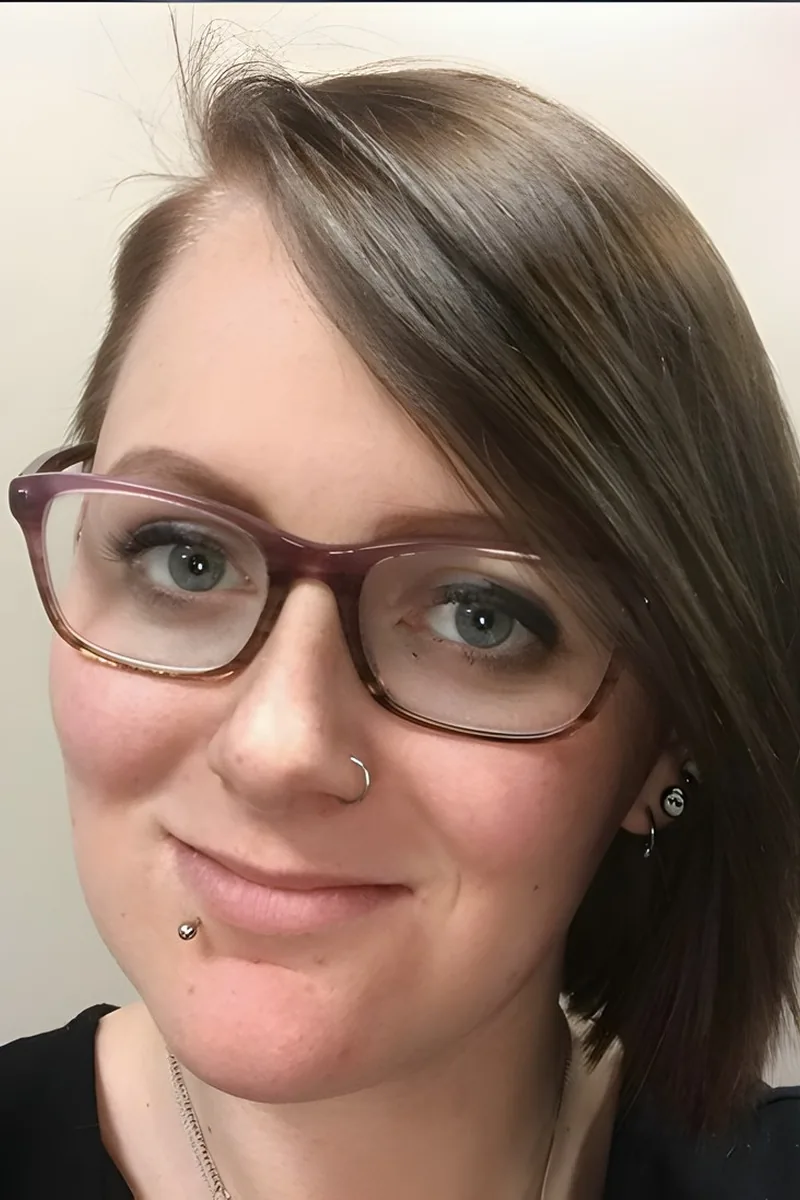
Working daily as a literacy interventionist means Brianna already tailors instruction to individual learning profiles, breaking down reading and math concepts into smaller, scaffolded steps for students who need a different approach. She understands IEP goals and progress monitoring, and she builds lessons around each student's specific strengths rather than defaulting to one-size-fits-all methods.

Victoria spent three years as a certified classroom teacher through Teach for America, working with first through third graders who had a wide range of learning needs, including IEP-supported students. She adapts lessons to different processing styles and paces, breaking academic content into structured, manageable steps that build genuine understanding rather than frustration.
Every learner processes information differently — some through auditory explanation, some through visual mapping, others through hands-on activity — and Harry builds each session around identifying what actually works for that student. His background in theater and education at Northwestern trained him to read an audience and adapt in real time, a skill that translates directly to adjusting pacing, modality, and complexity for students with diverse learning needs.
Holding a Texas Special Education teaching certification, Steve designs lessons around each learner's specific processing style rather than defaulting to one-size-fits-all worksheets. His approach leans heavily on multi-sensory techniques and scaffolded instructions, adjusting reading level, pacing, and task complexity so a student builds genuine confidence with the material.
Max's psychology degree and his experience tutoring students from varied backgrounds in West Philadelphia gave him practical insight into how different learners process information. He adapts pacing, breaks concepts into smaller steps, and uses multisensory techniques to make material accessible across subjects. His patience and structured approach — reflected in a 5.0 client rating — make him especially effective with students who need individualized support.
Working professionally with young adults on the autism spectrum taught Hannah something most tutors learn slowly: every learner's brain organizes information differently, and instruction has to adapt in real time. She designs sessions around each student's specific processing style — whether that means breaking multi-step directions into visual checklists, adjusting pacing, or finding alternative ways into a concept that traditional instruction missed. Her 5.0 rating speaks to how well that individualized approach works.
Rosemary's graduate work in occupational therapy included extensive training in adaptive learning strategies, sensory processing, and task analysis — the clinical side of what special education looks like in practice. She volunteers regularly with the Down syndrome community, giving her hands-on experience tailoring instruction to different cognitive and developmental profiles. That combination means she doesn't just know accommodations exist; she knows how to implement them in real learning moments.
Theresa adapts her teaching pace, format, and explanations to match how each learner actually processes information, whether that means visual organizers for reading comprehension or step-by-step scaffolding in math. Her range across subjects — from writing to algebra to study skills — means she can meet a student's needs without constantly switching tutors.
Certified in special education, Elise designs sessions around how each learner actually processes information — visual cues, hands-on activities, scaffolded instructions, or a mix of all three. She covers core academics like reading, writing, and math while building the self-advocacy skills that let students speak up for what they need in the classroom. Her background in studio arts adds a creative dimension that keeps learners engaged rather than overwhelmed.
As a Vanderbilt-trained and Tennessee-licensed special educator, Megan understands the full landscape — IEP goal writing, behavior intervention plans, differentiated instruction, and the legal framework of IDEA and Section 504. She tailors her approach to each learner's profile, whether that means building phonemic awareness for a student with dyslexia or creating visual math supports for a student who processes information differently. Her 5.0 rating speaks to how well that individualized approach works.
Heather's psychology background gives her real insight into how different learners process information — whether a student needs material broken into smaller chunks, presented visually, or reinforced through repetition. She's especially effective with kids who get frustrated easily, building their confidence alongside their skills in reading, math, or writing. Rated 5.0 by families she's worked with.
A PhD in neuropsychology means Bill understands learning differences — ADHD, dyslexia, processing speed challenges — at the neurological level, not just as labels on an IEP. He adapts his teaching to how each student's brain actually processes information, whether that means restructuring how material is presented or building in specific compensatory strategies for memory and attention.
Colin is a certified special educator whose classroom experience spans multiple grade levels and learning profiles, from students with dyslexia and ADHD to those on the autism spectrum. He designs each session around a student's specific IEP goals and learning style — visual aids for one learner, movement-based activities for another — rather than applying a one-size-fits-all approach. That individualized structure builds both academic skills and the confidence students need to advocate for themselves in the classroom.
Testimonials
Because the right Special Education tutor makes all the difference.
Average Session Rating – Based on 3.4M Learner Ratings
Nearby Special Education Tutors
Other St. Louis Tutors
Related Learning Differences Tutors in St. Louis
Frequently Asked Questions
Special education tutoring is personalized instruction designed for students with Individualized Education Programs (IEPs), 504 plans, or specific learning differences. Unlike classroom instruction, which must serve diverse learners at one pace, special education tutoring focuses on your child's unique learning style, strengths, and challenges—whether that's dyslexia, ADHD, autism spectrum disorder, or other learning differences. Tutors work directly with your child's IEP goals and adapt teaching methods to remove barriers to learning.
Yes. Varsity Tutors connects you with tutors who understand IEP frameworks and can reinforce the specific goals outlined in your child's plan. Before starting, share your child's IEP with the tutor so they can align instruction with priority areas—whether that's reading fluency, math computation, social-emotional skills, or executive functioning. This targeted approach helps students make measurable progress on the exact skills their school team has identified.
Students often struggle with foundational skills like phonics and decoding (especially with dyslexia), math fact fluency and problem-solving, attention and task completion, and building confidence after repeated academic struggles. Personalized tutoring breaks skills into smaller steps, uses multi-sensory teaching methods, provides frequent feedback, and celebrates progress—all proven approaches that help students with learning differences build both skills and self-esteem. The 1-on-1 setting also removes distractions and allows tutors to adjust pacing in real time.
The first session is typically a get-to-know-you meeting where the tutor learns about your child's learning style, strengths, challenges, and goals. You'll share relevant information like your child's IEP, any diagnoses, what's worked well in the past, and specific areas you want to focus on. The tutor may do some informal assessment to understand where your child is starting from, then create a personalized plan that builds from there. This foundation helps ensure every future session is as effective as possible.
Look for tutors with background in special education, experience with specific learning differences your child has, knowledge of evidence-based interventions (like structured literacy for dyslexia or Orton-Gillingham methods), and familiarity with IEPs and accommodations. Many tutors hold special education certifications, have worked in special education classrooms, or specialize in particular areas like reading intervention or math. When you connect with a tutor through Varsity Tutors, you can discuss their experience and approach to make sure they're a good fit for your child.
Progress shows up in multiple ways: improved scores on reading or math assessments, increased fluency or accuracy in targeted skills, better ability to complete assignments independently, and growing confidence in academic situations. Work with your tutor to track specific, measurable goals—like reading 10 more words per minute, solving multi-step problems with fewer errors, or staying focused for longer periods. Many families also see progress reflected in updated IEP assessments and report cards, especially when tutoring aligns with school goals.
St. Louis's 9 school districts each have special education departments and coordinators who can answer questions about IEPs, evaluations, and services. The Missouri Department of Elementary and Secondary Education also offers resources and advocacy information. While tutoring complements school services, it's designed to fill gaps and accelerate progress on specific skills your child is working on. Many families find that combining school support with personalized tutoring creates the strongest foundation for success.
Frequency depends on your child's needs, goals, and current skill gaps. Some students benefit from weekly sessions to build foundational skills, while others do well with bi-weekly sessions once they've made progress. Most students see meaningful results with consistent, ongoing tutoring over several months. Your tutor can recommend a schedule based on your child's learning pace and the specific skills you're targeting, and you can adjust as needed based on progress.
Let’s find your perfect tutor
Answer a few quick questions. We’ll recommend the right plan and match you with a top 5% tutor.