Award-Winning MCAT Biological and Biochemical Foundations of Living Systems Tutors
serving Philadelphia, PA
MCAT Biological and Biochemical Foundations of Living Systems
Tutors in Philadelphia
Private 1-on-1 tutoring, weekly live classes for academic support, test prep & enrichment, practice tests and diagnostics, and more to elevate grades and test scores.
Based on 3.4M Learner Ratings
UniversitiesSchools & Universities
DeliveredHours Delivered
ProficiencyGrowth in Proficiency
Who needs tutoring?
No obligation. Takes ~1 minute.
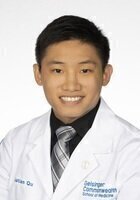
I am a MD resident physician in Radiology and 2020 graduate of Rice University. Throughout my academic and professional journey, I've found that one of the most rewarding parts of education is helping others reach their potential. I've worked with students across many stages, from high schoolers preparing for the SAT/ACT, to applicants refining personal statements for college and medical school, to medical students tackling board exams. In each of these settings, my goal remains the same: to help students not just learn material but learn how to learn. My teaching philosophy is built on the belief that success doesn't depend on being naturally gifted, it comes from consistency, structure, and a willingness to improve. I work with students to develop individualized study plans, set achievable milestones, and build momentum. I focus on helping students become confident learners who can approach problems with clarity and strategy.
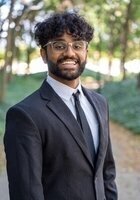
I've spent 6 years tutoring K-College-level students in a variety of subjects, from ACT and MCAT to neuroscience and basic reading. My job is to find where the confusion actually started and make a plan. We work through it out loud until you can explain it back to me. Students leave my sessions not just with the homework done, but knowing how to attack the next problem on their own. I graduated from Ohio State with a 3.96 GPA, 34 ACT and a 517 MCAT score.
I am currently a medical student at the University of Texas Southwestern. I completed a major in Biology with a triple minor focus in Chemistry, Sociology, and Medicine and Society. During my undergraduate career, I tutored hundreds of students through my work with the American Chemical Society, LAUNCH, and Scholars Enrichment Program. While I tutor a broad range of subjects, I am most passionate about Chemistry and Organic Chemistry. I have recently taken my MCAT and I would love to help you prepare for that especially if you need help with Chemistry based questions. In my experience helping struggling students prepare for Standardized Tests such as the ACT and the MCAT, I always find new ways to engage my students and make testing strategies more accessible to them. I believe the best way to learn is to teach. Therefore, my main teaching strategy will be filling any knowledge gaps and allowing you the opportunity to re-explain material in order to ensure you will remember it.
I am a graduate of Emory University, where I received my Bachelor of Science in Neuroscience and Behavioral Biology with a minor in Dance and Movement Studies. Throughout college, I have trained extensively tutoring students of various ages across many subjects. As an "Emory Reads" tutor for four years, I helped alleviate education inequality by providing weekly tutoring to students in Atlanta's lowest performing elementary schools to enhance reading comprehension and mathematics skills. I worked with the schools to transition engaged learning to an online format. I am a firm proponent of education, and am committed to providing my students with the best learning experience achievable. I am passionate about helping struggling students face the challenges of early education, and help them build a solid foundation for the future. I also served several semesters working with high school and college-age students. As a Teaching Assistant for college-level physics, I developed a sincere bond with my students as I strived to help them achieve there academic goals. I also worked as a peer-editor for papers and personal statements, as appointed by my professors who recognized my strong writing skills. For three years, I tutored and mentored high school students who were passionate about pursuing the sciences in college. I helped them through their AP coursework, preparing for standardized tests, and the college application process. I have worked with students to get into Ivy League universities, Berkeley, UCLA, NYU, and more. I am looking forward to being able to helping every student reach their personal potential, and sharing the joy of eventual success!
Howdy! My name is Karthik, and I look forward to meeting you. I've been tutoring for over 10 years, and am excited to give you the tools to achieve success! I've seen it all, from frustrated parents who need their 8 year old to learn how to read, to high school/college students just needing a grade boost to pass a class, to retirees who finally have enough time to pick up that language they never got around to. I've personally taken courses on, passed tests for, and used the knowledge in real life for all the subjects I tutor, so I know not just how to learn, but also how to apply. If you'd like to get your personlized gameplan to never need tutoring again, help me help you and book a session today!
I am a current osteopathic medical student with a strong passion for teaching science in a way that feels approachable and understandable. Throughout my academic journey, I have developed a deep understanding of subjects including biology, biochemistry, anatomy, physiology, immunology, and neuroscience, and I enjoy helping students build both confidence and mastery in these areas. I scored in the 99th percentile on the MCAT Biology section and have experience breaking down complex concepts into simple, memorable explanations tailored to each student's learning style. In addition to tutoring, I have worked in educational settings including academic mentoring and tutoring, where I learned the importance of patience, encouragement, and individualized teaching strategies. My approach focuses on helping students truly understand material rather than memorize facts. I work to create a supportive learning environment where students feel comfortable asking questions, developing critical thinking skills, and gaining confidence in their abilities. Whether a student needs help preparing for exams, strengthening foundational concepts, or improving study strategies, I aim to make learning engaging and less overwhelming. Beyond academics, I have also contributed to scientific research, including publication work involving peripheral peptides and neuroscience-related topics. My background in medicine and research allows me to connect scientific concepts to real-world applications and clinical relevance. I enjoy working with students at many levels, including middle school, high school, college, and pre-medical students, and I am especially passionate about helping students succeed in the sciences and achieve their long-term goals.
Hi, I'm Ramin. 99th percentile MCAT (523). 99th percentile LSAT (179). Medical student. Attorney. Over 12 years, I've coached 1,500+ students to massive score jumps15+ MCAT points, 20+ LSAT pointsand earned seats at Harvard, Stanford, Yale, Johns Hopkins, Columbia, and beyond. I don't drown you in content. I teach you how test-makers think so you can beat them at their own game. Every session targets your weak spots. Plateaus break. Scores jump. Dream schools answer. Let's get to work.
Testimonials
Because the right MCAT Biological and Biochemical Foundations of Living Systems tutor makes all the difference.
Average Session Rating – Based on 3.4M Learner Ratings
Nearby MCAT Biological and Biochemical Foundations of Living Systems Tutors
Other Philadelphia Tutors
Related Graduate Test Prep Tutors in Philadelphia
Frequently Asked Questions
This section tests your understanding of cellular and molecular biology, biochemistry, physiology, and genetics. You'll encounter questions on enzyme kinetics, protein synthesis, cellular respiration, photosynthesis, homeostasis, and organ system functions. The section is designed to assess both foundational knowledge and your ability to apply concepts to novel biological scenarios, which is why many students benefit from personalized tutoring that connects these topics to real test questions.
You'll have 95 minutes to answer approximately 44 questions, which averages about 2 minutes per question. However, passage-based questions typically require more time for reading comprehension, while standalone questions move faster. A strong pacing strategy involves quickly identifying question types, spending 3-4 minutes on dense passages, and flagging difficult questions to revisit. Tutors can help you develop personalized timing techniques based on your reading speed and content knowledge gaps.
Many students struggle with the breadth of content—biochemistry pathways, enzyme mechanisms, and complex physiological systems can feel overwhelming. Others find the passage-reading component challenging, as questions often test your ability to extract relevant information rather than just recall facts. Time management is another frequent issue, especially when encountering unfamiliar experimental designs or data interpretation questions. Personalized instruction can target your specific weak areas, whether that's content mastery, reading strategy, or question-type recognition.
Most students benefit from 4-6 weeks of focused preparation for this section, though this varies based on your baseline knowledge and target score. A typical study schedule includes 2-3 weeks of content review, followed by 2-3 weeks of practice tests and question drilling. For students in Philadelphia with demanding academic schedules, working with a tutor can accelerate your progress by creating an efficient, personalized study plan rather than trying to cover everything broadly.
Practice tests are essential—they reveal timing issues, content gaps, and question-type patterns you might miss with passive studying. Taking full-length practice tests under timed conditions helps you build stamina and identify whether your errors stem from knowledge gaps or careless mistakes. Varsity Tutors connects you with expert tutors who can review your practice test results, pinpoint specific weakness areas, and develop targeted strategies to address them before test day.
Biochemistry requires both conceptual understanding and pattern recognition. Rather than memorizing every pathway, focus on understanding enzyme mechanisms, cofactor roles, and how pathways interconnect (glycolysis to citric acid cycle to electron transport chain, for example). Many students find success by creating visual maps and working through practice problems repeatedly. A tutor can help you build mental frameworks for biochemistry that make complex pathways more intuitive and memorable.
Test anxiety often peaks when you encounter unfamiliar questions or feel rushed. Building confidence through repeated practice with timed questions helps normalize the test experience and reduces panic. Developing a consistent pre-test routine, practicing deep breathing during the exam, and reminding yourself that you don't need to answer every question perfectly (the MCAT is designed to be challenging) can all help. Working with a tutor who simulates test conditions and provides encouragement can significantly boost your confidence heading into test day.
Look for tutors with strong MCAT performance themselves, experience teaching biochemistry and physiology, and familiarity with current test formats and question types. They should be able to explain complex concepts clearly, identify your specific weak areas quickly, and adapt their teaching style to your learning preferences. Varsity Tutors connects you with expert tutors for students in Philadelphia who specialize in MCAT preparation and can create a personalized study plan aligned with your target score and timeline.
Let’s find your perfect tutor
Answer a few quick questions. We’ll recommend the right plan and match you with a top 5% tutor.