Award-Winning College Chemistry Tutors
serving Chattanooga, TN
College Chemistry
Tutors in Chattanooga
Private 1-on-1 tutoring, weekly live classes for academic support, test prep & enrichment, practice tests and diagnostics, and more to elevate grades and test scores.
Based on 3.4M Learner Ratings
UniversitiesSchools & Universities
DeliveredHours Delivered
ProficiencyGrowth in Proficiency
Who needs tutoring?
No obligation. Takes ~1 minute.
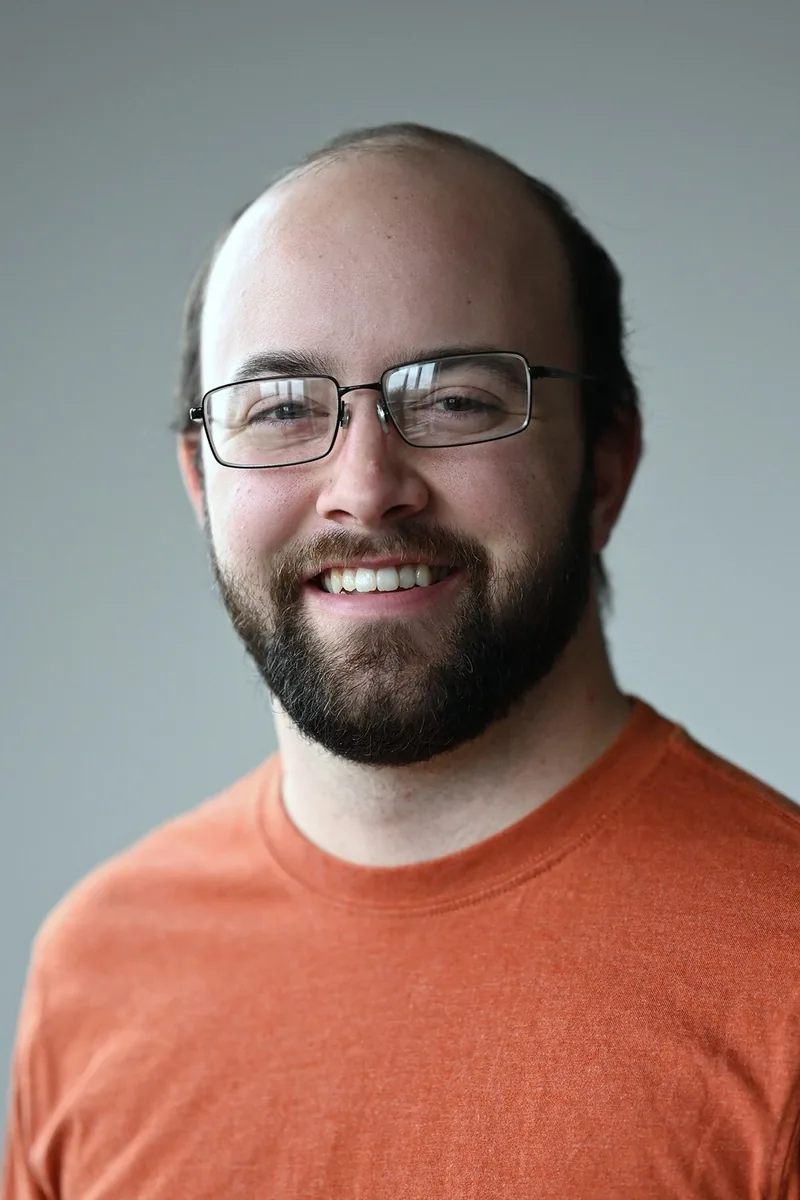
In 2022, I completed my Ph.D. in Chemistry at Vanderbilt University. My goal is to use my expertise in chemistry, algebra, and calculus to help students not only learn but also enjoy these subjects. My favorite subject to teach is general chemistry as it highlights the importance of interdisciplinary study combining, physics, math, and even biology. While my degree expertise lies in chemistry, I am equally adapt in teaching all levels of mathematics. I take pride in reinforcing mathematics concepts with tangible applications in other fields to highlight its importance and making learning interesting.
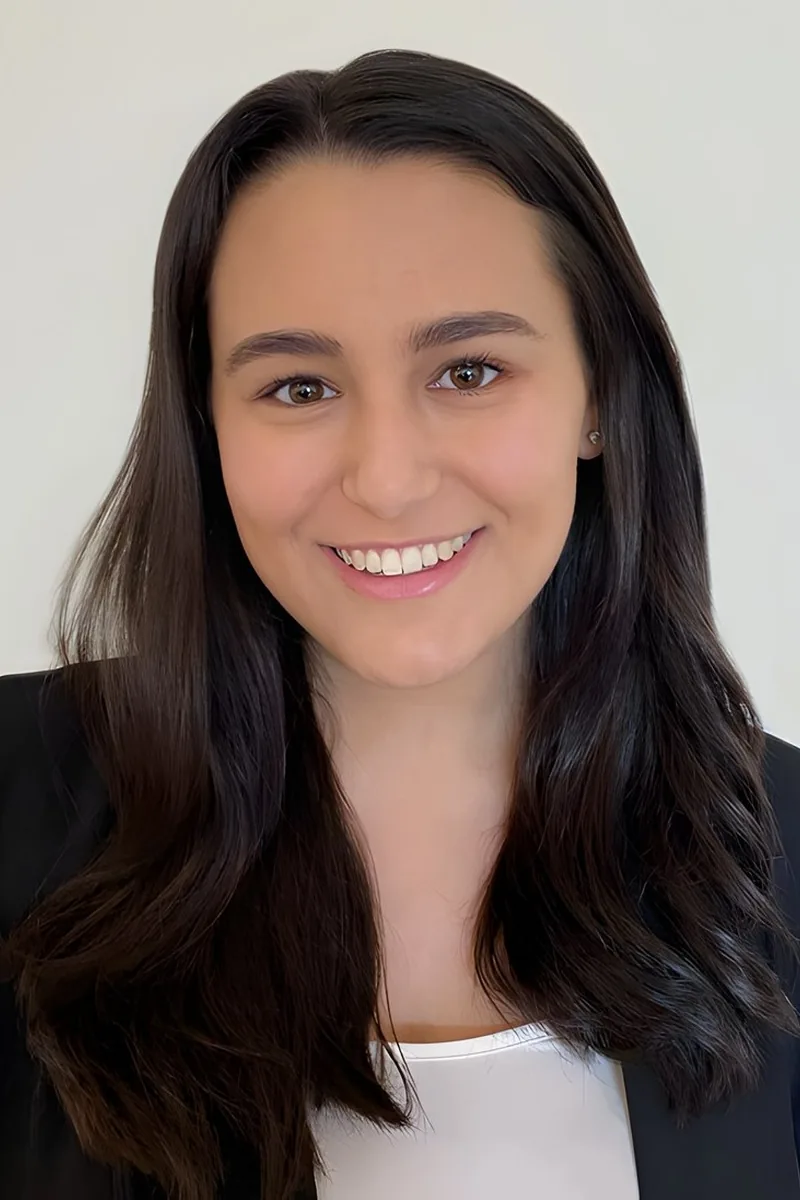
Two biomedical engineering degrees mean Allyson has been solving problems rooted in gen chem concepts — reaction thermodynamics, solution chemistry, molecular interactions — long after most students close the textbook, applying them in biomaterials, transport phenomena, and device design contexts. She breaks down calculation-heavy topics like equilibrium and stoichiometry by connecting the math to the physical system it describes, which keeps the problem-solving from feeling mechanical. Rated 4.9 by students.
Having earned a PhD in Molecular Pathology & Immunology from Vanderbilt, Kathleen spent years applying gen chem principles — reaction thermodynamics, acid-base chemistry, molecular bonding — in research contexts where getting the fundamentals wrong meant failed experiments, not just missed points. That background means she teaches college chemistry with an emphasis on chemical intuition: understanding why a reaction proceeds or why a molecule behaves a certain way, so the problem-solving follows naturally. Her undergraduate chemistry degree from the University of Arkansas ensures the content knowledge runs all the way down to the foundations.
Biochemistry coursework means Fay lives in college chemistry every day — from thermodynamics and equilibrium to electrochemistry and molecular orbital theory. He breaks down problem sets by connecting abstract equations to the molecular behavior behind them, making concepts like Gibbs free energy or Le Chatelier's principle click rather than feel arbitrary. Rated 4.9 by students.
Biology majors often hit college chemistry expecting memorization and instead find themselves buried in equilibrium calculations, gas law derivations, and thermochemistry problems that demand real math fluency. Andrew's biology degree means he's been through that exact transition, and his 5.0 rating suggests he's effective at pinpointing whether a student's confusion is rooted in the chemistry itself or in the quantitative steps wrapped around it.
A chemistry degree plus dental school means Jackson has worked through general chemistry concepts twice — once in theory and once in clinical application. He digs into equilibrium, acid-base reactions, and thermochemistry by tying abstract equations to tangible processes like buffer systems in the body. Students walk away understanding not just how to balance a redox reaction, but why it matters.
Pre-med coursework forced Kristen through the full gauntlet of gen chem — stoichiometry, equilibrium, acid-base chemistry — with the added pressure of knowing every concept would resurface on the MCAT. Her psychology background gives her an unusual read on how students actually process quantitative material, so she's quick to spot when someone is memorizing reaction patterns without understanding the underlying logic. She scored a 1490 SAT and 31 ACT, reflecting the kind of cross-disciplinary rigor she brings to problem-solving in chemistry.
Working in a research lab at UTHealth, Emily applies gen chem principles like reaction kinetics, buffer systems, and molecular interactions at the bench every day — which means she can show students what these concepts look like beyond the textbook problem set. Her biochemistry and cell biology degree built the content depth, and active research keeps it sharp, especially for topics like solution chemistry and thermodynamics where real-world context makes the logic easier to hold onto.
Thermodynamics, equilibrium constants, and electrochemistry all click faster when the tutor has spent years applying them in engineering contexts. Abismael earned his B.S. in Chemical Engineering, so he teaches college-level concepts through real reaction systems rather than abstract formulas. He's known for pushing students with spontaneous, exam-level questions until the material becomes second nature.
Forty-plus students tutored in general and AP Chemistry, a bachelor's in chemistry, and a master's in environmental toxicology — Amy has seen college-level chemical concepts from the classroom side and the research side, where sloppy equilibrium reasoning or shaky thermodynamics understanding actually costs you results. She walks through problems like calorimetry, solution preparation, and reaction stoichiometry with an emphasis on dimensional analysis and unit tracking, which is where most gen chem mistakes quietly start. Rated 5.0 by students.
I've been working with students for over seven years, from middle school all the way through college, across subjects like math, calculus, statistics, linear algebra, chemistry, and physics, with a lot of SAT and ACT prep mixed in. My background is perhaps a little unconventional. I have two bachelor's degrees, one in Engineering and one in Communication Studies, plus a Master's in Design. That combination means I can guide you through challenging technical material and communicate it in a way that is easy to grasp. What I care most about is helping students get to a place where they don't need me anymore. I know that sounds like a strange thing for a tutor to say, but I think it's the right goal. I'm not here to walk you through steps to copy down. I want you to understand why something works, because that's what holds up under pressure, on a test you haven't seen before. If you're ready to ace that test or prove that theorem that's been bugging you, reach out and let's work together
Second-year med student at Baylor College of Medicine, Michelle still remembers exactly which gen chem concepts — electron orbitals, buffer systems, reaction thermodynamics — became non-negotiable once biochemistry and physiology started building on them. Her Rice biochemistry degree means she learned college chemistry at a place where the coursework was rigorous enough to expose every shortcut that doesn't hold up, and she teaches accordingly: precise on the fundamentals so nothing collapses later.
Four years of chemical engineering coursework at Pitt meant Olivia didn't just take gen chem — she leaned on it daily through material balances, reaction engineering, and process thermodynamics, so concepts like enthalpy, equilibrium constants, and stoichiometry are second nature rather than distant memories from freshman year. She's especially sharp at bridging the gap when students can set up a problem conceptually but lose the thread during multi-step calculations involving unit conversions or gas law algebra. Rated 4.9 by students.
Cognitive Studies at Vanderbilt gave Vy an unusual angle on college chemistry — she understands how students actually learn and retain dense, concept-heavy material like electron configurations, equilibrium shifts, and thermodynamic laws, not just the content itself. She uses that awareness to structure explanations around how the brain organizes new information, which makes a real difference when a student is drowning in a fast-paced gen chem course. Holds a 5.0 rating.
Chemical and biomolecular engineering at MIT means Natasha uses general chemistry concepts — equilibrium, kinetics, electrochemistry — as daily tools, not just exam topics. She talks through reaction mechanisms and stoichiometry problems out loud with students, treating each session more like a collaborative lab meeting than a lecture. Rated 4.9 by students.
Between equilibrium expressions, thermodynamic calculations, and orbital theory, college chemistry demands a level of abstraction that introductory courses don't always prepare students for. Amber digs into the quantitative backbone of these topics, connecting the math to the molecular-level reasoning so that concepts like Gibbs free energy or rate law derivations make sense rather than just get memorized. Her breadth across chemistry and advanced math gives her a rare versatility in tackling problem sets.
Li's doctoral-level medical coursework means she's encountered college chemistry concepts like acid-base equilibria, solution chemistry, and reaction energetics in clinical contexts where getting the chemistry wrong has real consequences. Her microbiology and anatomy teaching background also means she can ground abstract gen chem topics — like intermolecular forces or oxidation states — in the biological systems students will see again in upper-level courses.
Though political science was her major at the University of Chicago, Asta's tutoring work across both chemistry and quantitative subjects means she's spent real time breaking down the conceptual hurdles in gen chem — balancing equations, working through mole conversions, and making sense of reaction types. Her 5.0 rating speaks to an approach that's honest about meeting the material on its own terms rather than pretending expertise she doesn't have, which students in a tough prerequisite course tend to trust more, not less.
Samantha studied Chemistry & Chemical Biology at Cornell with a food science concentration, so she's tackled everything from organic reaction mechanisms to thermodynamics and spectroscopy at the college level. She teaches tricky concepts like equilibrium constants, electrochemistry, and molecular orbital theory by building visual models that connect the math to what's physically happening at the molecular scale.
Testimonials
Because the right College Chemistry tutor makes all the difference.
Average Session Rating – Based on 3.4M Learner Ratings
Nearby College Chemistry Tutors
Other Chattanooga Tutors
Related Science Tutors in Chattanooga
Frequently Asked Questions
Varsity Tutors matches Chattanooga students with expert College Chemistry tutors for 1-on-1 instruction. We pair each student with a tutor based on their specific needs, learning style, and goals.
Whether you need homework help, exam prep, or want to get ahead, our College Chemistry tutors are ready to help.
Common challenges include gaps from earlier material, difficulty with specific concepts, and trouble applying learning to new problems. These issues can snowball quickly in College Chemistry.
A tutor identifies where you're stuck, fills in gaps, and provides targeted practice. The 1-on-1 format means you get help exactly where you need it.
Tutors work with your student's actual coursework—homework assignments, class notes, and upcoming tests. This keeps tutoring directly relevant to what's happening in the classroom.
When you share information about your student's school and curriculum, we can match you with a tutor who has relevant experience.
All tutors complete background checks, credential verification, and teaching evaluation. Many of our College Chemistry tutors hold advanced degrees or have years of teaching experience.
You can review tutor profiles to find someone with the right background for your student's level and needs.
Many students see improved grades within a few weeks, along with better understanding of College Chemistry concepts and more confidence tackling challenging material.
Tutors track progress and adjust their approach to ensure continued improvement.
Most students benefit from 1-2 sessions per week. More frequent sessions help if your student is significantly behind or has an important exam coming up.
Your tutor can recommend a schedule based on your student's specific situation and goals.
Tutoring is purchased in packages of hours, with rates varying by tutor experience. Varsity Tutors offers several options to fit different budgets and needs.
You can discuss pricing during your consultation to find what works best.
Your tutor will assess where your student is, discuss goals, and start working on priority areas. Most students bring current homework or upcoming test material to focus on.
By the end, you'll have a clear sense of how the tutor can help and a plan for moving forward.
Let’s find your perfect tutor
Answer a few quick questions. We’ll recommend the right plan and match you with a top 5% tutor.