Award-Winning Statistics Tutors
serving Colorado Springs, CO
Statistics
Tutors in Colorado Springs
Private 1-on-1 tutoring, weekly live classes for academic support, test prep & enrichment, practice tests and diagnostics, and more to elevate grades and test scores.
Based on 3.4M Learner Ratings
UniversitiesSchools & Universities
DeliveredHours Delivered
ProficiencyGrowth in Proficiency
Who needs tutoring?
No obligation. Takes ~1 minute.
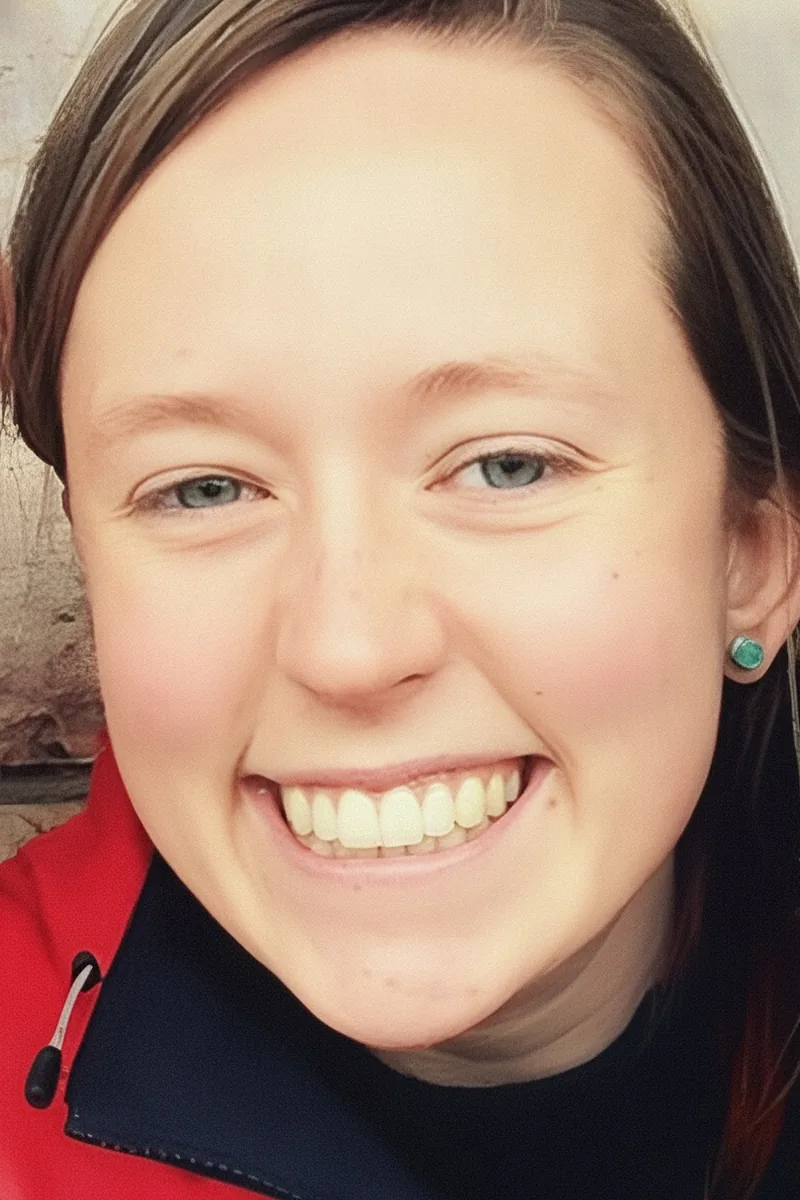
Graduating from an IB high school with top marks and then completing a math degree at Brown means Zofia encountered statistics from both sides — the structured hypothesis testing and chi-square analyses of the IB curriculum, and the rigorous probability theory that underpins it all at the university level. She breaks down concepts like conditional probability and sampling distributions by connecting them to the mathematical machinery students rarely get to see in a standard stats course. Her 3.87 GPA in a demanding program speaks to the precision she brings to every session.
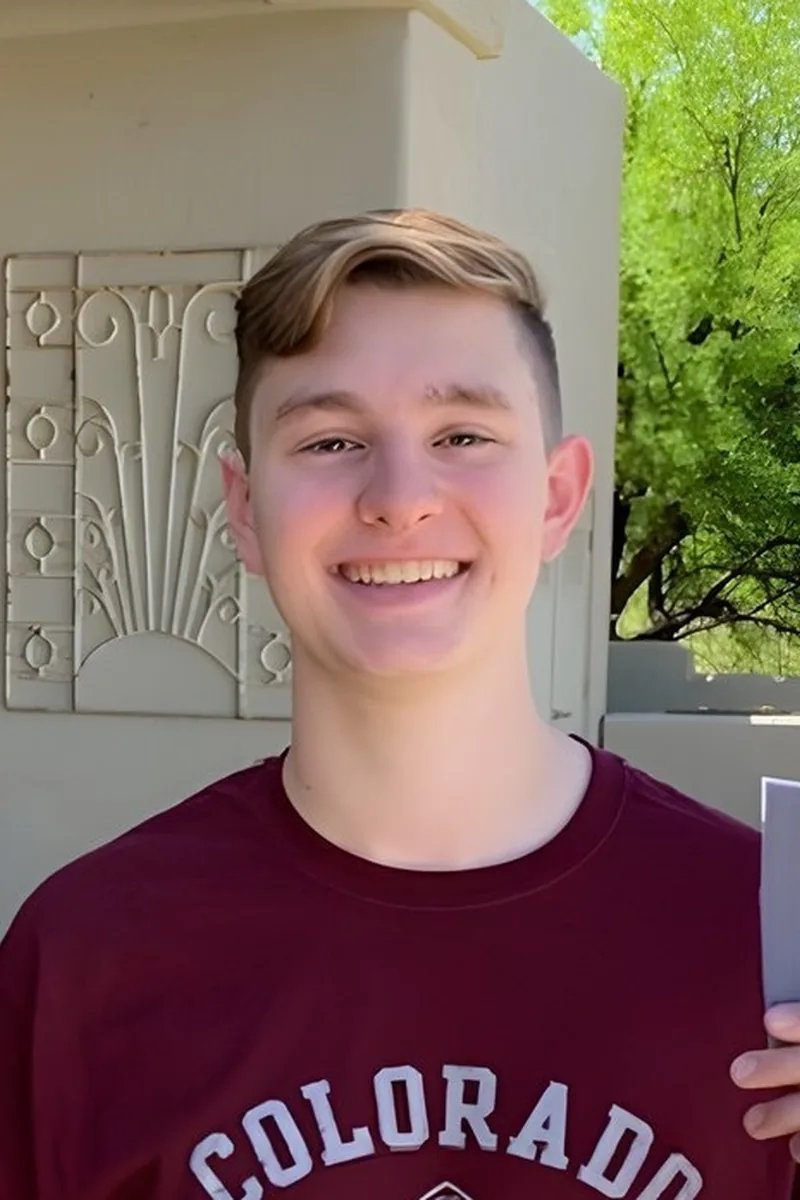
Physics majors at Colorado School of Mines don't just encounter statistics in a standalone course — they use it constantly to analyze experimental uncertainty, fit models to noisy data, and determine whether measured results are statistically significant. Jude brings that lab-bench perspective to topics like probability distributions, hypothesis testing, and regression, treating each one as a tool for answering real questions rather than an exercise in formula memorization. His 36 ACT and 4.9 rating speak to the rigor and clarity he brings to every session.
I am a student at the Georgia Institute of Technology studying Chemical Engineering. For the past several years, I have worked with students extensively. Through hosting events for younger kids to learn about STEM and for older teens to practice empathetic design, I know the importance of teaching students in ways that engage them rather than frustrate them, which I apply to my teaching. I have tutored high school students in a drop-in resource center in various subjects including math of all levels, chemistry, and English, making me adequately equipped in a variety of topics. I have also tutored several students long-term. Establishing relationships with students and exploring their unique learning styles is my favorite part of tutoring. I prioritize helping students discover HOW to learn in a manner that is the most effective for them, so they can begin to use those skills on their own throughout their education. Learning is a lifelong skill that requires practice for improvement; I strive to help my students gain confidence in their ability to learn.
Understanding statistics requires a different kind of mathematical thinking — interpreting data, recognizing distributions, and knowing when a correlation actually means something. Marcus's dual background in biological sciences and political science gave him extensive practice with statistical analysis in two very different contexts, from lab data to polling methodology. He teaches students to read data critically rather than just calculate means and standard deviations by formula.
Ed holds a master's in Applied Statistics from Colorado State, where he conducted statistical consultations for researchers across departments. That hands-on experience means he teaches probability distributions, hypothesis testing, and regression analysis through real datasets and practical interpretation, not just formula sheets.
Collecting data was a daily reality in Rosemary's environmental biology program — field samples, population counts, water quality measurements — so she understands statistics as a practical tool, not just a textbook exercise. She digs into concepts like hypothesis testing, confidence intervals, and regression by walking through what each calculation actually tells you about your data. That applied perspective makes abstract ideas like p-values and standard deviation far more intuitive.
Sarah's graduate-level research in public health and epidemiology means she uses statistics daily — hypothesis testing, confidence intervals, regression models, and probability distributions are part of her working vocabulary. She teaches these concepts through real-world data scenarios, making abstract formulas feel purposeful and concrete.
Probability distributions, hypothesis testing, and regression analysis all click faster when you've actually used them to make decisions. Hari's finance background means he's applied statistical methods to real datasets — forecasting, risk analysis, variance modeling — and he teaches the logic behind each test so students can choose the right approach on their own.
I am currently working in a Bronx Public School as a teaching apprentice in Algebra. I have four years of experience tutoring one on one with students of all ages.
A Quantitative Methods minor at Vanderbilt means Heather spent semesters immersed in regression analysis, hypothesis testing, and probability — the exact material that trips up most statistics students. She teaches the reasoning behind each test so students can choose the right method on their own, not just follow a decision flowchart. Her 4.9 rating speaks to that approach.
Engineering Physics at Cornell requires serious statistical reasoning — error analysis, probability distributions, hypothesis testing — so Daniel brings a practical lens to statistics rather than a purely textbook one. He walks through concepts like standard deviation, regression, and confidence intervals by tying them to real data questions, which makes the logic behind each formula click.
Studying Statistics at NYU means Dennis doesn't just teach probability distributions and hypothesis testing from a textbook — he's actively working through these concepts in his own coursework. He's especially sharp at translating the notation-heavy language of statistics into plain English, which makes topics like confidence intervals and regression analysis far less intimidating.
Interpreting p-values, choosing the right hypothesis test, and knowing when a confidence interval actually tells you something useful — these are the concepts that separate students who understand statistics from those just plugging into calculators. Zachary brings a researcher's perspective from his biochemistry and biophysics training, where statistical analysis was built into every experiment. Rated 5.0 by students.
A year as a course assistant in Harvard's math department gave Richard a front-row seat to where students get tripped up — and in statistics, it's almost always the jump from computing a value to interpreting what it means. He teaches concepts like variability, correlation, and probability by connecting the math to the kind of data-driven arguments he encounters in his government coursework, where a misread confidence interval can derail an entire policy claim.
Probability distributions, hypothesis testing, confidence intervals — statistics asks students to think in a fundamentally different way than most math courses. Elliot spent years running statistical analyses on neural data during his PhD research, which means he can show exactly how concepts like p-values and regression actually function in practice, not just on a formula sheet.
Engineering at Dartmouth meant Rachel lived in data — running experiments, interpreting distributions, and making decisions based on probability and hypothesis testing. She brings that practical fluency to statistics tutoring, connecting concepts like standard deviation and confidence intervals to real scenarios instead of leaving them as abstract formulas.
Designing and optimizing light filters for optical multiplexers at Norfolk State required Dennis to apply statistical methods to real engineering data — fitting distributions, quantifying uncertainty, and interpreting experimental results. He teaches statistics with that practitioner's perspective, making topics like standard deviation, probability, and regression feel like problem-solving tools rather than abstract formulas.
Understanding probability distributions or interpreting a confidence interval requires a different kind of thinking than most math classes demand. Dillon spent years applying statistics in engineering contexts — quality control, data analysis, experimental design — and he brings that applied lens to topics like standard deviation, z-scores, and regression so students see what the numbers actually tell them.
Probability distributions, hypothesis testing, and regression analysis are central to both engineering and business — and Caroline has graduate-level training in both. Her mechanical engineering M.S. from WashU built her statistical modeling skills, while her current MBA at MIT Sloan sharpens how she interprets data for real-world decisions. She teaches the reasoning behind each method so formulas stop feeling like black boxes.
Testimonials
Because the right Statistics tutor makes all the difference.
Average Session Rating – Based on 3.4M Learner Ratings
Practice Statistics
Free practice tests, flashcards, and AI tutoring for Statistics
Nearby Statistics Tutors
Other Colorado Springs Tutors
Related Math Tutors in Colorado Springs
Frequently Asked Questions
Tutors work with students using their specific textbooks and curriculum materials, whether students are in AP Statistics, introductory Statistics, or college-level courses. They understand how different Colorado Springs school districts approach Statistics—from hypothesis testing frameworks to data visualization methods—and tailor instruction accordingly. This alignment means students can immediately apply tutoring concepts to their classroom work and assessments.
Many students struggle with interpreting word problems and translating real-world scenarios into statistical models, as well as understanding when to use specific tests (t-tests, chi-square, correlation vs. causation). Others find probability concepts counterintuitive or have difficulty reading and creating graphs and distributions. Tutors help students build conceptual understanding of these ideas rather than just memorizing formulas, which builds confidence and deeper mastery.
Tutors teach students to break down complex statistical problems into manageable steps—identifying what the data represents, selecting the appropriate method, and interpreting results in context. They emphasize showing work and explaining reasoning, which is critical for Statistics where the interpretation matters as much as the calculation. This strategic approach helps students tackle unfamiliar problems with confidence rather than feeling stuck.
Absolutely. Statistics anxiety is common, and tutors create a low-pressure environment where you can ask questions and work through concepts at your own pace. By focusing on understanding patterns and real-world applications rather than just calculations, many students discover that Statistics is more logical and less intimidating than they expected. Personalized instruction builds confidence through small wins and clear explanations.
The first session is typically diagnostic and conversational. Tutors learn about your current Statistics course, specific topics you're struggling with, and your learning style. They may work through a sample problem or concept to understand your strengths and gaps, then create a personalized plan focused on your goals—whether that's improving test scores, understanding a specific unit, or building overall confidence.
Tutors teach students to think critically about data—asking questions like "What does this graph actually show?" and "Is correlation the same as causation?" They help students recognize patterns, identify bias in data collection, and understand confidence intervals and margins of error in context. This conceptual foundation makes data interpretation feel logical rather than mysterious.
Yes. Tutors can target specific exam formats and question types, help you master high-yield topics like probability and inference, and build test-taking strategies. They work through practice problems from actual exams, identify patterns in your mistakes, and focus on areas where you need the most improvement. This targeted approach helps students feel prepared and reduces test anxiety.
Varsity Tutors matches you with expert tutors who have Statistics expertise and experience teaching students in Colorado Springs. You share your goals and availability, and we handle the matching process. Tutors work with you using personalized instruction tailored to your learning style and specific challenges, whether you need help with a single concept or ongoing support throughout the course.
Let’s find your perfect tutor
Answer a few quick questions. We’ll recommend the right plan and match you with a top 5% tutor.