Award-Winning Microbiology Tutors
serving Hartford, CT
Microbiology
Tutors in Hartford
Private 1-on-1 tutoring, weekly live classes for academic support, test prep & enrichment, practice tests and diagnostics, and more to elevate grades and test scores.
Based on 3.4M Learner Ratings
UniversitiesSchools & Universities
DeliveredHours Delivered
ProficiencyGrowth in Proficiency
Who needs tutoring?
No obligation. Takes ~1 minute.
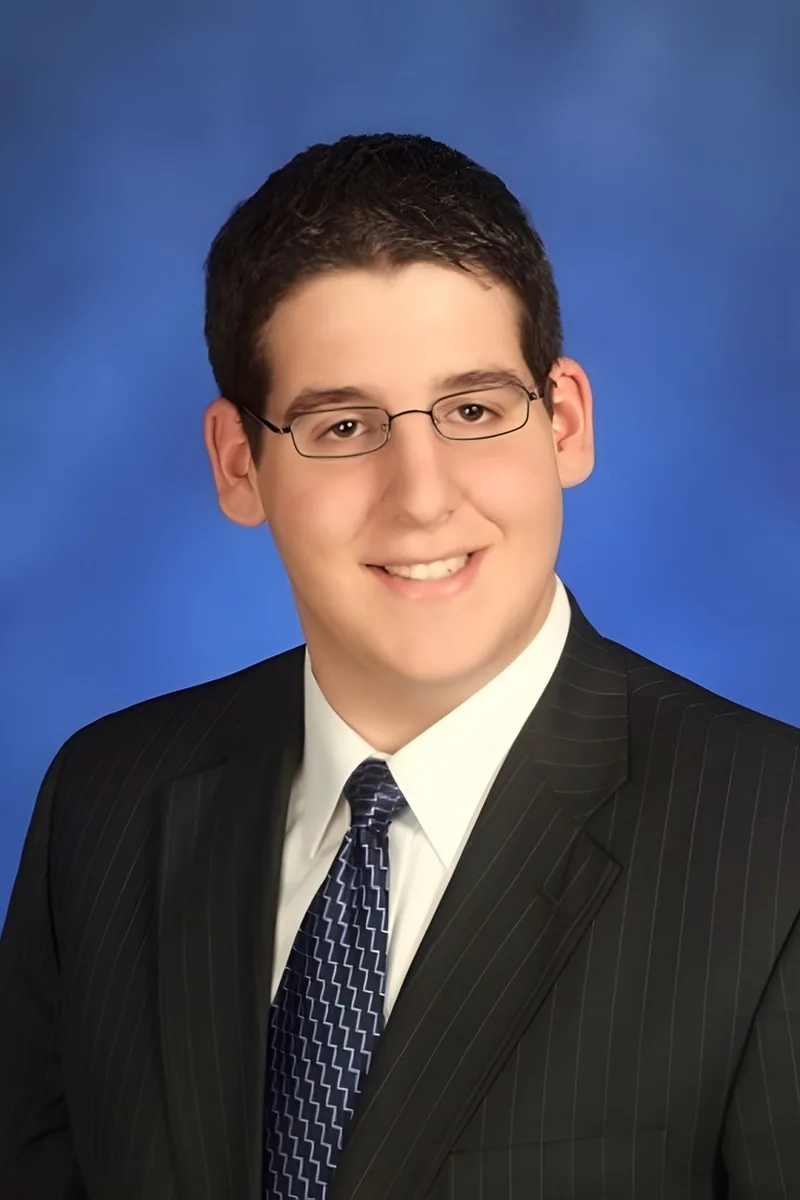
Environmental science and public policy might seem distant from microbiology, but Ethan's coursework in biology, chemistry, and ecology covered the microbial ecology and nutrient cycling that underpin environmental systems — how soil bacteria drive nitrogen fixation, how waterborne pathogens behave in different conditions, and why microbial communities matter for public health policy. That environmental angle gives him a unique way of explaining concepts like bacterial metabolism and population dynamics, grounding abstract processes in real-world ecological contexts. Holds a 5.0 rating.

Infection, immunity, and antimicrobial resistance aren't abstract concepts for someone trained in medicine — Muhammad learned microbiology by applying it to real patient scenarios. He digs into bacterial classification, virulence factors, and lab techniques like Gram staining with the kind of clinical detail that makes organisms memorable instead of just another list to memorize.
Rachel's Master's in Food Technology and Processing involved extensive work with microbial growth, contamination pathways, and fermentation — the applied side of microbiology that textbooks often gloss over. She unpacks topics like bacterial cell structure, metabolic diversity, and pathogen identification by tying them to real laboratory and food safety contexts.
Keeping bacterial classification, metabolic pathways, and virulence factors straight requires more than flashcards — it requires a framework. Rachel approaches microbiology by organizing organisms around how they survive: their energy sources, their structural defenses, and how they interact with host immune responses. That structure turns a sprawling subject into something students can actually reason through on exams.
Studying cancer biology at the University of Chicago means Jessica spends time with microbial mechanisms at the cellular and molecular level — bacterial gene regulation, pathogenesis, and immune evasion strategies. She unpacks these dense topics by tying them to specific experimental techniques students encounter in their own coursework.
Before starting her doctoral work at Princeton, Edna spent time in an immunology and genetics laboratory where microbial behavior wasn't theoretical — it was daily benchwork. She digs into bacterial structure, viral replication cycles, and host-pathogen interactions with the kind of detail that comes from having actually cultured organisms and interpreted experimental results. Her Columbia public health training adds an epidemiological lens that connects micro-scale biology to real-world disease patterns.
A Stanford-trained biologist, Abhinav digs into microbiology topics like bacterial cell structure, metabolic pathways, and host-pathogen interactions with the detail they demand. He connects concepts across scales — linking molecular mechanisms like quorum sensing to broader outcomes like biofilm formation — so students see microbiology as a story rather than a catalog of organisms.
Richard's PhD research at Northwestern is in microbiology, which means he's not teaching this subject from a textbook — he's living it. He digs into topics like bacterial pathogenesis, microbial genetics, and host-immune interactions with the kind of detail that comes from years at the bench. Students preparing for exams or struggling with lab reports get someone who can connect microscopic mechanisms to the bigger public health picture.
Between her molecular biology degree and her current biomedical science graduate program, Sierra has spent years working with bacterial physiology, microbial genetics, and host-pathogen interactions. She explains dense topics like gram staining protocols, metabolic pathways, and antimicrobial resistance mechanisms by tying them back to real clinical and research scenarios that make the material stick.
Understanding microbiology means keeping dozens of organisms, metabolic pathways, and virulence mechanisms straight — and knowing when the differences actually matter. Jonathan's human biology training and pre-med preparation at Cornell gave him a clinical lens for bacterial genetics, host-pathogen interactions, and antimicrobial resistance that makes the material more intuitive than rote flashcard review.
As a second-year medical student with an undergraduate degree in Molecular, Cell, & Developmental Biology from UCLA, Vinay brings clinical context to microbiology topics like bacterial pathogenesis, viral replication cycles, and antimicrobial resistance mechanisms. He connects each organism's structure to its behavior — explaining *why* gram-negative bacteria respond differently to antibiotics, not just *that* they do. His pharmacology knowledge adds an extra layer for students studying micro in a pre-health context.
Bioengineering trains you to think about microorganisms as systems — how bacterial metabolism, gene regulation, and surface interactions can be modeled, measured, and manipulated. Casey applies that engineering mindset to microbiology topics like growth kinetics and sterilization techniques, breaking down each process into the quantitative and biological components that actually explain it. Her parallel background in physiology and organic chemistry lets her trace microbial behavior from the molecular scale up to host-level effects.
Sam's Yale degree in Molecular Biophysics and Biochemistry gave him deep exposure to the cellular and molecular mechanisms that microbiology courses demand — membrane transport, metabolic pathways, bacterial genetics, and immune response. He connects these topics to their biochemical underpinnings, which makes processes like quorum sensing or antibiotic resistance easier to understand at a mechanistic level rather than through rote memorization.
Between his biochemistry degree from Rice and his medical school training, Sanjay has spent years immersed in the microbial world — bacterial cell structure, pathogenic mechanisms, antimicrobial resistance, and the metabolic pathways that distinguish different organisms. He connects microbiology concepts to clinical scenarios, which makes memorizing genera, gram stain results, and virulence factors far more intuitive.
Before pursuing her graduate degree, Kelsey taught microbiology at a community college, designing her own review materials and walking students through bacterial metabolism, microbial genetics, and lab techniques like Gram staining and culture analysis. That classroom experience means she knows which concepts trip students up — and how to explain them differently the second time around. Rated 4.9 by students.
Testimonials
Because the right Microbiology tutor makes all the difference.
Average Session Rating – Based on 3.4M Learner Ratings
Nearby Microbiology Tutors
Other Hartford Tutors
Related Science Tutors in Hartford
Frequently Asked Questions
Your first session is about understanding your current level and learning goals. A tutor will assess which microbiology topics you find most challenging—whether that's bacterial identification, metabolic pathways, or lab techniques—and discuss your course requirements. This helps create a personalized plan that targets your specific needs, whether you're preparing for exams, strengthening lab skills, or building foundational understanding.
Yes. Tutoring goes beyond lecture content to help you master lab techniques, experimental design, and data interpretation. Tutors can walk you through proper staining procedures, culture techniques, microscopy skills, and how to troubleshoot when experiments don't go as expected. This hands-on support builds confidence in the lab and helps you understand why each step matters scientifically.
Memorization alone won't help you apply microbiology concepts to real problems. Expert tutors focus on helping you understand the 'why' behind microbial behavior—how bacteria metabolize, why certain antibiotics work against specific pathogens, and how environmental conditions affect microbial growth. By connecting theory to real-world applications like disease transmission, fermentation, or environmental remediation, you'll retain information longer and think like a microbiologist.
Microbiology is full of abstract concepts—from bacterial cell structures to metabolic cycles happening at the molecular level. Tutors use diagrams, models, and explanations to help you build mental images of these invisible processes. They can also help you interpret microscope images and connect what you observe in the lab to the underlying cellular mechanisms, making the microscopic world feel concrete and understandable.
Students often struggle with understanding metabolic pathways, distinguishing between similar microorganisms, applying concepts to clinical scenarios, and interpreting lab results. Many also find it hard to balance the memorization required (names, structures, processes) with the conceptual understanding needed to solve problems. Tutors help you develop strategies for each challenge, whether that's breaking down complex pathways into manageable steps or building frameworks for comparing microorganisms.
Tutors create targeted study plans based on your exam format and the topics your instructor emphasizes. They help you practice identifying organisms, working through metabolic problems, interpreting clinical case studies, and answering conceptual questions that go beyond simple recall. Regular practice with feedback builds both content mastery and test-taking confidence, so you can demonstrate what you actually understand on exam day.
Look for tutors with strong backgrounds in microbiology or related sciences—ideally with lab experience and knowledge of current microbiology curriculum. They should be able to explain complex concepts clearly, help you think through problems rather than just giving answers, and connect theory to real-world applications. Varsity Tutors connects you with expert tutors who understand both the subject matter and how students learn it best.
Tutoring rates vary based on the tutor's experience level and your specific needs. Varsity Tutors offers flexible options to fit different budgets, and you can discuss rates when you're matched with a tutor. Many students find that investing in targeted tutoring—especially for challenging topics like metabolic pathways or lab skills—pays off in improved grades and deeper understanding of the subject.
Let’s find your perfect tutor
Answer a few quick questions. We’ll recommend the right plan and match you with a top 5% tutor.