Award-Winning Microbiology Tutors
serving New Haven, CT
Microbiology
Tutors in New Haven
Private 1-on-1 tutoring, weekly live classes for academic support, test prep & enrichment, practice tests and diagnostics, and more to elevate grades and test scores.
Based on 3.4M Learner Ratings
UniversitiesSchools & Universities
DeliveredHours Delivered
ProficiencyGrowth in Proficiency
Who needs tutoring?
No obligation. Takes ~1 minute.
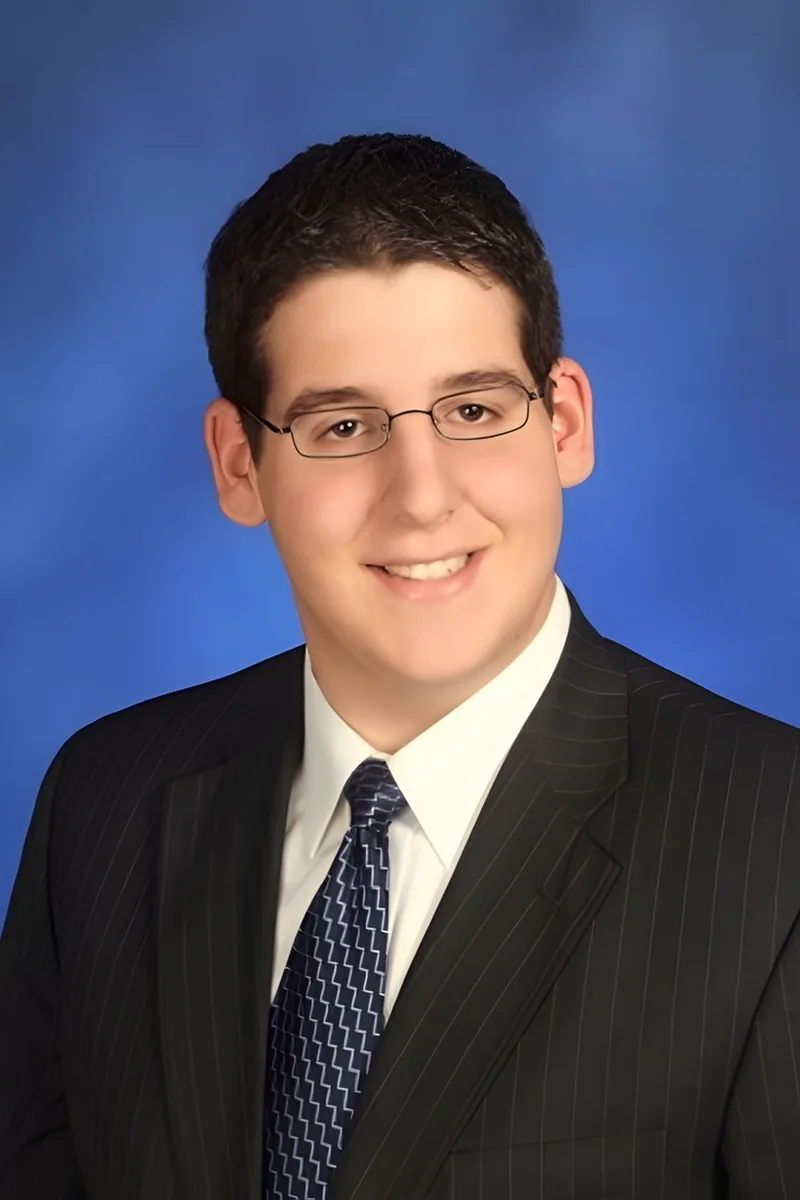
Environmental science and public policy might seem distant from microbiology, but Ethan's coursework in biology, chemistry, and ecology covered the microbial ecology and nutrient cycling that underpin environmental systems — how soil bacteria drive nitrogen fixation, how waterborne pathogens behave in different conditions, and why microbial communities matter for public health policy. That environmental angle gives him a unique way of explaining concepts like bacterial metabolism and population dynamics, grounding abstract processes in real-world ecological contexts. Holds a 5.0 rating.
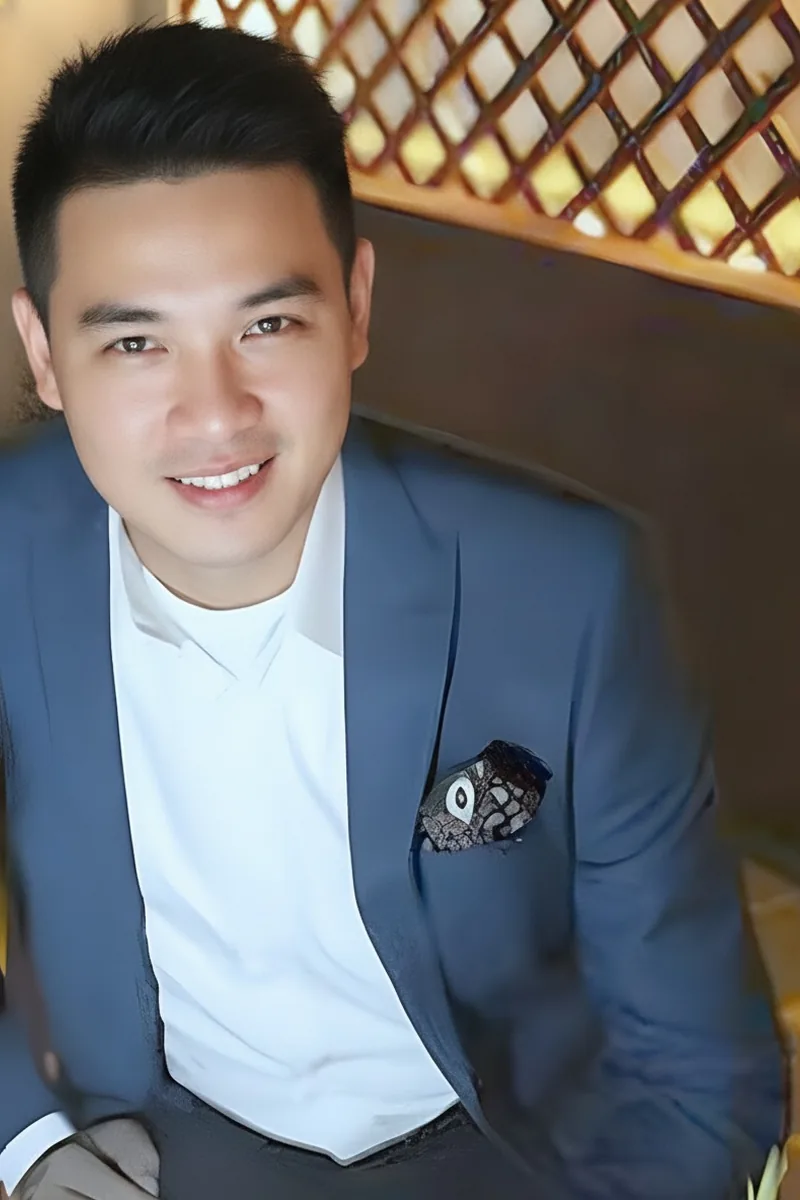
Infection, immunity, and antimicrobial resistance aren't abstract concepts for someone trained in medicine — Muhammad learned microbiology by applying it to real patient scenarios. He digs into bacterial classification, virulence factors, and lab techniques like Gram staining with the kind of clinical detail that makes organisms memorable instead of just another list to memorize.
Rachel's Master's in Food Technology and Processing involved extensive work with microbial growth, contamination pathways, and fermentation — the applied side of microbiology that textbooks often gloss over. She unpacks topics like bacterial cell structure, metabolic diversity, and pathogen identification by tying them to real laboratory and food safety contexts.
Gram stains, bacterial metabolic pathways, and viral replication cycles all require a kind of systematic memorization that falls apart without conceptual scaffolding. Anni's graduate work in biomedical sciences at UMDNJ gave her direct experience with microbial concepts, and she teaches them by linking each organism's structure to its clinical significance.
Before starting her doctoral work at Princeton, Edna spent time in an immunology and genetics laboratory where microbial behavior wasn't theoretical — it was daily benchwork. She digs into bacterial structure, viral replication cycles, and host-pathogen interactions with the kind of detail that comes from having actually cultured organisms and interpreted experimental results. Her Columbia public health training adds an epidemiological lens that connects micro-scale biology to real-world disease patterns.
A Stanford-trained biologist, Abhinav digs into microbiology topics like bacterial cell structure, metabolic pathways, and host-pathogen interactions with the detail they demand. He connects concepts across scales — linking molecular mechanisms like quorum sensing to broader outcomes like biofilm formation — so students see microbiology as a story rather than a catalog of organisms.
Garrett's biology degree paired with his coursework in physiology and anatomy means he understands microorganisms in the context of the systems they infect — not as isolated names on a flashcard. He walks through topics like microbial cell structure, pathogen life cycles, and immune evasion strategies by anchoring each organism to the tissue-level damage it actually causes, which turns a massive taxonomy into something students can reason through.
As a fourth-year medical student at Thomas Jefferson University, Anshel has spent years immersed in bacterial pathogenesis, antimicrobial mechanisms, and the clinical consequences of infections that microbiology courses describe in the abstract. He connects concepts like gram staining, virulence factors, and antibiotic resistance to the patient scenarios that make them memorable. That clinical lens turns dense microbiology material into something students can actually reason through on exams.
From bacterial gene regulation to viral replication strategies, microbiology demands comfort with both molecular detail and big-picture ecology. Zachary's graduate work in molecular biology gave him hands-on familiarity with the techniques and concepts — Gram staining, quorum sensing, antibiotic resistance mechanisms — that form the backbone of most microbiology courses.
The IB Biology program — both SL and HL — drills deep into microbial topics like cell theory, pathogen classification, and antibiotic resistance, and Kinjal completed that rigorous track before earning her biology degree at Texas A&M. That combination means she can walk through bacterial structure, microbial metabolism, and host-pathogen dynamics with the kind of layered understanding that comes from studying the material twice at increasing depth. Rated 5.0 by students.
Understanding microbiology means keeping dozens of organisms, metabolic pathways, and virulence mechanisms straight — and knowing when the differences actually matter. Jonathan's human biology training and pre-med preparation at Cornell gave him a clinical lens for bacterial genetics, host-pathogen interactions, and antimicrobial resistance that makes the material more intuitive than rote flashcard review.
Medical school gave Amanda a front-row seat to microbiology that matters — bacterial pathogenesis, viral replication cycles, immune evasion strategies, and antimicrobial resistance. She teaches microbiology by organizing organisms around the mechanisms that make them dangerous or clinically important, which turns a subject that can feel like pure memorization into a set of logical patterns. Students preparing for exams or applying to health professions get a tutor who knows exactly how this material shows up later.
Her global health minor at Cornell meant Emily spent real time studying how pathogens spread, how immune responses work, and why microbial ecology matters beyond the lab. She digs into topics like bacterial cell structure, viral replication cycles, and antimicrobial resistance with the kind of context that makes memorization-heavy material more intuitive.
Understanding microbiology means more than memorizing bacterial classifications — it requires seeing how metabolic pathways, genetic regulation, and environmental pressures shape microbial behavior. Alec studied genetics, genomics, and development at Cornell and taught biology content in both lecture and small-group settings, giving him a knack for making concepts like quorum sensing or virulence factor regulation feel intuitive rather than overwhelming.
Sam's Yale degree in Molecular Biophysics and Biochemistry gave him deep exposure to the cellular and molecular mechanisms that microbiology courses demand — membrane transport, metabolic pathways, bacterial genetics, and immune response. He connects these topics to their biochemical underpinnings, which makes processes like quorum sensing or antibiotic resistance easier to understand at a mechanistic level rather than through rote memorization.
Testimonials
Because the right Microbiology tutor makes all the difference.
Average Session Rating – Based on 3.4M Learner Ratings
Nearby Microbiology Tutors
Other New Haven Tutors
Related Science Tutors in New Haven
Frequently Asked Questions
Microbiology requires understanding invisible organisms and their complex interactions—concepts that are difficult to visualize without hands-on experience. Students often struggle with connecting theoretical knowledge (like metabolic pathways and genetic mechanisms) to real-world applications in labs and clinical settings. Additionally, mastering microbial identification, staining techniques, and interpreting lab results requires both conceptual understanding and practical skills that go beyond memorization.
Personalized tutoring helps you understand the scientific reasoning behind lab protocols before you enter the lab, making your hands-on work more meaningful and productive. Tutors can help you interpret results, troubleshoot unexpected outcomes, and connect lab observations back to the underlying microbiology concepts. This combination of theoretical understanding and practical guidance significantly improves both your lab performance and your ability to think like a microbiologist.
Since you can't see most microorganisms with the naked eye, tutors use visual tools, diagrams, and real-world examples to help you mentally model structures like bacterial cell walls, viral replication, and fungal growth patterns. They break down complex processes—like fermentation, antibiotic resistance, and immune responses to pathogens—into manageable steps that build your intuitive understanding. This visualization approach transforms abstract concepts into concrete knowledge you can apply in exams and lab work.
Your first session focuses on understanding your current level, identifying specific challenges (whether it's taxonomy, metabolic pathways, or lab techniques), and learning your preferred study style. The tutor will assess what concepts are solid and where gaps exist, then create a personalized plan tailored to your goals—whether that's improving exam scores, mastering lab skills, or preparing for advanced coursework. This foundation ensures every future session builds directly on your needs.
Tutors help you move beyond memorization to develop deep understanding of microbial processes, disease mechanisms, and experimental reasoning—the skills that exams actually test. They guide you through practice problems, help you apply concepts to novel scenarios, and teach you how to approach questions that require critical thinking rather than recall. This approach builds confidence and typically leads to stronger exam performance because you truly understand the material.
Look for tutors with a strong background in microbiology or related sciences (biology, biochemistry, or healthcare fields) who have real lab experience and understand current curriculum standards. The best tutors can explain complex concepts clearly, relate microbiology to real-world applications, and adapt their teaching to your learning style. Varsity Tutors connects you with expert tutors who meet these standards and can provide the personalized instruction you need to succeed.
Yes, Varsity Tutors connects students throughout New Haven—across our 60 local schools and 10 school districts—with tutors who specialize in microbiology and other sciences. Whether you're in high school biology, college-level microbiology, or preparing for healthcare careers, we match you with tutors who understand your specific curriculum and goals. Our personalized approach works for students at any level who want to master this challenging subject.
True microbiology mastery means understanding how and why microorganisms behave the way they do—not just memorizing names, structures, or processes. When you understand the underlying principles (like how antibiotics target specific cellular structures or why certain conditions favor bacterial growth), you can apply that knowledge to new situations and think like a scientist. Tutors help you build this deeper understanding, which makes microbiology more interesting, more memorable, and more useful for future studies or careers in healthcare and science.
Let’s find your perfect tutor
Answer a few quick questions. We’ll recommend the right plan and match you with a top 5% tutor.