Award-Winning Special Education Tutors
serving Bonita Springs, FL
Special Education
Tutors in Bonita Springs
Private 1-on-1 tutoring, weekly live classes for academic support, test prep & enrichment, practice tests and diagnostics, and more to elevate grades and test scores.
Based on 3.4M Learner Ratings
UniversitiesSchools & Universities
DeliveredHours Delivered
ProficiencyGrowth in Proficiency
Who needs tutoring?
No obligation. Takes ~1 minute.
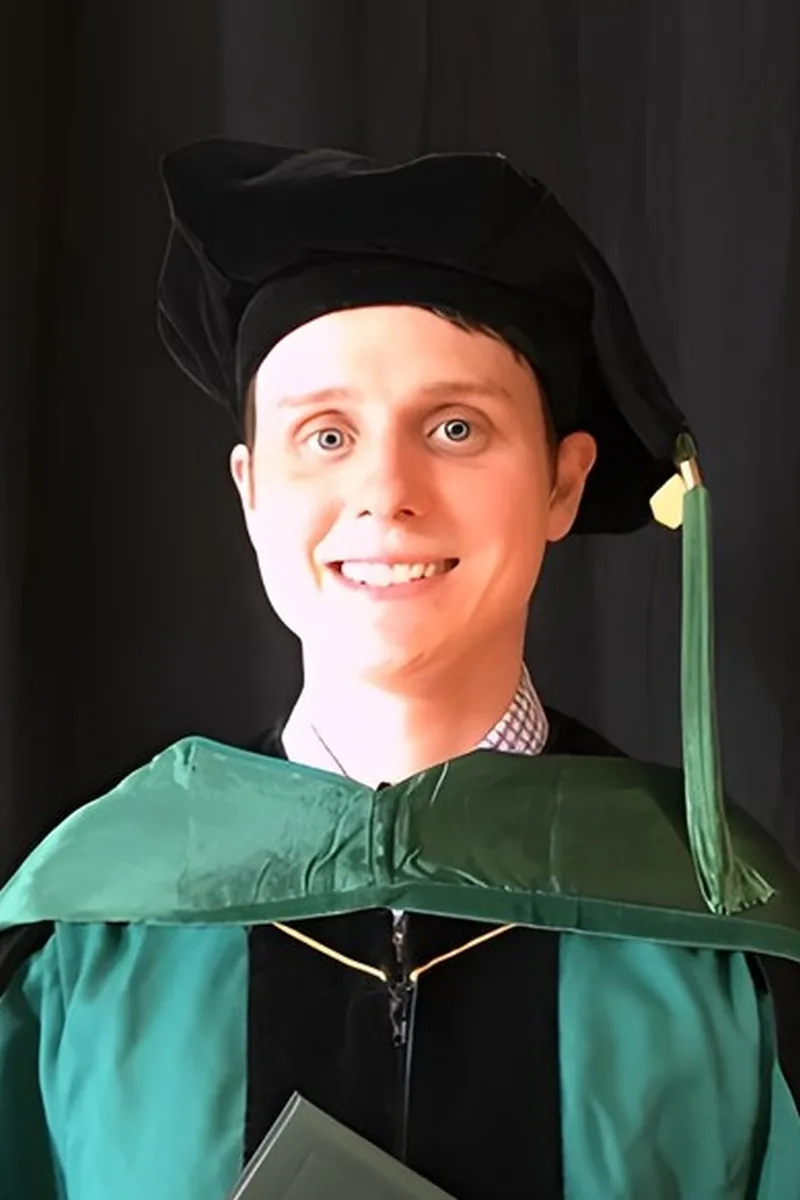
Teaching across dozens of NYC public schools exposed James to students with a wide range of learning differences, from processing delays to attention challenges. He builds individualized approaches — breaking instructions into smaller steps, using multi-sensory reinforcement, and adjusting pacing in real time. His current doctoral work in physical therapy deepens his understanding of how neurological and developmental factors shape the way students learn.
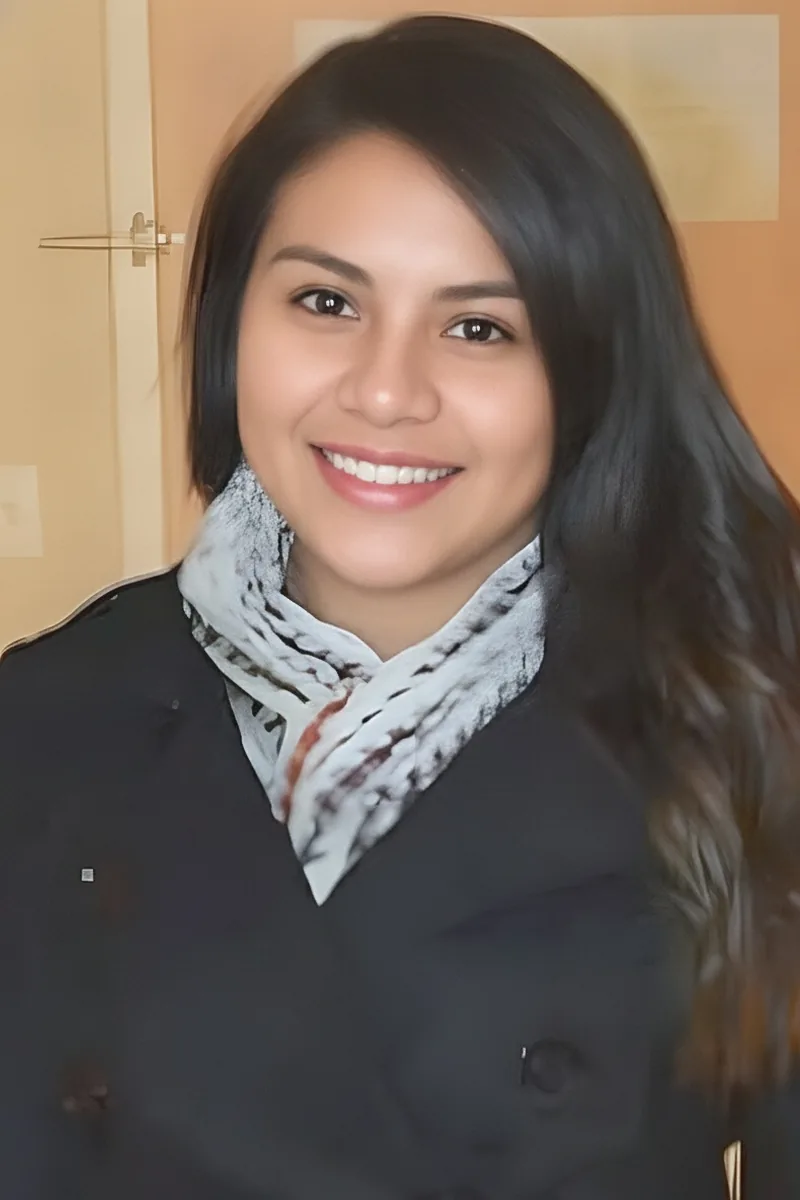
As a state-certified teacher with special education experience, Marina adapts lessons to match each learner's processing style — whether that means breaking multi-step directions into smaller chunks, using visual supports for abstract concepts, or building in movement breaks that reset focus. Her UCLA background in public health sharpened her understanding of how environment and individual needs shape learning outcomes.
Sabrina holds certification in special education and brings a classroom teacher's instinct for identifying where a lesson loses a student. She redesigns explanations on the fly — using manipulatives, visual models, or simplified language — so learners with IEPs or 504 plans can access grade-level math, reading, and writing content at their own pace.
Navian has firsthand experience supporting a family member with autism, which shaped how he adapts explanations, pacing, and encouragement to each learner's needs. He breaks concepts into smaller, concrete steps and checks understanding frequently — building confidence alongside comprehension rather than rushing through material.
Kevin's education studies degree from UCSD included direct work as an academic mentor in underserved San Diego communities, where he learned to adapt instruction for students with widely different learning needs and paces. He breaks complex material into smaller, scaffolded steps and uses visual and hands-on approaches to reinforce understanding. That experience translating difficult content into accessible lessons carries into every session.
Every learner processes information differently, and Michelle adapts her explanations accordingly — whether that means using visual diagrams for a concept like cell division or turning a math problem into a hands-on, step-by-step narrative. Her experience across subjects from elementary math to college-level science gives her a wide toolkit for finding the approach that actually lands with each student.
All students can learn, however, not all students learn the same way. The key to learning and the most important part of any teachers job is helping students understand how they learn best. That is what I do well.
Starting her career in a Varying Exceptionalities classroom, Dolmecia is fluent in reading IEPs and 504 plans and translating their accommodations into real lesson adjustments. She uses manipulatives, visual supports, and multi-sensory strategies to make academic content accessible — whether the goal is grade-level reading, math fluency, or building independence with assignments.
During her years teaching second through fourth grade, Molly worked daily with students who had a wide range of learning needs, from reading intervention to modified math instruction. She pulls from multiple curricula and adapts materials on the fly — adjusting pacing, breaking tasks into smaller steps, and using multisensory approaches to make concepts accessible. Her 5.0 rating speaks to how well that individualized approach works.
Victoria spent three years as a certified classroom teacher through Teach for America, working with first through third graders who had a wide range of learning needs, including IEP-supported students. She adapts lessons to different processing styles and paces, breaking academic content into structured, manageable steps that build genuine understanding rather than frustration.
Alison spent six years teaching diverse learners in Brooklyn public schools, including students with IEPs and varied learning profiles, so she knows how to adapt pacing, instructions, and materials on the fly. She pairs that classroom experience with formal mindfulness training, which gives her concrete strategies for students dealing with attention challenges, test anxiety, or sensory overwhelm. The goal is always building independence — not just getting through tonight's homework.
Clinical psychology training fundamentally changes how you understand a struggling learner — Danny's PhD work gives him insight into the cognitive, emotional, and behavioral dimensions that shape how students with learning differences engage with academic material. He draws on formal counseling psychology methods to identify what's actually getting in the way, then adapts instruction accordingly, whether the barrier is processing speed, attention, anxiety around schoolwork, or something else entirely. Rated 5.0 by families.
Sophia earned her Master's in Education with a focus that included understanding diverse learning profiles — from dyslexia and ADHD to processing differences that require adapted instruction. She modifies reading and writing lessons using multisensory techniques, scaffolded tasks, and individualized pacing so students with IEPs or 504 plans can access grade-level content on their own terms.
During high school, Kara worked consistently with a group of special needs students, learning to adapt pacing, instructions, and materials based on each learner's processing style. She carries that experience into sessions where she breaks tasks into smaller, clearly defined steps and uses repetition without making it feel repetitive. Her biology background is especially useful for explaining concepts visually and kinesthetically when traditional text-based approaches aren't working.
Occupational therapy is fundamentally about adapting tasks so people can succeed despite neurological, developmental, or learning differences — and that's the perspective Alex brings to tutoring. Currently in Washington University's OT Doctorate program with a neuroscience background, Alex understands how conditions like ADHD, dyslexia, and sensory processing challenges affect learning and tailors strategies accordingly, from breaking assignments into smaller steps to using multisensory approaches for retention.
A PhD in neuropsychology means Bill understands learning differences — ADHD, dyslexia, processing speed challenges — at the neurological level, not just as labels on an IEP. He adapts his teaching to how each student's brain actually processes information, whether that means restructuring how material is presented or building in specific compensatory strategies for memory and attention.
Every learner absorbs material differently, and Daniel's experience tutoring students from pre-K through 12th grade has given him a practical toolkit for adapting explanations on the fly. He breaks concepts into smaller, more concrete steps and uses real-world examples — from superhero storylines to song lyrics — to make abstract ideas tangible. His goal is always to build a student's confidence in finding answers independently, not just following instructions.
Teaching on an ESL elementary campus meant Madison regularly adapted lessons for students with vastly different learning needs, processing speeds, and communication styles. She builds individualized approaches — breaking instructions into smaller steps, using visual and auditory reinforcement, and adjusting in real time — so that each student can access the material at their own pace without feeling left behind.
Jamie holds a Master's in Special Education, which means he doesn't just adapt lessons on the fly — he designs instruction around how each student processes, retains, and demonstrates understanding. Whether a learner has an IEP addressing executive function challenges, reading disabilities, or autism spectrum needs, Jamie builds structured, multi-sensory approaches that connect to the student's strengths rather than spotlighting gaps.
During her year as a teaching assistant in a first-grade classroom, Molly worked directly with students with special needs, adapting lessons and tracking individual progress toward IEP goals. Her dual major in elementary and special education gives her formal training in differentiated instruction, multisensory learning strategies, and behavior support frameworks. She understands how to modify materials so that a student can access the same content their peers are learning, just through a different pathway.
Testimonials
Because the right Special Education tutor makes all the difference.
Average Session Rating – Based on 3.4M Learner Ratings
Nearby Special Education Tutors
Other Bonita Springs Tutors
Related Learning Differences Tutors in Bonita Springs
Frequently Asked Questions
Varsity Tutors matches Bonita Springs students with expert Special Education tutors for 1-on-1 instruction. We pair each student with a tutor based on their specific needs, learning style, and goals.
Whether you need homework help, exam prep, or want to get ahead, our Special Education tutors are ready to help.
Common challenges include gaps from earlier material, difficulty with specific concepts, and trouble applying learning to new problems. These issues can snowball quickly in Special Education.
A tutor identifies where you're stuck, fills in gaps, and provides targeted practice. The 1-on-1 format means you get help exactly where you need it.
Tutors work with your student's actual coursework—homework assignments, class notes, and upcoming tests. This keeps tutoring directly relevant to what's happening in the classroom.
When you share information about your student's school and curriculum, we can match you with a tutor who has relevant experience.
All tutors complete background checks, credential verification, and teaching evaluation. Many of our Special Education tutors hold advanced degrees or have years of teaching experience.
You can review tutor profiles to find someone with the right background for your student's level and needs.
Many students see improved grades within a few weeks, along with better understanding of Special Education concepts and more confidence tackling challenging material.
Tutors track progress and adjust their approach to ensure continued improvement.
Most students benefit from 1-2 sessions per week. More frequent sessions help if your student is significantly behind or has an important exam coming up.
Your tutor can recommend a schedule based on your student's specific situation and goals.
Tutoring is purchased in packages of hours, with rates varying by tutor experience. Varsity Tutors offers several options to fit different budgets and needs.
You can discuss pricing during your consultation to find what works best.
Your tutor will assess where your student is, discuss goals, and start working on priority areas. Most students bring current homework or upcoming test material to focus on.
By the end, you'll have a clear sense of how the tutor can help and a plan for moving forward.
Let’s find your perfect tutor
Answer a few quick questions. We’ll recommend the right plan and match you with a top 5% tutor.