Award-Winning Special Education Tutors
serving Tampa, FL
Special Education
Tutors in Tampa
Private 1-on-1 tutoring, weekly live classes for academic support, test prep & enrichment, practice tests and diagnostics, and more to elevate grades and test scores.
Based on 3.4M Learner Ratings
UniversitiesSchools & Universities
DeliveredHours Delivered
ProficiencyGrowth in Proficiency
Who needs tutoring?
No obligation. Takes ~1 minute.
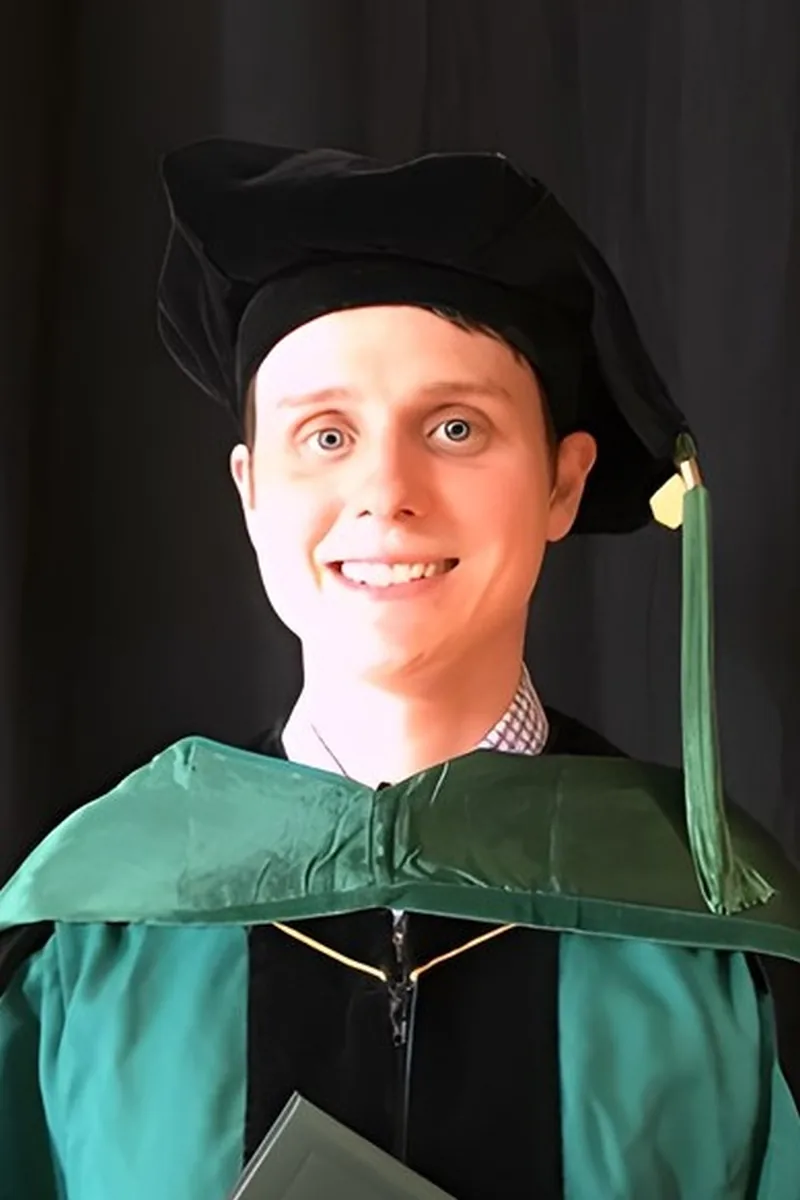
Teaching across dozens of NYC public schools exposed James to students with a wide range of learning differences, from processing delays to attention challenges. He builds individualized approaches — breaking instructions into smaller steps, using multi-sensory reinforcement, and adjusting pacing in real time. His current doctoral work in physical therapy deepens his understanding of how neurological and developmental factors shape the way students learn.
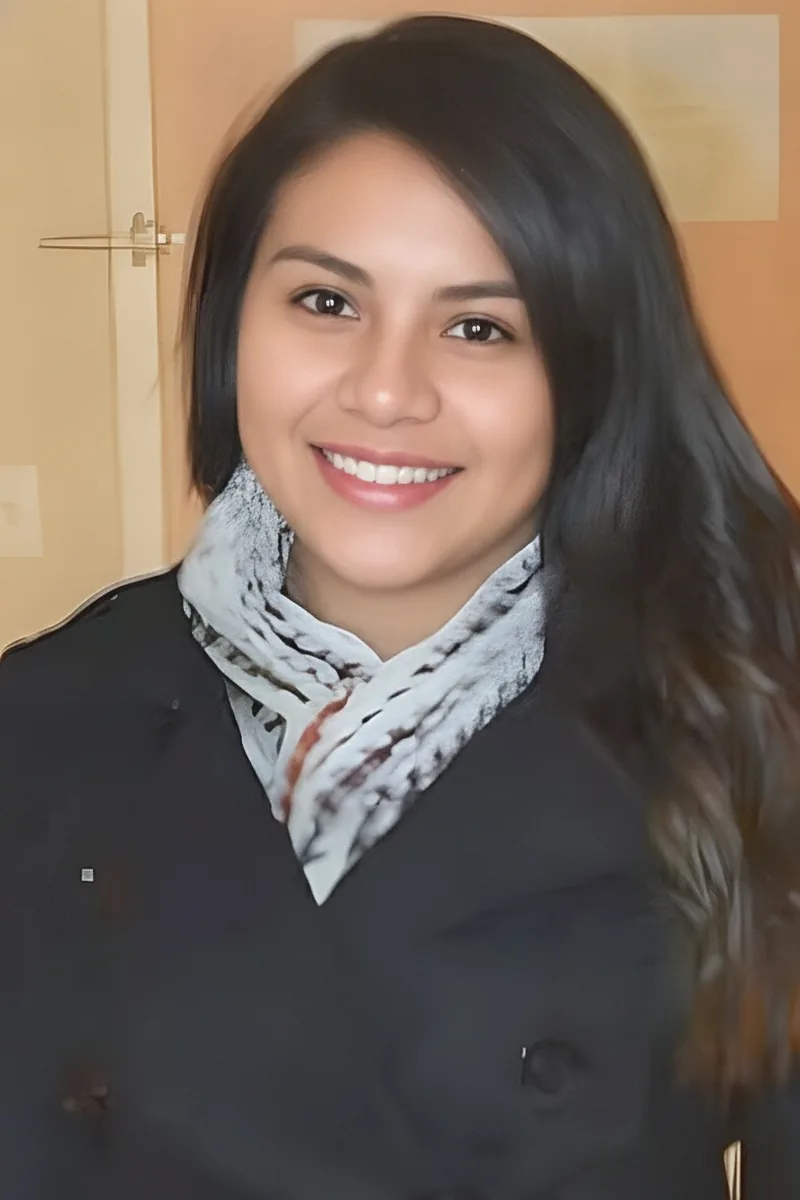
As a state-certified teacher with special education experience, Marina adapts lessons to match each learner's processing style — whether that means breaking multi-step directions into smaller chunks, using visual supports for abstract concepts, or building in movement breaks that reset focus. Her UCLA background in public health sharpened her understanding of how environment and individual needs shape learning outcomes.
Sabrina holds certification in special education and brings a classroom teacher's instinct for identifying where a lesson loses a student. She redesigns explanations on the fly — using manipulatives, visual models, or simplified language — so learners with IEPs or 504 plans can access grade-level math, reading, and writing content at their own pace.
Navian has firsthand experience supporting a family member with autism, which shaped how he adapts explanations, pacing, and encouragement to each learner's needs. He breaks concepts into smaller, concrete steps and checks understanding frequently — building confidence alongside comprehension rather than rushing through material.
Kevin's education studies degree from UCSD included direct work as an academic mentor in underserved San Diego communities, where he learned to adapt instruction for students with widely different learning needs and paces. He breaks complex material into smaller, scaffolded steps and uses visual and hands-on approaches to reinforce understanding. That experience translating difficult content into accessible lessons carries into every session.
All students can learn, however, not all students learn the same way. The key to learning and the most important part of any teachers job is helping students understand how they learn best. That is what I do well.
Every learner processes information differently, and Michelle adapts her explanations accordingly — whether that means using visual diagrams for a concept like cell division or turning a math problem into a hands-on, step-by-step narrative. Her experience across subjects from elementary math to college-level science gives her a wide toolkit for finding the approach that actually lands with each student.
Starting her career in a Varying Exceptionalities classroom, Dolmecia is fluent in reading IEPs and 504 plans and translating their accommodations into real lesson adjustments. She uses manipulatives, visual supports, and multi-sensory strategies to make academic content accessible — whether the goal is grade-level reading, math fluency, or building independence with assignments.
Lena's daily experience as a middle school teacher means she's practiced at adapting lessons on the fly when a student needs a different entry point into material. She breaks tasks into smaller, clearly sequenced steps and uses patient repetition and multi-sensory techniques to reinforce skills in reading, writing, and math. Her approach prioritizes building confidence alongside academic progress.
Jamie holds a Master's in Special Education, which means he doesn't just adapt lessons on the fly — he designs instruction around how each student processes, retains, and demonstrates understanding. Whether a learner has an IEP addressing executive function challenges, reading disabilities, or autism spectrum needs, Jamie builds structured, multi-sensory approaches that connect to the student's strengths rather than spotlighting gaps.
Every learner processes information differently, and Kate's years in the classroom have sharpened her ability to adapt explanations on the fly — whether that means using visual organizers for a student with ADHD or scaffolding a reading passage into smaller chunks for someone with a processing difference. She builds lessons around each student's strengths rather than forcing a one-size-fits-all approach.
Liz has hands-on experience working with children and young adults with ADHD, autism spectrum needs, and other learning and behavioral differences. She adapts pacing, instructions, and materials to each student's processing style — whether that means building in movement breaks, using visual organizers, or restructuring a task so it feels less overwhelming. Rated 4.9 by families she's worked with.
Liz holds a master's in Special Education (Mild to Moderate Disabilities, grades 5–12) from Simmons College and has worked extensively with students who have learning disabilities, ADHD, dyslexia, and emotional impairments. That clinical training, paired with her hands-on experience teaching and directing tutors at a charter school in Boston, means she knows how to adapt instruction on the fly — whether that's restructuring a math lesson for a student with dyscalculia or building reading fluency strategies for a student with dyslexia. She designs individualized approaches grounded in each student's IEP goals and actual learning profile.
Every learner processes information differently, and Ominira's master's degree in Multicultural Education gave her deep training in adapting instruction to fit diverse cognitive and linguistic needs. She breaks down assignments into structured, manageable steps — whether that means scaffolding a reading passage or using visual models for math concepts — so students with IEPs or 504 plans can access grade-level content with confidence.
Victoria spent three years as a certified classroom teacher through Teach for America, working with first through third graders who had a wide range of learning needs, including IEP-supported students. She adapts lessons to different processing styles and paces, breaking academic content into structured, manageable steps that build genuine understanding rather than frustration.
Ivan holds a master's degree in both General and Special Education for grades 5–9 and has taught in self-contained classrooms, Collaborative Team Teaching settings, and Resource Rooms across New York City. That range means he can adapt pacing, modify assignments, and scaffold reading or writing tasks based on each student's IEP goals and learning profile. Rated 4.8 by families he's worked with.
Katie's Master of Social Work gives her structured training in individualized support, behavioral strategies, and understanding how learning differences like ADHD, dyslexia, and processing disorders affect a student's experience in the classroom. She adapts lessons to each student's pace and learning style, breaking tasks into smaller steps and using multisensory techniques to reinforce concepts. That combination of clinical knowledge and teaching experience makes her especially effective with students who need more than a one-size-fits-all approach.
Rather than pushing through a one-size-fits-all lesson plan, Evan adapts pacing, materials, and communication style to match how each learner processes information. His experience across subjects from reading comprehension to math means he can identify where a gap starts and build understanding from that exact point.
I am a graduate of UC San Diego with a Bachelors in Neuroscience through the Psychology department. After graduating, I went to Michigan Technological University and did some graduate work, before moving to Texas to be closer to my parents. I did my alternative certification program through Texas Teachers and am highly qualified to teach Science for grades 7-12. I have been a teacher in public and charter schools for the last four years, and have tutoring experience extending over ten years behind me as well.
As a practicing Special Education Social Worker in Minneapolis, Emily understands IEPs, accommodations, and learning differences from the inside — not just as theory. She adapts her approach to each student's specific needs, whether that means breaking reading passages into smaller chunks, using visual supports for math, or building executive functioning skills like task initiation and self-monitoring.
Testimonials
Because the right Special Education tutor makes all the difference.
Average Session Rating – Based on 3.4M Learner Ratings
Nearby Special Education Tutors
Other Tampa Tutors
Frequently Asked Questions
Special education tutoring is personalized 1-on-1 instruction designed specifically for students with learning differences, disabilities, or IEPs (Individualized Education Programs). Unlike general tutoring, special education tutoring focuses on evidence-based strategies tailored to each student's unique learning style, processing needs, and goals outlined in their IEP or 504 plan. Tutors work closely with families and schools to ensure instruction aligns with the student's specific accommodations and learning objectives.
Varsity Tutors connects you with tutors who understand IEP requirements and can work collaboratively with your child's school team. Before starting, tutors review the IEP to understand goals, accommodations, and areas needing support. They then design lessons that reinforce classroom learning while addressing specific skill gaps identified in the IEP, and can provide progress updates to share with teachers and special education coordinators.
Students with dyslexia, dyscalculia, ADHD, autism, and other learning differences often struggle with foundational skills like reading decoding, math computation, or executive function—areas where personalized instruction makes a significant difference. Tutors use specialized teaching methods, multisensory approaches, and structured practice to build confidence and competency. With 1-on-1 support, students receive immediate feedback, can work at their own pace, and develop strategies that work specifically for their brain.
The first session is typically an assessment and relationship-building meeting. The tutor will ask about your child's strengths, challenges, learning style, and any relevant IEP information. They'll observe how your child approaches tasks, identify specific skill gaps, and begin building rapport. By the end of the session, you'll have a clearer picture of the tutor's approach and a plan for upcoming lessons tailored to your child's needs.
Tampa's school district provides special education services, but many students benefit from additional tutoring to accelerate progress, address specific skill gaps, or reinforce classroom learning. Personalized tutoring fills gaps that classroom instruction—with an average student-teacher ratio of 16.6:1 in Tampa—may not be able to address. Tutors can focus intensively on areas where your child needs the most support while working in harmony with school-provided services.
Progress in special education is measured through concrete, observable changes: improved reading fluency, stronger math fact recall, better organization skills, increased independence, or progress toward IEP goals. Tutors track specific metrics relevant to your child's needs and provide regular progress updates. You should see measurable improvement within weeks to months, depending on the skill being addressed and the intensity of tutoring.
Expert tutors in special education typically have training or certification in special education, experience with specific learning disabilities, and knowledge of evidence-based teaching methods like structured literacy, Orton-Gillingham, or other specialized approaches. Varsity Tutors connects you with tutors who understand IEPs, accommodations, and how to adapt instruction for different learning profiles. When getting matched, you can discuss the tutor's experience with your child's specific needs.
Start by reaching out to Varsity Tutors and sharing information about your child's learning needs, current grade level, and specific challenges. You'll be matched with a tutor experienced in your child's area of need. Many families find it helpful to bring a copy of the IEP to the first session so the tutor can align instruction with school goals from day one.
Let’s find your perfect tutor
Answer a few quick questions. We’ll recommend the right plan and match you with a top 5% tutor.