Award-Winning Special Education Tutors
serving Port St. Lucie, FL
Special Education
Tutors in Port St. Lucie
Private 1-on-1 tutoring, weekly live classes for academic support, test prep & enrichment, practice tests and diagnostics, and more to elevate grades and test scores.
Based on 3.4M Learner Ratings
UniversitiesSchools & Universities
DeliveredHours Delivered
ProficiencyGrowth in Proficiency
Who needs tutoring?
No obligation. Takes ~1 minute.
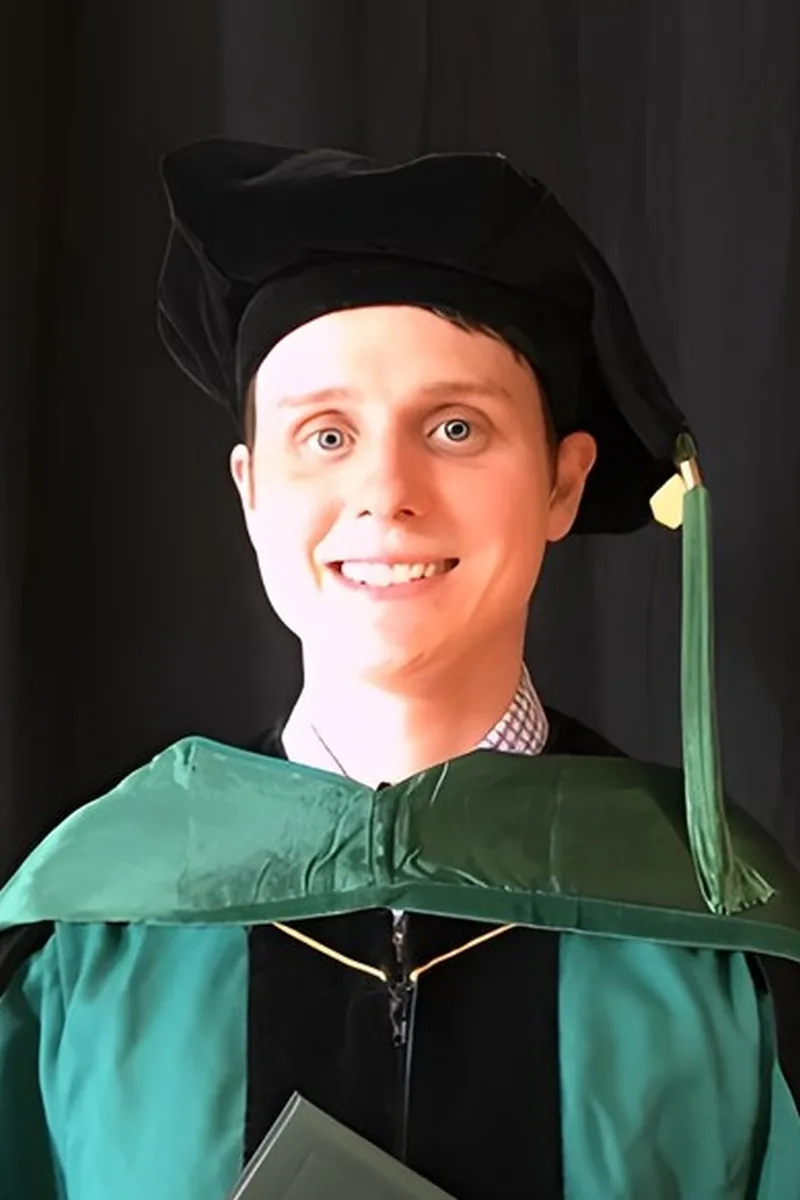
Teaching across dozens of NYC public schools exposed James to students with a wide range of learning differences, from processing delays to attention challenges. He builds individualized approaches — breaking instructions into smaller steps, using multi-sensory reinforcement, and adjusting pacing in real time. His current doctoral work in physical therapy deepens his understanding of how neurological and developmental factors shape the way students learn.
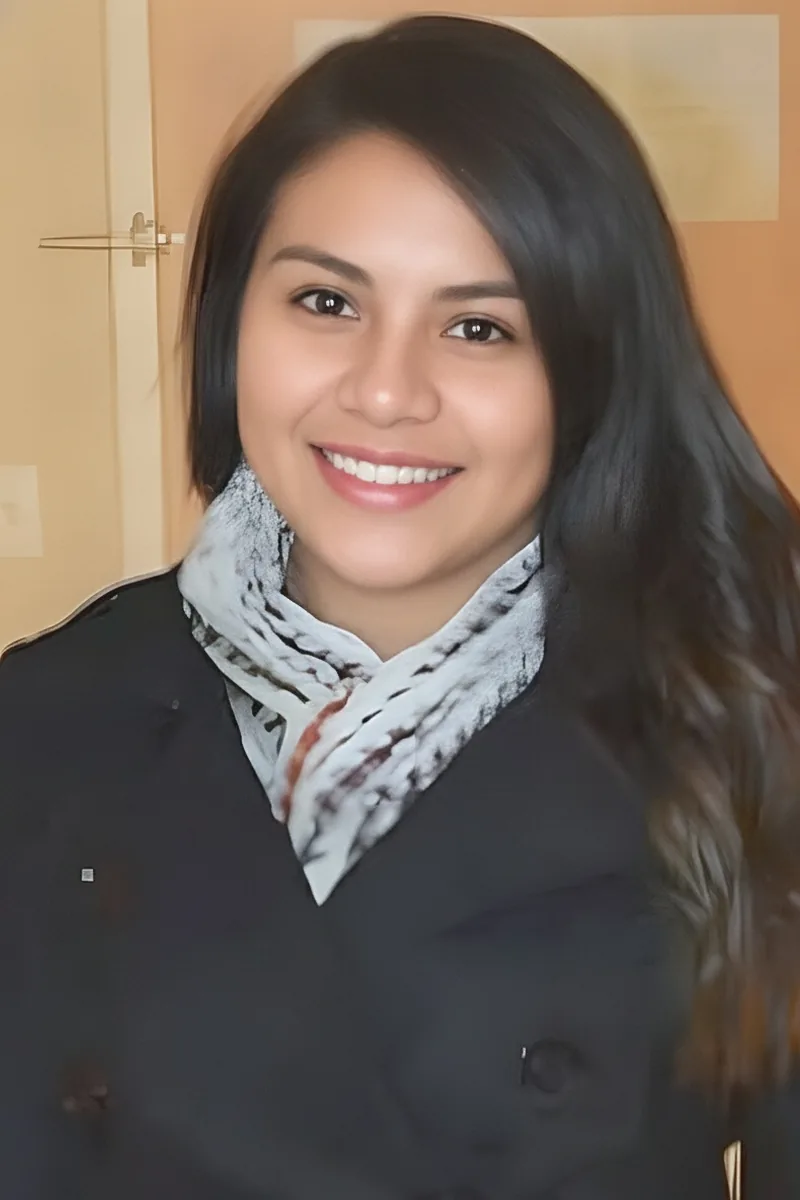
As a state-certified teacher with special education experience, Marina adapts lessons to match each learner's processing style — whether that means breaking multi-step directions into smaller chunks, using visual supports for abstract concepts, or building in movement breaks that reset focus. Her UCLA background in public health sharpened her understanding of how environment and individual needs shape learning outcomes.
Sabrina holds certification in special education and brings a classroom teacher's instinct for identifying where a lesson loses a student. She redesigns explanations on the fly — using manipulatives, visual models, or simplified language — so learners with IEPs or 504 plans can access grade-level math, reading, and writing content at their own pace.
Navian has firsthand experience supporting a family member with autism, which shaped how he adapts explanations, pacing, and encouragement to each learner's needs. He breaks concepts into smaller, concrete steps and checks understanding frequently — building confidence alongside comprehension rather than rushing through material.
Kevin's education studies degree from UCSD included direct work as an academic mentor in underserved San Diego communities, where he learned to adapt instruction for students with widely different learning needs and paces. He breaks complex material into smaller, scaffolded steps and uses visual and hands-on approaches to reinforce understanding. That experience translating difficult content into accessible lessons carries into every session.
All students can learn, however, not all students learn the same way. The key to learning and the most important part of any teachers job is helping students understand how they learn best. That is what I do well.
Every learner processes information differently, and Michelle adapts her explanations accordingly — whether that means using visual diagrams for a concept like cell division or turning a math problem into a hands-on, step-by-step narrative. Her experience across subjects from elementary math to college-level science gives her a wide toolkit for finding the approach that actually lands with each student.
Starting her career in a Varying Exceptionalities classroom, Dolmecia is fluent in reading IEPs and 504 plans and translating their accommodations into real lesson adjustments. She uses manipulatives, visual supports, and multi-sensory strategies to make academic content accessible — whether the goal is grade-level reading, math fluency, or building independence with assignments.
Earning her Master's in Special Education at NC State gave Sonja deep training in differentiated instruction, IEP goal alignment, and executive function coaching — the behind-the-scenes skills that make tutoring actually work for students with learning differences. She tailors sessions around each student's specific profile, whether that means multisensory reading strategies for dyslexia or chunked math instruction for students with attention challenges. Her 5.0 rating speaks to how well that individualized approach lands.
Colin is a certified special educator whose classroom experience spans multiple grade levels and learning profiles, from students with dyslexia and ADHD to those on the autism spectrum. He designs each session around a student's specific IEP goals and learning style — visual aids for one learner, movement-based activities for another — rather than applying a one-size-fits-all approach. That individualized structure builds both academic skills and the confidence students need to advocate for themselves in the classroom.
As a certified Special Education teacher and Board Certified Behavior Analyst, Kate designs instruction around how each learner actually processes information — not around a one-size-fits-all curriculum. She adapts academic content across subjects like reading, math, and writing while building the self-regulation and executive functioning skills that underpin classroom success. Her dual expertise in special education and applied behavior analysis means interventions are both evidence-based and practical.
As a practicing Special Education Social Worker in Minneapolis, Emily understands IEPs, accommodations, and learning differences from the inside — not just as theory. She adapts her approach to each student's specific needs, whether that means breaking reading passages into smaller chunks, using visual supports for math, or building executive functioning skills like task initiation and self-monitoring.
Twelve years of combined elementary and special education classroom experience give Elizabeth a deep understanding of how learning differences like dyslexia, ADHD, and processing disorders actually show up in day-to-day schoolwork. Now working as an Educational Diagnostician, she identifies where a student's learning profile creates specific barriers and adapts instruction accordingly — adjusting pacing, breaking multi-step tasks into manageable pieces, and choosing strategies matched to how each learner processes information.
I am persuasive and capable of developing rapport and trust, as well as experienced in influencing the attitudes and ideas of others.
Certified in special education, Elise designs sessions around how each learner actually processes information — visual cues, hands-on activities, scaffolded instructions, or a mix of all three. She covers core academics like reading, writing, and math while building the self-advocacy skills that let students speak up for what they need in the classroom. Her background in studio arts adds a creative dimension that keeps learners engaged rather than overwhelmed.
Max's psychology degree and his experience tutoring students from varied backgrounds in West Philadelphia gave him practical insight into how different learners process information. He adapts pacing, breaks concepts into smaller steps, and uses multisensory techniques to make material accessible across subjects. His patience and structured approach — reflected in a 5.0 client rating — make him especially effective with students who need individualized support.
Every learner processes information differently, and Ominira's master's degree in Multicultural Education gave her deep training in adapting instruction to fit diverse cognitive and linguistic needs. She breaks down assignments into structured, manageable steps — whether that means scaffolding a reading passage or using visual models for math concepts — so students with IEPs or 504 plans can access grade-level content with confidence.
Alison spent six years teaching diverse learners in Brooklyn public schools, including students with IEPs and varied learning profiles, so she knows how to adapt pacing, instructions, and materials on the fly. She pairs that classroom experience with formal mindfulness training, which gives her concrete strategies for students dealing with attention challenges, test anxiety, or sensory overwhelm. The goal is always building independence — not just getting through tonight's homework.
Trained in special education at Vanderbilt and currently teaching in the field, Alexandra designs instruction around how each learner processes information — not around a one-size-fits-all curriculum. She adapts materials for students with learning disabilities, ADHD, and other differences, breaking academic content into manageable, scaffolded steps that build genuine understanding.
Heather's psychology background gives her real insight into how different learners process information — whether a student needs material broken into smaller chunks, presented visually, or reinforced through repetition. She's especially effective with kids who get frustrated easily, building their confidence alongside their skills in reading, math, or writing. Rated 5.0 by families she's worked with.
Testimonials
Because the right Special Education tutor makes all the difference.
Average Session Rating – Based on 3.4M Learner Ratings
Nearby Special Education Tutors
Other Port St. Lucie Tutors
Related Learning Differences Tutors in Port St. Lucie
Frequently Asked Questions
Special education tutoring is customized instruction designed for students with identified learning differences, developmental delays, or disabilities. Unlike general tutoring, it incorporates specialized strategies aligned with a student's IEP (Individualized Education Program), addresses specific learning challenges, and uses evidence-based interventions tailored to how that student learns best. Tutors with special education expertise understand how to break down concepts, adapt materials, and build confidence while working toward measurable academic and functional goals.
Port St. Lucie has 3 schools serving over 2,180 students with an average student-teacher ratio of 17.8:1, which means classroom teachers often have limited time for individualized support. Personalized 1-on-1 special education tutoring fills that gap by providing focused instruction on areas where students struggle most—whether that's reading decoding, math computation, executive function skills, or social-emotional learning. This targeted support helps students keep pace with grade-level expectations while building the confidence and independence they need to succeed.
Students with special needs often struggle with foundational skills like phonemic awareness, decoding, and number sense; difficulty organizing thoughts and managing time; trouble generalizing skills from one setting to another; and frustration that impacts motivation. Specialized tutoring addresses these by using multisensory, structured approaches; teaching explicit organizational and metacognitive strategies; practicing skills across different contexts; and creating a supportive environment where mistakes are learning opportunities. Regular progress monitoring helps ensure the student is moving toward their IEP goals.
Yes. When you connect with a special education tutor through Varsity Tutors, you can share your child's IEP and specific goals so the tutor understands what skills to prioritize and what accommodations or modifications are needed. The tutor will work collaboratively with you and your child's school team to reinforce progress toward those goals, use consistent strategies across settings, and communicate regularly about what's working. This alignment ensures tutoring complements—not conflicts with—classroom instruction.
The first session focuses on building rapport and understanding your child's strengths, challenges, learning style, and goals. The tutor will likely ask about your child's IEP, any previous interventions that worked well, preferred learning modalities, and what you hope to see improve. They'll observe how your child approaches tasks, what motivates them, and where frustration points arise—all of which informs a personalized instruction plan. This foundation ensures every session that follows is purposeful and tailored to your child's unique needs.
Progress in special education is measured through multiple lenses: improved performance on specific skills (like fluency, accuracy, or task completion); increased independence and confidence; better behavior or engagement during learning; and movement toward IEP goals. Tutors track progress through regular assessment, data collection, and clear communication with you about what they're observing. You should see concrete examples—like your child reading more fluently, solving more problems correctly, or needing fewer reminders to stay on task—within weeks of consistent tutoring.
Look for tutors with formal training or certification in special education, experience working with students who have similar diagnoses or learning profiles, and knowledge of evidence-based interventions like structured literacy, explicit instruction, and behavioral strategies. Ideally, they understand how to assess learning needs, adapt materials, use data to guide instruction, and communicate with families and school teams. Varsity Tutors connects you with tutors who have the expertise and experience to support your child's specific needs.
Start by reaching out to Varsity Tutors and describing your child's age, grade, primary learning challenges, and IEP goals if available. You'll be matched with a tutor who has relevant expertise and experience. Once connected, you can discuss your child's needs in detail, review the tutor's approach, and schedule an initial session. Most families find it helpful to have the child's IEP handy and to be clear about what specific skills or goals matter most right now.
Let’s find your perfect tutor
Answer a few quick questions. We’ll recommend the right plan and match you with a top 5% tutor.