Award-Winning AP English Language and Composition Tutors
serving Sarasota, FL
AP English Language and Composition
Tutors in Sarasota
Private 1-on-1 tutoring, weekly live classes for academic support, test prep & enrichment, practice tests and diagnostics, and more to elevate grades and test scores.
Based on 3.4M Learner Ratings
UniversitiesSchools & Universities
DeliveredHours Delivered
ProficiencyGrowth in Proficiency
Who needs tutoring?
No obligation. Takes ~1 minute.

AP Lang is ultimately about dissecting how writers persuade — rhetorical strategies, evidence deployment, structural choices. Michelle's neuroscience and literature background at Duke sharpens her eye for argument construction, and she teaches students to write analytical essays that do more than summarize by anchoring every claim in specific textual evidence.
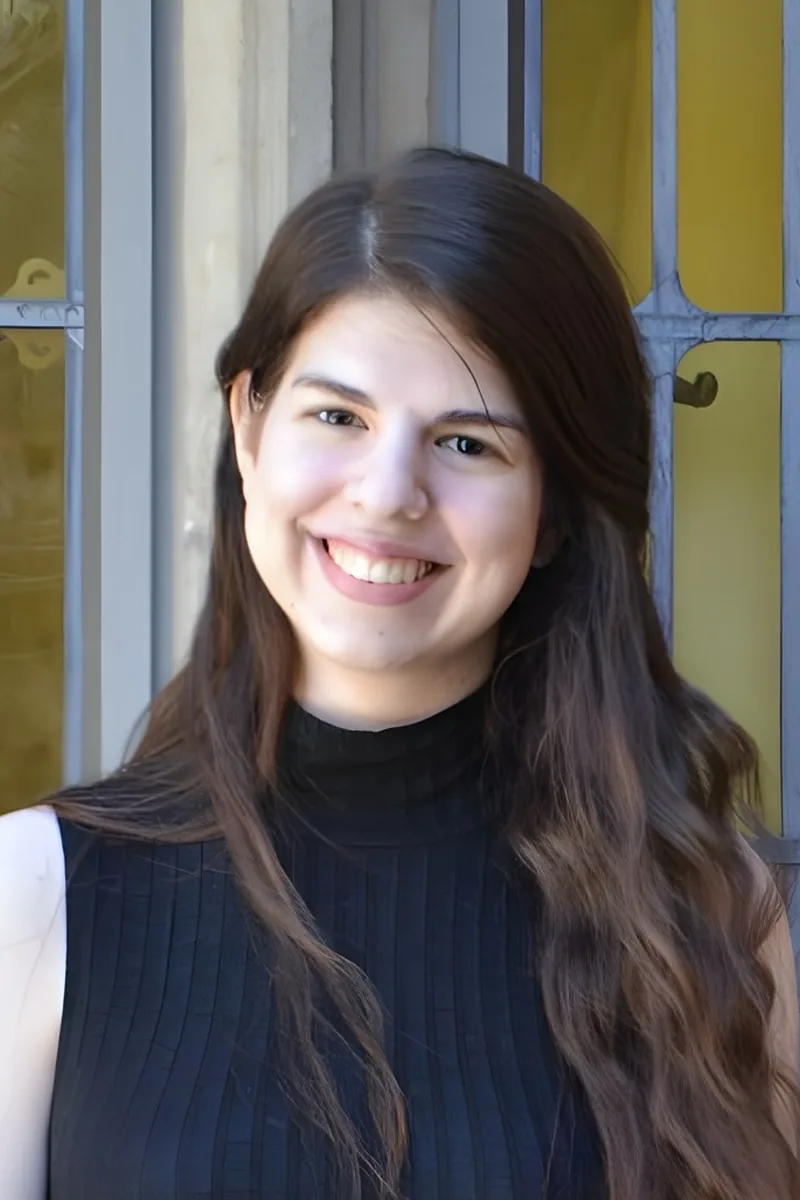
Rhetorical analysis is the backbone of AP Lang, and most students underperform not because they can't identify ethos or logos but because they don't know how to explain *why* a rhetorical choice matters in context. Olivia digs into the synthesis and argument essays with equal attention, teaching students to build claims that go beyond restating sources. Her 1560 SAT reflects the same analytical reading and writing skills she brings to AP Lang prep.
Rhetorical analysis is the backbone of AP Lang, and most students struggle not with identifying devices but with explaining *why* an author's choices work on a specific audience. Amanda approaches this through the lens of persuasion psychology — her graduate work in child development at University College London involved analyzing how language shapes perception, which maps directly onto the AP Lang skill set. She's especially sharp on the synthesis essay, where students must juggle multiple sources into a cohesive argument.
Rhetorical analysis is the backbone of AP Lang, and the difference between a 3 and a 5 often comes down to whether a student can identify how an author's choices — diction, syntax, appeals — serve a specific purpose for a specific audience. Emerson teaches students to dissect arguments systematically, drawing on his University of Chicago training where constructing and deconstructing arguments is a daily exercise. His experience spans timed essays, synthesis prompts, and the kind of evidence-driven writing the exam demands.
Rhetoric is the heart of AP English Language, and Muriel approaches it by teaching students to identify how authors construct persuasive arguments — through diction, syntax, appeals, and structural choices. Her background in comparative literature across four languages gives her an unusually sharp eye for how writers manipulate language for effect. She also drills the synthesis and argument essays until students can outline a coherent position in under five minutes.
Having traveled to South Africa to teach English skills to middle schoolers, Kayla learned how to strip nonfiction writing down to its core moves — identifying claims, tracing how evidence supports them, and explaining why specific word choices matter to an audience. She applies that same concrete, ground-level approach to AP Lang's timed essays, especially the synthesis prompt, where students need to quickly read sources for their argumentative function and weave them into a cohesive position. Rated 5.0 by students.
Rhetorical analysis is the backbone of AP Lang, and most students struggle not with identifying ethos or logos but with explaining *how* those strategies function in a specific passage. Parker approaches each prompt by teaching students to trace an author's argument move by move — examining syntax choices, shifts in tone, and strategic concessions. His 5.0 rating speaks to how well this close-reading method clicks with students.
AP English Language is ultimately an argument course — students need to dissect how writers use rhetorical strategies like juxtaposition, appeals to ethos, and shifts in tone to persuade specific audiences. Mary approaches each practice passage as a puzzle of intent: what is the author doing, and how can you prove it with textual evidence? Her emphasis on building analytical paragraphs with embedded quotations and clear warrants prepares students for both the multiple-choice section and the synthesis, rhetorical analysis, and argument essays.
A linguistics degree from Boston University trained Zachary to dissect how language persuades, and that's exactly what AP English Language and Composition demands — analyzing rhetorical strategies like tone shifts, appeals, and structural choices in nonfiction texts. He walks students through both the multiple-choice analysis and the synthesis, rhetorical analysis, and argument essays with an eye toward earning top scores on each.
Rhetorical analysis is the backbone of AP Lang, and Leslie approaches it by teaching students to dissect how authors use structure, diction, and evidence to persuade — skills she honed analyzing Classical rhetoric during her undergraduate work. She also digs into the synthesis and argument essays, showing students how to integrate sources and stake out a clear position under timed conditions. Rated 4.9 by her students.
Rhetorical analysis is the backbone of AP English Language, and most students struggle not with identifying ethos or logos but with explaining *how* those strategies function in a specific passage. Alyssa unpacks real AP prompts — synthesis essays, argument essays, rhetorical analysis — and teaches students to write commentary that connects evidence to a clear, defensible thesis.
AP Lang is where Heather's expertise converges — rhetorical analysis, argument construction, and synthesis all live at the intersection of her English degree and her years in the classroom. She teaches students to dissect an author's use of ethos, logos, and pathos with precision, then apply those same persuasive strategies in their own timed essays.
I believe in student-centered learning. As an educator and tutor it is my goal to assist students in cultivating the skills necessary to be effective investigators and lifelong learners. I am passionate about supporting students as they craft their ability to research, synthesize, organize and communicate information, especially in the social sciences and humanities.
Scoring well on AP Lang means recognizing how writers construct arguments — the difference between an anecdote used as evidence and one used as an emotional hook, or why a concession strengthens rather than weakens a claim. Kirstie unpacks rhetorical strategies like ethos, logos, and kairos through real op-eds and speeches, then applies that same analytical lens to students' own argumentative writing. Her 1550 SAT reflects the kind of reading and writing precision this exam demands.
Rhetoric is everywhere, and AP Lang is the class that finally makes students see it — in speeches, editorials, even advertisements. Jack's dual background in theatre and economics means he can unpack both the emotional persuasion of a Kennedy address and the logical structure of an economic policy argument. He zeroes in on building the synthesis and argument essays, where students often struggle to integrate sources without losing their own voice.
A PhD candidate in Comparative Human Development at the University of Chicago, Gabriel reads nonfiction through an interdisciplinary lens — tracking how authors frame evidence, shift registers, and position themselves relative to competing claims. That training in analyzing how arguments actually function across disciplines translates directly to the AP Lang exam's synthesis and rhetorical analysis essays, where students need to explain an author's strategic choices rather than just paraphrase content. Rated 5.0 by students.
The AP Lang exam is fundamentally about rhetoric — understanding how writers persuade and then doing it yourself. Sarah's training in expository and persuasive writing, sharpened across three degrees and work as a college writing tutor, translates directly into teaching students to analyze rhetorical strategies in the multiple-choice section and craft tight, evidence-rich synthesis and argument essays.
A published novelist with a Penn M.S. in Education and a B.A. in English from the University of Washington, Christian has spent years inside the mechanics of persuasive prose — not just reading it, but constructing it from scratch. That dual perspective sharpens his AP Lang teaching, especially when it comes to the argument essay, where he coaches students to treat their own writing the way an author revises a manuscript: tightening claims, cutting weak evidence, and making every sentence earn its place.
I'm a current PhD student in the history department at Georgetown University who is also an experienced instructor with Varsity Tutors. As a recipient of several degrees, the most recent being a BA in history from Hillsdale College and a MA in Russian, East European, and Eurasian Studies from Stanford University, I have long sought to make teaching my profession. Meanwhile, as a volunteer grade school teacher and a tutor with this company, I have many years' experience helping students reach their full potential. I am capable of teaching students in many subjects, including reading, mathematics, test prep, Latin, and especially writing, history, and literature. In practice, I am comfortable adapting to different learning styles and specific student preferences. Outside of my academic and career endeavors, I enjoy cooking, reading, and listening to and making music.
Trained in NYU's Accelerated MAT program for Secondary English, Jennifer knows the AP Lang exam inside and out — from rhetorical analysis essays to the synthesis prompt's demand for integrating multiple sources into a cohesive argument. She teaches students to identify an author's strategic choices (diction, structure, appeals) and articulate their effects with precision, which is exactly what earns high marks on the rhetorical analysis free response.
The AP Lang exam tests whether a student can dissect an argument's structure and then build one of their own under time pressure. Tegan teaches rhetorical analysis by walking through how authors deploy evidence, tone shifts, and concessions — skills that translate directly to the synthesis and argument essays. Her 1520 SAT score reflects the same command of analytical reading and writing the exam demands.
AP Lang asks students to dissect how authors build arguments — identifying rhetorical strategies, evaluating evidence, and constructing their own persuasive essays under time pressure. Rithi approaches this analytically, teaching students to map an argument's structure before writing about it, a skill she honed through years of reading and critiquing scientific literature in her neuroscience and biotechnology programs.
AP Lang isn't really about writing well — it's about arguing precisely, which means dissecting how authors use rhetorical strategies like appeals, tone shifts, and structural choices to persuade. Sophie tackles the synthesis and argument essays by teaching students to read sources like a debater: identify the claim, evaluate the evidence, then build a counter. Her 1570 SAT score reflects the same close-reading and analytical skills the AP exam demands.
AP Lang's rhetorical analysis essays trip students up when they can identify ethos, logos, and pathos but can't explain how those strategies function within a specific argument. Meghan, who studied English at Cornell and is pursuing a PhD in American Literature at UConn, teaches students to dissect an author's purpose at the sentence level — connecting syntax choices, tone shifts, and structural decisions to a writer's persuasive strategy. Rated 5.0 by students.
AP Lang is fundamentally an argumentation course — every rhetorical analysis and synthesis essay demands that students identify how writers build persuasive cases. Jonathan's background as a competitive debater at the University of Chicago sharpened exactly that skill, and his extensive coursework in philosophy gives him a deep toolkit for teaching logical reasoning, rhetorical strategy, and evidence evaluation. He breaks down the three essay types into repeatable frameworks students can deploy under timed pressure.
Testimonials
Because the right AP English Language and Composition tutor makes all the difference.
Average Session Rating – Based on 3.4M Learner Ratings
Practice AP English Language and Composition
Free practice tests, flashcards, and AI tutoring for AP English Language and Composition
Nearby AP English Language and Composition Tutors
Other Sarasota Tutors
Related English Tutors in Sarasota
Frequently Asked Questions
AP English Language and Composition focuses on rhetorical analysis, argument, and synthesis skills. Students learn to analyze how writers use language and persuasive techniques across nonfiction texts, then apply those skills to their own writing. The course emphasizes close reading, identifying rhetorical strategies, and crafting evidence-based arguments—all essential for the exam's three free-response essays and multiple-choice section.
Score improvement depends on your starting point and commitment level. Students who work consistently with a tutor typically see gains of 1-3 points on the AP scale (1-5), with the biggest improvements coming from targeted practice on weak areas like rhetorical analysis or argument construction. The key is identifying which sections—multiple choice, argument essay, or synthesis essay—need the most work, then building skills through repeated practice and feedback.
Many students struggle with identifying rhetorical devices and understanding *why* writers use them—it's not just about naming a metaphor, but explaining its effect on the audience. Others find the timed essay sections challenging, especially managing their time across three essays while maintaining strong analysis. Additionally, students often confuse the argument essay with the synthesis essay, which require different approaches to evidence and structure.
Varsity Tutors connects you with expert tutors who tailor instruction to your specific needs. A tutor might start by assessing your strengths and weaknesses through practice essays or multiple-choice sections, then focus sessions on areas like rhetorical analysis techniques, essay structure, or time management strategies. Regular practice with feedback is central—you'll write essays, receive detailed comments on your analysis and argumentation, and refine your approach before test day.
Practice tests are essential for AP English Language and Composition success. They help you understand the exam format, identify which question types trip you up, and build stamina for the three-hour test. Taking full-length practice tests under timed conditions—ideally every 2-3 weeks as you prepare—reveals patterns in your mistakes and shows whether your pacing is sustainable. Your tutor can use practice test results to pinpoint exactly where to focus your study time.
The argument essay asks you to develop your own position on an issue with evidence; the synthesis essay requires you to incorporate provided sources to support a position; and the rhetorical analysis essay asks you to explain how a writer achieves their purpose. Each demands different skills—argument focuses on your reasoning, synthesis on source integration, and rhetorical analysis on identifying techniques and their effects. A tutor can help you master the distinct structure and approach each essay requires.
Multiple-choice success comes from understanding question types and avoiding common traps. Many students rush through passages or misread what a question is actually asking. Working with a tutor, you can practice close reading techniques, learn to eliminate wrong answers strategically, and develop a consistent approach to questions about tone, purpose, and rhetorical devices. Tracking which question types you miss most helps you focus practice where it matters most.
Confidence comes from preparation and familiarity. When you've practiced essays repeatedly, taken full-length timed tests, and received constructive feedback, you enter test day knowing what to expect. A tutor can also teach you time management and pacing strategies so you feel in control during the exam, plus help you develop a pre-test routine that calms nerves. Many students find that understanding *why* they make mistakes—and fixing them—naturally reduces anxiety.
Let’s find your perfect tutor
Answer a few quick questions. We’ll recommend the right plan and match you with a top 5% tutor.