Award-Winning AP English Language and Composition Tutors
serving Orlando, FL
AP English Language and Composition
Tutors in Orlando
Private 1-on-1 tutoring, weekly live classes for academic support, test prep & enrichment, practice tests and diagnostics, and more to elevate grades and test scores.
Based on 3.4M Learner Ratings
UniversitiesSchools & Universities
DeliveredHours Delivered
ProficiencyGrowth in Proficiency
Who needs tutoring?
No obligation. Takes ~1 minute.

AP Lang is ultimately about dissecting how writers persuade — rhetorical strategies, evidence deployment, structural choices. Michelle's neuroscience and literature background at Duke sharpens her eye for argument construction, and she teaches students to write analytical essays that do more than summarize by anchoring every claim in specific textual evidence.
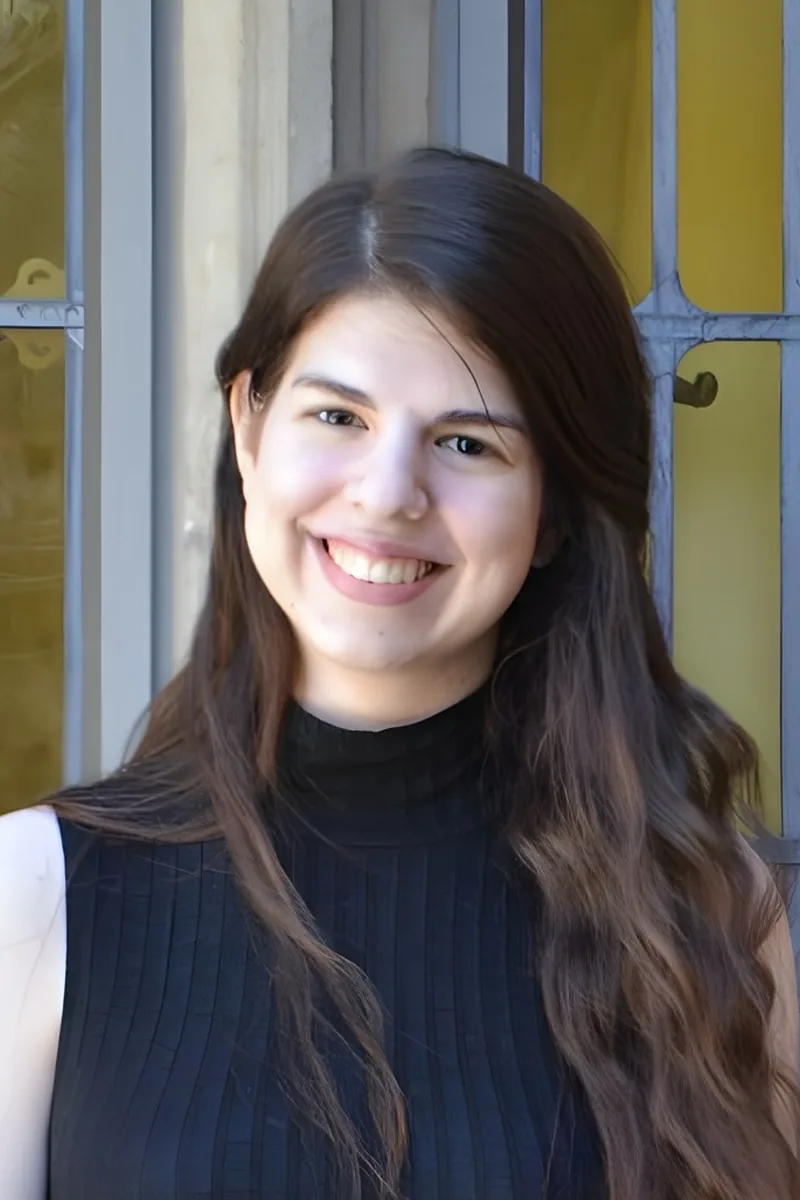
Rhetorical analysis is the backbone of AP Lang, and most students underperform not because they can't identify ethos or logos but because they don't know how to explain *why* a rhetorical choice matters in context. Olivia digs into the synthesis and argument essays with equal attention, teaching students to build claims that go beyond restating sources. Her 1560 SAT reflects the same analytical reading and writing skills she brings to AP Lang prep.
Rhetorical analysis is the backbone of AP Lang, and most students struggle not with identifying devices but with explaining *why* an author's choices work on a specific audience. Amanda approaches this through the lens of persuasion psychology — her graduate work in child development at University College London involved analyzing how language shapes perception, which maps directly onto the AP Lang skill set. She's especially sharp on the synthesis essay, where students must juggle multiple sources into a cohesive argument.
Rhetoric is the heart of AP English Language, and Muriel approaches it by teaching students to identify how authors construct persuasive arguments — through diction, syntax, appeals, and structural choices. Her background in comparative literature across four languages gives her an unusually sharp eye for how writers manipulate language for effect. She also drills the synthesis and argument essays until students can outline a coherent position in under five minutes.
Rhetorical analysis is the backbone of AP Lang, and the difference between a 3 and a 5 often comes down to whether a student can identify how an author's choices — diction, syntax, appeals — serve a specific purpose for a specific audience. Emerson teaches students to dissect arguments systematically, drawing on his University of Chicago training where constructing and deconstructing arguments is a daily exercise. His experience spans timed essays, synthesis prompts, and the kind of evidence-driven writing the exam demands.
Having traveled to South Africa to teach English skills to middle schoolers, Kayla learned how to strip nonfiction writing down to its core moves — identifying claims, tracing how evidence supports them, and explaining why specific word choices matter to an audience. She applies that same concrete, ground-level approach to AP Lang's timed essays, especially the synthesis prompt, where students need to quickly read sources for their argumentative function and weave them into a cohesive position. Rated 5.0 by students.
Rhetorical analysis is the backbone of AP Lang, and most students struggle not with identifying ethos or logos but with explaining *how* those strategies function in a specific passage. Parker approaches each prompt by teaching students to trace an author's argument move by move — examining syntax choices, shifts in tone, and strategic concessions. His 5.0 rating speaks to how well this close-reading method clicks with students.
AP English Language is ultimately an argument course — students need to dissect how writers use rhetorical strategies like juxtaposition, appeals to ethos, and shifts in tone to persuade specific audiences. Mary approaches each practice passage as a puzzle of intent: what is the author doing, and how can you prove it with textual evidence? Her emphasis on building analytical paragraphs with embedded quotations and clear warrants prepares students for both the multiple-choice section and the synthesis, rhetorical analysis, and argument essays.
A linguistics degree from Boston University trained Zachary to dissect how language persuades, and that's exactly what AP English Language and Composition demands — analyzing rhetorical strategies like tone shifts, appeals, and structural choices in nonfiction texts. He walks students through both the multiple-choice analysis and the synthesis, rhetorical analysis, and argument essays with an eye toward earning top scores on each.
Rhetorical analysis is the backbone of AP Lang, and Leslie approaches it by teaching students to dissect how authors use structure, diction, and evidence to persuade — skills she honed analyzing Classical rhetoric during her undergraduate work. She also digs into the synthesis and argument essays, showing students how to integrate sources and stake out a clear position under timed conditions. Rated 4.9 by her students.
Rhetorical analysis is the backbone of AP English Language, and most students struggle not with identifying ethos or logos but with explaining *how* those strategies function in a specific passage. Alyssa unpacks real AP prompts — synthesis essays, argument essays, rhetorical analysis — and teaches students to write commentary that connects evidence to a clear, defensible thesis.
AP Lang is where Heather's expertise converges — rhetorical analysis, argument construction, and synthesis all live at the intersection of her English degree and her years in the classroom. She teaches students to dissect an author's use of ethos, logos, and pathos with precision, then apply those same persuasive strategies in their own timed essays.
I believe in student-centered learning. As an educator and tutor it is my goal to assist students in cultivating the skills necessary to be effective investigators and lifelong learners. I am passionate about supporting students as they craft their ability to research, synthesize, organize and communicate information, especially in the social sciences and humanities.
AP Lang is fundamentally about rhetoric — how writers persuade, and how to do it yourself. Chang's philosophy training sharpened his ability to dissect argumentative strategies like appeals to ethos, logical concessions, and strategic counterarguments, and he brings that same analytical precision to teaching students how to write and analyze persuasive prose.
Theater training at Northwestern taught Merav something most AP Lang students struggle to learn on their own: how to read a text for its performative dimension — the way a writer's pacing, word choice, and tonal shifts are calculated to produce a specific response in an audience. She brings that performer's ear to the exam's free-response essays, teaching students to articulate not just which rhetorical moves an author makes but why those moves land. Rated 5.0 by students.
The AP Lang exam is fundamentally about rhetoric — understanding how writers persuade and then doing it yourself. Sarah's training in expository and persuasive writing, sharpened across three degrees and work as a college writing tutor, translates directly into teaching students to analyze rhetorical strategies in the multiple-choice section and craft tight, evidence-rich synthesis and argument essays.
A licensed English 6-12 teacher with a Vanderbilt degree in English Literature, Karen knows the AP Lang exam inside and out — from dissecting rhetorical strategies in nonfiction passages to crafting airtight synthesis and argument essays under time pressure. She teaches students to identify how authors use diction, tone, and structure as persuasive tools, which is the analytical muscle the exam actually tests.
The AP Lang exam tests whether a student can dissect an argument's structure and then build one of their own under time pressure. Tegan teaches rhetorical analysis by walking through how authors deploy evidence, tone shifts, and concessions — skills that translate directly to the synthesis and argument essays. Her 1520 SAT score reflects the same command of analytical reading and writing the exam demands.
AP Lang is ultimately about rhetoric: understanding how writers construct arguments through tone, structure, and strategic evidence. Martha's PhD research at Michigan requires exactly this kind of analytical reading — dissecting published studies for their persuasive strategies — and she applies that same lens to teaching students how to decode synthesis prompts and write arguments that earn top scores on the exam.
Rhetorical analysis is the backbone of AP Lang, and David approaches it by teaching students to name exactly what an author is doing — whether that's deploying an anecdote for pathos or structuring a concession-and-rebuttal to disarm opposition. He also digs into the synthesis and argument essays, where students need to marshal sources quickly and write with a clear, deliberate voice.
AP Lang is fundamentally an argumentation course — every rhetorical analysis and synthesis essay demands that students identify how writers build persuasive cases. Jonathan's background as a competitive debater at the University of Chicago sharpened exactly that skill, and his extensive coursework in philosophy gives him a deep toolkit for teaching logical reasoning, rhetorical strategy, and evidence evaluation. He breaks down the three essay types into repeatable frameworks students can deploy under timed pressure.
Trained in NYU's Accelerated MAT program for Secondary English, Jennifer knows the AP Lang exam inside and out — from rhetorical analysis essays to the synthesis prompt's demand for integrating multiple sources into a cohesive argument. She teaches students to identify an author's strategic choices (diction, structure, appeals) and articulate their effects with precision, which is exactly what earns high marks on the rhetorical analysis free response.
Rhetoric is the backbone of AP English Language, and Amy teaches students to dissect how authors use appeals, structure, and diction to build persuasive arguments. Her college-level English training means she can model the kind of sophisticated synthesis and argumentation the exam's free-response questions demand. She also tackles the multiple-choice section by showing students how to read like a writer — noticing choices an author made and why.
Pursuing a PhD in English means Alex has spent years inside the machinery of written argument — not just reading it but producing and defending it at the highest academic level. That depth shows when he teaches AP Lang's free-response essays, particularly the argument prompt, where students need to stake out a nuanced position and support it with evidence that does real analytical work. Rated 5.0 by students.
Rhetoric is everywhere, and AP Lang is the class that finally makes students see it — in speeches, editorials, even advertisements. Jack's dual background in theatre and economics means he can unpack both the emotional persuasion of a Kennedy address and the logical structure of an economic policy argument. He zeroes in on building the synthesis and argument essays, where students often struggle to integrate sources without losing their own voice.
Testimonials
Because the right AP English Language and Composition tutor makes all the difference.
Average Session Rating – Based on 3.4M Learner Ratings
Practice AP English Language and Composition
Free practice tests, flashcards, and AI tutoring for AP English Language and Composition
Nearby AP English Language and Composition Tutors
Other Orlando Tutors
Related English Tutors in Orlando
Frequently Asked Questions
AP English Language and Composition is a college-level course that focuses on analyzing and writing persuasive, expository, and narrative essays. The AP exam tests your ability to read complex texts, identify rhetorical strategies, and craft well-argued essays under timed conditions. For students in Orlando, mastering this course can earn college credit and demonstrate strong communication skills valued by universities.
The exam has three essay sections: the Rhetorical Analysis Essay (analyzing how an author constructs an argument), the Argument Essay (developing your own position on an issue), and the Synthesis Essay (combining multiple sources to support a claim). Each section is timed, and pacing is critical—many students struggle with managing time across all three essays while maintaining quality writing. Tutors can help you develop strategies for each essay type and practice under realistic test conditions.
Students often struggle with identifying rhetorical devices and strategies in complex texts, managing time across three timed essays, and moving beyond surface-level analysis to deeper critical thinking. Many also find the Synthesis essay challenging because it requires integrating multiple sources while maintaining a clear argument. Personalized tutoring can target your specific weak areas—whether that's close reading, essay structure, or argument development—and build confidence through targeted practice.
Score improvement depends on your starting point and commitment level, but most students see meaningful gains with consistent, focused preparation. Research on 1-on-1 instruction shows it's highly effective for developing complex skills like rhetorical analysis and essay writing. Tutors can identify gaps in your understanding, provide targeted feedback on your essays, and help you develop strategies that stick—all factors that typically lead to score improvement when combined with regular practice.
Your first session will focus on understanding where you stand. Expect to discuss your current AP English Language and Composition coursework, any practice tests you've taken, and specific areas where you feel less confident—whether that's analyzing rhetorical strategies, managing essay timing, or developing strong arguments. The tutor will likely review a sample of your writing or discuss your approach to reading passages, then create a personalized plan to address your goals before the exam.
Practice tests are essential—they help you understand the exam format, identify timing challenges, and get comfortable with the types of prompts you'll see. Many students discover through practice tests that they need to work faster on reading comprehension or that their essay structure needs refinement. Tutors often use full-length practice tests as diagnostic tools and then provide detailed feedback on your essays, helping you apply lessons learned to future attempts.
Varsity Tutors connects you with expert tutors in Orlando who specialize in AP English Language and Composition. You can specify your needs—whether you want help with essay writing, rhetorical analysis, test-taking strategies, or all three—and get matched with a tutor whose expertise aligns with your goals. The process is straightforward, and tutors work with your schedule to provide personalized instruction when you need it most.
With 225 minutes total for three essays, you'll need roughly 50-55 minutes per essay including reading and planning time. Many successful students spend 10-15 minutes reading and annotating the passage, 5-10 minutes planning their response, and 30-35 minutes writing. The key is practicing this breakdown repeatedly so it becomes automatic under pressure. A tutor can help you develop a personal timing strategy, practice it with real exam prompts, and adjust based on which essay types you find most challenging.
Let’s find your perfect tutor
Answer a few quick questions. We’ll recommend the right plan and match you with a top 5% tutor.