Award-Winning AP English Language and Composition Tutors
serving Port St. Lucie, FL
AP English Language and Composition
Tutors in Port St. Lucie
Private 1-on-1 tutoring, weekly live classes for academic support, test prep & enrichment, practice tests and diagnostics, and more to elevate grades and test scores.
Based on 3.4M Learner Ratings
UniversitiesSchools & Universities
DeliveredHours Delivered
ProficiencyGrowth in Proficiency
Who needs tutoring?
No obligation. Takes ~1 minute.

AP Lang is ultimately about dissecting how writers persuade — rhetorical strategies, evidence deployment, structural choices. Michelle's neuroscience and literature background at Duke sharpens her eye for argument construction, and she teaches students to write analytical essays that do more than summarize by anchoring every claim in specific textual evidence.
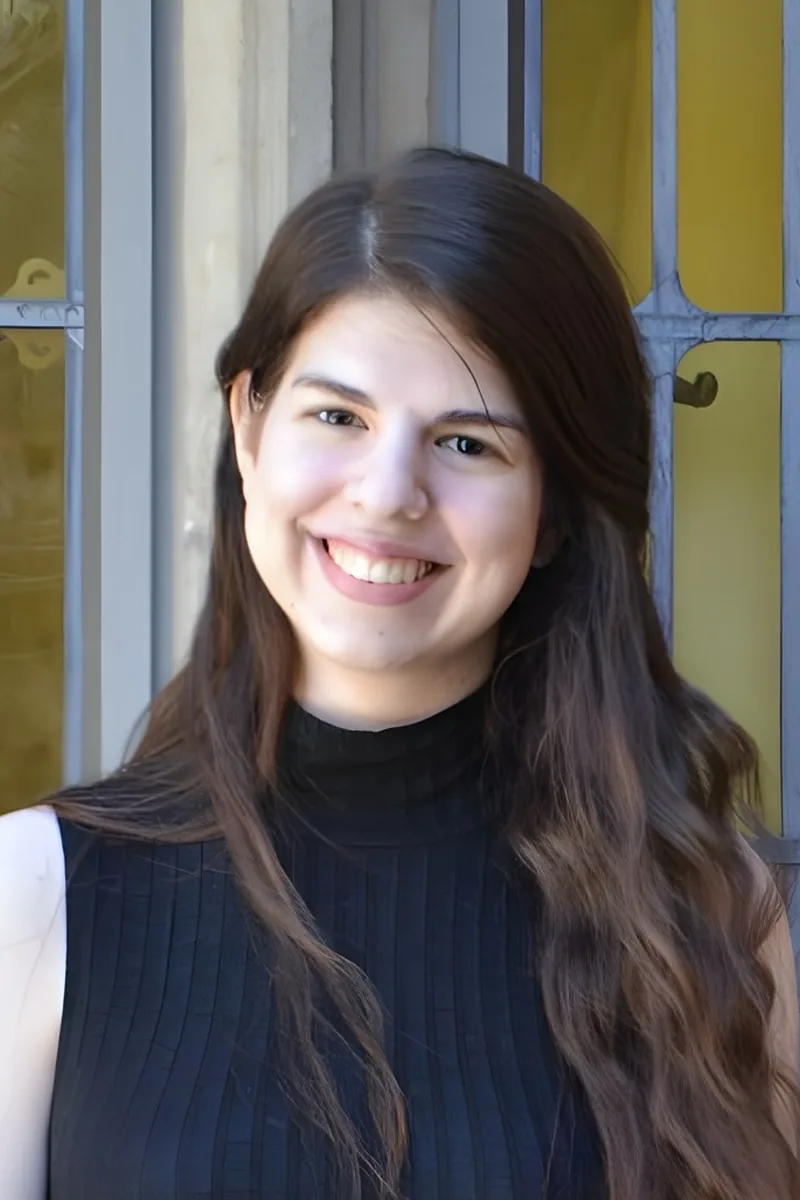
Rhetorical analysis is the backbone of AP Lang, and most students underperform not because they can't identify ethos or logos but because they don't know how to explain *why* a rhetorical choice matters in context. Olivia digs into the synthesis and argument essays with equal attention, teaching students to build claims that go beyond restating sources. Her 1560 SAT reflects the same analytical reading and writing skills she brings to AP Lang prep.
Rhetorical analysis is the backbone of AP Lang, and most students struggle not with identifying devices but with explaining *why* an author's choices work on a specific audience. Amanda approaches this through the lens of persuasion psychology — her graduate work in child development at University College London involved analyzing how language shapes perception, which maps directly onto the AP Lang skill set. She's especially sharp on the synthesis essay, where students must juggle multiple sources into a cohesive argument.
Rhetoric is the heart of AP English Language, and Muriel approaches it by teaching students to identify how authors construct persuasive arguments — through diction, syntax, appeals, and structural choices. Her background in comparative literature across four languages gives her an unusually sharp eye for how writers manipulate language for effect. She also drills the synthesis and argument essays until students can outline a coherent position in under five minutes.
Rhetorical analysis is the backbone of AP Lang, and the difference between a 3 and a 5 often comes down to whether a student can identify how an author's choices — diction, syntax, appeals — serve a specific purpose for a specific audience. Emerson teaches students to dissect arguments systematically, drawing on his University of Chicago training where constructing and deconstructing arguments is a daily exercise. His experience spans timed essays, synthesis prompts, and the kind of evidence-driven writing the exam demands.
Having traveled to South Africa to teach English skills to middle schoolers, Kayla learned how to strip nonfiction writing down to its core moves — identifying claims, tracing how evidence supports them, and explaining why specific word choices matter to an audience. She applies that same concrete, ground-level approach to AP Lang's timed essays, especially the synthesis prompt, where students need to quickly read sources for their argumentative function and weave them into a cohesive position. Rated 5.0 by students.
A linguistics degree from Boston University trained Zachary to dissect how language persuades, and that's exactly what AP English Language and Composition demands — analyzing rhetorical strategies like tone shifts, appeals, and structural choices in nonfiction texts. He walks students through both the multiple-choice analysis and the synthesis, rhetorical analysis, and argument essays with an eye toward earning top scores on each.
AP English Language is ultimately an argument course — students need to dissect how writers use rhetorical strategies like juxtaposition, appeals to ethos, and shifts in tone to persuade specific audiences. Mary approaches each practice passage as a puzzle of intent: what is the author doing, and how can you prove it with textual evidence? Her emphasis on building analytical paragraphs with embedded quotations and clear warrants prepares students for both the multiple-choice section and the synthesis, rhetorical analysis, and argument essays.
Rhetorical analysis is the backbone of AP Lang, and most students struggle not with identifying ethos or logos but with explaining *how* those strategies function in a specific passage. Parker approaches each prompt by teaching students to trace an author's argument move by move — examining syntax choices, shifts in tone, and strategic concessions. His 5.0 rating speaks to how well this close-reading method clicks with students.
Rhetorical analysis is the backbone of AP Lang, and Leslie approaches it by teaching students to dissect how authors use structure, diction, and evidence to persuade — skills she honed analyzing Classical rhetoric during her undergraduate work. She also digs into the synthesis and argument essays, showing students how to integrate sources and stake out a clear position under timed conditions. Rated 4.9 by her students.
Rhetorical analysis is the backbone of AP English Language, and most students struggle not with identifying ethos or logos but with explaining *how* those strategies function in a specific passage. Alyssa unpacks real AP prompts — synthesis essays, argument essays, rhetorical analysis — and teaches students to write commentary that connects evidence to a clear, defensible thesis.
AP Lang is where Heather's expertise converges — rhetorical analysis, argument construction, and synthesis all live at the intersection of her English degree and her years in the classroom. She teaches students to dissect an author's use of ethos, logos, and pathos with precision, then apply those same persuasive strategies in their own timed essays.
I believe in student-centered learning. As an educator and tutor it is my goal to assist students in cultivating the skills necessary to be effective investigators and lifelong learners. I am passionate about supporting students as they craft their ability to research, synthesize, organize and communicate information, especially in the social sciences and humanities.
Rhetorical analysis is the backbone of AP Lang, and David approaches it by teaching students to name exactly what an author is doing — whether that's deploying an anecdote for pathos or structuring a concession-and-rebuttal to disarm opposition. He also digs into the synthesis and argument essays, where students need to marshal sources quickly and write with a clear, deliberate voice.
AP Lang is fundamentally about argument — identifying how writers use rhetorical strategies like appeals, concessions, and counterarguments to build persuasive cases. Brett approaches the course's synthesis and rhetorical analysis essays the way he approaches scientific writing at Rice: every claim needs evidence, every paragraph needs a clear purpose. He's especially sharp on teaching students to dissect an author's line of reasoning in the rhetorical analysis prompt.
Denay's public policy training at the University of Chicago — where every seminar meant tearing apart policy arguments and rebuilding them with sharper evidence — maps directly onto what AP Lang essays require: identifying how authors construct claims, deploy data, and anticipate opposition. She teaches the synthesis essay as a policy brief in miniature, showing students how to integrate multiple sources into a single coherent argument rather than summarizing each one in sequence. Rated 5.0 by students.
Rhetoric is the backbone of AP Lang, and Jean's legal training gives her a practitioner's understanding of how arguments actually persuade. She teaches students to dissect an author's use of appeals, concessions, and strategic evidence — then apply those same techniques in their own synthesis and argument essays. Her students learn to read like lawyers: identifying what a writer is doing and why it works on the audience.
AP Lang is fundamentally about argument — how writers build it, how readers detect it, and how students can do both on exam day. Carla teaches rhetorical analysis by dissecting real speeches and essays, showing students how to identify strategies like appeals to ethos or strategic concession and then write about them with precision. Her 5.0 rating speaks to how well this approach clicks.
Rhetoric is everywhere once you learn to see it, and that's exactly what AP English Language asks students to do — dissect how writers use tone, structure, and evidence to persuade. Cynthia's arts background and love of reading give her a sharp eye for the synthesis and argument essays that make or break AP Lang scores. She walks students through real exam prompts, teaching them to construct thesis-driven responses under timed conditions.
AP Lang is fundamentally about rhetoric — how writers persuade, and how to do it yourself. Chang's philosophy training sharpened his ability to dissect argumentative strategies like appeals to ethos, logical concessions, and strategic counterarguments, and he brings that same analytical precision to teaching students how to write and analyze persuasive prose.
Years of writing, directing, and performing theater in New York City taught Harry how to construct an argument that lands with a live audience — a skill that translates directly to AP Lang's argument and synthesis essays, where every structural choice needs to serve a persuasive purpose. His Northwestern communications training sharpens his approach to nonfiction prose analysis, particularly when it comes to unpacking how authors calibrate tone and audience awareness to make a case.
AP Lang is ultimately about argument — how writers build it, how readers evaluate it, and how students construct their own on exam day. Ariel unpacks rhetorical strategies like ethos, logos, and kairos in published essays, then applies those same principles when coaching students through synthesis, argument, and rhetorical analysis prompts. Her background in psychology at Brown gives her a sharp eye for how language persuades.
The AP Lang exam lives at the intersection of rhetoric and writing — two things Maddy has been immersed in since college, where she studied American literature and wrote an honors thesis analyzing cultural criticism. She digs into how authors use tone, diction, and structural choices to persuade, then teaches students to replicate those moves in their own synthesis and argument essays.
Medical anthropology trains you to read dense, argument-driven texts and extract how authors position evidence to support a claim — which is exactly what the AP Lang exam's multiple-choice and rhetorical analysis sections test. Katie applies that analytical rigor to teaching students how to unpack an author's strategic choices in nonfiction prose and then replicate those moves in their own timed essays. Rated 5.0 by students.
AP Lang is really a course in argument — identifying how writers use evidence, tone, and structure to persuade, then doing it yourself in timed essays. Varun's Government degree gave him deep practice dissecting rhetorical strategies in political speeches and policy briefs, which maps directly onto the synthesis, rhetorical analysis, and argument essays this exam demands.
Testimonials
Because the right AP English Language and Composition tutor makes all the difference.
Average Session Rating – Based on 3.4M Learner Ratings
Practice AP English Language and Composition
Free practice tests, flashcards, and AI tutoring for AP English Language and Composition
Nearby AP English Language and Composition Tutors
Other Port St. Lucie Tutors
Related English Tutors in Port St. Lucie
Frequently Asked Questions
The AP English Language and Composition exam tests your ability to analyze rhetoric, understand argument, and write persuasive essays. The exam has two sections: a 1-hour multiple-choice section with 52 questions focused on reading and analyzing nonfiction passages, and a 2-hour 15-minute free-response section with three essays (synthesis, rhetorical analysis, and argument). Success requires both strong analytical reading skills and the ability to write under timed pressure.
Score improvement depends on your starting point and how consistently you apply feedback. Students who work with tutors typically see the most gains by focusing on their weakest areas—whether that's identifying rhetorical devices, structuring arguments, or managing time across the three essays. Many students improve by 1-2 score points (from a 3 to a 4 or 5) by practicing with real past exams and getting personalized feedback on essay writing.
The most common struggles are pacing during the multiple-choice section, understanding the rhetorical analysis essay prompt, and developing strong argument essays under time constraints. Many students also struggle with identifying subtle rhetorical strategies in dense nonfiction passages and balancing evidence with analysis in their writing. A tutor can help you develop strategies for each section and build confidence through targeted practice.
Most students benefit from starting tutoring 3-4 months before the May exam, though this depends on your current skills and target score. If you're aiming for a 4 or 5, consistent weekly sessions combined with independent practice and full-length practice tests will give you time to master rhetorical analysis and refine your essay writing. Even 6-8 weeks of focused tutoring can help you improve pacing and strengthen weak areas if you're already familiar with the material.
Each of the three essays requires a different approach: the synthesis essay needs clear integration of sources, the rhetorical analysis essay demands precise identification of strategies with textual evidence, and the argument essay requires a strong claim with logical reasoning. Tutors can help you develop a template for each essay type, practice outlining under time pressure, and learn how to balance analysis with evidence. Reviewing sample high-scoring essays and getting feedback on your drafts is key to improvement.
The multiple-choice section tests your ability to read nonfiction passages and identify rhetorical devices, tone, and argument structure. Success comes from practicing active reading strategies, understanding common question types, and managing the 52 questions in 60 minutes. Many students benefit from learning to eliminate obviously wrong answers first, then carefully reading the remaining options. A tutor can help you identify which reading strategies work best for you and practice with real AP passages to build speed and accuracy.
Varsity Tutors connects you with expert tutors in Port St. Lucie who specialize in AP English Language and Composition. You can get matched with a tutor who understands the exam format, knows effective strategies for each section, and can provide personalized feedback on your essays. Whether you need help with rhetorical analysis, argument writing, or test-taking strategies, you can find a tutor who fits your schedule and learning style.
Test anxiety often stems from feeling unprepared or uncertain about what to expect. Working through full-length practice tests with a tutor helps you become comfortable with the exam format and builds confidence in your ability to manage the time. Learning specific strategies—like how to approach each essay type, when to move on from a difficult passage, and how to manage stress during the test—can significantly reduce anxiety. Your tutor can also help you develop a pre-exam routine and mindset strategies to stay focused on exam day.
Let’s find your perfect tutor
Answer a few quick questions. We’ll recommend the right plan and match you with a top 5% tutor.