Award-Winning AP English Language and Composition Tutors
serving Kansas City, MO
AP English Language and Composition
Tutors in Kansas City
Private 1-on-1 tutoring, weekly live classes for academic support, test prep & enrichment, practice tests and diagnostics, and more to elevate grades and test scores.
Based on 3.4M Learner Ratings
UniversitiesSchools & Universities
DeliveredHours Delivered
ProficiencyGrowth in Proficiency
Who needs tutoring?
No obligation. Takes ~1 minute.

Rhetorical analysis is the backbone of AP Lang, and David approaches it by teaching students to name exactly what an author is doing — whether that's deploying an anecdote for pathos or structuring a concession-and-rebuttal to disarm opposition. He also digs into the synthesis and argument essays, where students need to marshal sources quickly and write with a clear, deliberate voice.
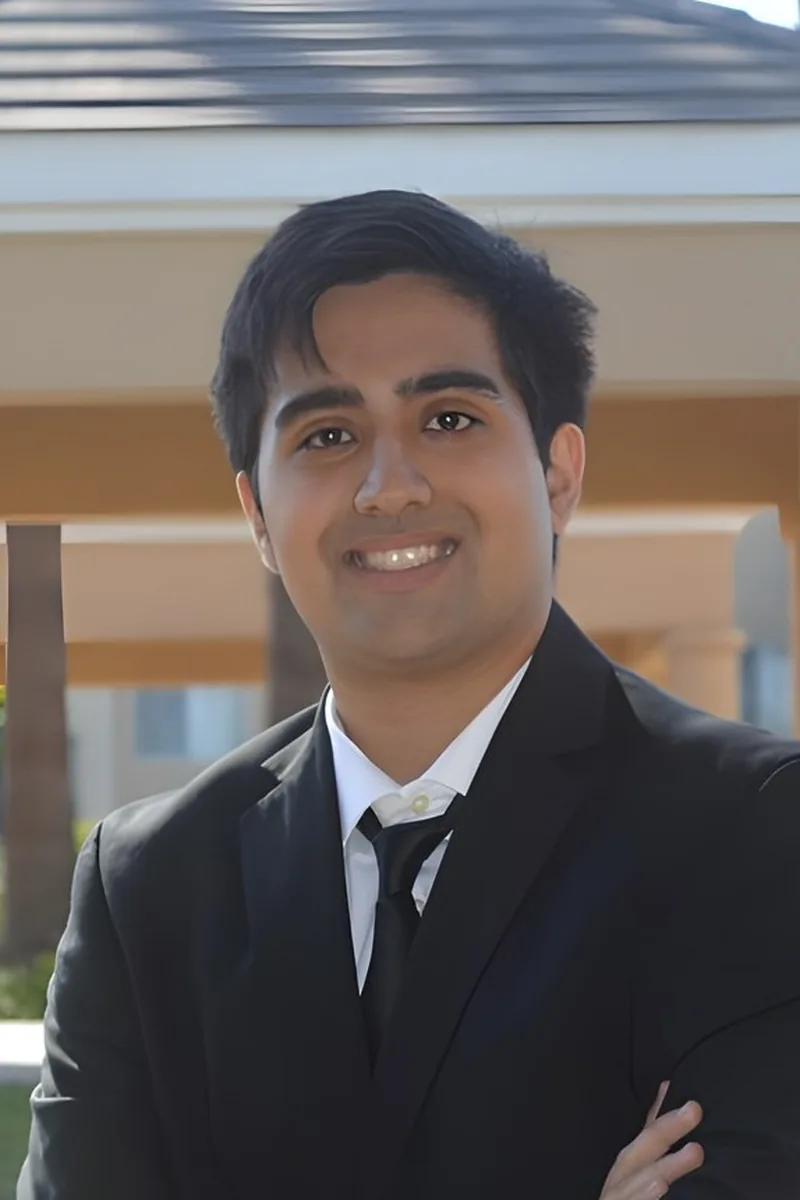
Medical school trains you to read dense, argument-driven texts and extract exactly what matters — a skill Abrahim now applies to AP Lang's multiple-choice passages and timed essay prompts. His biology degree from UCLA (cum laude) required extensive analytical writing, and he teaches students to construct argument and synthesis essays the way a scientist builds a case: clear claim, targeted evidence, no filler. Rated 5.0 by students.
AP Lang is ultimately about argument — recognizing how writers use rhetorical strategies like appeals, tone shifts, and structural choices to persuade, and then deploying those same tools in your own essays. Hailey's English degree and secondary teaching certification mean she can break down both the multiple-choice analysis and the synthesis, rhetorical analysis, and argument essays with equal precision. Rated 5.0 by students.
AP Lang is fundamentally about argument — identifying how writers use rhetorical strategies and then deploying those same tools in timed essays. As a Princeton English major, Jane dissects rhetoric daily, from Aristotelian appeals to the subtleties of tone and diction in nonfiction prose. She teaches students to write synthesis and argument essays with clear, defensible claims supported by precise textual evidence.
Rhetoric is everywhere, and AP Lang is the class that finally makes students see it — in speeches, editorials, even advertisements. Jack's dual background in theatre and economics means he can unpack both the emotional persuasion of a Kennedy address and the logical structure of an economic policy argument. He zeroes in on building the synthesis and argument essays, where students often struggle to integrate sources without losing their own voice.
AP English Language is ultimately about rhetoric: understanding how writers persuade and then doing it yourself under a forty-minute clock. David digs into the synthesis, rhetorical analysis, and argument essays individually, teaching students to identify techniques like juxtaposition, appeals to authority, and strategic concession before they ever start writing. His dual English degrees and library science training make him especially sharp on evaluating sources and constructing evidence-driven arguments.
Rhetorical analysis is the backbone of AP Lang, and it trips students up because they confuse identifying a device with explaining how it functions in context. Stephanie approaches each passage as an argument to dissect — examining how authors deploy ethos, strategic concessions, and syntactic choices to persuade specific audiences. Her experience writing and editing at the college level at Princeton keeps her feedback concrete and actionable.
AP Lang's rhetorical analysis essays trip students up when they can identify ethos, logos, and pathos but can't explain how those strategies function within a specific argument. Meghan, who studied English at Cornell and is pursuing a PhD in American Literature at UConn, teaches students to dissect an author's purpose at the sentence level — connecting syntax choices, tone shifts, and structural decisions to a writer's persuasive strategy. Rated 5.0 by students.
A published novelist with a Penn M.S. in Education and a B.A. in English from the University of Washington, Christian has spent years inside the mechanics of persuasive prose — not just reading it, but constructing it from scratch. That dual perspective sharpens his AP Lang teaching, especially when it comes to the argument essay, where he coaches students to treat their own writing the way an author revises a manuscript: tightening claims, cutting weak evidence, and making every sentence earn its place.
The AP Lang exam is fundamentally about rhetoric — understanding how writers persuade and then doing it yourself. Sarah's training in expository and persuasive writing, sharpened across three degrees and work as a college writing tutor, translates directly into teaching students to analyze rhetorical strategies in the multiple-choice section and craft tight, evidence-rich synthesis and argument essays.
AP Lang is ultimately about argument — dissecting how writers use evidence, tone, and structure to persuade, then doing it yourself under timed conditions. Molly's experience editing for newspapers sharpened her ability to evaluate rhetorical choices quickly, and she walks students through synthesis and argument essays with an emphasis on building claims that actually hold up to scrutiny.
Rhetorical analysis is the backbone of AP Lang, and most students underperform not because they can't identify ethos or logos but because they don't know how to explain *why* a rhetorical choice matters in context. Olivia digs into the synthesis and argument essays with equal attention, teaching students to build claims that go beyond restating sources. Her 1560 SAT reflects the same analytical reading and writing skills she brings to AP Lang prep.
Testimonials
Because the right AP English Language and Composition tutor makes all the difference.
Average Session Rating – Based on 3.4M Learner Ratings
Practice AP English Language and Composition
Free practice tests, flashcards, and AI tutoring for AP English Language and Composition
Nearby AP English Language and Composition Tutors
Other Kansas City Tutors
Related English Tutors in Kansas City
Frequently Asked Questions
The AP English Language and Composition exam tests your ability to analyze rhetoric, understand argument construction, and write persuasive essays. The exam has two sections: a multiple-choice section (52 questions in 1 hour 15 minutes) focusing on reading comprehension and rhetorical analysis, and a free-response section (3 essays in 2 hours 15 minutes) requiring you to synthesize sources, analyze arguments, and write your own persuasive piece. Success requires strong skills in identifying rhetorical devices, evaluating evidence, and crafting clear, compelling arguments under time pressure.
Score improvement depends on your starting point and commitment level, but students typically see meaningful gains—often 2-4 points on the AP scale (1-5)—with focused preparation over 8-12 weeks. The key is identifying your specific weak areas: some students struggle with the multiple-choice pacing, while others need help organizing their essays or recognizing rhetorical patterns. A tutor can create a personalized study plan targeting your gaps and help you practice under realistic testing conditions, which significantly accelerates improvement.
Many students struggle with time management during the multiple-choice section—45 minutes to read passages and answer 52 questions requires strong pacing strategy. Others find it difficult to distinguish between different rhetorical strategies or to analyze how authors construct arguments rather than just summarizing them. The free-response essays also challenge students who haven't practiced synthesizing multiple sources quickly or who default to formulaic writing instead of adapting their voice to different rhetorical situations. Targeted practice with feedback on each of these areas makes a real difference.
Your first session focuses on assessment and planning. A tutor will review your current understanding of rhetorical analysis, have you attempt a practice multiple-choice section and essay to identify pacing issues, and discuss your goals for the exam. This diagnostic work reveals whether you need to build foundational skills in rhetoric and argument, strengthen your essay structure and time management, or refine your test-taking strategy. From there, your tutor creates a customized roadmap with specific milestones and practice schedules leading up to exam day.
Strong AP Lang essays require you to move beyond summary and actually analyze how authors use language to persuade or inform. Practice identifying rhetorical devices in real texts, then explain their effect rather than just naming them. Time management is critical—allocate 5-10 minutes to planning your essay so your argument is clear and organized. Many students benefit from writing multiple practice essays under timed conditions and getting feedback on their thesis clarity, evidence selection, and analytical depth. A tutor can model this process and help you develop a personal essay template that works for your writing style.
The multiple-choice section gives you roughly 50 seconds per question, which feels rushed if you're reading every word carefully. Effective readers preview the questions first to know what to look for, then skim passages strategically rather than reading word-for-word. Practice this technique with real AP passages so you develop the muscle memory—you'll learn which details matter and which you can skip. Tracking your time on practice tests helps you identify where you're losing seconds, whether it's overthinking answer choices or getting stuck on difficult passages. A tutor can teach you efficient reading strategies specific to AP Lang's question types.
Most students benefit from 8-12 weeks of consistent tutoring, meeting 1-2 times weekly, leading up to the May exam. If you're starting in spring, this gives you time to build skills progressively and take multiple practice tests with feedback. Students starting earlier (fall or winter) can work at a more relaxed pace or dive deeper into advanced strategies. The ideal timeline also depends on your starting point—if you're already scoring in the 3-4 range, you might need fewer sessions than someone starting from scratch. Your tutor can recommend a specific schedule based on your goals and current performance.
Varsity Tutors connects you with expert tutors in Kansas City who specialize in AP English Language and Composition and understand the specific demands of the exam. You can share your goals, current score, and availability, and get matched with a tutor whose expertise and teaching style fit your needs. Tutors work flexibly with your schedule and can adjust their approach based on whether you need help with reading comprehension, essay writing, test anxiety, or overall exam strategy. Starting with a consultation helps you confirm the fit before committing to a full tutoring plan.
Let’s find your perfect tutor
Answer a few quick questions. We’ll recommend the right plan and match you with a top 5% tutor.