Award-Winning AP English Literature and Composition Tutors
serving Springfield, MO
AP English Literature and Composition
Tutors in Springfield
Private 1-on-1 tutoring, weekly live classes for academic support, test prep & enrichment, practice tests and diagnostics, and more to elevate grades and test scores.
Based on 3.4M Learner Ratings
UniversitiesSchools & Universities
DeliveredHours Delivered
ProficiencyGrowth in Proficiency
Who needs tutoring?
No obligation. Takes ~1 minute.
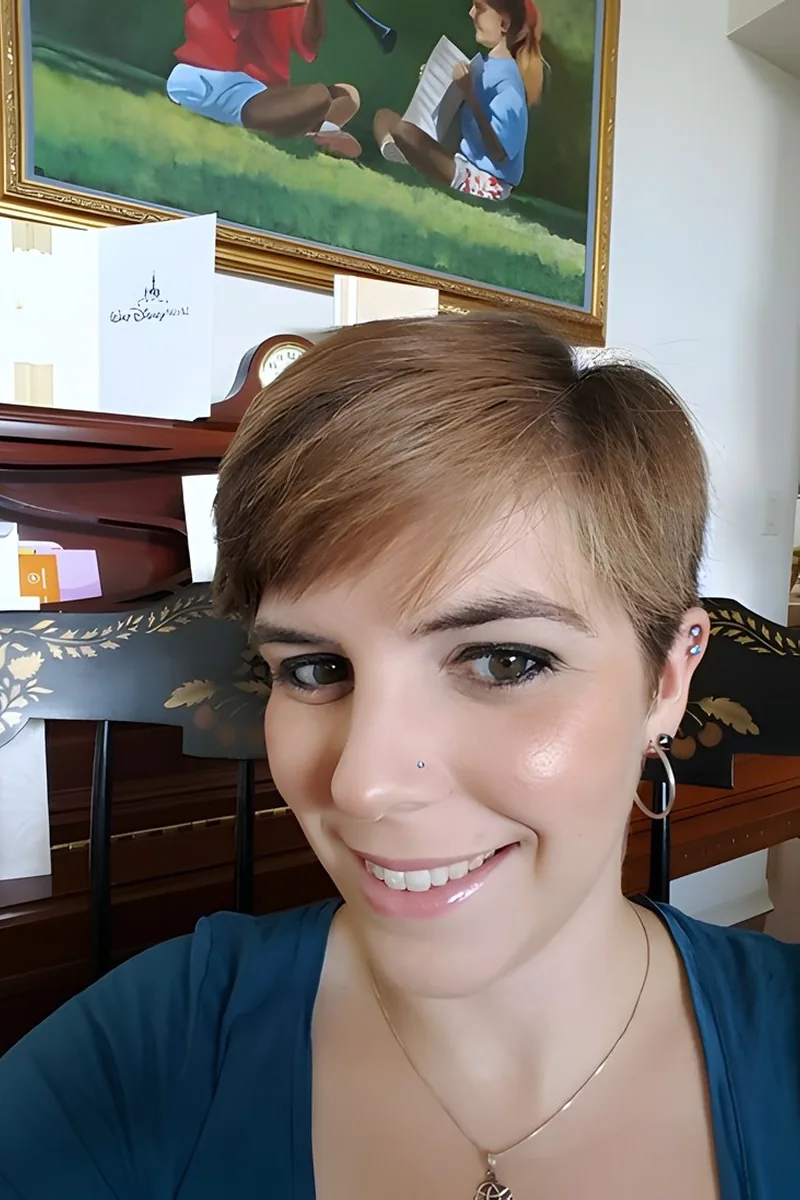
AP English Literature asks students to do what Toni does professionally: analyze poetry, prose, and drama with precision and write about it persuasively under pressure. As a college English professor with expertise spanning medieval, British, and comparative literature, she teaches students to build arguments around literary devices like free indirect discourse, enjambment, and unreliable narration — the kind of specificity that earns 8s and 9s on the essays.

AP Lit asks students to do something genuinely difficult: read a poem or prose passage cold and build a convincing argument about how it works in under 40 minutes. Jack's theatre training at Northwestern gave him a performer's instinct for close reading — he knows how tone shifts, imagery, and structural choices create meaning because he's had to inhabit texts from the inside. He teaches students to move from noticing literary devices to actually arguing what those devices accomplish.
AP English Literature asks students to do something most haven't been trained for: write a polished literary argument under time pressure about a poem or passage they've never seen. Maddy wrote an honors thesis on art criticism at Harvard and spent years analyzing fiction, poetry, and Shakespeare — she teaches the close-reading instincts and essay structures that earn high scores on the free-response section.
AP Lit asks students to do something most of their English classes haven't prepared them for: build an original interpretive argument about a poem or passage they've never seen before, in 40 minutes. Amanda's dual background in psychology and literary study gives her a distinctive angle on close reading — she teaches students to track how a character's interiority or a narrator's tone functions as evidence for a thesis. That analytical precision is what earns 7s, 8s, and 9s on the free-response questions.
AP Lit asks students to do something most haven't practiced — write analytically about how a poem's structure or a novel's narrative technique creates meaning, not just summarize plot. As a Yale humanities student and avid reader, Tessa digs into the close-reading skills that earn high marks on the poetry free-response and the open-ended essay. She's particularly sharp on teaching students to move from observation ('there's a metaphor here') to argument ('here's what it does and why it matters').
AP English Literature asks students to do in a timed essay what Alex has spent years training to do at the doctoral level: construct an argument about a literary text using precise evidence and sophisticated analysis. He digs into the specific skills the exam rewards — reading poetry for structure and figurative language, writing thesis-driven essays under pressure, and choosing the right passage for the open-ended prompt. His PhD research in English means students are learning from someone who lives inside these texts.
AP Lit's free-response questions reward students who can do more than summarize — they need to build an argument about how literary devices create meaning within a passage. Max teaches students to dissect prose and poetry prompts by identifying tone shifts, narrative structure, and figurative language, then weaving those observations into a cohesive thesis. His background teaching both history and English in a Boston high school means he's coached students through the exact pressure of timed analytical writing.
AP Lit essays live or die on how well a student can connect a specific literary device to a work's larger meaning — not just identify a metaphor, but explain what it's doing. Sophia, an award-winning creative writer with a Vanderbilt humanities background, teaches students to build that kind of argument under timed conditions, whether they're tackling a poetry analysis or an open-ended prompt. Her own writing practice gives her a sharp eye for the difference between summary and genuine literary analysis.
Studying English Language and Literature at the University of Chicago means Davis spends his days doing exactly what the AP Lit exam tests — building interpretive arguments about how writers use language to create meaning, then defending those arguments with precise textual evidence. He brings that daily practice to teaching students how to read a poem or passage for its deeper mechanics rather than just its surface narrative. His comfort with both canonical and contemporary literature gives him range across the full-work essay question, where choosing the right novel and framing a sharp thesis makes all the difference.
AP English Lit asks students to do something genuinely difficult: write a persuasive literary argument under timed conditions about a poem or passage they've never seen before. Paula's approach digs into close reading techniques — tracking imagery patterns, shifts in tone, narrative perspective — so that students walk into the exam knowing how to generate an original thesis on the spot. Her background in both Psychology and Communication Studies sharpens the way she unpacks character motivation and authorial intent.
Close reading is the backbone of AP Lit, and Elena's graduate training in art history taught her to analyze visual and written texts with the same forensic attention to detail. She teaches students to unpack poetic structure, narrative voice, and figurative language in ways that translate directly into high-scoring free-response essays. Her approach treats each passage like an artifact worth investigating, not just a prompt to answer.
AP Lit asks students to do something genuinely difficult: read a poem or passage they've never seen before and build an analytical argument about it under time pressure. Sydny approaches each essay prompt by teaching students to identify literary devices — imagery, tone shifts, narrative structure — and convert those observations into a thesis that actually says something specific.
Testimonials
Because the right AP English Literature and Composition tutor makes all the difference.
Average Session Rating – Based on 3.4M Learner Ratings
Practice AP English Literature and Composition
Free practice tests, flashcards, and AI tutoring for AP English Literature and Composition
Nearby AP English Literature and Composition Tutors
Other Springfield Tutors
Related English Tutors in Springfield
Frequently Asked Questions
Varsity Tutors matches Springfield students with expert AP English Literature and Composition tutors for 1-on-1 instruction. We pair each student with a tutor based on their specific needs, learning style, and goals.
Whether you need homework help, exam prep, or want to get ahead, our AP English Literature and Composition tutors are ready to help.
Common challenges include gaps from earlier material, difficulty with specific concepts, and trouble applying learning to new problems. These issues can snowball quickly in AP English Literature and Composition.
A tutor identifies where you're stuck, fills in gaps, and provides targeted practice. The 1-on-1 format means you get help exactly where you need it.
Tutors work with your student's actual coursework—homework assignments, class notes, and upcoming tests. This keeps tutoring directly relevant to what's happening in the classroom.
When you share information about your student's school and curriculum, we can match you with a tutor who has relevant experience.
All tutors complete background checks, credential verification, and teaching evaluation. Many of our AP English Literature and Composition tutors hold advanced degrees or have years of teaching experience.
You can review tutor profiles to find someone with the right background for your student's level and needs.
Many students see improved grades within a few weeks, along with better understanding of AP English Literature and Composition concepts and more confidence tackling challenging material.
Tutors track progress and adjust their approach to ensure continued improvement.
Most students benefit from 1-2 sessions per week. More frequent sessions help if your student is significantly behind or has an important exam coming up.
Your tutor can recommend a schedule based on your student's specific situation and goals.
Tutoring is purchased in packages of hours, with rates varying by tutor experience. Varsity Tutors offers several options to fit different budgets and needs.
You can discuss pricing during your consultation to find what works best.
Your tutor will assess where your student is, discuss goals, and start working on priority areas. Most students bring current homework or upcoming test material to focus on.
By the end, you'll have a clear sense of how the tutor can help and a plan for moving forward.
Let’s find your perfect tutor
Answer a few quick questions. We’ll recommend the right plan and match you with a top 5% tutor.