Award-Winning AP Music Theory
Tutors
AP Music Theory
Tutors
Private 1-on-1 tutoring, weekly live classes for academic support, test prep & enrichment, practice tests and diagnostics, and more to elevate grades and test scores.
Based on 3.4M Learner Ratings
UniversitiesSchools & Universities
DeliveredHours Delivered
ProficiencyGrowth in Proficiency
Who needs tutoring?
No obligation. Takes ~1 minute.
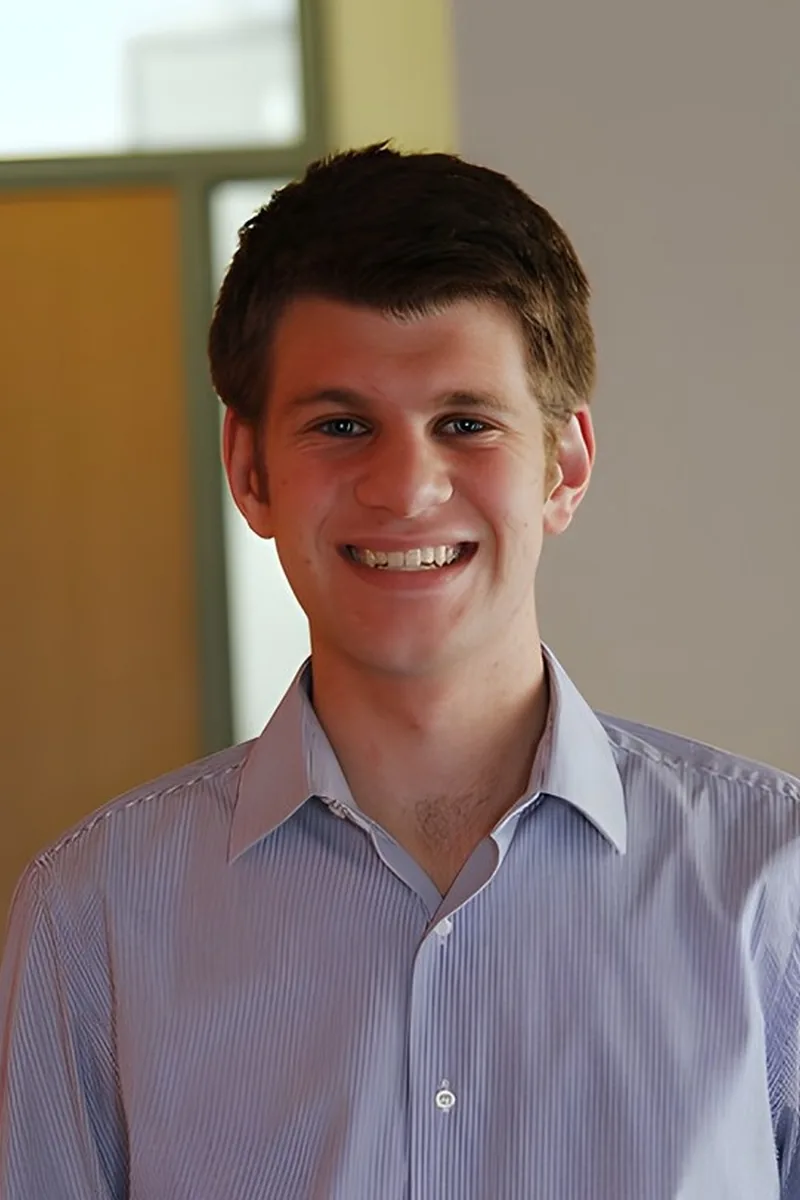
Playing bass guitar and upright bass gave Kevin a musician's ear for harmony, voice leading, and chord function — exactly the skills AP Music Theory tests through its aural and written sections. He approaches topics like figured bass realization, part-writing rules, and sight-singing with the practical instinct of someone who's internalized these patterns through performance, not just notation drills.
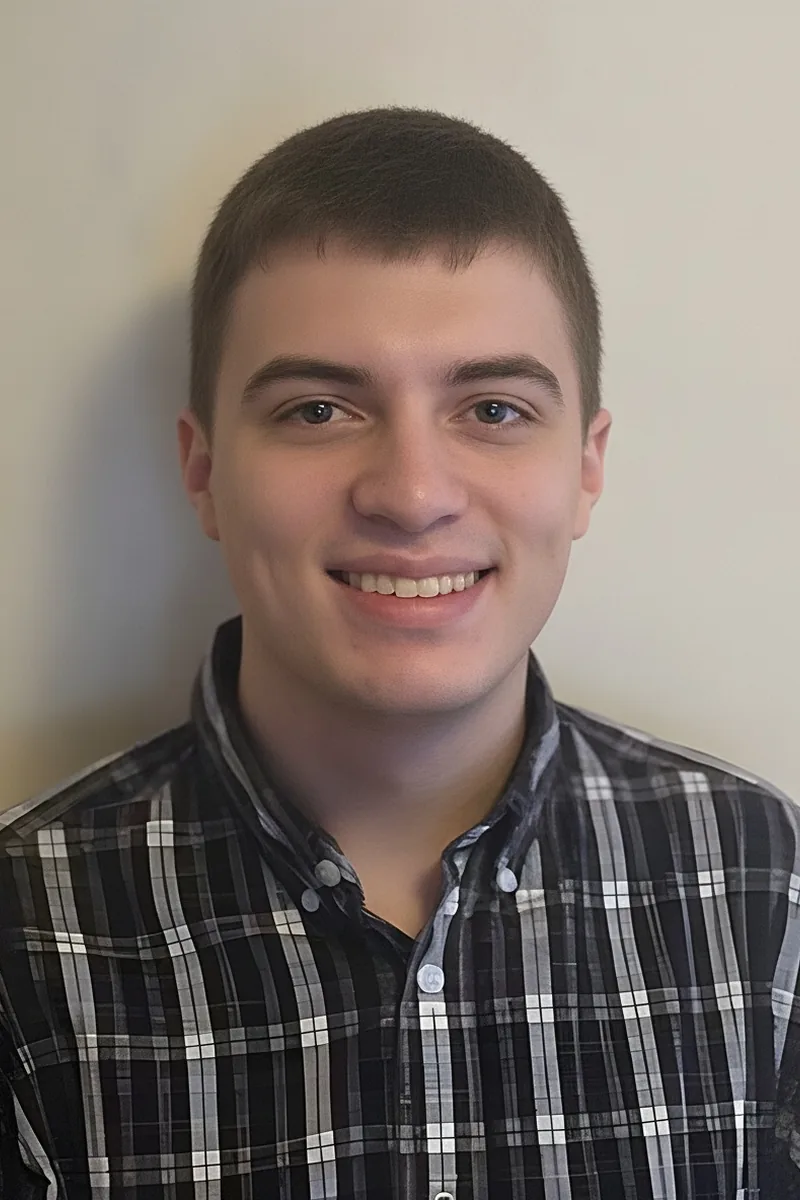
Tom's PhD in American Studies might not scream music theory, but his academic training in American History & Literature includes deep engagement with cultural production — and music sits right at the center of that. He's strongest as an analytical thinker who can break down the logic of Roman numeral analysis and part-writing rules, though students needing heavy aural dictation or sight-singing prep may want a tutor with formal performance training.
Joseph's background is in biology and public health rather than music, so he's not the strongest match for students deep into four-part voice leading or aural dictation prep. That said, his structured, analytical approach to learning — honed through science coursework at UCLA and Yale — can offer some support for the more rule-based elements of theory like interval identification and chord structure. Students aiming for a high AP score would likely benefit most from a tutor with formal music training.
Training as a violinist at Juilliard means Vivian lives inside music theory every day — part-writing, harmonic analysis, sight-singing, and aural dictation are part of her daily practice, not just exam topics. She unpacks concepts like secondary dominants, modulation, and species counterpoint with the fluency of someone who uses them in performance and composition. Her 36 ACT also signals the analytical precision she brings to the exam's written and listening sections.
As a violinist with a background in both music theory and composition, Naomi understands AP Music Theory from the performer's side — hearing intervals, recognizing chord progressions, and internalizing rhythm before translating them onto paper. She digs into the exam's trickiest areas, like part-writing rules, Roman numeral analysis, and sight-singing preparation, connecting each concept to how music actually sounds. Rated 5.0 by students.
Charles holds a degree in Music Theory and Composition — meaning the harmonic analysis, part-writing, and compositional techniques on the AP exam aren't abstract concepts he learned secondhand but the core of his formal training. He also teaches drum, piano, conducting, and arrangement, giving him the cross-instrumental fluency that makes aural dictation and sight-singing exercises click. Rated 5.0 by students.
Psychology research is essentially pattern recognition — identifying structures beneath surface-level noise — and Martha applies that same analytical lens to AP Music Theory concepts like harmonic progressions, non-chord tones, and Roman numeral analysis. Her 5.0 rating suggests she's effective at making the logical framework behind theory click, even without a conservatory pedigree. Students who need heavy aural dictation or sight-singing coaching may want to pair her sessions with a performance-trained tutor.
Penn's music program required Katherine to work through the full theory sequence — four-part voice leading, figured bass, harmonic dictation — alongside her economics coursework, giving her formal training in exactly what the AP exam covers. As a pianist, she grounds abstract concepts like secondary dominants and modulations in what's happening at the keyboard, which makes the written and aural sections reinforce each other.
Andrew's training is in molecular biology, literature, and law — not music — so he wouldn't be the right match for the aural dictation, part-writing, and harmonic analysis at the heart of AP Music Theory. Students preparing for this exam should seek a tutor with formal music education or performance experience.
A Bachelor of Music in Jazz Studies from Oberlin plus graduate-level musicology at Wesleyan and Harvard means Sarah lives in the world AP Music Theory covers — four-part voice leading, harmonic analysis, sight-singing, and dictation are tools she uses daily. She's especially strong at connecting aural skills to written analysis, which is where most students struggle on the free-response section of the exam.
A Cornell-trained musician and violinist, Moriah brings genuine fluency to AP Music Theory topics like four-part voice leading, harmonic analysis, and sight-singing. She unpacks the connection between what students hear and what they see on the page, which is exactly where the AP exam's aural skills section tends to trip people up. Her teaching background means she can translate abstract concepts like secondary dominants and modulation into language that actually sticks.
Avram's physics training sharpened his ear for the mathematical patterns underlying music — intervals as frequency ratios, overtone series, temperament — which gives him an unusual angle on the analytical side of AP Music Theory. As a vocalist and beatboxer, he also brings real aural experience to sight-singing and dictation exercises, connecting the numbers on the page to sounds he produces daily.
Music theory isn't listed among Tessa's core subjects — her strengths are in mathematics, history, and standardized test prep — so she wouldn't be the strongest fit for the aural dictation, part-writing, and harmonic analysis that drive the AP Music Theory exam. Students preparing for this test should look for a tutor with formal music training or performance experience.
A BFA in Vocal Performance from Carnegie Mellon means Sydney didn't just study music theory in a classroom — she lived it in practice rooms, rehearsals, and juries where sight-singing and harmonic analysis were daily demands. Her training in composition and part-writing through a rigorous conservatory program translates directly to the skills the AP exam tests, from melodic dictation to free-response voice leading. Rated 4.9 by students, she brings a performer's intuition to what can otherwise feel like a dry, rule-heavy course.
Cognitive science trains you to think about how the brain processes patterns — which turns out to be surprisingly useful when tackling AP Music Theory's interval recognition, chord progression analysis, and aural dictation exercises. Zachary applies that analytical framework to the logical structure underneath harmony and voice leading, breaking down why certain progressions resolve the way they do. Rated 4.8 by students.
Molly holds a bachelor's degree in Music Theory and Composition and is currently earning a Master's in Conducting at Juilliard, which means she lives inside the material AP Music Theory covers — four-part voice leading, figured bass, sight-singing, and harmonic analysis. She unpacks tricky concepts like secondary dominants and augmented-sixth chords by connecting them to actual pieces students can hear, making the written exam and aural skills sections feel like two sides of the same coin.
While music theory isn't Rithi's core area, her strength in pattern recognition and mathematical structure — honed through competition math and advanced calculus — applies directly to intervals, chord progressions, and rhythmic analysis. She approaches theory as a logical system, which can be especially helpful for students who think analytically but struggle with traditional music instruction.
Sacred Music at the graduate level means Sarah spent years dissecting chorale harmonizations, counterpoint, and liturgical composition — skills that map directly onto AP Music Theory's part-writing and harmonic analysis questions. Her organ and piano training grounds abstract concepts like voice leading and figured bass in the physical experience of playing them, which makes free-response and aural sections more intuitive. Rated 4.8 by students.
As both a violinist and pianist, Cynthia brings hands-on musicianship to AP Music Theory concepts like four-part voice leading, sight-singing, and harmonic dictation. Playing multiple instruments means she can demonstrate how chord progressions and intervals actually sound in practice, not just on paper. Rated 5.0 by students.
Sofia is pursuing her music degree at Yale, where she arranges a cappella pieces that demand fluency in four-part voice leading, figured bass, and harmonic analysis — the exact skills AP Music Theory tests. She walks students through aural dictation and free-response questions with the ear of someone who composes and arranges daily.
Hailey's double major in mathematics and psychology gives her an unusual angle on AP Music Theory — she's wired to see the structural patterns in chord progressions and voice leading rules the way a mathematician spots proofs, and she understands how memory and perception shape aural dictation performance. She's upfront that she doesn't come from a conservatory background, so students needing heavy sight-singing or performance-based ear training may want a tutor with formal music credentials.
Ear training, part-writing, and harmonic analysis come naturally to someone who lives inside music every day as a voice and opera major at Carnegie Mellon. Jacob breaks down AP Music Theory's trickiest areas — like figured bass realization and sight-singing — by connecting them to real repertoire rather than abstract exercises. Rated 4.6 by students.
Part-writing rules, figured bass, harmonic dictation, sight-singing — AP Music Theory covers an enormous range of skills in a single exam. Jordan brings real-world experience with Pro Tools, Logic Pro, and composition to the table, which means he can connect abstract concepts like secondary dominants and Neapolitan chords to how they actually sound and function in music students already know.
Studying both mathematics and music at Yale with a 4.0 GPA, Rishi brings an unusual dual fluency to the AP exam — he can explain why a secondary dominant resolves the way it does with the same rigor he'd apply to a proof. His piano and musicianship coursework means concepts like four-part voice leading and harmonic dictation come from hands-on training, not just textbook rules. Rated 5.0 by students.
Songwriting, arrangement, and recording give Roel a composer's perspective on the theory concepts the AP exam covers — he understands how Roman numeral analysis and voice leading function because he uses them to build actual music. His applied math degree also means he's unusually comfortable with the pattern-recognition side of the course, from interval identification to analyzing modulations and non-chord tones.
Between handbells, choir, piano, band, and percussion, Delaney has lived AP Music Theory concepts across multiple instruments and ensembles. She unpacks topics like four-part voice leading, figured bass, and aural dictation by connecting the written rules to how they actually sound in performance — which makes the exam's listening and free-response sections far less intimidating.
Max's years at the piano give him the kind of intuitive ear that AP Music Theory rewards — he doesn't just identify intervals and chord progressions on paper, he hears them. He tackles Roman numeral analysis and part-writing by grounding each rule in how it sounds at the keyboard, which makes the exam's aural dictation and free-response sections feel like extensions of playing rather than abstract exercises.
Having studied at Juilliard Pre-College for violin and composition, Julia brings real musicianship to AP Music Theory — not just textbook knowledge. She unpacks four-part voice leading, figured bass, and harmonic dictation by connecting written rules to how music actually sounds, which makes aural skills sections far less intimidating. Her ear training background is especially useful for students who freeze during sight-singing and melodic dictation.
I am a musician, educator, and philosopher based in New Haven, Connecticut. I studied at UCLA graduating Cum Laude with degrees in Music Performance, Education, and Philosophy. I have been tutoring private music lessons and academic subjects for over 5 years now, and I work as a substitute teacher across Connecticut. My favorite subjects to tutor are Music, English, and Reading/Writing Skills, but I am capable of tutoring various Historical subjects, Math, and Science as well.
Physics and music theory share more DNA than most people realize: both demand pattern recognition across layered systems. Michael digs into four-part voice leading, figured bass realization, and aural dictation, connecting interval relationships and harmonic progressions to the underlying acoustic principles that make them intuitive rather than arbitrary.
Stephen's training is in psychology and education at Yale, not music — so he wouldn't be the right fit for the aural dictation, part-writing, and harmonic analysis that define the AP Music Theory exam. Students preparing for this test should look for a tutor with formal music education or performance experience.
Heather holds a bachelor's degree in music and brings that formal training directly to AP Music Theory prep. She digs into part-writing rules, sight-singing, harmonic analysis, and aural identification — the specific skills the exam tests — while connecting them to the larger question of why chords resolve and melodies work the way they do.
Between piano, drums, and composition, Ritik brings real musicianship to AP Music Theory — not just textbook knowledge. He digs into four-part voice leading, Roman numeral analysis, and aural skills like melodic dictation, connecting each concept back to how music actually sounds rather than treating it as abstract notation on a page.
A master's in Music Education means Danny didn't just study theory — he studied how to teach it, from four-part voice leading and figured bass to sight-singing and harmonic dictation. His vocal training gives him a singer's instinct for melodic dictation exercises, and his education background means he knows how to break down tricky concepts like secondary dominants and modulations into steps that actually build understanding.
Brittany plays both guitar and viola, which means she's internalized theory concepts like intervals, key signatures, and chord voicing across two very different instruments — one fretted, one bowed. That dual perspective is genuinely useful for AP Music Theory, where students need to move fluidly between written analysis and aural recognition. Her biology-heavy academic background is less directly relevant, but her 4.9 rating suggests she knows how to break down complex material clearly.
A Music Education degree means Kate didn't just study theory in the abstract — she learned how to teach it, breaking down concepts like voice leading, Roman numeral analysis, and figured bass so they land with students at different levels. That pedagogical training is especially valuable for AP Music Theory, where students need to connect written analysis to what they're hearing in dictation and sight-singing exercises. Rated 4.9 by students.
Cory's degree is in physics, not music, and AP Music Theory demands specialized skills — aural dictation, four-part voice leading, harmonic analysis — that fall outside his training. Students preparing for this exam should look for a tutor with formal music education or performance background.
Having earned a degree in Music from Wesleyan, Jacob brings formal training in harmony, counterpoint, and aural skills to AP Music Theory prep. He digs into the details that trip students up on the exam — part-writing rules, figured bass realization, and melodic dictation — with the kind of fluency that only comes from years of serious music study.
Eunice's background is in biology and computer science, not music — so she'd be an unusual pick for AP Music Theory. Students preparing for the exam's aural dictation, part-writing, and harmonic analysis sections would be better served by a tutor with direct music training, though her analytical mindset could offer some support for the more pattern-driven, rule-based elements of the course.
Jordan holds a Bachelor of Music in Jazz Studies from Michigan State, which means AP Music Theory concepts like four-part voice leading, figured bass, and harmonic analysis are second nature to him. He digs into the ear-training component especially well, connecting what students hear to what they see on the page so that dictation and sight-singing exercises stop feeling like guesswork.
Testimonials
Because the right AP Music Theory tutor makes all the difference.
Average Session Rating – Based on 3.4M Learner Ratings
Top 20 Music Subjects


Top 20 Subjects
Frequently Asked Questions
Students typically find voice leading and four-part chorale writing most challenging, as these require simultaneous understanding of harmonic function, counterpoint rules, and practical voice ranges. Harmonic analysis—particularly identifying pivot chords, secondary dominants, and modulation techniques—also trips up many students because it demands both theoretical knowledge and ear training. The listening/aural skills section presents another major hurdle, as students must quickly identify intervals, chord qualities, cadences, and melodic dictation under timed conditions without visual reference.
Ear training accounts for a significant portion of the AP exam (roughly 40% of your score), making it as critical as written theory. A tutor can develop a systematic listening practice routine tailored to your weaknesses—whether that's distinguishing chord inversions, identifying modulations by ear, or transcribing melodic lines accurately. Regular, focused ear training with immediate feedback helps rewire your listening skills much faster than solo practice, and tutors can explain the acoustic and harmonic reasons *why* certain intervals or chords sound the way they do.
Voice leading demands balancing multiple competing rules—avoiding parallel fifths and octaves, maintaining smooth voice movement, respecting range limits, and achieving harmonic clarity—all while keeping the progression musically coherent. Many students memorize the rules but struggle to apply them creatively. Expert tutors teach voice leading by analyzing real musical examples (Bach chorales, classical compositions), showing how composers bend or break rules intentionally, and having you write progressively complex progressions with detailed feedback on each voice's independence and smoothness.
Take full-length practice tests under timed conditions to build pacing skills, then review every single answer—correct and incorrect—to understand *why* each response works. Focus heavily on the listening section first, since ear training improves gradually and requires consistent exposure; written theory skills can develop faster with targeted practice. A tutor can help you analyze patterns in your mistakes (e.g., consistently misidentifying secondary dominants, or rushing through voice-leading questions) and design a study schedule that addresses weak areas before test day rather than spreading effort equally across all topics.
Improvement depends heavily on your starting point and consistency. Students who begin with weak fundamentals (struggling with basic intervals, chord construction, or ear training) often see 2–4 point gains (on the 1–5 scale) over 3–4 months of regular tutoring and practice. Those already scoring 3–4 may gain 1–2 points by refining advanced skills like complex harmonic analysis and improving aural precision under pressure. The key is consistent weekly tutoring combined with daily ear training practice and regular full-length practice tests—tutors can guide this process, but the work between sessions is what drives real improvement.
Look for tutors with strong music theory credentials (formal training, performance background, or music education experience) who can explain concepts clearly at multiple levels—from foundational interval recognition to advanced harmonic analysis. They should have hands-on experience with AP exam format and scoring, access to authentic released exams and sample responses, and the ability to teach both written theory and ear training effectively. Ideally, they'll use music notation software, provide recorded examples for ear training, and give detailed written feedback on your compositions and analyses rather than just marking answers right or wrong.
Start by taking a diagnostic practice test and analyzing results by category: harmonic analysis, voice leading, ear training (intervals, chords, dictation), and melodic writing. A tutor can help you pinpoint whether your struggles are conceptual (not understanding secondary dominants) or execution-based (understanding the concept but making careless errors under time pressure). Once weak areas are identified, create a targeted study plan: spend 2–3 weeks drilling that specific skill with progressively harder examples, take mini-quizzes to track improvement, and then retest on full practice exams to confirm growth before moving to the next challenge.
The exam has three sections: listening (about 40 minutes for 4 parts), harmonic analysis (about 40 minutes), and free-response composition/analysis (about 40 minutes). Most students should spend the first 5–10 minutes on listening carefully, as you hear each excerpt only twice and can't go back. For harmonic analysis, allocate roughly 8–10 minutes per passage depending on complexity, leaving time to review. Free-response requires planning: spend 2–3 minutes outlining your voice-leading or composition strategy before writing, then 25–30 minutes executing. A tutor can help you practice this pacing with timed sections and full exams, identifying where you typically lose time and building speed without sacrificing accuracy.
Let’s find your perfect tutor
Answer a few quick questions. We’ll recommend the right plan and match you with a top 5% tutor.