Award-Winning AP Research
Tutors
AP Research
Tutors
Private 1-on-1 tutoring, weekly live classes for academic support, test prep & enrichment, practice tests and diagnostics, and more to elevate grades and test scores.
Based on 3.4M Learner Ratings
UniversitiesSchools & Universities
DeliveredHours Delivered
ProficiencyGrowth in Proficiency
Who needs tutoring?
No obligation. Takes ~1 minute.

A strong AP Research paper demands more than a good topic — it requires a defensible methodology, a genuine literature review, and an argument that holds up under oral defense. Brian's experience designing research at the doctoral level in Technology & Information Management means he can walk students through every stage, from refining a research question to structuring an academic paper that reads like real scholarship.
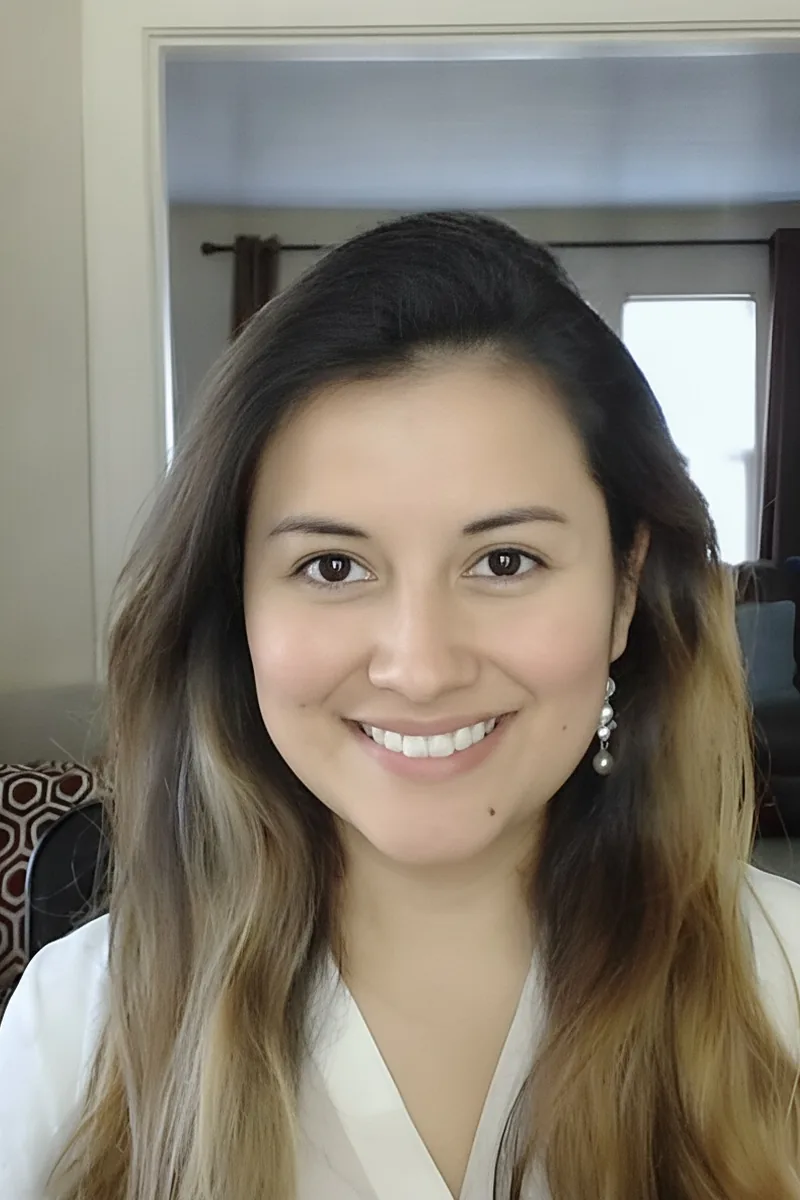
Between her Harvard teaching fellowship in political philosophy and her time as a visiting researcher at Cambridge, Vanessa has run the full research cycle — scoping a question, building an argument from primary sources, and defending it before academics who push back hard. She brings that experience to AP Research students tackling the literature review and methodology sections, where knowing how to synthesize scholarly sources into an original argument (not just a summary) makes the difference between a passing paper and a standout one. Rated 5.0 by students.
Todd's Master of Social Work required him to evaluate research methodologies, synthesize academic literature, and build evidence-based arguments — the exact skills AP Research compresses into a single high school course. His biology undergraduate training adds a second lens, making him especially useful for students whose research projects cross into scientific or public health territory. Rated 5.0 by students.
Maxwell's own research at Yale — studying gene expression changes in planarian stem cells — mirrors exactly what AP Research asks students to do: design an original inquiry, navigate academic literature, and defend a methodology. He knows firsthand how to narrow a broad question into a testable thesis and how to write a research paper that holds up under peer review.
Studying neurobiology at Penn means Emily reads, critiques, and synthesizes primary research literature every week — the same core skill AP Research compresses into a single high school course. She's especially strong at coaching students through the transition from summarizing sources to building an original, evidence-based argument, and her science background makes her a natural fit for students whose projects touch biology, behavior, or health. Rated 5.0 by students.
Building a peer-to-peer tutoring program and developing standardized test curricula from scratch taught Noel how to scope a project, synthesize existing resources, and present a coherent argument for why it should exist — skills that map directly onto AP Research's demand for original academic inquiry. His public policy training at the University of Chicago sharpened his ability to construct evidence-based written arguments and navigate dense scholarly sources. That combination of hands-on program design and academic writing chops (rated 4.9 by students) makes the jump from broad topic to defensible research question feel far less daunting.
The AP Research course asks students to do something most won't encounter until college: design an original academic inquiry from scratch, complete with a literature review and a 5,000-word paper. Peter approaches the process the way a journalist tackles a long-form investigation — narrowing the question, vetting sources, and building a narrative from evidence. His education background also means he can demystify the academic paper format so students spend less time confused by structure and more time developing their argument.
Policy analysis training is built around exactly what AP Research demands — framing a question, pulling evidence from multiple sources, and constructing a written argument that survives scrutiny. Dylan's undergraduate work in Policy Analysis and Management means he can walk students through building a literature review that synthesizes rather than summarizes, and through structuring a methodology section grounded in real analytical reasoning. His experience across economics, environmental science, and academic writing gives him range when students need subject-matter feedback alongside research design support.
A psychology major at Duke, Santiago knows firsthand how to dig through academic literature, evaluate study designs, and build an argument that holds up — skills that map directly onto the AP Research paper and oral defense. His bilingual background in English and Spanish also means he can coach students whose source material crosses languages, a genuine advantage for projects in social science or cultural studies. He's especially sharp at the early-stage work of narrowing a broad curiosity into a research question tight enough to actually investigate.
Having completed both a neuroscience degree and a master's in biotechnology, Rithi knows firsthand what it takes to design a research question, conduct a literature review, and defend findings to a critical audience. She walks AP Research students through each stage of the academic paper — from narrowing a thesis to structuring methodology sections that reviewers actually trust.
A PhD in neuroscience means Elliot has lived the entire research arc AP Research tries to compress into one year — formulating a question, designing a methodology, synthesizing literature, and defending findings before a committee that doesn't pull punches. His cognitive science background gives him particular strength coaching students whose projects touch behavioral data, human development, or anything requiring statistical analysis. Rated 5.0 by students.
A Ph.D. in Computer Science from Princeton means Firas has lived every stage of the research cycle — formulating a novel question, designing a methodology, defending findings before a committee that won't accept hand-waving. He brings that experience directly to AP Research students, especially those tackling data-driven or computational projects where choosing the right analytical framework can make or break the paper. Rated 5.0 by students.
Completing an honors thesis in neuroscience at Vanderbilt — from designing the study to defending it before a faculty panel — gave Hailey firsthand experience with every stage AP Research demands. She walks students through narrowing a research question, building a literature review, and structuring an academic paper that holds up under methodological scrutiny. Rated 5.0 by students.
The AP Research paper is essentially a college-level independent study, and most high schoolers have never designed a research question, conducted a literature review, or defended a methodology before. Hailey breaks each stage of the Academic Paper into manageable pieces, from narrowing a viable topic to structuring an argument that holds up under the oral defense. Her English background means she can sharpen both the research logic and the prose itself.
Designing a year-long research project from scratch can feel overwhelming, from narrowing a question to defending a methodology. Theresa tackles AP Research by drawing on her own experience conducting computational biology research at MIT, walking students through literature reviews, data analysis, and the academic paper structure that earns top scores on the final submission.
Film and media studies training sharpens a skill most AP Research students underestimate — constructing an argument around cultural texts and qualitative evidence where there's no single right answer. Varun applies that analytical lens to help students craft research questions in humanities and social science territory, then build literature reviews that do genuine interpretive work. His 1580 SAT and government background add range for students whose projects involve policy analysis or data-driven argumentation.
Law school trains you to do exactly what AP Research requires — sift through dense source material, build an airtight argument, and defend it when someone pushes back. Alissa's J.D. and her success on the LSAT mean she can teach students how to construct a literature review that actually argues rather than summarizes, and how to prepare for the oral defense with the precision of a legal brief. Her political science background is a bonus for students tackling policy or governance topics.
The AP Research course asks students to design and execute an original academic investigation, which can feel overwhelming without a clear process. Christopher's training in cellular and molecular biology at Johns Hopkins means he's familiar with the full research cycle — forming a question, reviewing literature, choosing methods, and defending conclusions. He teaches students to narrow their research question early and structure their paper so the argument builds logically from evidence.
The hardest part of AP Research isn't finding a topic — it's narrowing it into a defensible research question and sustaining a year-long investigation around it. Nathan's dual History and Neuroscience coursework at Rice means he's tackled research methods across both the humanities and sciences, and he walks students through literature reviews, methodology design, and the academic paper structure that earns top scores.
Hello! My name is Hazel, and I'm a rising sophomore at Yale University majoring in Psychology while pursuing certificates in Spanish and Education Studies. I know firsthand that the college application process can feel confusing, overwhelming, and stressful, and I'm here to help make it more manageable. As a recent high school graduate and a Student Ambassador for Yale Admissions, I have an in-depth understanding of the admissions process and what makes an application stand out. Because I was in your shoes not long ago, I know how challenging it can be to tell your story in a way that feels both authentic and compelling. I've worked with students on brainstorming, drafting, and refining their college application essays, and students I've mentored have gone on to earn admission to universities including Yale, Harvard, Princeton, Northwestern, and many other highly selective schools. While every admissions decision depends on a variety of factors, my goal is always to help students present the strongest, most genuine version of themselves. Whether you need help brainstorming essay ideas, polishing your writing, devising extracurricular activities descriptions, building a college list, or preparing for an interview, I'm committed to providing personalized support every step of the way. I'd love to help you tell your story with confidence and create an application you're proud to submit.
Three years teaching middle school Language Arts — including breaking down reading prompts, building written arguments, and coaching students through Florida's state assessment — gave Conor a practical toolkit for the writing-intensive demands of AP Research. His anthropology degree from UCLA adds a layer most tutors can't offer: training in ethnographic methods, cultural analysis, and synthesizing qualitative sources into original arguments. That combination is especially useful for students whose research projects lean into social science, humanities, or cross-cultural topics.
I am also interested in tutoring college students preparing for the GRE general test. For test preparation, I assign a decent amount of homework each week and I spend the majority of my sessions going over the questions my students answer incorrectly.
The leap from AP Seminar to AP Research is the leap from guided analysis to independent inquiry, and most students struggle with scoping a viable research question. Lila's experience designing her own political science research at Rice — including navigating literature reviews and methodology choices — means she can coach students through the Academic Paper and Presentation without letting the open-ended format become overwhelming.
The AP Research paper is essentially a college thesis compressed into a high school timeline, and most students underestimate how much structure the methodology section alone requires. Arianna, a Dartmouth graduate with a neuroscience research background, teaches students to design a viable study, navigate IRB-style ethical considerations, and write literature reviews that actually synthesize rather than summarize. She's also coached students into top university acceptances, so she understands the broader stakes of producing strong academic work.
Lucia's dual training in anthropology and history at Northwestern means she spent years doing exactly what AP Research demands — mining primary sources, constructing original arguments, and defending them in academic settings where "I think" isn't enough without evidence. Her anthropology fieldwork methods translate especially well for students designing qualitative or mixed-methods projects, where knowing how to justify your research design matters as much as the findings themselves. She also brings sharp editing instincts to the written paper and oral defense prep.
Cross-border business consulting means Jing spends her professional life doing what AP Research demands of students — investigating unfamiliar territory, synthesizing sources across languages and disciplines, and building arguments that hold up when stakeholders push back. Her published articles in Mandarin-language newspapers and magazines demonstrate firsthand experience navigating the full writing cycle from research question through final publication, which she brings to students drafting their academic papers and preparing oral defenses. Rated 5.0 by students.
The AP Research course asks students to design an original study, navigate peer-reviewed literature, and defend their methodology — skills most high schoolers have never practiced. Rosemary completed graduate-level research in her neuroscience and occupational therapy programs, so she can walk students through everything from formulating a viable research question to structuring an academic argument. She's particularly sharp on the literature review process and IRB-style ethical considerations.
Tolu's degree in History and Philosophy of Science and Technology is essentially a degree in how knowledge gets constructed — who asks which questions, what counts as evidence, and how arguments evolve across disciplines. That training maps directly onto AP Research, where she unpacks the process of building an original scholarly argument from literature review through methodology to oral defense. Rated 5.0 by students.
The individual research project in AP Research is essentially a miniature thesis — students need to identify a gap in existing scholarship, design a methodology, and defend their conclusions. Vianna has been through this process herself at the graduate level in social sciences and knows how to keep students on track from the initial literature review through the final presentation and oral defense.
Having completed a doctoral dissertation in mechanical engineering, Ellyn knows the full arc of a research project — from formulating a defensible question to designing methodology to presenting findings under scrutiny. She teaches AP Research students how to structure their academic papers and prepare for the oral defense with the rigor a college-level review board expects.
Adel's PhD in Mechanical Engineering means he's defended original research at the highest academic level — scoping a novel question, designing a rigorous methodology, and surviving a committee defense where every claim gets challenged. He brings that firsthand experience to AP Research students, particularly those whose projects involve quantitative methods, data analysis, or engineering-adjacent topics where knowing how to structure an argument around numerical evidence is critical. Rated 4.8 by students.
The hardest part of AP Research isn't the content — it's designing a genuine inquiry question and sustaining a 5,000-word academic paper around it. Alex brings a philosopher's precision to the research process, teaching students how to construct a literature review, identify methodological gaps, and defend their conclusions. His background in both creative and academic writing keeps the drafting process structured without becoming mechanical.
The individual research paper in AP Research demands the kind of methodical problem-solving that comes naturally to an aerospace engineering student at Georgia Tech. Satvik walks students through scoping a viable research question, designing a sound methodology, and writing up findings in a way that satisfies the AP rubric's emphasis on evidence, analysis, and reflection.
Zarrin's neuroscience training at Mount Holyoke meant designing studies around human behavior — operationalizing fuzzy concepts into measurable variables, reviewing literature across psychology and biology, and defending conclusions to faculty who expected rigor. That process mirrors AP Research almost exactly, and her dual background in child development and philosophy gives her a rare ability to coach students on both empirical and argument-driven projects. Rated 4.9 by students.
An occupational therapy master's degree from Tufts required Emily to design research proposals, evaluate clinical evidence, and defend methodology choices — skills that map directly onto the AP Research paper and oral defense. Her psychology undergraduate work adds depth for students whose projects explore behavior, cognition, or health-related topics, where knowing how to frame a measurable research question separates strong papers from vague ones.
Graduate economics training at Georgia Tech meant Dana spent years doing exactly what AP Research condenses into one course — isolating a defensible research question, reviewing academic literature, selecting an appropriate methodology, and writing arguments that survive faculty scrutiny. Her quantitative background is particularly useful for students whose projects involve statistical analysis or economic reasoning, where knowing how to frame data as evidence (not just numbers) separates strong papers from mediocre ones. Rated 4.8 by students.
The AP Research paper is essentially a college-level thesis, and most high schoolers have never designed an original study or written a 5,000-word academic argument before. Benjamin's neuroscience research experience at Emory means he understands the full arc — from formulating a viable research question to conducting a literature review to defending methodology. He tackles each stage systematically, making sure students understand not just what to write but why each section exists.
Kelley's public health science coursework at the University of Maryland means she's constantly evaluating studies — picking apart sample designs, assessing whether conclusions actually follow from the data, and synthesizing findings across sources with competing results. That's the exact analytical workflow AP Research demands, and her math minor sharpens the quantitative side for students whose projects involve statistical methods or data interpretation.
I am very interested in a career in the medical field, so I am apart of some pre-medical organizations. I really enjoy playing all different sports, from soccer to volleyball to tennis.
Writing a book on online political discourse means Nathan is actively doing what AP Research asks students to do — developing an original question, synthesizing sources into a coherent argument, and defending claims that hold up to scrutiny. His computer science degree adds a methodological edge for students whose projects involve data collection or digital analysis, and his years with educational development organizations like ALCA sharpened his ability to coach others through the messy middle stages of long-form academic work.
Testimonials
Because the right AP Research tutor makes all the difference.
Average Session Rating – Based on 3.4M Learner Ratings
Top 20 Other Subjects


Top 20 Subjects
Frequently Asked Questions
AP Research students typically struggle most with the research design phase—formulating a defensible research question, selecting appropriate methodologies, and managing the scope of their inquiry project. Many students also find it challenging to collect and analyze qualitative or quantitative data effectively, especially when their chosen topic requires primary research. Additionally, synthesizing findings into a coherent argument that addresses limitations and implications requires a level of critical thinking that goes beyond typical AP exams, which can feel overwhelming without structured guidance.
A strong AP Research tutor understands research methodology across disciplines—whether your project involves surveys, experiments, textual analysis, or case studies—and can help you design a feasible study within the AP framework. They should be experienced with the AP Research rubric's emphasis on inquiry, evidence, and reasoning, and able to give targeted feedback on your research proposal, methodology section, and final report. It's also valuable if they've guided students through the poster presentation and oral defense components, since those require translating complex research into clear, compelling communication.
A tutor can help you narrow a broad interest into a specific, testable research question that's appropriate for the AP Research scope and timeline. They'll work with you to identify which research methods (quantitative, qualitative, or mixed) best fit your question, help you anticipate practical constraints like access to participants or data, and ensure your design is defensible and ethical. This upfront work prevents you from getting stuck midway through data collection or realizing your scope is unmanageable.
Many students underestimate the rigor expected in analyzing their findings. A tutor can help you select appropriate analysis techniques (statistical tests, coding schemes for qualitative data, etc.), interpret results accurately, and distinguish between what your data actually shows versus what you hoped it would show. They can also guide you in acknowledging limitations and alternative explanations—skills that significantly strengthen your report and demonstrate the critical thinking AP Research evaluators are looking for.
The poster presentation and oral defense together account for a meaningful portion of your AP Research score, and they require translating your written research into a clear, visually organized format and fielding questions about your methodology and findings. A tutor can help you design an effective poster layout, practice your oral explanation to stay within time limits, and prepare for common questions about your research choices. This practice builds confidence and ensures your presentation accurately reflects the rigor of your actual research.
AP Research requires sustained work over months, and many students struggle with pacing—spending too long on proposal development or falling behind on data collection. A tutor can help you create a realistic timeline, identify which phases are taking longer than expected, and adjust your approach before you run out of time. They can also help you prioritize which aspects of your research deserve the most effort based on the AP rubric, so you're not spinning wheels on lower-impact tasks.
Yes—while a tutor's subject expertise is valuable, what matters most for AP Research is understanding research design principles, the AP rubric, and how to help you think critically about your inquiry. A tutor can guide you through methodology and analysis even if your topic is in an unfamiliar field, though pairing with someone who has some background in your area (social science, STEM, humanities, etc.) can be especially helpful for understanding discipline-specific conventions and research standards.
AP Research scores depend heavily on the quality and rigor of your actual research project, not just test-taking strategy. Tutoring helps you design a stronger study, analyze data more carefully, and present findings more persuasively—all of which directly impact your score. Students who work with a tutor typically produce more defensible research questions, more thorough analyses, and more compelling final reports, which translates to higher scores on the inquiry, evidence, and reasoning dimensions of the rubric.
Let’s find your perfect tutor
Answer a few quick questions. We’ll recommend the right plan and match you with a top 5% tutor.