Award-Winning High School Computer Science
Tutors
High School Computer Science
Tutors
Private 1-on-1 tutoring, weekly live classes for academic support, test prep & enrichment, practice tests and diagnostics, and more to elevate grades and test scores.
Based on 3.4M Learner Ratings
UniversitiesSchools & Universities
DeliveredHours Delivered
ProficiencyGrowth in Proficiency
Who needs tutoring?
No obligation. Takes ~1 minute.
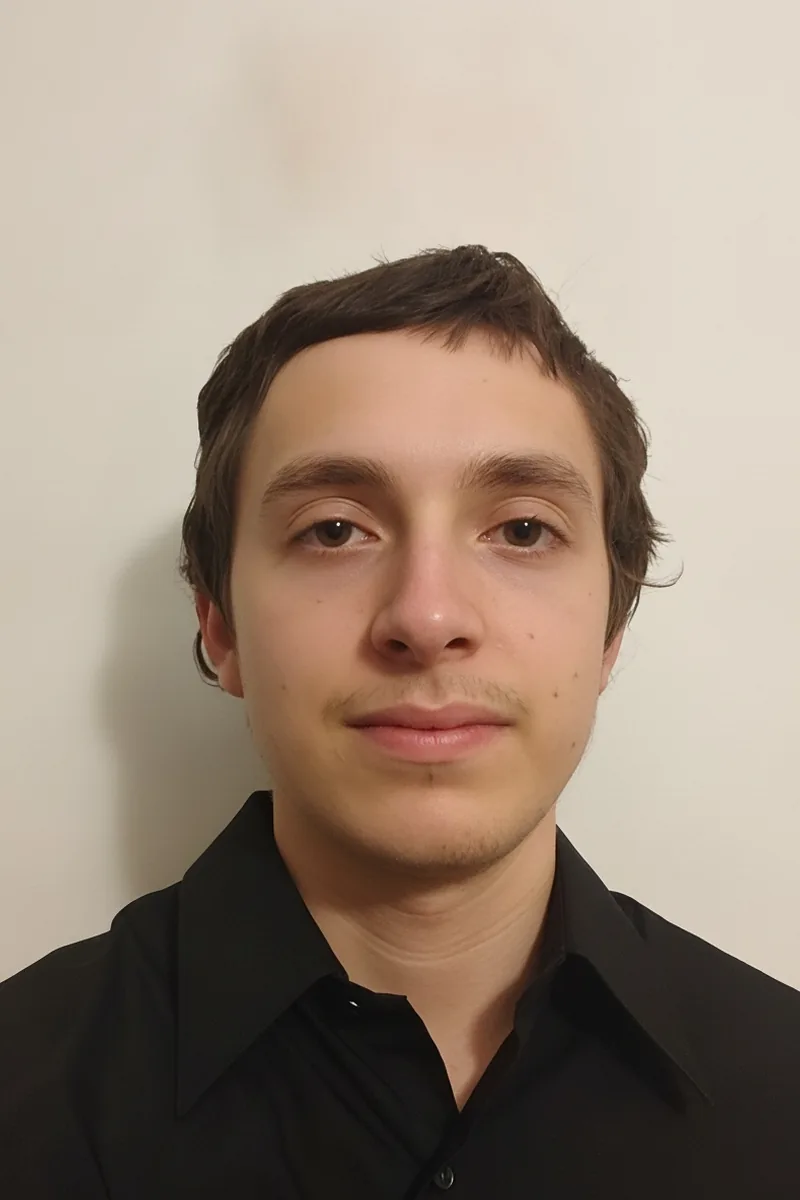
Getting comfortable with loops, conditionals, and functions early makes every future CS course easier — and Justin explains these building blocks by tying them to problems students can visualize, like simulating physics or processing data. His background spans physics, applied math, and programming, so he can show high schoolers why the code they're writing actually matters beyond the assignment.
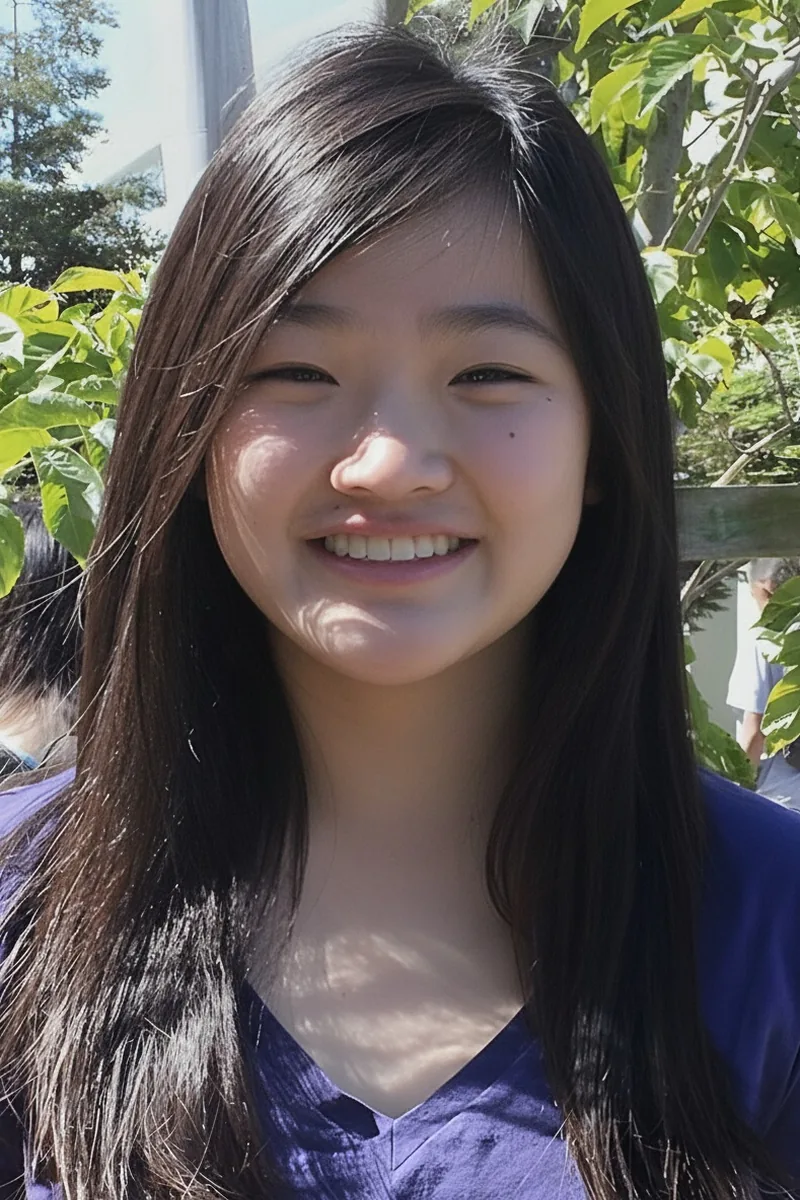
Philosophy trains you to break complex arguments into precise logical steps — which turns out to be exactly what high school CS demands when students hit Boolean logic, nested conditionals, and algorithm design. Julie applies that structured reasoning to programming concepts, teaching students to think through what their code should do before they start typing. Her statistics and machine learning certificate at Princeton means she's no stranger to writing and debugging code herself.
That first real CS course can feel overwhelming when you're simultaneously learning to think algorithmically and wrestle with syntax errors. Kevin takes topics like loops, arrays, sorting algorithms, and basic object-oriented design and ties each one to a tangible problem so the logic sticks before the code gets more complex. His 5.0 rating speaks to how well that approach lands with students.
Between AP Computer Science A prep and general programming fundamentals, Clive covers the full scope of what high school CS courses demand — from writing clean loops and conditionals to understanding recursion and sorting algorithms. He codes in multiple languages and adapts explanations to whatever environment a student's class uses. His approach is to build each concept through small, testable programs so students can see results immediately.
AP Computer Science and introductory programming courses often trip students up at the same points — loop logic, array manipulation, and understanding how methods pass data around. Michael's UCLA computer science background means he can trace through code line by line and show exactly where a student's reasoning diverges from what the machine actually does. That debugging-oriented approach builds real problem-solving instincts.
For students encountering loops, conditionals, and arrays for the first time, the leap from "I followed the example" to "I can solve a new problem" is the hardest part. Anna bridges that gap by teaching structured problem decomposition — breaking a coding challenge into smaller logical steps before writing a single line. Her background spans multiple programming languages, so she adapts explanations to whatever language the course uses.
Robotics competitions and hackathons have given June a hands-on fluency with programming that translates directly to high school CS topics like loops, conditionals, data structures, and algorithm design. As an electrical engineering student at Brown, she writes code that has to actually run on hardware — so she's used to debugging methodically and explaining why a program behaves the way it does.
Getting through high school CS often means wrestling with your first real programming concepts — loops, conditionals, arrays, recursion — without much intuition for why they work. Florence, a Duke CS major and three-time teaching assistant, unpacks these ideas by connecting abstract logic to tangible examples, building the kind of problem-solving instincts that carry into AP Computer Science and beyond.
That first encounter with loops, conditionals, and functions can feel overwhelming when everything is new vocabulary. Allison breaks programming logic into small, testable pieces — write three lines, run them, see what happens — so students build intuition for debugging and problem decomposition before projects get complex. Rated 4.9 by students.
A lot of high school CS courses move fast from basic loops and conditionals into AP-level topics like recursion and array manipulation. Rhamy breaks each concept into small, buildable steps — writing actual programs rather than just reading pseudocode — so the logic sticks before the syntax piles up.
As experienced and passionated educator with a Bachelor's degree in Computer Science from Rice University, I am passionate about empowering students to achieve their academic goals. With over 3 years of tutoring experience in subjects such as AP Computer Science A, Machine Learning, and SAT Math, I adapt to different learning styles and create a supportive learning environment. My teaching philosophy centers on personalized instruction, where I connect with each student to understand their unique learning styles and challenges. I take pride in guiding students through the complexities of computer science and college application essays, equipping them with the skills they need for future success. Outside of tutoring, I enjoy exploring new technologies and engaging in coding projects to improve my teaching approach.
The jump from writing your first loop to actually thinking like a programmer is where most high schoolers get stuck — and it's exactly where Brice thrives. He breaks down concepts like conditionals, arrays, and basic algorithm design by connecting them to projects students actually want to build. His CS coursework at MIT keeps him sharp on both fundamentals and where the field is heading.
Starting to code can feel overwhelming when a course throws variables, loops, conditionals, and functions at you all at once. William simplifies the learning curve by connecting each concept to a tangible problem — like using a for-loop to simulate a chemical reaction over time — so the syntax has a reason to stick. He scored a 5 on the AP Computer Science exam and brings a patient, step-by-step teaching style rated 4.8 by students.
A Princeton postdoctoral researcher in machine learning, Firas brings PhD-level computer science depth to high school topics that often get taught superficially — things like how recursion actually works under the hood, or why an O(n²) sort matters even in an intro course. He teaches Python, Java, and JavaScript across his tutoring practice, so he can match whatever language a student's class uses and still keep the focus on the conceptual reasoning underneath. Rated 5.0 by students.
Starting out in computer science can feel overwhelming when every assignment introduces new vocabulary — variables, loops, conditionals, functions — all at once. Evan slows that down by building each concept through small, working programs students write themselves, so they see exactly what each line of code does before moving on. His experience teaching across C, C++, and Java means he can match explanations to whatever language the course uses.
For students taking their first CS class, the jump from following along in lecture to writing code independently can feel enormous. Eric bridges that gap by teaching debugging as a skill in its own right — reading error messages, tracing through logic line by line, and isolating where things break. His own path into computer science started with treating problems like puzzles, and that mindset makes introductory topics like loops, conditionals, and arrays far less intimidating.
For students encountering loops, conditionals, and arrays for the first time, the leap from "I typed the code" to "I understand why it works" can be steep. Jonathan bridges that gap by walking through each concept with concrete examples and building up to small projects that make the logic tangible. His CS coursework at Cornell keeps him sharp on the fundamentals that matter most at the high school level.
High school CS often feels like a grab bag — a little bit of logic, some intro programming, maybe AP CSA exam prep — and students need someone who can tie it all together. David's computer science degree and experience teaching undergraduates mean he can break down loops, conditionals, and basic data structures in a way that builds genuine computational thinking, not just syntax memorization.
High school CS courses often jump from basic print statements to complex topics like arrays, sorting algorithms, and object-oriented design without enough scaffolding in between. Ryan bridges those gaps by connecting each new concept to code students can actually run and modify themselves. His experience with Java, Python, and AP Computer Science A means he can match his explanations to whatever language or curriculum a student is working in.
High school CS is where students decide whether programming feels like a chore or a superpower — and the difference usually comes down to how loops, conditionals, and data structures are first introduced. Brandon holds a BS in Computer Science and is finishing his MS at RIT with a focus on AI and machine learning, so he connects introductory concepts to real applications students actually find interesting. Rated 4.9 by students.
First-year CS courses often overwhelm students not because the concepts are impossibly hard, but because loops, conditionals, and functions all land at once with little time to absorb each one. Joel slows that down — he walks through each concept with concrete examples and small coding challenges that build real understanding before the assignments pile up. He's studying CS and physics at Cornell, so the material is fresh.
Learning to code for the first time can feel like learning a foreign language where every typo crashes the conversation. John, who pivoted from law into software engineering to build his own startup, remembers exactly what it's like to struggle with loops, conditionals, and arrays as a beginner. He teaches the reasoning behind each concept so students can debug their own thinking, not just their syntax.
High school CS can feel overwhelming when you're seeing loops, conditionals, and data structures for the first time — Milo breaks each concept down using real coding examples rather than abstract diagrams. He earned his bachelor's in computer science from UMass Amherst and spent three years tutoring in the university's tutoring center, so he knows exactly where beginners get stuck. Rated 5.0 by students.
The jump from writing simple programs to thinking computationally — understanding loops, conditionals, and how data flows through a function — is where most high school CS students get stuck. Ethan teaches these building blocks in Java and Python, tying abstract logic to concrete outputs so the reasoning clicks before the syntax piles up.
That first encounter with loops, conditionals, and functions can feel overwhelming — but it clicks once someone explains the logic underneath the syntax. Thomas is pursuing a Computer Science degree at Carleton and walks students through programming fundamentals by connecting each concept to a concrete problem they can solve and test themselves.
I'm trying to work on personal projects. I really enjoy snowboarding, and have been doing that since the third grade. I also enjoy playing sports and video games.
That first encounter with loops, conditionals, and arrays can feel overwhelming — but it's really an exercise in precise logical thinking. Calin studied both mathematics and computer science formally, so he connects programming concepts to the kind of step-by-step reasoning students already use in algebra and geometry. He's especially effective at making abstract ideas like functions and scope concrete through hands-on coding examples.
High school CS often moves fast from basic loops and conditionals to more abstract concepts like arrays, functions, and object-oriented design. Cody minored in computer science at Penn and tutored fellow students in the subject for three years, so he knows exactly where the common stumbling blocks are. He builds understanding by connecting each new concept to something concrete the student already knows.
High school CS often throws students into loops, conditionals, and arrays before they've developed the mental model to reason through what code is doing step by step. Elizabeth walks through each concept by having students trace execution by hand first, then write their own implementations. Her math background also makes her especially effective at untangling the logic behind Boolean expressions and nested control flow.
High school CS courses often jump quickly from basic syntax to projects involving loops, arrays, and object-oriented design — and that's where students get lost. Jeff breaks down each programming concept into its logical components, showing how a for-loop actually iterates or why a function needs a return statement, so the code starts making sense instead of feeling like memorized spells.
High school CS often feels like it's caught between "learn to code" and actual computer science — sorting algorithms, Boolean logic, basic data structures. Daniel bridges that gap by connecting introductory programming concepts to the real engineering decisions he makes as a working developer. His applied math background also means he can reinforce the mathematical reasoning that underpins CS.
High school CS courses often move fast from basic control flow to more complex topics like arrays, sorting algorithms, and introductory object-oriented programming. Noah's computer science degree from Duke means he can explain why a for-loop works the way it does, not just show the syntax. He adjusts his explanations based on whether a student thinks visually, logically, or learns best by building small projects.
High school CS courses often jump between block-based logic, basic programming, and conceptual topics like binary and networking without much connective tissue. John ties those pieces together by showing how each concept feeds into real software — an approach that makes AP-level material and IB coursework feel less scattered. His CS degree means he can go as deep as a student needs.
Most high school CS courses move fast — one week it's loops and conditionals, the next it's arrays and sorting algorithms. Andrew slows down at exactly the spots where students get lost, connecting each new concept back to something concrete so the logic builds instead of piling up. His background covers the full introductory CS curriculum and beyond.
Kashish's engineering coursework at Brown means she writes and debugs code regularly, which gives her a practical lens for teaching high school CS topics like variables, control flow, and basic algorithmic thinking. Her experience leading SAT prep classes also sharpened her ability to break down unfamiliar problems into logical steps — exactly the skill students need when they're staring at a blank editor wondering where to start. Rated 5.0 by students.
High school CS often covers a grab bag of topics — basic data types, conditionals, loops, maybe some introductory object-oriented programming — without always connecting them into a bigger picture. Diego bridges that gap by showing how each concept feeds into the next, drawing on his own path from high school coding to studying CS and cybersecurity at NYU Courant.
The jump from "I can make a program run" to "I understand why it runs" is where most high school CS students get stuck — especially around loops, arrays, and conditional logic. Eric bridges that gap by connecting each concept to tangible examples, drawing on the same foundational thinking he uses daily in Cornell's CS program.
That first real programming class can feel overwhelming when you're staring at a screen full of syntax errors with no idea where to start debugging. Kevin breaks down foundational concepts like loops, conditionals, and arrays with enough detail that students learn to read their own code critically. His patience with beginners stands out — he'd rather over-explain than leave a gap.
For students just encountering loops, conditionals, and basic data types for the first time, the leap from "I followed the example" to "I can solve a new problem" is the hardest part. Susie bridges that gap by walking through the logic behind each line of code rather than just showing the finished product. She's a CS major at Duke who remembers exactly where beginners get stuck.
The jump from writing code that runs to understanding *why* it runs — Big-O notation, boolean logic, basic data structures — is the real challenge in high school CS. Dibyendu breaks these ideas down using concrete examples in Python and Java, connecting each concept to problems students can actually visualize. His background in teaching university-level courses means he knows exactly which fundamentals matter most before college.
Testimonials
Because the right High School Computer Science tutor makes all the difference.
Average Session Rating – Based on 3.4M Learner Ratings
Top 20 Technology and Coding Subjects


Top 20 Subjects
Frequently Asked Questions
Debugging requires a systematic mindset that many students haven't developed yet—they often guess at fixes rather than methodically isolating the problem. A tutor teaches debugging strategies like using print statements effectively, reading error messages carefully, and breaking code into testable chunks. With guided practice, students learn to think like detectives, tracing through their logic step-by-step instead of panicking when something breaks.
Syntax is the grammar of a language (correct bracket placement, variable naming), while logic is the problem-solving approach (how to structure an algorithm to solve a problem). Students often get stuck because they focus too much on syntax rules and not enough on algorithmic thinking. A tutor helps separate these skills, teaching you to design solutions first, then translate them into correct code—rather than writing code and hoping it works.
Data structures are abstract concepts that are hard to visualize without hands-on exploration. Tutors use visualization tools, live coding, and real-world examples (like how a hash table speeds up lookups) to make these concepts concrete. Building small projects that require choosing the right data structure—like a contact list app or a word frequency counter—helps students understand not just what data structures are, but when and why to use them.
Homework often focuses on isolated problems, while projects require integrating multiple concepts—combining loops, conditionals, functions, and data structures into something that actually works. Tutors guide you through the full development process: planning the project, writing modular code, testing components, and debugging when things break. This mirrors real software development and builds confidence in tackling larger problems.
Web development emphasizes HTML/CSS, JavaScript, and databases; game development focuses on graphics, physics engines, and real-time problem-solving; data science requires statistics, Python, and working with large datasets. A tutor can help you explore which path aligns with your interests and strengths, then tailor practice toward relevant skills. Even if you're unsure, building strong fundamentals in logic and problem-solving transfers across all paths.
Code review teaches you to read and critique code for clarity, efficiency, and correctness—skills that professional developers use daily but high school courses often skip. Tutors review your code, pointing out where logic is unclear, where you're repeating yourself, or where a different approach would be more efficient. This feedback loop accelerates learning far faster than just submitting assignments and getting a grade.
Algorithmic thinking means breaking complex problems into smaller, solvable steps—a skill that doesn't come naturally to most students. Tutors teach frameworks like pseudocoding (writing your solution in plain language first), drawing flowcharts, and thinking through edge cases before you write a single line of code. With practice on problems of increasing difficulty, you develop intuition for recognizing patterns and choosing efficient approaches.
Common errors include off-by-one errors in loops, forgetting to initialize variables, confusing assignment (=) with comparison (==), and not understanding variable scope. Rather than just correcting mistakes, tutors help you understand why these errors happen and how to prevent them. By recognizing error patterns early, you build habits that prevent mistakes in the first place—like always thinking about boundary conditions or testing with multiple inputs.
Let’s find your perfect tutor
Answer a few quick questions. We’ll recommend the right plan and match you with a top 5% tutor.