Award-Winning CLEP Analyzing and Interpreting Literature
Tutors
CLEP Analyzing and Interpreting Literature
Tutors
Private 1-on-1 tutoring, weekly live classes for academic support, test prep & enrichment, practice tests and diagnostics, and more to elevate grades and test scores.
Based on 3.4M Learner Ratings
UniversitiesSchools & Universities
DeliveredHours Delivered
ProficiencyGrowth in Proficiency
Who needs tutoring?
No obligation. Takes ~1 minute.
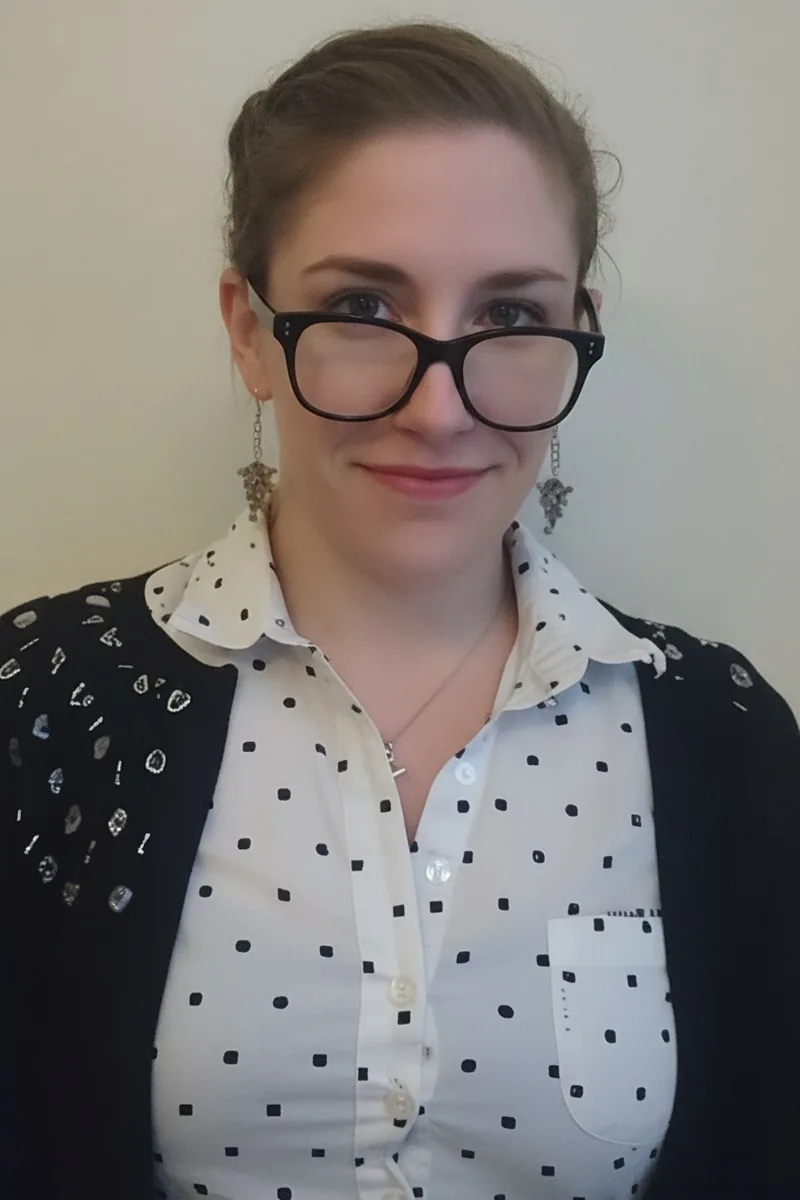
The CLEP Analyzing and Interpreting Literature exam asks students to do exactly what Stephanie trained to do across two degrees: read a poem, short story, or dramatic excerpt and identify its literary devices, tone, and structural choices under timed conditions. She unpacks concepts like meter, unreliable narration, and figurative language in ways that make the multiple-choice format far less intimidating.

Analyzing and Interpreting Literature on the CLEP means confronting unfamiliar poems, stories, and drama excerpts and quickly identifying tone, figurative language, and narrative technique. Andrew approaches each passage like a close-reading exercise — teaching students to decode metaphor, track shifts in point of view, and distinguish between what a text says and what it implies. His literature degree makes this kind of textual analysis second nature.
Interpreting a poem by Dickinson and analyzing a passage from Conrad require different lenses, and this exam expects students to switch between them quickly. Peter breaks down literary devices — tone, figurative language, narrative structure — so students can accurately read unfamiliar texts under timed conditions. His English Education master's keeps his approach grounded in how people actually learn to read critically, not just what they should know.
This CLEP exam asks students to do close reading under pressure — identifying tone, figurative language, and narrative structure in passages they've never seen before. Sydney's approach is to build those analytical instincts through repeated practice with poetry, drama, and prose excerpts, teaching students to spot devices like irony and allegory quickly. She brings a decade of tutoring experience in literature and writing to each session.
Analyzing and Interpreting Literature for CLEP requires students to do close reading under pressure: identifying tone, figurative language, narrative point of view, and structural choices across poetry, prose, and drama. Varun unpacks passages by teaching students to ask targeted questions — who's speaking, what's the shift, where's the tension — rather than reading passively and hoping the answers emerge. His media studies training sharpened exactly this kind of textual analysis.
The CLEP Analyzing and Interpreting Literature exam throws poetry, prose, and drama passages at students with no author names attached — it's pure close-reading under pressure. Samantha tackles this by teaching students to identify tone, figurative language, and narrative structure before even looking at the answer choices. Two months of teaching English in Thailand sharpened her ability to explain literary concepts to people encountering them for the first time.
The CLEP Analyzing and Interpreting Literature exam tests close-reading skills across poetry, drama, and prose — identifying meter, parsing figurative language, and recognizing narrative techniques under time pressure. Caroline's philosophy training at Fordham sharpened her ability to unpack dense texts line by line, and she applies that same precision to literary analysis.
Analyzing and Interpreting Literature on the CLEP is essentially a timed close-reading marathon — poetry, prose, and drama passages paired with questions about tone, figurative language, and narrative structure. Ariana's classroom experience teaching literature at the secondary level gives her a practical toolkit for breaking down unfamiliar texts quickly. She zeroes in on how to identify literary devices under pressure and eliminate answer choices that sound right but misread the passage.
Analyzing and Interpreting Literature on the CLEP requires close reading across poetry, drama, and prose — identifying things like unreliable narrators, shifts in tone, and how meter reinforces meaning in a poem. Arianna's background in writing and her lifelong reading habit give her a sharp eye for the textual details this exam tests, and she teaches students to annotate strategically rather than skim.
This CLEP exam isn't really about remembering plots — it's about reading a passage cold and identifying literary devices, narrative perspective, tone shifts, and thematic arguments under time pressure. Nicole's English degree trained her in exactly this kind of close reading, from parsing meter in a sonnet to unpacking unreliable narration in prose fiction. She teaches students a systematic annotation method that turns each passage into a map of the author's choices.
Interpreting literature on a timed exam means quickly recognizing devices like irony, meter, and unreliable narration — then articulating what they accomplish in a given passage. Jennifer's English studies gave her deep practice with close reading across poetry, drama, and fiction, and she teaches students to approach unfamiliar texts with a systematic method for identifying tone, structure, and figurative language.
Analyzing and Interpreting Literature on the CLEP requires more than recognizing plot — it tests whether students can identify tone shifts, narrative point of view, figurative language, and genre conventions across poetry, prose, and drama. Courtney teaches students to read passages like a close-reading exercise, zeroing in on the specific literary devices the exam actually asks about. Her 5.0 rating speaks to how well that targeted approach translates to scores.
Picking apart an unfamiliar poem or prose passage under time pressure requires a specific set of moves: identifying tone, tracking shifts, recognizing figurative language, and connecting form to meaning. Frank's English degree trained him in exactly this kind of close reading, and he walks students through a repeatable process for analyzing literary devices like irony, allegory, and symbolism that the CLEP Analyzing and Interpreting Literature exam tests heavily.
The CLEP Analyzing and Interpreting Literature exam tests whether students can do what Lauren does every day in her doctoral program: identify meter in a poem, trace symbolism in a short story, and distinguish an unreliable narrator from an omniscient one — all without prior familiarity with the specific texts. She walks students through the toolkit of literary analysis — figurative language, narrative structure, tone — so they can tackle any unseen passage with confidence.
Analyzing and interpreting literature on a timed exam means quickly identifying tone, figurative language, and narrative structure across poetry, drama, and prose you've never seen before. Naomi's English degree trained her to do exactly that — close-read unfamiliar passages and build defensible interpretations under pressure. She breaks down each CLEP question type so students know what the exam is actually testing.
This CLEP exam tests whether you can actually read like a literary critic — identifying figurative language, narrative point of view, and thematic development across poetry, prose, and drama. As a Creative Writing major who reads and writes everything from poetry to screenplays, Alexandra unpacks literary devices from the writer's side, which makes recognizing them on the test far more intuitive.
The CLEP Analyzing and Interpreting Literature exam throws poetry, drama, and prose at you from centuries of English-language writing — and expects you to identify tone, figurative language, and narrative structure under time pressure. Jennifer breaks down each passage type with specific strategies for scanning verse form, tracking shifts in speaker perspective, and eliminating wrong answers on inference questions. Rated 4.9 by students, she draws on her own deep reading and writing background to make literary analysis feel intuitive rather than intimidating.
The CLEP Analyzing and Interpreting Literature exam rewards close reading — the ability to dissect tone, figurative language, and narrative structure in a passage you've never seen before. Michelle applies the same careful analytical thinking she honed in scientific research to teach students how to pull apart prose and poetry systematically, so no question feels like guesswork.
Analyzing and interpreting literature on the CLEP requires more than recognizing literary devices — it demands explaining how metaphor, narrative structure, and point of view create meaning within a specific passage. Izaac's creative writing training means he doesn't just identify techniques; he explains why an author chose them and what effect they produce. That deeper understanding is exactly what turns a borderline score into a passing one.
The CLEP Analyzing and Interpreting Literature exam expects students to cold-read poetry, drama, and prose and immediately identify tone, figurative language, and narrative structure — skills that take deliberate practice. As a published writer whose work has appeared in Foreign Policy Magazine and the Oxford Encyclopedia, Najla brings a practitioner's eye to close reading, teaching students to dissect how literary devices function within a passage rather than just naming them.
Analyzing and Interpreting Literature on the CLEP demands more than plot summary — it asks students to identify literary devices, trace thematic development, and compare works across genres and periods. Andrea earned her bachelor's in English Literature and digs into the specific skills the exam tests: recognizing how metaphor functions in a poem, how narrative perspective shapes a story, and how dramatic irony operates in a play.
Years of working through primary source documents as a history researcher built Nathaniel's instinct for the exact skill this exam tests — reading an unfamiliar text cold and pulling apart how its language, structure, and tone create meaning. He applies that same analytical discipline to poetry, prose, and drama passages, teaching students to trace how an author's word choices and imagery function before jumping to interpretation. Rated 4.6 by students.
Testimonials
Because the right CLEP Analyzing and Interpreting Literature tutor makes all the difference.
Average Session Rating – Based on 3.4M Learner Ratings
Top 20 Test Prep Subjects


Top 20 Subjects
Frequently Asked Questions
The CLEP exam gives you 90 minutes to answer 80 questions, which means you need to work efficiently without rushing through passages. Many students struggle with spending too much time on difficult poems or dense passages, leaving insufficient time for easier questions. A tutor can help you develop a strategic approach: skimming for main ideas first, identifying question types before reading the full passage, and practicing timed drills to build speed while maintaining accuracy. Learning which passages to tackle first (often shorter, more straightforward selections) versus which to save for later can significantly improve your overall score.
Poetry requires you to interpret figurative language, tone, imagery, and meter—often in unfamiliar or archaic works—while managing test anxiety and time pressure. Students frequently misinterpret a poem's meaning because they focus on surface-level words rather than the speaker's perspective or the poem's emotional arc. Tutors experienced with CLEP poetry help you develop a systematic approach: reading the poem twice (once for general sense, once for details), identifying the speaker and tone, marking key literary devices, and connecting these elements to answer choices. Practice with a range of poetry styles—from Romantic-era verse to contemporary work—builds the flexibility needed to handle any poem on test day.
CLEP questions often test inference—your ability to draw conclusions from textual evidence rather than relying on outside knowledge or assumptions. The challenge is that some answer choices feel true based on your general knowledge, but aren't actually supported by the passage. Tutors teach you to annotate as you read, marking direct statements versus implied meanings, and then to evaluate each answer choice by asking: "Where in the text does this idea appear?" Practice with real CLEP passages helps you recognize the difference between a reasonable inference (supported by specific words or details) and an unsupported assumption. This skill directly transfers to stronger scores on comprehension and interpretation questions.
Drama excerpts test your ability to understand character motivation, stage directions, dialogue subtext, and dramatic tension—often in just a few lines. Students frequently miss nuance because they focus only on what characters say rather than what they imply or what the stage directions reveal about their emotional state. Tutors help you read drama like a director would: tracking character relationships, noting shifts in tone or power dynamics, and understanding how dialogue reveals personality and conflict. Practicing with scenes from Shakespeare, modern plays, and lesser-known works builds your ability to quickly grasp dramatic context and answer questions about character intent, irony, and thematic meaning.
Taking full-length practice tests under timed conditions is essential—they reveal whether you struggle more with poetry, prose, drama, or specific skills like identifying tone versus tracking theme. Many students discover they consistently miss questions about figurative language or struggle with older texts, but don't realize this until they analyze their results carefully. A tutor can review your practice test performance to pinpoint patterns: Are you missing inference questions? Do you second-guess yourself on tone? Are you running out of time on certain passage types? Once your specific challenges are identified, targeted practice on those areas—whether that's close reading exercises, vocabulary in context drills, or timed poetry analysis—yields faster improvement than generic studying.
Test anxiety often manifests as overthinking answer choices, second-guessing correct instincts, or freezing on unfamiliar passages—all of which waste precious time on the CLEP. When anxious, students tend to over-analyze simple questions or abandon solid reasoning for unlikely interpretations. Tutors help build confidence through repeated exposure to exam-style questions, timed practice that normalizes the testing format, and strategies like the "first instinct rule" (sticking with your initial answer unless you spot a clear error). Developing a pre-test routine, practicing deep breathing during timed drills, and understanding that some passages are intentionally challenging (designed to test inference, not comprehension) can reduce anxiety and help you maintain focus throughout the 90-minute exam.
While the CLEP isn't a vocabulary test, understanding words in context is crucial—especially for interpreting tone, recognizing irony, and understanding figurative language in older texts. You'll encounter archaic or literary words (like "melancholy," "ardent," or "indolent") where guessing from context is often more reliable than memorizing definitions. Tutors focus on teaching you to use surrounding words, sentence structure, and passage tone to decode unfamiliar vocabulary rather than building flashcard lists. Additionally, understanding connotation versus denotation helps you recognize when an author's word choice reveals attitude or creates emotional effect—a skill that directly impacts your ability to answer questions about tone and theme accurately.
Score improvement depends on your starting point and how consistently you practice. Students who begin with strong reading comprehension but weak analysis skills often see faster gains (5-10 points) by learning to identify literary devices and support inferences with textual evidence. Those starting from a lower baseline may need more time to build foundational skills like recognizing tone and tracking theme across longer passages. Most students see meaningful improvement (10-15 points) with 6-8 weeks of focused tutoring combined with consistent practice tests—the key is identifying your specific weaknesses early and targeting them systematically rather than reviewing material broadly.
Let’s find your perfect tutor
Answer a few quick questions. We’ll recommend the right plan and match you with a top 5% tutor.