Award-Winning AP English Language and Composition Tutors
serving Colorado Springs, CO
AP English Language and Composition
Tutors in Colorado Springs
Private 1-on-1 tutoring, weekly live classes for academic support, test prep & enrichment, practice tests and diagnostics, and more to elevate grades and test scores.
Based on 3.4M Learner Ratings
UniversitiesSchools & Universities
DeliveredHours Delivered
ProficiencyGrowth in Proficiency
Who needs tutoring?
No obligation. Takes ~1 minute.

The AP Lang exam is fundamentally about argument — how writers build it, how readers detect it, and how students construct their own under a forty-minute clock. Carson unpacks rhetorical strategies like appeals, syntax choices, and shifts in tone, then coaches students to deploy those same tools in their own synthesis and argument essays. His English degree and experience with essay editing make him a natural fit for the writing-heavy demands of this course.
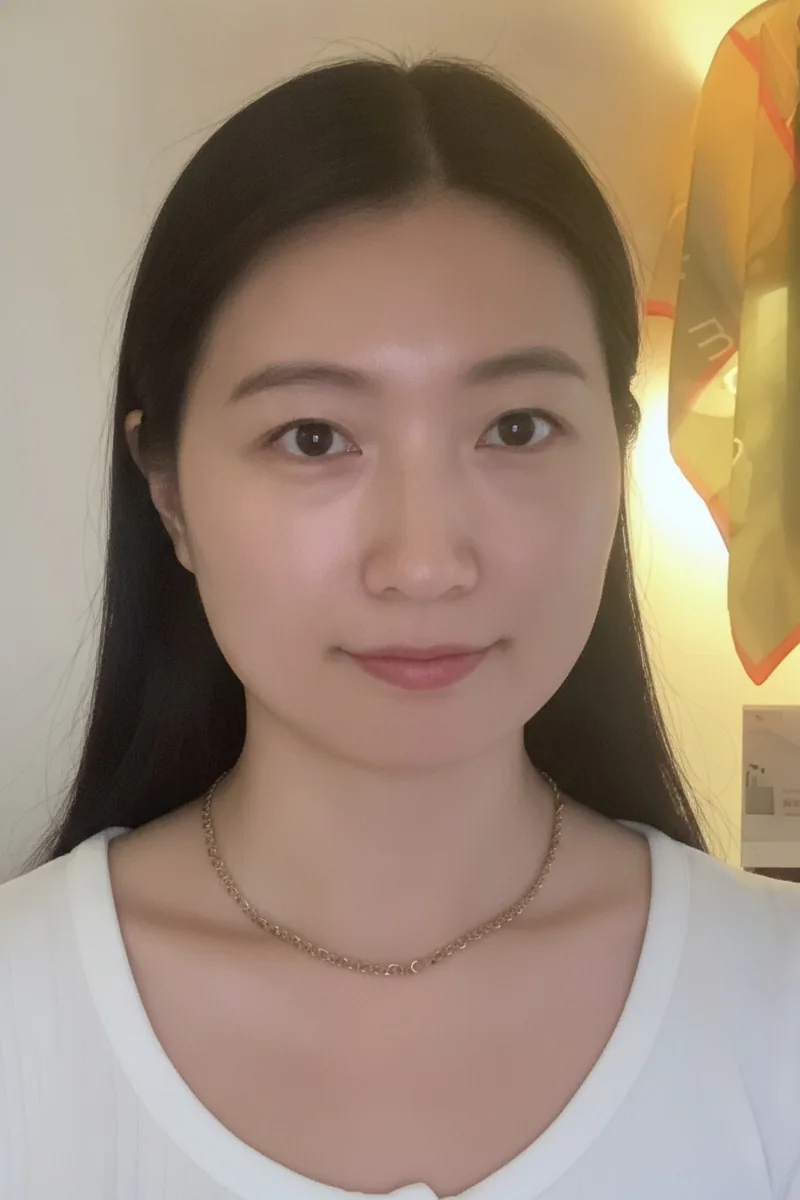
Trained in NYU's Accelerated MAT program for Secondary English, Jennifer knows the AP Lang exam inside and out — from rhetorical analysis essays to the synthesis prompt's demand for integrating multiple sources into a cohesive argument. She teaches students to identify an author's strategic choices (diction, structure, appeals) and articulate their effects with precision, which is exactly what earns high marks on the rhetorical analysis free response.
AP Lang is fundamentally about rhetoric — understanding how writers use evidence, tone, and structure to persuade. Tessa unpacks real arguments with students, teaching them to spot rhetorical strategies like concession, appeals to authority, and shifts in register, then translate that analysis into the synthesis, rhetorical analysis, and argument essays the exam demands. Her dual focus on math and history at Yale gives her a natural comfort with both logical reasoning and persuasive writing.
AP Lang is ultimately about dissecting how writers persuade — rhetorical strategies, evidence deployment, structural choices. Michelle's neuroscience and literature background at Duke sharpens her eye for argument construction, and she teaches students to write analytical essays that do more than summarize by anchoring every claim in specific textual evidence.
AP Lang is ultimately about argument — recognizing how writers use rhetorical strategies like appeals, tone shifts, and structural choices to persuade, and then deploying those same tools in your own essays. Hailey's English degree and secondary teaching certification mean she can break down both the multiple-choice analysis and the synthesis, rhetorical analysis, and argument essays with equal precision. Rated 5.0 by students.
Rhetoric is everywhere once you learn to see it, and that's exactly what AP English Language asks students to do — dissect how writers use tone, structure, and evidence to persuade. Cynthia's arts background and love of reading give her a sharp eye for the synthesis and argument essays that make or break AP Lang scores. She walks students through real exam prompts, teaching them to construct thesis-driven responses under timed conditions.
AP Lang is fundamentally about argument — identifying how writers use rhetorical strategies and then deploying those same tools in timed essays. As a Princeton English major, Jane dissects rhetoric daily, from Aristotelian appeals to the subtleties of tone and diction in nonfiction prose. She teaches students to write synthesis and argument essays with clear, defensible claims supported by precise textual evidence.
AP Lang is really a course in argument — identifying how writers use rhetorical strategies and then deploying those same moves in your own essays. Eric's combination of deep reading habits and formal writing experience means he can dissect a passage's use of ethos, logos, and tone shifts, then coach students through crafting synthesis and argument essays that score well.
Rhetorical analysis is the backbone of AP Lang, and most students underperform not because they can't identify ethos or logos but because they don't know how to explain *why* a rhetorical choice matters in context. Olivia digs into the synthesis and argument essays with equal attention, teaching students to build claims that go beyond restating sources. Her 1560 SAT reflects the same analytical reading and writing skills she brings to AP Lang prep.
AP Lang is ultimately about rhetoric: understanding how writers construct arguments through tone, structure, and strategic evidence. Martha's PhD research at Michigan requires exactly this kind of analytical reading — dissecting published studies for their persuasive strategies — and she applies that same lens to teaching students how to decode synthesis prompts and write arguments that earn top scores on the exam.
AP Lang is fundamentally about argument — identifying how writers use rhetorical strategies and then deploying those same strategies in timed essays. Luke's English degree and graduate-level training in textual analysis mean he can break down how ethos, logos, and pathos function in real passages, from political speeches to scientific editorials. He also walks students through the synthesis, rhetorical analysis, and argument essays with clear structural frameworks that hold up under exam pressure.
Scoring well on AP Lang means recognizing how writers construct arguments — the difference between an anecdote used as evidence and one used as an emotional hook, or why a concession strengthens rather than weakens a claim. Kirstie unpacks rhetorical strategies like ethos, logos, and kairos through real op-eds and speeches, then applies that same analytical lens to students' own argumentative writing. Her 1550 SAT reflects the kind of reading and writing precision this exam demands.
Rhetorical analysis is the backbone of AP English Language, and Kahini approaches it by teaching students to name exactly what an author is doing — deploying an analogy, shifting register, undercutting a counterargument — before they try to explain why it works. Her Brown English and Psychology double major trained her to read persuasive writing from both a literary and a cognitive angle, which gives her synthesis and argument coaching real depth.
Testimonials
Because the right AP English Language and Composition tutor makes all the difference.
Average Session Rating – Based on 3.4M Learner Ratings
Practice AP English Language and Composition
Free practice tests, flashcards, and AI tutoring for AP English Language and Composition
Nearby AP English Language and Composition Tutors
Other Colorado Springs Tutors
Related English Tutors in Colorado Springs
Frequently Asked Questions
The AP English Language and Composition exam tests your ability to analyze rhetoric, argument, and persuasive writing across three sections: multiple-choice reading (45 minutes), free-response rhetorical analysis essay (40 minutes), and two argument/synthesis essays (2 hours 20 minutes combined). You'll analyze how authors use language, structure, and evidence to persuade audiences, then apply those skills to your own writing. The exam is scored 1-5, with a 3 considered passing for college credit at most institutions.
Many students struggle with time management—the multiple-choice section requires quick reading comprehension, while the essays demand planning and revision under pressure. Understanding rhetorical devices and identifying an author's argument (versus their evidence) trips up students who haven't practiced close reading. Pacing the three essays is another major hurdle; students often spend too much time on one essay and rush through others. Personalized tutoring helps you build strategies for each section and practice under timed conditions to build confidence.
Score improvement depends on your starting point and how consistently you practice. Students who work with a tutor typically see gains of 1-2 score points over a few months by focusing on weak areas—whether that's analyzing arguments, managing essay time, or improving thesis clarity. The key is targeted practice: identifying which question types or essay prompts challenge you most, then drilling those skills repeatedly. Regular practice tests under exam conditions help you track progress and build test-taking stamina.
Varsity Tutors connects you with expert tutors who specialize in AP English Language and Composition and understand the Colorado Springs curriculum. Your tutor will assess your strengths and weaknesses through practice essays and multiple-choice sections, then create a personalized study plan. Sessions typically focus on rhetorical analysis skills, essay structure and thesis development, time management strategies, and full-length practice tests with detailed feedback. You'll work together to build the confidence and skills needed to excel on exam day.
Strong essays start with understanding the prompt and planning before you write—spending 5-10 minutes outlining saves time and prevents rambling. For the rhetorical analysis essay, focus on identifying specific techniques (word choice, syntax, imagery) and explaining their effect on the audience, not just naming them. For argument and synthesis essays, develop a clear, debatable thesis early and use evidence strategically rather than summarizing sources. A tutor can review your practice essays, identify patterns in your writing, and help you develop a revision process that strengthens your analysis and clarity under time pressure.
Test anxiety often stems from uncertainty about what to expect or feeling unprepared for the pacing. Working through full-length practice tests under timed conditions builds familiarity and confidence—the more you practice the format, the less overwhelming it feels on exam day. A tutor can help you develop a pre-exam routine, teach you strategies for staying focused when stuck on a question, and remind you that you don't need a perfect score to earn college credit. Breaking the exam into manageable chunks (master multiple-choice first, then essays) also makes the overall task feel less daunting.
Most students benefit from starting tutoring 3-4 months before the exam, meeting weekly or bi-weekly for focused skill-building and practice. If you're starting closer to exam day, intensive sessions (2-3 times per week) can help you target high-impact skills quickly. Consistent practice matters more than total hours—regular exposure to rhetorical analysis, essay writing, and timed practice tests builds the automaticity you need on exam day. Your tutor can adjust the pace based on your progress and help you prioritize which skills to focus on given your timeline.
Colorado Springs has 18 school districts and a 15.7:1 student-teacher ratio, which means classroom instruction varies widely—personalized tutoring fills gaps and ensures you get focused attention on your specific challenges. Tutors familiar with Colorado Springs schools understand local curriculum pacing and can align their instruction with what you're learning in class. Whether you're at a large high school or smaller district, connecting with an expert tutor gives you the individualized support needed to master rhetorical analysis, essay writing, and test-taking strategies at your own pace.
Let’s find your perfect tutor
Answer a few quick questions. We’ll recommend the right plan and match you with a top 5% tutor.