Award-Winning 2nd Grade Reading
Tutors
2nd Grade Reading
Tutors
Private 1-on-1 tutoring, weekly live classes for academic support, test prep & enrichment, practice tests and diagnostics, and more to elevate grades and test scores.
Based on 3.4M Learner Ratings
UniversitiesSchools & Universities
DeliveredHours Delivered
ProficiencyGrowth in Proficiency
Who needs tutoring?
No obligation. Takes ~1 minute.
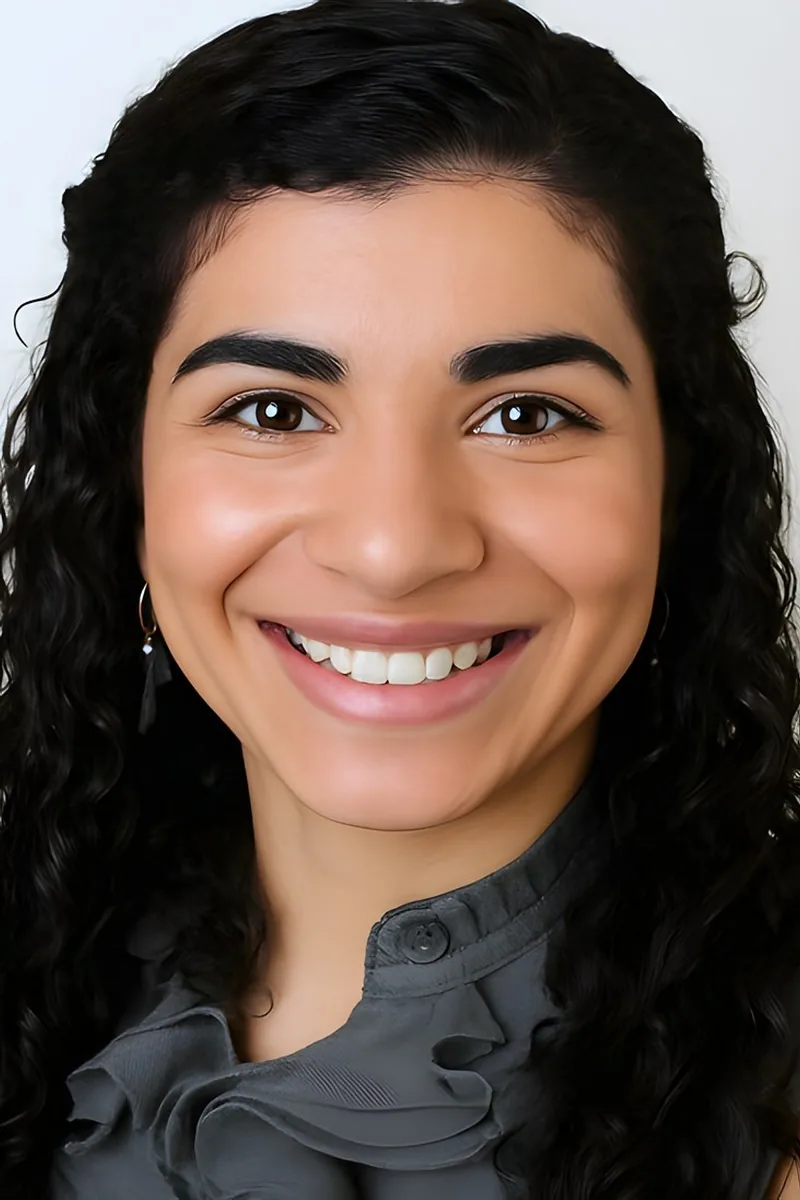
Second graders are still building the bridge between sounding out words and understanding full sentences, which makes this a pivotal year for reading confidence. Paula walks kids through phonics patterns, sight words, and simple comprehension questions using stories they actually want to talk about. Rated 4.8 by families she's worked with.

Second graders are building fluency, which means reading smoothly enough that they can actually think about what a story means instead of sounding out every word. Angela turns this into a confidence game — pairing phonics reinforcement with engaging read-alouds so kids start recognizing sight words, punctuation cues, and simple story elements without the process feeling like a chore.
Second graders are right in the thick of learning to read independently, which means every session needs to balance phonics reinforcement, sight-word fluency, and actual comprehension. Molly has taught 2nd grade in the classroom and completed specialized reading intervention training at Northwestern, so she can tell quickly whether a child needs more decoding practice or is ready to start tackling meaning-based questions. She keeps sessions structured but playful — exactly what this age group needs to stay engaged.
Second grade readers are building fluency and starting to ask 'why' questions about stories — why a character made a choice, why the author used a certain word. Allan keeps sessions interactive and encourages curiosity, using read-aloud techniques and guided questioning to strengthen both comprehension and confidence with longer sentences.
Second-grade reading is all about bridging phonics knowledge into real fluency — sounding out multisyllable words, recognizing sight words automatically, and starting to retell stories in sequence. Nima keeps sessions engaging for young learners by weaving in his own enthusiasm for books and storytelling, turning practice into something a seven-year-old actually looks forward to.
Second-grade reading is all about momentum — decoding multisyllabic words, reading with enough fluency to follow a story, and starting to ask questions about characters and events. Hasan teaches elementary students daily at Archway Classical Academy, so he understands how to keep a seven-year-old engaged while reinforcing phonics patterns and sight word recognition. He makes the jump from sounding out words to understanding sentences feel natural.
Building fluency at the second-grade level means more than sounding out words — it's connecting sounds to meaning, recognizing sight words automatically, and starting to ask questions about what a story is really about. Dakota brings patience and structure to these early reading sessions, making sure each student gains confidence with both decoding and basic comprehension skills like identifying characters and settings.
At the second-grade level, readers are bridging the gap between sounding out words and reading fluently enough to understand full sentences. Jennifer uses read-aloud techniques drawn from her theatre training to model expression, pacing, and punctuation cues — skills that turn halting word-by-word reading into confident, flowing storytelling.
Second-grade reading is where phonics knowledge starts translating into real fluency — blending multi-syllable words, reading with expression, and answering simple comprehension questions about a story. Varuna's patience with younger learners, honed through years of tutoring students from first grade through graduate school, makes her especially effective at keeping early readers engaged and moving forward.
Learning to read fluently in second grade involves juggling phonics patterns, sight words, and basic comprehension all at once, and every child hits different sticking points along the way. Valerie identifies exactly where a student's decoding or understanding breaks down and targets that specific gap. Her approach emphasizes building genuine confidence so kids actually want to pick up a book on their own.
At the second-grade level, reading clicks when a child can decode unfamiliar words and start stringing sentences into meaning. Allen breaks down phonics patterns and sight word recognition into small, confidence-building steps, drawing on his experience in learning center and mentorship settings to keep young readers engaged with stories they actually enjoy.
At the second-grade level, reading clicks when a child can decode new words and start connecting sentences into a story that makes sense. Jessalyn breaks down skills like sight word recognition, sequencing, and basic comprehension into small, confidence-building steps — drawing on years of teaching experience across reading levels.
Second graders are making the critical shift from learning to read to reading to learn, and Hanna knows how to bridge that gap. Her time as a reading tutor through America Reads and as a 4th grade classroom teacher gave her a clear picture of the phonics, sight word, and early comprehension skills that need to be solid at this stage. She breaks down tricky decoding patterns and builds confidence with age-appropriate texts.
Reading at the 2nd grade level is where kids start shifting from decoding words to actually understanding what a passage means — making inferences, identifying story elements, and building fluency. Sarah's Classics minor meant years of close reading across genres, and she brings that same careful attention to helping young readers tackle comprehension questions and new vocabulary in context.
At seven years old, reading should start feeling like something a kid can do independently — and that confidence matters as much as the skill itself. Kathleen's classroom experience teaching early readers at IDEA Public Schools means she knows how to strengthen sight-word fluency, short-vowel decoding, and simple comprehension questions in ways that keep second graders engaged rather than frustrated.
Early reading is about building momentum — when a second grader can decode a new word on their own, it changes how they see themselves as a reader. Orlando uses phonics patterns, sight word practice, and read-aloud strategies to turn that momentum into genuine confidence with grade-level texts. His background in the arts and love of books means sessions are filled with stories kids actually want to read.
Second graders are building the bridge between decoding words and actually understanding full sentences and short passages. Tara walks through phonics patterns, sight words, and simple comprehension questions in a way that keeps young readers engaged rather than frustrated. Her 5.0 rating speaks to how well she connects with students at every level.
Building fluency and comprehension at the 2nd grade level means practicing with purpose — not just sounding out words but understanding what a sentence actually says. Shin uses his background as a reader and writer to make decoding and vocabulary-building feel less like drills and more like discovery, whether kids are working through short chapter books or informational texts.
Second graders are building fluency and starting to make sense of what they read on their own — recognizing story elements, understanding cause and effect in simple texts, and self-correcting when something doesn't sound right. Adrianna's teaching background spans remedial and grade-level settings, so she knows how to meet a young reader's specific needs without turning reading into a chore. She keeps sessions active with read-alouds, guided questions, and high-interest stories that make kids want to keep going.
Second graders are at a pivotal stage where they shift from learning to read to reading to learn, and that transition doesn't happen automatically. Keisha, who holds a Master's in Early Childhood Education, uses targeted fluency exercises and sight-word reinforcement to build the speed and confidence kids need. She also weaves in comprehension check-ins so students aren't just sounding out words — they're understanding stories.
I am currently a lead preschool teacher. I received my Bachelor's in Psychology from VCU and am looking to return to school to further my education. While in college, I worked as a Supplemental Instruction leader, teaching general biology and anatomy. I have also worked in an after school program with elementary age children, but I have my fondest memories volunteering as a counselor for Camp Kesem. In my own experience, I loved school and now I love teaching even more at all age levels! I especially enjoy the challenge of getting creative to discover what approach and mediums work best for each student. I am available for in person as well as online tutoring.
Second graders are still cementing phonics patterns while starting to read for meaning, which means they need a tutor who can toggle between sounding out tricky words and talking about what a story actually says. Henry brings patience and a genuine love of books to early reading sessions, keeping kids engaged through stories they actually want to finish.
Second grade is where fluency really starts to matter: moving from sounding out every word to reading smoothly enough that the story makes sense. Jessica brings a patient, structured approach to phonics patterns, sight word recognition, and simple comprehension questions. Her time teaching English to learners in Austria gave her hands-on experience building literacy skills from the ground up.
At the second-grade level, reading confidence and reading ability feed each other — a student who stumbles over decoding quickly loses the thread of a story and stops wanting to try. Alysia understands this cycle deeply, both from her Intervention Specialist work with early readers and from her own childhood experience managing ADHD in the classroom. She builds fluency through high-interest texts and celebrates small wins loudly.
Second graders often hit a turning point when they shift from decoding individual words to actually understanding what a passage means — making inferences, identifying a story's main idea, and retelling events in order. Syeda breaks reading comprehension into small, confidence-building steps, using questions that get kids talking about what they read rather than just sounding it out. Rated 5.0 by families she's worked with.
Early reading at the 2nd grade level is all about building fluency — decoding longer words, reading with expression, and starting to understand what a paragraph is really about. Jesse brings warmth and creativity to these foundational skills, drawing on his own love of storytelling to keep young readers engaged rather than frustrated. His experience across multiple elementary grade levels means he can pinpoint whether a student needs phonics reinforcement, vocabulary support, or simply more confidence.
Early readers in second grade are piecing together longer sentences, encountering new sight words daily, and starting to answer questions about what they've read. Jennifer's training in child development at Smith means she understands how seven- and eight-year-olds process text, and she matches phonics reinforcement and comprehension practice to each child's pace.
Second graders are building fluency — moving from sounding out each word to reading smoothly enough that meaning clicks into place. Anthony's background in phonics and elementary reading means he knows how to reinforce letter patterns, sight words, and simple comprehension questions in ways that keep young readers engaged rather than frustrated.
Second graders are building fluency and starting to answer questions about what they've read, which means decoding and comprehension have to develop together. Colleen has experience teaching children as young as three and understands how to keep early readers motivated while reinforcing phonics patterns, sight words, and simple story retelling skills.
At the second-grade level, reading confidence matters as much as reading accuracy — a child who dreads picking up a book won't practice enough to improve. Rima builds that confidence by working through phonics patterns, sight words, and simple comprehension questions using stories kids actually want to read. Her hands-on approach turns each session into something a seven-year-old looks forward to.
Second-grade reading is all about fluency and making meaning click together — sounding out words accurately while also understanding the story being told. Myles connects decoding practice to comprehension by pausing after short passages to talk through what just happened, who the characters are, and what might come next. It's a conversational approach that keeps young readers curious instead of frustrated.
Early reading at the 2nd grade level is all about fluency and basic comprehension — retelling stories in order, understanding who characters are, and answering simple "why" questions about a text. Jared's teaching style is patient and structured, shaped by years of working with students as young as elementary age. He turns reading practice into an active conversation rather than a passive exercise.
Building reading fluency in second grade means moving beyond sounding out every single letter and starting to recognize word families and common patterns. Ashwini uses short, engaging passages to practice blending, sight word recognition, and simple comprehension questions that keep kids thinking about meaning. Her patient, structured approach has earned her a 5.0 rating.
Early reading at the second-grade level is all about connecting the dots between decoding words and actually understanding sentences and short passages. Beth walks students through sight words, basic punctuation cues, and simple comprehension questions, turning each small win into momentum for the next challenge.
At the second-grade level, the jump from sounding out words to reading fluently can feel enormous. Lorelei pairs phonics reinforcement with engaging, level-appropriate texts so that kids build both accuracy and confidence at the same time. Her elementary education training at Brandeis and her 5.0 rating speak to how well she connects with young readers during this critical stage.
Early reading clicks when a child stops sounding out every word and starts recognizing patterns — blends, sight words, simple sentence structures. Nikki's patient, creative approach to 2nd grade reading draws on her own love of books and storytelling to keep sessions engaging while steadily building fluency and comprehension.
Second-grade reading sits at a tricky crossover point where kids move from learning to read to reading to learn. Ankit builds fluency by practicing sight words and phonics patterns alongside short stories, then checks understanding by having students retell what happened in their own words — a simple technique that reveals exactly where comprehension breaks down.
Naomi's English and philosophy background means she reads closely and carefully — a habit she brings to even the simplest picture books and early chapter stories. She teaches second graders to pause and think about what's happening on the page, building the kind of active reading habits that turn word-by-word decoding into genuine understanding.
Early reading clicks when a child connects sounds, sight words, and meaning all at once — and that connection needs patient, structured practice. Having taught students as young as early childhood in both South Korea and India, Alexander knows how to make blending, fluency drills, and simple comprehension questions feel like discovery rather than homework.
Building fluency at the second-grade level means more than just sounding out words — it's connecting sentences into meaning, recognizing sight words automatically, and starting to ask "what happened and why?" after finishing a page. Felice brings an energetic, patient style to these early reading sessions, using her English training to pick the right strategies for each student's sticking points.
Testimonials
Because the right 2nd Grade Reading tutor makes all the difference.
Average Session Rating – Based on 3.4M Learner Ratings
Top 20 English Subjects


Top 20 Subjects
Frequently Asked Questions
Second graders are transitioning from learning to read to reading to learn, which brings unique challenges. Many struggle with decoding multisyllabic words, blending sounds fluently, and maintaining comprehension while focusing on pronunciation. Others develop strong decoding skills but have difficulty understanding what they've read, answering questions about main ideas, or making connections between events in a story. Some 2nd graders also resist reading or feel frustrated when they encounter words they don't recognize, which can impact their confidence and willingness to tackle new texts.
Reading fluency—the ability to read smoothly, accurately, and at an appropriate pace—is foundational but separate from comprehension, which is understanding what you've read. A 2nd grader might read words accurately but rush through without grasping the meaning, or read slowly and laboriously, which exhausts their mental energy before they can focus on the story. A tutor works on both: building fluency through repeated, supported reading of engaging texts, and strengthening comprehension through questions, discussions, and strategies like retelling or predicting what happens next.
While 1st graders learn basic phonics patterns, 2nd graders encounter more complex patterns (like vowel teams, r-controlled vowels, and consonant blends) that require continued practice and reinforcement. Sight words—high-frequency words like 'the,' 'because,' and 'would'—need to be automatic so students can read them instantly without sounding them out, freeing up mental energy for comprehension. A tutor helps students master these patterns and words through targeted, multisensory activities so they can tackle grade-level texts with confidence.
Second graders encounter increasingly sophisticated vocabulary in their texts, and understanding word meanings directly impacts comprehension. When a student encounters unfamiliar words like 'curious,' 'anxious,' or 'discovered,' they need strategies to figure out meaning—using context clues, breaking apart word parts, or asking for help. A tutor builds vocabulary intentionally by introducing words before reading, discussing meanings during and after reading, and using games or activities that help words stick. Strong vocabulary also boosts confidence and makes reading more enjoyable.
Effective 2nd grade readers use strategies like predicting (guessing what happens next), visualizing (picturing scenes in their mind), making connections (linking the story to their own life), and retelling (summarizing the main events). Many 2nd graders don't naturally use these strategies, so a tutor explicitly teaches and models them during reading. For example, a tutor might pause mid-story to ask 'What do you think will happen?' or 'Can you picture where the characters are?' This guided practice helps students internalize strategies they can use independently.
Frustration and reluctance often stem from difficulty, embarrassment, or past negative experiences with reading. A tutor creates a low-pressure, judgment-free space where a student can practice with texts at their level, celebrate small wins, and develop positive associations with reading. By choosing engaging, high-interest books, breaking reading into manageable chunks, and providing immediate, specific praise and feedback, a tutor helps rebuild confidence. As skills improve and reading feels less like a struggle, many reluctant readers naturally become more willing and enthusiastic.
A tutor assesses a student's current level through informal observations—listening to them read aloud, asking comprehension questions, and noting which words or patterns cause difficulty. The goal is finding the 'just right' level: challenging enough to promote growth but not so hard that the student becomes frustrated or gives up. A tutor might use guided reading levels (like Fountas & Pinnell levels, which range from A-Z for elementary students) as a reference, but the best measure is how well the student can read and understand the text with minimal support. As skills improve, the tutor gradually introduces slightly more challenging texts.
Consistent home reading practice is powerful. Parents can read aloud to their child daily (modeling fluent, expressive reading and building vocabulary), listen to their child read aloud, and ask simple comprehension questions like 'What was your favorite part?' or 'What did the character do?' Keeping reading low-pressure and fun—choosing books the child enjoys, celebrating effort over perfection, and avoiding correction during pleasure reading—helps sustain motivation. A tutor can recommend specific books at the right level and suggest activities that reinforce what's being practiced in tutoring sessions.
Let’s find your perfect tutor
Answer a few quick questions. We’ll recommend the right plan and match you with a top 5% tutor.