Award-Winning AP Chinese Language and Culture Tutors
serving Detroit, MI
AP Chinese Language and Culture
Tutors in Detroit
Private 1-on-1 tutoring, weekly live classes for academic support, test prep & enrichment, practice tests and diagnostics, and more to elevate grades and test scores.
Based on 3.4M Learner Ratings
UniversitiesSchools & Universities
DeliveredHours Delivered
ProficiencyGrowth in Proficiency
Who needs tutoring?
No obligation. Takes ~1 minute.
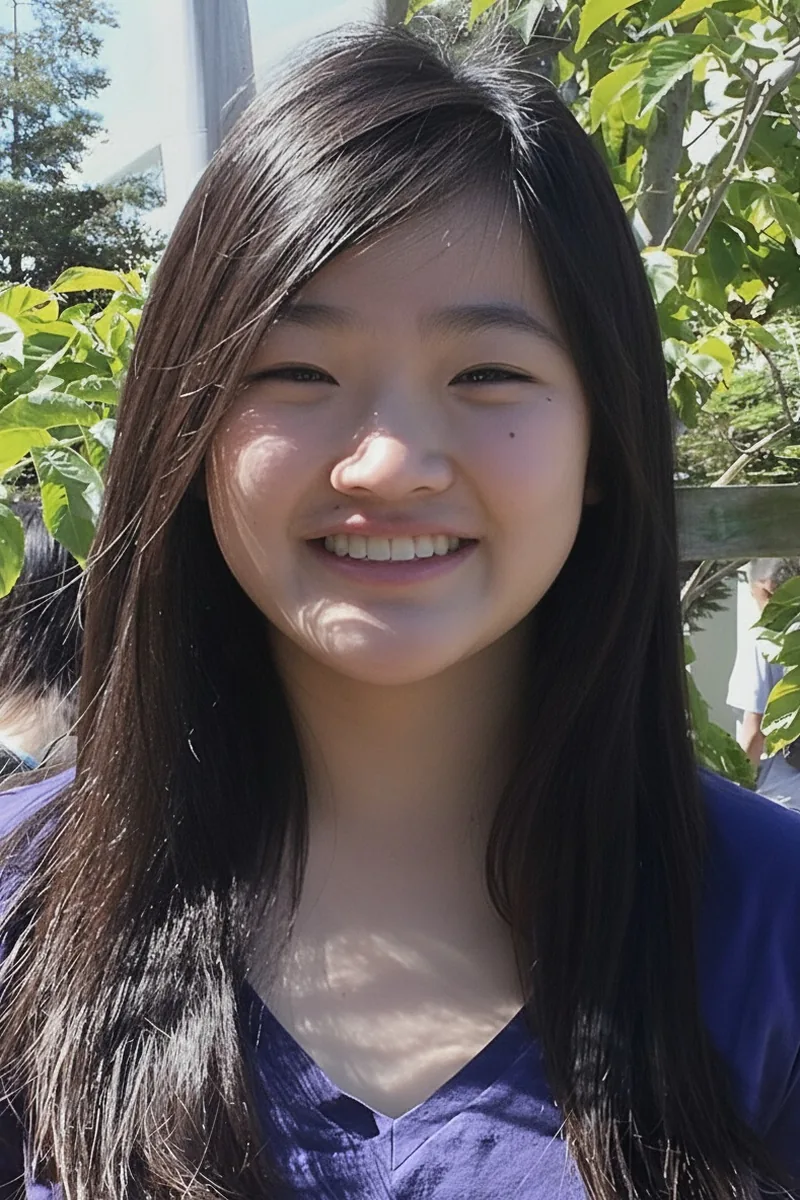
The cultural comparison essay on the AP Chinese Language and Culture exam trips up even strong speakers because it requires analytical writing, not just language proficiency. Julie's philosophy training at Princeton sharpens exactly that skill — breaking down a prompt, organizing a clear argument, and supporting it with specific cultural knowledge. She brings that structured thinking to every section of the exam.

Jess studies public policy and peace, war, and defense at UNC Chapel Hill — a program steeped in the kind of geopolitical and diplomatic context that gives AP Chinese cultural comparison essays real substance instead of generic observations. She speaks Mandarin conversationally and teaches it across multiple levels, so she can coach students on bridging the gap between everyday spoken Chinese and the formal presentational writing register the exam actually scores.
Throughout the ages, the religious and philosophical leaders of the Far East considered teaching the noblest occupation-- one of true wisdom and selflessness. Having had the great fortune to experience the transformative power of wonderful teachers, I've come to agree with this viewpointI've found my calling in education. I haven't always known that teaching was the vocation for me. Even though I've always taught, on some level, as a T.A., a private tutor, a classroom teacher, or a friend, I tried different jobs in the private sector for several years. However, upon much introspectionmy own enlightenmentI realized that teaching is my true calling. I have a passion for teaching, which is unmatched by any other field. Why do I teach? I teach because I know that I will learn something new from each teaching experience, with every student, with every day, without exception, and because this path is one that I know is beneficial to others and to society as a whole. I teach, because I believe I can do it well. I approach the job with a balance of both diligence and patience, and confidence and humility, with extreme focus and an open mind. I am very patient, which is incredibly important, because learning takes time and involves challenges. When I teach I project a sense of confidence, because as a lifelong perfectionist, I really do my homework! Before each lesson, I make sure I am thoroughly prepared so that I can teach lucidly and coherently and know how to anticipate questions and readily answer them. My confidence helps establish my authority in the classroom. I also strive to make what I teach relevant to my students' lives by drawing on my experiences as a student and teacher. I strive to be an educator like my own favorite teachersa teacher who is passionate about and has profound knowledge of his specialty, who believes in the unparalleled importance of education, and who inspires his students with his devotion.
The AP Chinese exam tests far more than vocabulary recall — it demands cultural knowledge, formal register in writing, and the ability to compare Chinese and American perspectives in presentational speaking. Daniel, who has studied Mandarin through advanced levels, breaks down each exam section so students know exactly what the graders are looking for in their responses.
As a native Mandarin speaker who taught a beginning Chinese course at the Wheeler School in Providence, Jennifer knows exactly where English-speaking learners stumble — tonal accuracy, measure words, and the leap from textbook dialogue to real conversation. She covers all four AP exam skills (interpersonal and presentational speaking, listening, and reading) with particular attention to the cultural comparison essay, where strong structure can make or break a score.
Ten years teaching Mandarin in public schools — from absolute beginners through AP — means Paulkey has watched hundreds of students hit the same walls on the AP Chinese exam, especially the interpersonal response tasks where students freeze up trying to produce spontaneous, culturally appropriate Mandarin in real time. He pairs that classroom experience with a computer science background that makes his prep unusually structured: timed drills, systematic vocabulary review, and targeted practice on the listening comprehension passages that reward quick processing over perfect translation.
The cultural presentation component of AP Chinese Language and Culture catches many students off guard because it requires genuine knowledge of Chinese traditions, geography, and social customs — not just language proficiency. Christine grew up in Shanghai and brings firsthand cultural context to topics like festival traditions, family structures, and regional differences that students need for both the exam and the interpersonal tasks. Her native fluency means she can coach pronunciation and tonal accuracy in real time.
The AP Chinese Language and Culture exam rewards students who can think culturally, not just linguistically — comparing traditions, explaining customs, and narrating personal experiences in natural Mandarin. Lauren lived in Nanjing and studied at Nanjing University, so she brings real-world cultural fluency to the interpersonal and presentational tasks that trip up even strong speakers. Her linguistics degree also means she can explain tricky grammar patterns with unusual clarity.
Beyond typical classroom exposure, Cynthia pursued Chinese seriously enough to earn a university minor in the language, which means she's comfortable with the reading comprehension, listening, and cultural knowledge components the AP exam tests. She walks students through strategies for the interpersonal and presentational speaking tasks, where scoring well depends on fluid responses and appropriate use of idiomatic expressions.
Fluent in Mandarin and experienced with the AP Chinese exam format, JF tackles the presentational writing and interpersonal speaking components that trip up even heritage speakers. He digs into the cultural comparison prompts specifically, showing students how to structure responses that hit every rubric criterion.
The AP Chinese Language and Culture exam tests more than vocabulary — it demands cultural literacy, formal register switching, and the ability to compare Chinese and American perspectives in real time. Ya grew up in Taiwan and earned her master's in Foreign Language Education (Chinese) at NYU, so she teaches students to navigate the interpersonal and presentational speaking tasks with native-level cultural nuance. She also drills the specific reading and listening strategies that trip up heritage and non-heritage speakers alike.
With an economics degree and fluency across four levels of Mandarin Chinese, Alexander brings a practical, content-rich angle to AP Chinese prep — particularly the interpretive listening passages, where students need to process real-world topics like trade, policy, and social trends discussed in rapid, formal Mandarin. He also tackles the exam's cultural comparison essays by drawing on his cross-cultural academic background to teach students how to move beyond surface-level observations and anchor their responses in specific, substantive examples.
Testimonials
Because the right AP Chinese Language and Culture tutor makes all the difference.
Average Session Rating – Based on 3.4M Learner Ratings
Other Detroit Tutors
Related Languages Tutors in Detroit
Frequently Asked Questions
The AP Chinese Language and Culture exam tests proficiency across five key areas: listening, reading, writing, speaking, and cultural knowledge. The exam is scored on a scale of 1-5, with most colleges granting credit or advanced placement for scores of 3 or higher. The test emphasizes real-world communication skills and cultural understanding, requiring students to demonstrate fluency in interpersonal, interpretive, and presentational modes.
AP Chinese is considered one of the more challenging AP exams because it requires sustained language proficiency across all four skills (listening, reading, writing, and speaking) rather than content knowledge alone. Success depends on consistent practice and exposure to authentic Chinese materials over time. Many students find the speaking section particularly challenging due to limited opportunities for real conversation practice in typical classroom settings.
Varsity Tutors connects you with expert tutors who can provide personalized 1-on-1 instruction tailored to your specific strengths and weaknesses. A tutor can help you practice conversational speaking in a low-pressure environment, refine your writing skills with detailed feedback, build listening comprehension through authentic materials, and develop test-taking strategies for each exam section. Tutors also help you understand cultural nuances and idioms that often appear on the exam.
The speaking section requires you to respond to prompts in real-time, making regular conversation practice essential. Working with a tutor gives you consistent opportunities to speak Chinese in a supportive setting, receive immediate feedback on pronunciation and grammar, and build confidence before test day. Practice with authentic prompts and time constraints helps you develop the fluency and spontaneity the exam demands.
Most students benefit from 3-6 months of focused preparation, though this depends on your current proficiency level and study consistency. If you're taking the course, regular tutoring throughout the year helps reinforce classroom learning and address gaps early. For students preparing independently, intensive tutoring combined with daily practice can accelerate progress, though reaching the fluency required for a strong score typically requires sustained effort over several months.
Practice tests are crucial for AP Chinese because they help you understand the exam format, manage your time across different sections, and identify specific areas needing improvement. Taking full-length practice tests under timed conditions reveals whether you struggle more with listening comprehension, reading speed, or writing accuracy. A tutor can review your practice test results with you, pinpoint patterns in your mistakes, and develop targeted strategies to address them.
Varsity Tutors connects you with expert tutors who specialize in AP Chinese Language and Culture and understand the specific demands of the exam. When you reach out, you'll be matched with a tutor whose expertise and teaching style fit your needs. Tutors can work with your schedule and adapt their instruction to focus on your particular challenges, whether that's mastering tones, improving listening skills, or building test confidence.
Score improvement depends on your starting level, consistency with practice, and how much you engage outside tutoring sessions. Students who combine regular tutoring with daily independent practice typically see meaningful gains, especially in speaking and writing where personalized feedback makes the biggest difference. While there's no guaranteed score jump, many students report increased confidence and stronger performance across all exam sections after working with a tutor for several months.
Let’s find your perfect tutor
Answer a few quick questions. We’ll recommend the right plan and match you with a top 5% tutor.