Award-Winning AP Spanish Literature and Culture Tutors
serving Detroit, MI
AP Spanish Literature and Culture
Tutors in Detroit
Private 1-on-1 tutoring, weekly live classes for academic support, test prep & enrichment, practice tests and diagnostics, and more to elevate grades and test scores.
Based on 3.4M Learner Ratings
UniversitiesSchools & Universities
DeliveredHours Delivered
ProficiencyGrowth in Proficiency
Who needs tutoring?
No obligation. Takes ~1 minute.
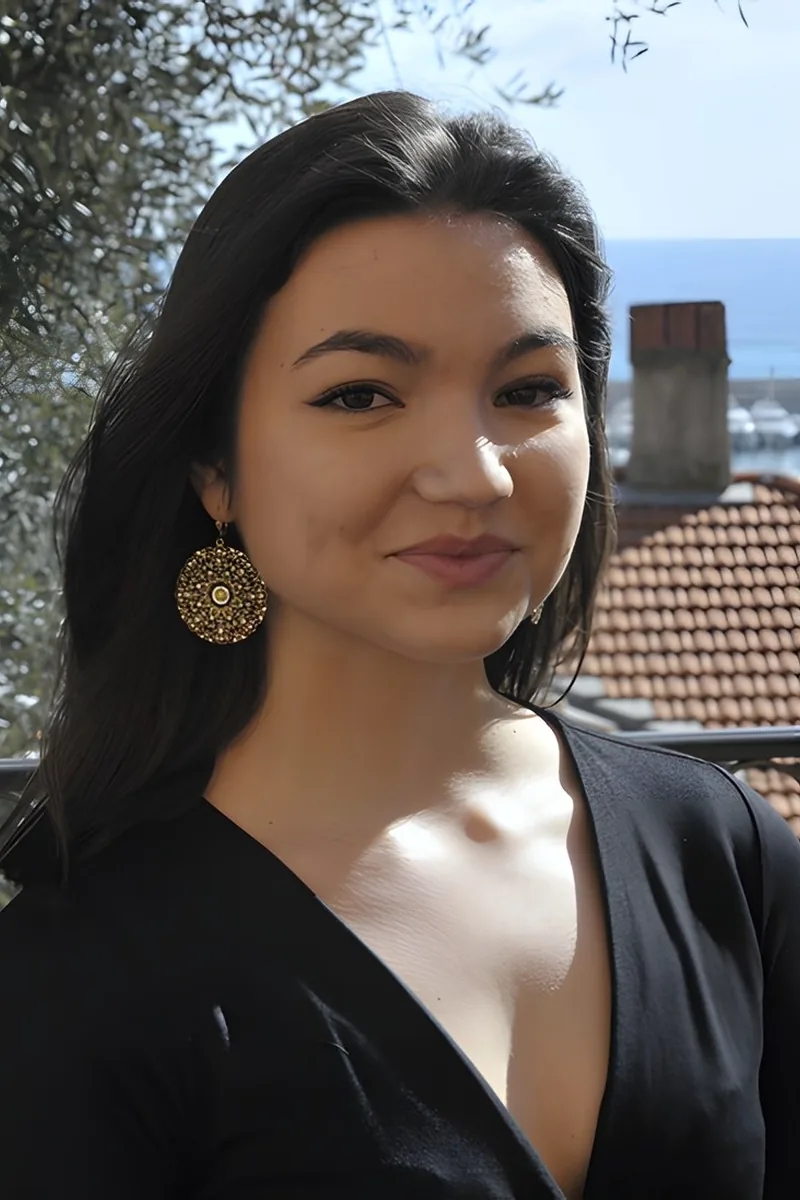
Studying political science sharpened Claire's ability to read texts as arguments — identifying how authors use structure, rhetoric, and cultural context to advance a point of view, which is exactly the analytical muscle the AP Spanish Literature free-response essays test. She tutors across four levels of both Spanish and French, so she's comfortable conducting literary discussion and essay practice in the target language. Rated 5.0 by students.

Four years of TA'ing Spanish at Dartmouth using the Rassias method — an approach built around verb structure, syntax, and pronunciation drills — gave Elise an instinct for how language mechanics shape literary meaning, which is exactly what the AP exam's analytical essays reward. Her Comparative Literature degree with a Spanish concentration means she's trained to read across traditions and trace how formal choices in a Sor Juana sonnet or a Rulfo story carry thematic weight. Rated 5.0 by students.
Growing up speaking Spanish at home after moving from Chile, then studying abroad in Salamanca, Carlos developed the kind of native-level fluency that catches the subtle register shifts and idiomatic layers in AP reading list works — from colonial poetry to contemporary Latin American prose. His daily work as a bilingual writer at St. Jude Children's Research Hospital keeps his written Spanish sharp and precise, which directly feeds into coaching students on constructing timed analytical essays that move beyond plot summary into genuine literary argumentation.
Pre-health biology majors with Hispanic Studies minors don't always land on this page — but Jaina's coursework in Spanish literature and culture, combined with the analytical rigor of her science training, gives her a structured approach to breaking down texts on the AP reading list and building essay arguments in Spanish. She's strongest as a fit for students who need help organizing their ideas under timed conditions, applying the same methodical thinking she uses in lab work to thesis construction and textual evidence. Rated 5.0 by students.
Pre-med and AP Spanish Literature don't seem like natural companions, but Franshesca's coursework across all levels of Spanish — from introductory through AP — means she's built the language proficiency needed to read and discuss reading list texts in Spanish. Her science-trained habit of methodical analysis carries over surprisingly well to breaking down how a poet structures an argument or how a narrator's choices reveal theme, and she coaches students on organizing timed essays with that same precision. Rated 4.8 by students.
Few tutors can match Trace's combination of a summa cum laude specialization in Spanish from Ohio State and professional experience as a Spanish-language court interpreter. For AP Spanish Literature and Culture, he unpacks texts from Cervantes to García Márquez in their original language, teaching students to write literary analysis in Spanish with the sophistication the exam requires.
Studying Latin American Studies at Columbia alongside her American Studies major, Grace reads and analyzes Spanish-language literature at the university level daily. She unpacks the thematic and stylistic demands of the AP exam — from close reading García Márquez's magical realism to writing persuasive literary analysis essays in Spanish — with the cultural context that the rubric rewards.
A biology major who also tutors across five levels of Spanish — from beginner through AP Language and AP Literature — Mikkel brings the same analytical precision he uses in organic chemistry to dissecting how a Borges story or a Sor Juana poem builds its argument through structure and language. His 4.8 rating suggests that methodical, science-trained approach to breaking down texts and constructing timed essays in Spanish works well for students who want clear frameworks rather than impressionistic literary hand-waving.
Studying Spanish as a full degree — not just a minor or elective — means Alexandra has spent years reading and analyzing literary works in the original language, from García Márquez to Sor Juana. She teaches students to write the kind of thematic analysis essays the AP exam demands, connecting literary movements like el realismo mágico to their cultural and historical contexts.
Growing up as a native Spanish speaker and writer while simultaneously studying English literature and theater at Bowdoin gave Alex an unusual double fluency — literary analysis skills honed in two languages at once, which is precisely what this exam's timed essays in Spanish demand. His graduate work in biology might seem unrelated, but the evolutionary and bioanthropological lens he brings to questions of cultural identity and human experience adds unexpected depth when unpacking themes in reading list works from Quiroga to Allende. Rated 4.8 by students.
Born and raised in San Juan, Puerto Rico, Carla is a native Spanish speaker whose theater background gives her a distinctive angle on literary analysis — she teaches students to read dramatic texts like *La casa de Bernarda Alba* and poetry by Sor Juana as living performances, not just words on a page. That instinct for voice, tone, and subtext translates directly to the close-reading and essay skills the AP exam rewards. Rated 5.0 by students.
AP Spanish Literature and Culture asks students to analyze works from Cervantes to García Márquez in the target language — a challenge that demands both literary skill and genuine fluency. Philip is a fluent Spanish speaker who has also tutored the language at Carnegie Mellon for over a year, so he can unpack themes like "las sociedades en contacto" and rhetorical devices without defaulting to English. He teaches students to write analytical commentary in Spanish that earns top marks on the free-response sections.
Testimonials
Because the right AP Spanish Literature and Culture tutor makes all the difference.
Average Session Rating – Based on 3.4M Learner Ratings
Other Detroit Tutors
Related Languages Tutors in Detroit
Frequently Asked Questions
AP Spanish Literature and Culture focuses on reading and analyzing Spanish-language literary texts from Spain and Latin America across six thematic units: families and communities, personal and public identities, folklore and cultural perspectives, beauty and aesthetics, science and technology, and ethics. Students develop skills in close reading, textual analysis, and cultural interpretation while building advanced Spanish language proficiency. The exam includes multiple-choice questions on short passages, longer prose and poetry texts, and a free-response essay section.
Personalized 1-on-1 instruction allows tutors to focus on your specific challenges—whether that's analyzing poetic devices, understanding regional dialects, or managing time across the multiple-choice and essay sections. Tutors can create a customized study plan that targets your weak areas, provide targeted practice with authentic texts, and help you develop strategies for the exam's unique format. This individualized approach is particularly valuable for literature courses, where understanding nuance and cultural context requires deeper discussion than classroom settings typically allow.
Many students struggle with the density and complexity of literary texts, especially when encountering unfamiliar vocabulary or regional expressions that aren't covered in standard Spanish courses. Pacing is another major challenge—students often spend too much time analyzing one poem or passage and run out of time for the essay section. Additionally, understanding cultural and historical context is essential but easy to overlook when focusing solely on language mechanics. Personalized tutoring can help you build reading speed, develop efficient annotation strategies, and deepen your cultural literacy.
Score improvement depends on your starting point and consistency with tutoring, but most students see meaningful gains within 8-12 weeks of regular sessions. If you're struggling with foundational skills like identifying literary devices or understanding text structure, you might see faster progress. If you're aiming to move from a 3 to a 4 or 5, improvement typically requires focused work on essay writing, time management, and cultural analysis. Your tutor can assess your current level in the first session and create a realistic timeline based on your specific goals.
The essay section requires you to analyze a provided text and support your interpretation with specific evidence—a skill that takes practice to master efficiently. Effective strategies include spending 2-3 minutes planning your thesis and evidence before writing, using clear topic sentences that directly address the prompt, and citing specific lines or phrases rather than paraphrasing. Tutors can help you practice outlining under timed conditions, develop a consistent essay structure that scores well, and learn how to balance literary analysis with cultural context in your writing.
Varsity Tutors connects you with expert tutors who have deep knowledge of AP Spanish Literature and Culture curriculum and exam requirements. When you get matched with a tutor, you can discuss their experience with AP preparation, their approach to teaching literary analysis, and their familiarity with the specific texts and authors on the AP reading list. Many tutors have taught Spanish literature at the college level or have extensive AP exam preparation experience, ensuring you're learning from someone who understands both the content and the test format.
Practice tests are essential for AP Spanish Literature and Culture because they help you understand the exam's timing, question formats, and difficulty level while identifying which literary genres or analytical skills need more work. Taking full-length practice tests under timed conditions also builds confidence and reduces test anxiety by making the exam format familiar. Your tutor can review your practice test results with you, pinpoint patterns in your mistakes, and adjust your study plan accordingly—whether you need more work on vocabulary, cultural analysis, or essay structure.
The exam explicitly tests your understanding of how cultural, historical, and social contexts shape literary meaning. A poem's themes or an author's perspective often can't be fully understood without knowing the time period, region, or cultural movement it comes from—and the AP exam rewards students who make these connections. Tutors help you build this contextual knowledge by discussing the historical backgrounds of texts, exploring regional differences in Spanish-speaking cultures, and teaching you how to weave cultural analysis into your essay responses. This depth of understanding is what separates good scores from excellent ones.
Let’s find your perfect tutor
Answer a few quick questions. We’ll recommend the right plan and match you with a top 5% tutor.