Award-Winning Statistics Tutors
serving St. Paul, MN
Statistics
Tutors in St. Paul
Private 1-on-1 tutoring, weekly live classes for academic support, test prep & enrichment, practice tests and diagnostics, and more to elevate grades and test scores.
Based on 3.4M Learner Ratings
UniversitiesSchools & Universities
DeliveredHours Delivered
ProficiencyGrowth in Proficiency
Who needs tutoring?
No obligation. Takes ~1 minute.
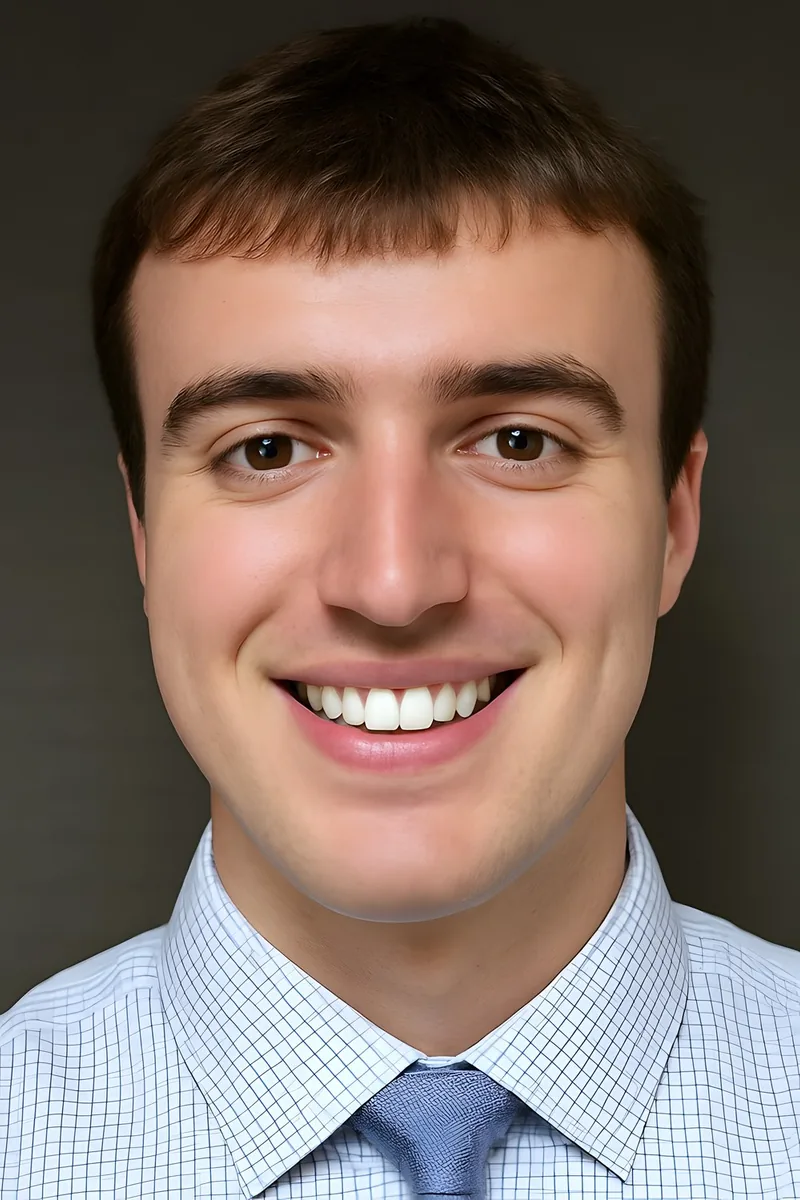
Econometrics training at Carleton College gave Reed a daily working relationship with probability distributions, hypothesis testing, regression analysis, and confidence intervals — statistics wasn't just a course for him, it was the backbone of his degree. He unpacks concepts like p-values and standard deviation using real datasets and plain language, so the logic behind each formula actually registers.
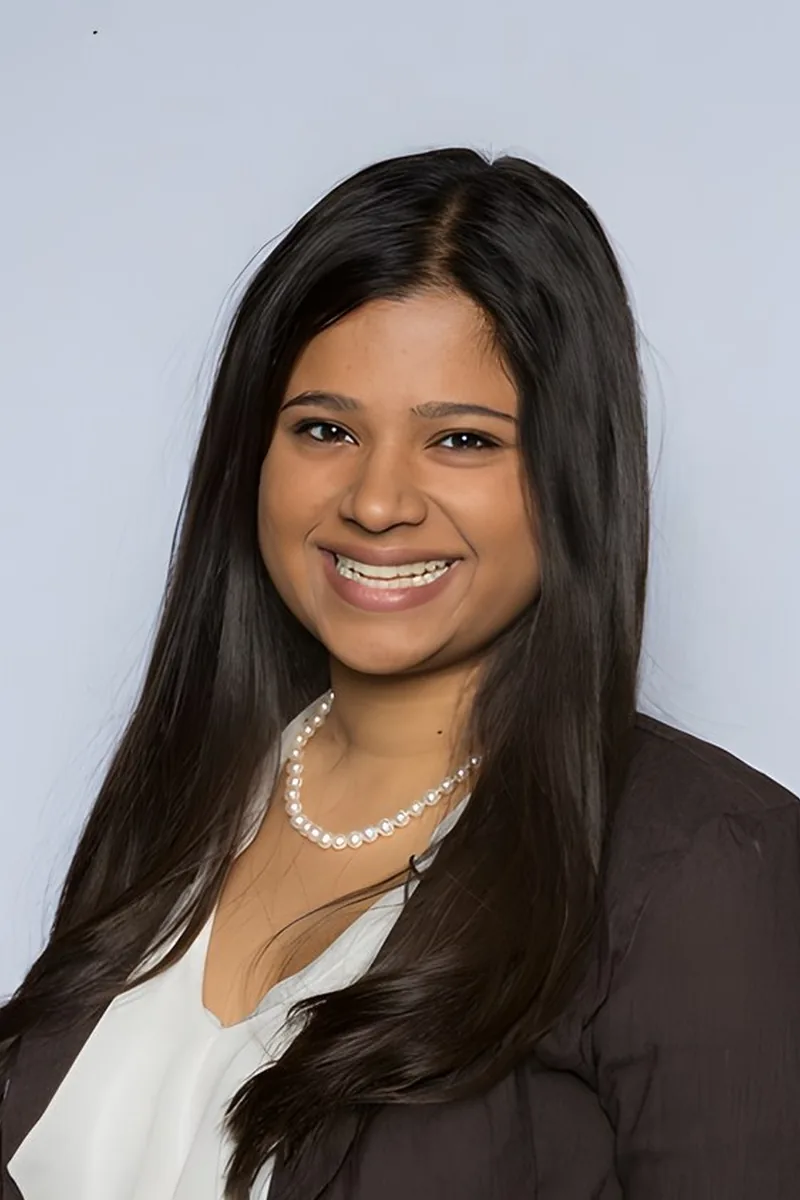
Every genetics course leans heavily on statistics — chi-square tests, probability distributions, Hardy-Weinberg calculations — so Jaya doesn't just know the formulas, she's used them to interpret real experimental data. That experience makes her particularly effective at teaching students how to set up hypothesis tests and understand what p-values actually mean. She approaches stats as a reasoning tool rather than a collection of procedures to memorize.
Biomedical engineering runs on statistics — from analyzing clinical trial data to fitting regression models to experimental results — so Emily applies these tools constantly in her own coursework. She unpacks concepts like probability distributions, standard error, and p-values by tying them to concrete scenarios rather than leaving them as abstract formulas. She holds a 5.0 rating from students.
David's concentration in Economics at Pomona means he uses statistics constantly — regression analysis, probability distributions, and hypothesis testing are tools he applies to real policy questions, not just textbook exercises. He teaches students to interpret what a p-value or confidence interval actually tells you, which is the skill that separates surface-level answers from genuine understanding.
Cognitive psychology research runs on statistics — t-tests, ANOVAs, regression models, effect sizes — and Danelle has used all of them extensively throughout her PhD work. She teaches statistical reasoning by connecting each test to the real question it answers, so concepts like p-values and confidence intervals actually make sense instead of feeling like arbitrary formulas.
Understanding why a confidence interval narrows with a larger sample, or when a t-test applies instead of a z-test, requires more than plugging into formulas. Ella approaches statistics by making sure students can interpret what their calculations mean in context — a skill her physics training reinforced through years of analyzing experimental data and quantifying uncertainty.
What separates a strong statistics student from a struggling one usually isn't computation — it's grasping why a particular test or measure fits a particular question. Tessa's mathematics coursework at Yale, paired with her history training where she regularly evaluates quantitative evidence in primary sources, gives her a sharp eye for the reasoning behind tools like confidence intervals and hypothesis tests. Rated 4.9 by students.
Probability distributions, hypothesis testing, and regression analysis click faster when a tutor can show where these tools get deployed in practice. Firas uses statistics daily in his machine learning research at Princeton, which means he can walk through concepts like Bayesian inference or p-values with real datasets and concrete examples instead of abstract formulas.
Jonathan holds an MS in Statistics, which means probability distributions, hypothesis testing, and regression analysis aren't just textbook topics for him — they're the core of his graduate training. He breaks down intimidating formulas like Bayes' theorem or ANOVA tables by connecting them to the real-world questions they were designed to answer.
Engineering at Dartmouth meant Rachel lived in data — running experiments, interpreting distributions, and making decisions based on probability and hypothesis testing. She brings that practical fluency to statistics tutoring, connecting concepts like standard deviation and confidence intervals to real scenarios instead of leaving them as abstract formulas.
Most students memorize the formulas for z-scores or standard deviation without ever seeing where they come from — Kathleen's math degree from Washington University means she can derive them from scratch and explain each piece along the way. She treats every statistics concept as an extension of the algebra and calculus her students already know, which makes new material feel like a logical next step rather than a disconnected set of rules.
Probability distributions, hypothesis testing, and regression analysis are central to both engineering and business — and Caroline has graduate-level training in both. Her mechanical engineering M.S. from WashU built her statistical modeling skills, while her current MBA at MIT Sloan sharpens how she interprets data for real-world decisions. She teaches the reasoning behind each method so formulas stop feeling like black boxes.
Graduating from an IB high school with top marks and then completing a math degree at Brown means Zofia encountered statistics from both sides — the structured hypothesis testing and chi-square analyses of the IB curriculum, and the rigorous probability theory that underpins it all at the university level. She breaks down concepts like conditional probability and sampling distributions by connecting them to the mathematical machinery students rarely get to see in a standard stats course. Her 3.87 GPA in a demanding program speaks to the precision she brings to every session.
Yi's graduate training in research and experimental psychology required heavy use of statistical methods — from hypothesis testing and ANOVA to regression modeling and interpreting p-values in published studies. That hands-on experience with real data analysis means she teaches statistics as a tool for answering questions, not just a set of formulas to memorize.
Studying economics at Brown meant Carter lived inside datasets — running regressions, testing hypotheses, and interpreting distributions long before he started tutoring. That firsthand experience makes him especially effective at teaching concepts like standard deviation, normal models, and conditional probability in ways that feel grounded rather than abstract. He's rated 5.0 by students.
Reading a research paper in medical school means interrogating p-values, confidence intervals, and study design on a daily basis — so Jean knows statistics as a working tool, not just a textbook subject. She teaches concepts like probability distributions and hypothesis testing by grounding them in real scenarios where the numbers actually matter. Students walk away understanding not just how to run a calculation but what the result means.
Emily's computational biology concentration at Cornell is essentially applied statistics — she uses probability distributions, confidence intervals, and regression analysis to interpret biological data every week. That hands-on context lets her explain statistical reasoning through concrete examples rather than abstract formulas.
Understanding when to use a t-test versus a z-test, or why a sampling distribution behaves the way it does, requires more than formula sheets — it takes genuine statistical intuition. Brian built that intuition through his economics coursework at Caltech, where statistical analysis was a daily tool, and he walks students through each concept with concrete data examples.
Testimonials
Because the right Statistics tutor makes all the difference.
Average Session Rating – Based on 3.4M Learner Ratings
Practice Statistics
Free practice tests, flashcards, and AI tutoring for Statistics
Nearby Statistics Tutors
Other St. Paul Tutors
Related Math Tutors in St. Paul
Frequently Asked Questions
Varsity Tutors matches St. Paul students with expert Statistics tutors for 1-on-1 instruction. We pair each student with a tutor based on their specific needs, learning style, and goals.
Whether you need homework help, exam prep, or want to get ahead, our Statistics tutors are ready to help.
Common challenges include gaps from earlier material, difficulty with specific concepts, and trouble applying learning to new problems. These issues can snowball quickly in Statistics.
A tutor identifies where you're stuck, fills in gaps, and provides targeted practice. The 1-on-1 format means you get help exactly where you need it.
Tutors work with your student's actual coursework—homework assignments, class notes, and upcoming tests. This keeps tutoring directly relevant to what's happening in the classroom.
When you share information about your student's school and curriculum, we can match you with a tutor who has relevant experience.
All tutors complete background checks, credential verification, and teaching evaluation. Many of our Statistics tutors hold advanced degrees or have years of teaching experience.
You can review tutor profiles to find someone with the right background for your student's level and needs.
Many students see improved grades within a few weeks, along with better understanding of Statistics concepts and more confidence tackling challenging material.
Tutors track progress and adjust their approach to ensure continued improvement.
Most students benefit from 1-2 sessions per week. More frequent sessions help if your student is significantly behind or has an important exam coming up.
Your tutor can recommend a schedule based on your student's specific situation and goals.
Tutoring is purchased in packages of hours, with rates varying by tutor experience. Varsity Tutors offers several options to fit different budgets and needs.
You can discuss pricing during your consultation to find what works best.
Your tutor will assess where your student is, discuss goals, and start working on priority areas. Most students bring current homework or upcoming test material to focus on.
By the end, you'll have a clear sense of how the tutor can help and a plan for moving forward.
Let’s find your perfect tutor
Answer a few quick questions. We’ll recommend the right plan and match you with a top 5% tutor.